
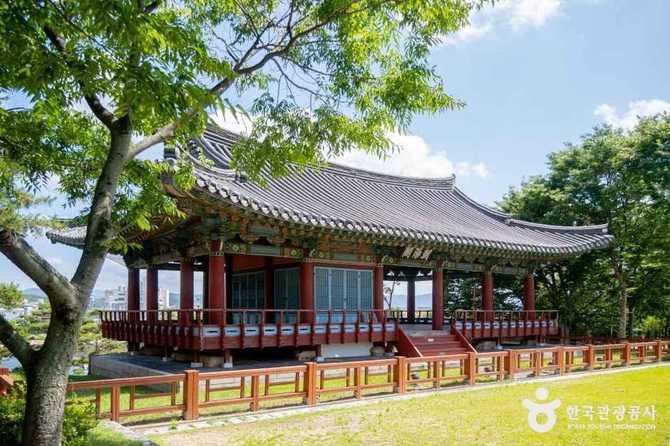
출처 : ⓒ한국관광콘텐츠랩 또는 ⓒ한국관광공사
Discover the Historic Yeongcheon Joyangak: Korea’s Cultural Heritage
Location 경상북도 영천시 문화원길 6
Location 경상북도 영천시 문화원길 6
Are you interested in exploring Korea’s rich history and traditional architecture? Visiting Yeongcheon Joyangak offers a unique glimpse into Korea’s medieval past, showcasing one of the region’s most treasured cultural landmarks. This guide provides comprehensive information about Yeongcheon Joyangak, from its historical significance to practical visiting tips, helping you plan an insightful trip to this remarkable site.
At a glance
- Who this is for
-
- Travelers interested in Korean history and traditional architecture
- History enthusiasts and cultural heritage researchers
- Tourists visiting Yeongcheon and surrounding regions
- Students and scholars studying Korean cultural assets
- Key takeaways
-
- Built in 1368 during the Goryeo Dynasty, designated as a regional cultural asset
- Restored after destruction in the Imjin War, now preserved as a historical site
- Open year-round with free admission, showcasing over 80 plaques and monuments
- Part of Korea’s three major cultural sites in the Yeongnam region
- Features traditional Korean architecture with significant historical artifacts
- Tips & cautions
-
- As a restored site, some features may differ from the original structure
- Respect the cultural heritage by avoiding damage or vandalism
- Check the latest visiting hours and special exhibitions before your visit
- Bottom line
- Yeongcheon Joyangak is a vital cultural heritage site that offers a deep connection to Korea’s medieval history and traditional architecture.
Welcome to our detailed guide on Yeongcheon Joyangak, a prominent historical site in Korea that embodies the nation’s rich cultural and architectural heritage. Located in the heart of Yeongcheon City, this ancient building dates back to 1368, during the Goryeo Dynasty, making it one of the region’s most significant cultural assets. Whether you are a history lover, a student of traditional Korean architecture, or a traveler seeking authentic cultural experiences, Yeongcheon Joyangak provides an immersive window into Korea’s past.
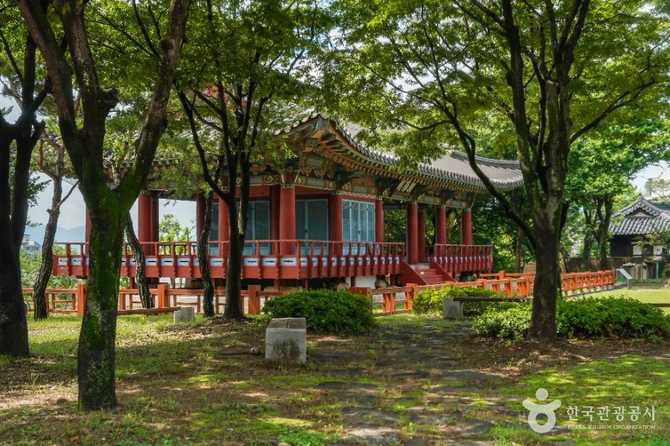
This site is not only a preserved relic of Korea’s medieval era but also a vibrant symbol of regional pride and historical continuity. Restored after its destruction during the Imjin War, the building now stands as a testament to Korea’s resilience and dedication to cultural preservation. Visitors can explore over 80 plaques and monuments, including inscriptions from historical figures, which enrich the understanding of Korea’s history and cultural evolution.
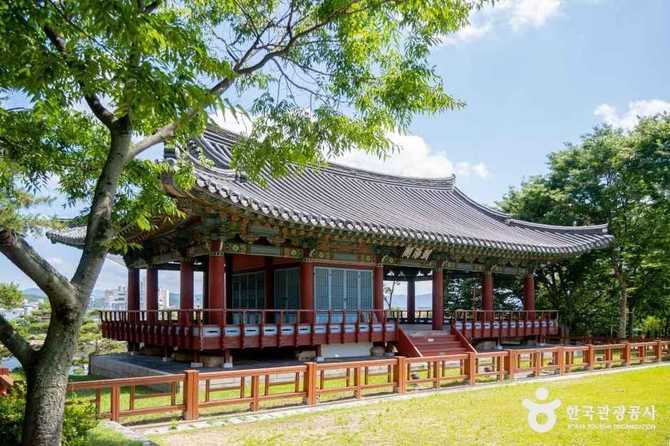
In this guide, you will find essential information such as visiting hours, location details, and tips for making the most of your visit. Whether you are planning a day trip or a detailed study, understanding the significance of Yeongcheon Joyangak will enhance your appreciation of Korea’s traditional architecture and historical landscape.
Overview of Yeongcheon Joyangak’s Historical and Architectural Significance
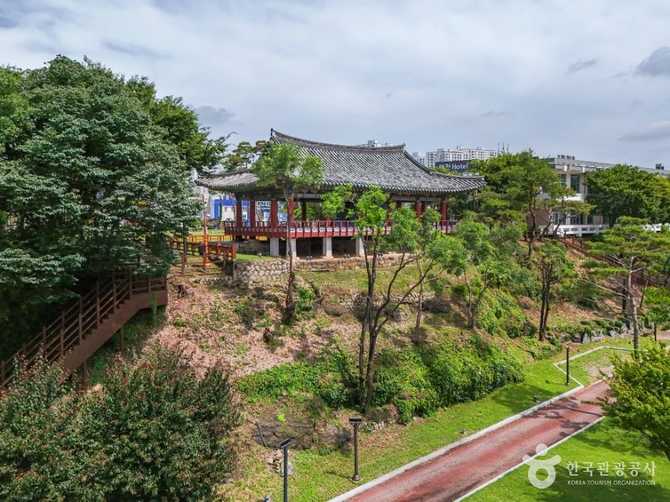
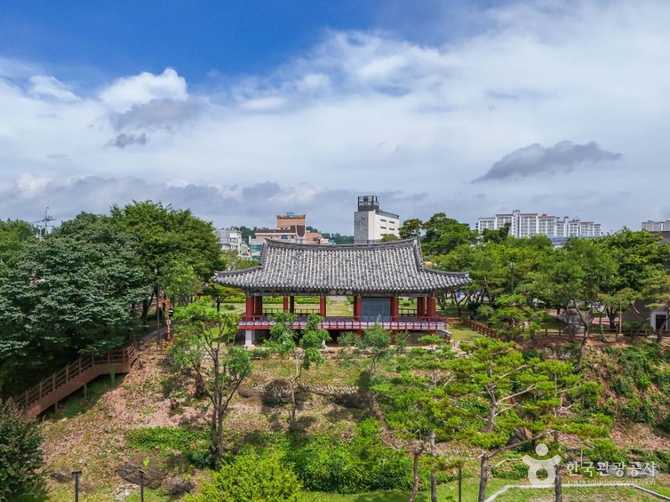
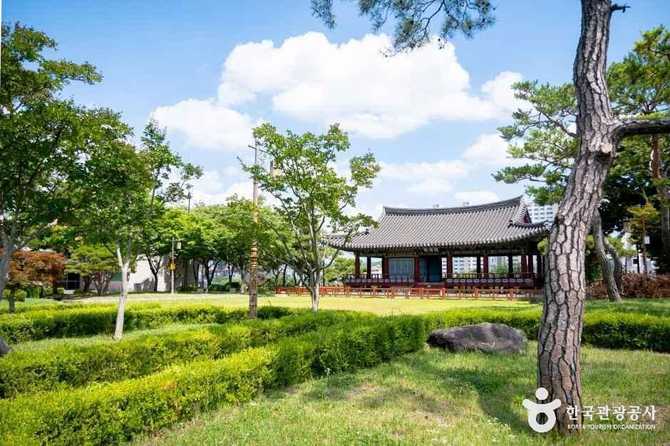
Yeongcheon Joyangak is a prominent example of Korea’s traditional architecture and cultural heritage, dating back to the Goryeo Dynasty. Built in 1368 during the reign of King Gongmin, this historic structure is recognized as one of the region’s most valuable cultural assets. As a representative of Korea’s medieval architectural style, Joyangak embodies the craftsmanship and aesthetic principles of the era, reflecting the cultural and social values of the time. Located in the heart of Yeongcheon City, North Gyeongsang Province, it has served as a center for regional scholarly activities and cultural gatherings for centuries.
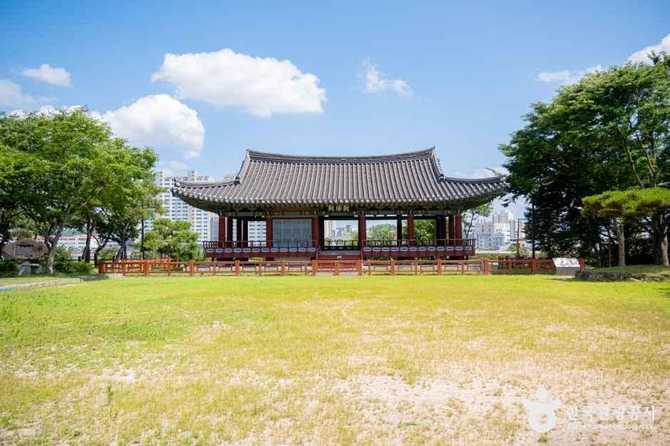
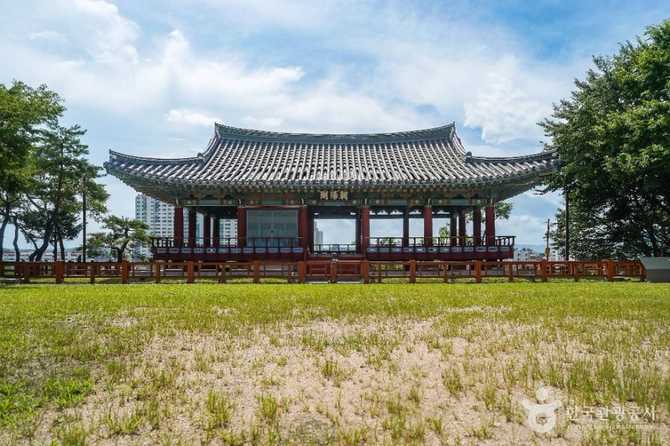
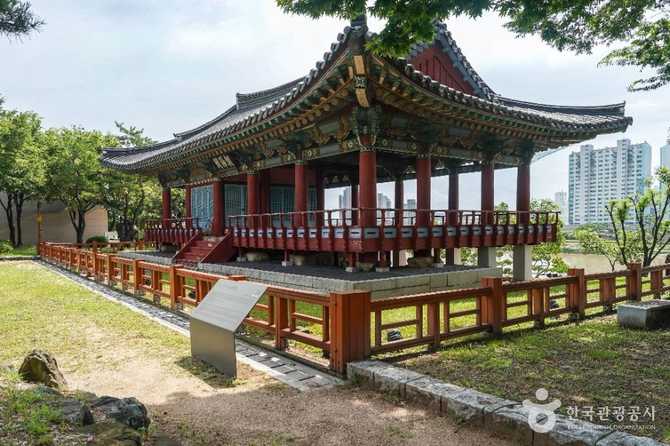
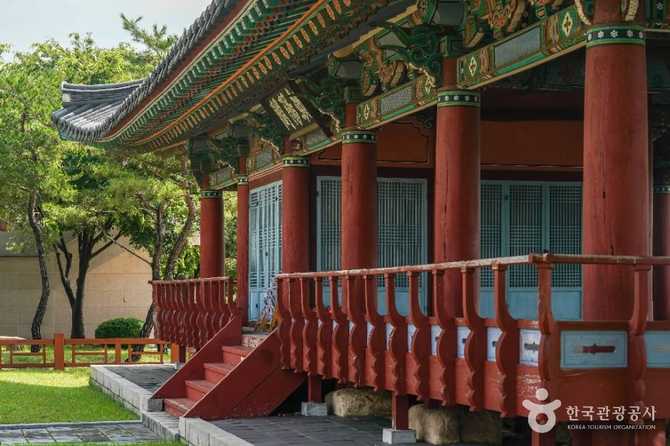
The building’s design features traditional wooden construction with a multi-columned front façade, characteristic of the architectural style of the late Goryeo period. Its structure consists of a main hall with a gabled roof, supported by wooden beams and intricate joinery, demonstrating advanced carpentry skills. Despite being damaged during the Japanese invasions of Korea (Imjin War), the structure was carefully restored, preserving its original form as much as possible. Today, Yeongcheon Joyangak stands as a symbol of resilience and cultural pride, offering visitors a tangible connection to Korea’s historical past.
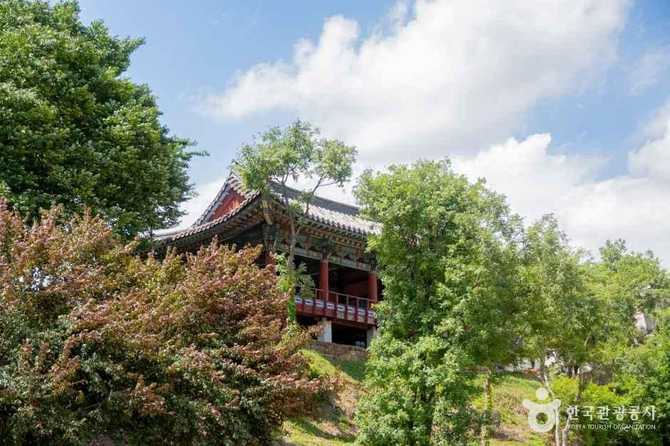
Visitors to Yeongcheon Joyangak can appreciate the harmony of traditional Korean architecture, complemented by over 80 plaques and memorial inscriptions that narrate historical stories and cultural achievements. The site not only provides insight into the architectural techniques of the Goryeo era but also serves as a cultural hub where local scholars and visitors alike can learn about Korea’s rich history. With its designation as a regional cultural asset and continuous preservation efforts, Joyangak remains a vital part of Korea’s cultural landscape, offering an authentic experience of Korea’s medieval heritage.
Comparison of Yeongcheon Joyangak with Other Korean Cultural Heritage Sites
| Feature | Yeongcheon Joyangak | Other Notable Korean Heritage Sites |
|---|---|---|
| Construction Date | 1368 (Goryeo Dynasty) | Various, from Goryeo to Joseon Dynasty (918-1910) |
| Designated Cultural Heritage | Regional Cultural Asset (Gyeongsangbuk-do) | UNESCO World Heritage, National Treasures, or Regional Assets |
| Historical Significance | Representative of Goryeo architecture, rebuilt after Imjin War | Varies; e.g., Gyeongbokgung Palace (Joseon Dynasty), Bulguksa Temple (Silla Dynasty) |
| Current Condition | Restored, original features preserved, open to public | Varies; some fully preserved, others reconstructed or partially restored |
| Visitor Access | Free, open year-round, no reservations needed | Usually free or with admission fee, some require guided tours |
Practical Visiting Tips and Checklist for Yeongcheon Joyangak
- Check Opening Hours: Yeongcheon Joyangak is open year-round, 24/7, with no admission fee. However, it’s advisable to verify any special closures or events before your visit.
- Plan Your Transportation: The site is located at 6 Munhwawon-gil, Yeongcheon-si. Use public transportation or private car; parking is available nearby.
- Respect the Cultural Heritage: Avoid touching or damaging plaques, monuments, or the structure itself. Follow any posted guidelines or instructions.
- Bring a Camera: The site offers excellent photo opportunities of traditional architecture and historical inscriptions. Remember to respect privacy and avoid flash photography near sensitive artifacts.
- Visit Nearby Sites: Combine your trip with visits to other local attractions, such as Yeongcheon City Museum or scenic spots in the region.
- Prepare for Weather: The site is outdoors; dress appropriately for the season and consider bringing sun protection or rain gear.
- Respect Preservation Efforts: Do not climb on or deface monuments to help preserve this cultural treasure for future visitors.
Major Monuments and Artifacts at Yeongcheon Joyangak
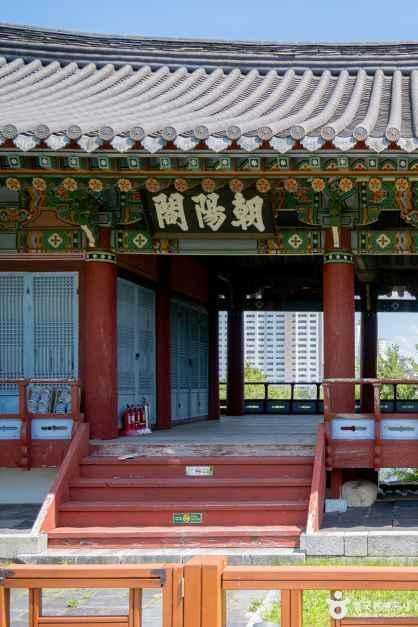
Yeongcheon Joyangak is home to several significant monuments and artifacts that highlight its historical and cultural importance. These relics provide insight into Korea’s medieval period, showcasing inscriptions, memorials, and symbolic structures that narrate the region’s rich history. Here are some of the key monuments and artifacts you can explore during your visit:
-
San-nam Yi-jin Bi (산남의진비)
A stone monument commemorating military history related to the region, located within the premises of Joyangak. It offers insights into Korea’s regional defense strategies during the late Goryeo and early Joseon periods. -
Yeongcheon Regional Heritage Monument (영천지구 전승비)
This memorial marks significant historical events and cultural traditions specific to the Yeongcheon area, emphasizing regional identity and historical continuity. -
Baek Shin-ae Literary Memorial (백신애 문학비)
Dedicated to the renowned Korean literary figure Baek Shin-ae, this monument celebrates her contributions to Korean literature and cultural heritage. -
Hwangseong Old Site Song Monument (황성옛터 노래비)
A poetic monument that reflects traditional Korean folk songs and cultural expressions, preserving local musical heritage.
These monuments are integral to understanding the cultural landscape surrounding Yeongcheon Joyangak. They are preserved and displayed to honor Korea’s historical narratives and cultural achievements, making your visit both educational and inspiring.

Visitor Checklist for Yeongcheon Joyangak
- Check Opening Hours: Open year-round 24/7 with free admission. Confirm any special closures or events before your visit.
- Transportation Planning: Located at 6 Munhwawon-gil, Yeongcheon-si. Use public transit or private vehicle; parking is available nearby.
- Respect the Site: Avoid touching or damaging monuments, plaques, or structures. Follow posted guidelines for preservation.
- Photography: Bring a camera to capture the traditional architecture and inscriptions. Be mindful of privacy and avoid flash near sensitive artifacts.
- Combine Visits: Consider visiting nearby attractions such as Yeongcheon City Museum or scenic spots for a full cultural experience.
- Weather Preparation: Dress appropriately for outdoor conditions; bring sun protection or rain gear as needed.
- Preservation Respect: Do not climb on or deface monuments to help preserve the site’s integrity for future visitors.
- Latest Updates: Check the official sources or contact Yeongcheon City for current information on special exhibits or events.
Frequently Asked Questions (FAQ)
Q1: When was Yeongcheon Joyangak built?
Yeongcheon Joyangak was constructed in 1368 during the Goryeo Dynasty, specifically in the 17th year of King Gongmin’s reign. It is recognized as a historic architectural site from Korea’s medieval period.
Q2: What is the cultural significance of Yeongcheon Joyangak?
It is a representative example of Goryeo-era architecture and has served as a cultural hub for regional scholars and officials. The site symbolizes Korea’s resilience, having been restored after destruction during the Imjin War.
Q3: Is there an entrance fee to visit Yeongcheon Joyangak?
No, admission to Yeongcheon Joyangak is free. The site is open year-round with no reservation required, allowing visitors to explore at any time.
Q4: What architectural style does Yeongcheon Joyangak feature?
Yeongcheon Joyangak showcases traditional Korean wooden architecture with a multi-columned front, a gabled roof, and intricate joinery typical of the late Goryeo period. It has been restored to preserve its original features.
Q5: Are there any notable monuments or artifacts at Yeongcheon Joyangak?
Yes, the site contains over 80 plaques and memorial inscriptions, including historical monuments such as the San-nam Yi-jin Bi and Yeongcheon Regional Heritage Monument, which highlight Korea’s regional history and culture.
Q6: What should visitors keep in mind when visiting Yeongcheon Joyangak?
Visitors should respect the restored nature of the site, avoid damaging monuments, and check the latest visiting hours and any special exhibitions beforehand. Weather-appropriate clothing is recommended since it is an outdoor site.
Discover the Historic Yeongcheon Joyangak: Korea’s Cultural Heritage
Exploring Yeongcheon Joyangak provides a unique opportunity to connect with Korea’s rich medieval history and traditional architectural heritage. As one of the region’s most treasured cultural assets, this historic site embodies Korea’s enduring cultural identity and resilience. Whether you are a history enthusiast, a student of traditional Korean architecture, or a traveler seeking authentic cultural experiences, visiting Yeongcheon Joyangak allows you to step back in time and appreciate Korea’s architectural craftsmanship and historical significance. The site’s origins date back to 1368 during the Goryeo Dynasty, and it has survived wars and restorations to stand today as a testament to Korea’s cultural continuity.
By visiting Yeongcheon Joyangak, you gain insight into Korea’s architectural techniques, historical narratives, and regional cultural pride. The site’s preservation and designation as a regional cultural asset reflect its importance in Korea’s national history. Its traditional wooden construction, inscriptions, and monuments offer an immersive experience that deepens your understanding of Korea’s medieval era. As a well-preserved relic, Yeongcheon Joyangak invites you to explore Korea’s past firsthand, making it a meaningful addition to your cultural journey in Korea.
Plan your visit with confidence, knowing that Yeongcheon Joyangak is open year-round, free of charge, and easily accessible. Respect and care for this precious cultural heritage will ensure its preservation for future generations. Whether you are exploring Korea’s historical sites or delving into the nation’s architectural traditions, Yeongcheon Joyangak stands out as a must-visit destination that enriches your understanding of Korea’s rich cultural tapestry and historical legacy.