
출처 : ⓒ한국관광콘텐츠랩 또는 ⓒ한국관광공사
Discover Sanggwijung: A Historic Joseon Dynasty Pavilion in Korea
Location 경상북도 안동시 풍산읍 지풍로 1975-1
Location 경상북도 안동시 풍산읍 지풍로 1975-1
Are you interested in exploring Korea’s rich cultural heritage and traditional architecture? Sanggwijung, a historic pavilion from the Joseon Dynasty located in Gyeongsangbuk-do, offers a unique glimpse into Korea’s past with its beautiful design and cultural significance. This article provides comprehensive information about Sanggwijung, including its history, location, and visitor tips, helping you plan an enriching cultural exploration during your trip to Korea.
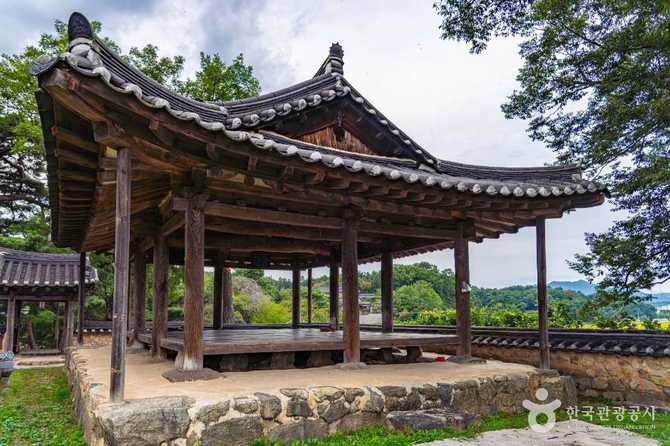
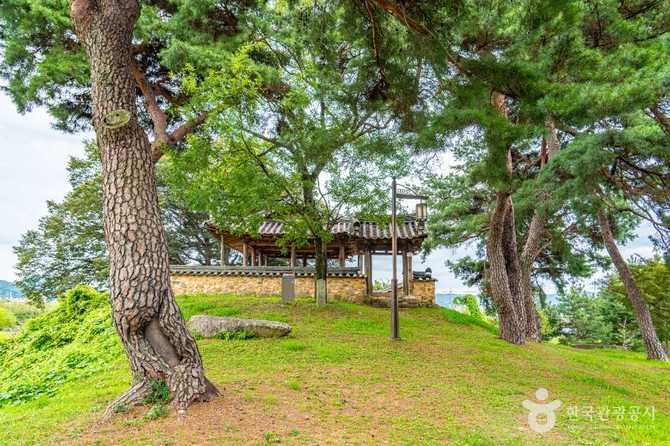
Sanggwijung is more than just a traditional pavilion; it embodies centuries of Korean history and architectural beauty. Built in 1496 during the reign of King Yeonsangun, it has been a symbol of filial piety and longevity, featuring a distinctive turtle-shaped rock that signifies these virtues. Restored in 1947, the pavilion is now a protected cultural heritage site, recognized as Gyeongsangbuk-do Tangible Cultural Heritage. Visitors can enjoy its serene surroundings, traditional design, and historical ambiance, making it a must-visit destination for those interested in Korea’s Joseon Dynasty architecture and cultural history.
At a glance
- Who this is for
-
- Travelers interested in Korean traditional architecture and history
- Culture and heritage enthusiasts exploring Gyeongsangbuk-do
- Researchers studying Joseon Dynasty structures
- Visitors seeking tranquil natural settings and scenic views
- Key takeaways
-
- Built in 1496 during the Joseon Dynasty, restored in 1947
- Located in Sangju-si, Gyeongsangbuk-do, within a historic village
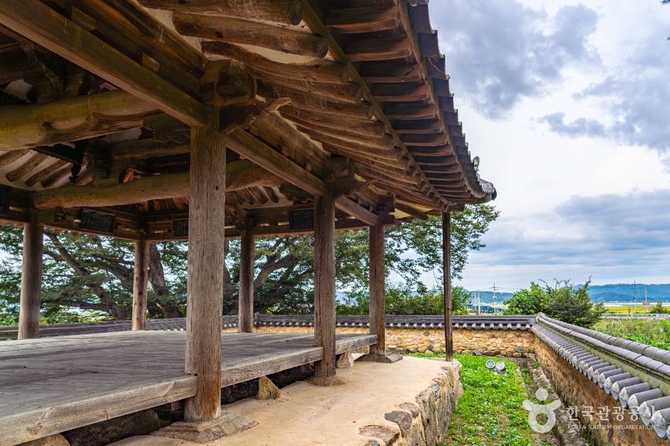
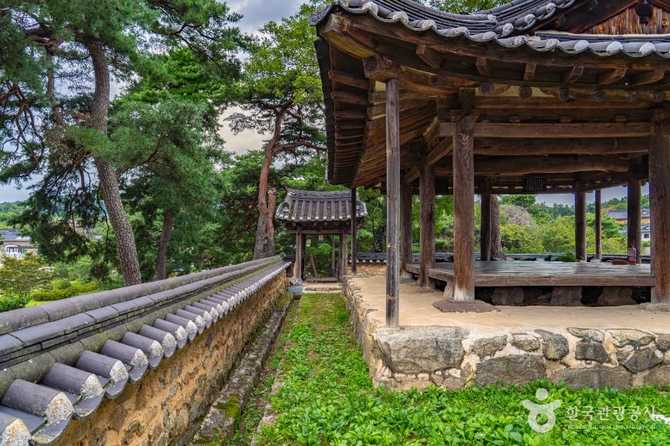
- Design emphasizes harmony with nature, open views of surroundings
- Designated as Gyeongsangbuk-do Tangible Cultural Heritage in 1985
- Free to visit year-round, with no admission fee
- Tips & cautions
-
- Visit anytime; open year-round, no restrictions
- Respect the natural environment and avoid littering
- Refrain from damaging or removing parts of the structure
- Enjoy the scenic views and take photographs responsibly
- Bottom line
- Experience Korea’s Joseon Dynasty architecture and cultural heritage at Sanggwijung, a historic pavilion that offers tranquility and historical insight.
Welcome to our detailed guide on Sanggwijung, a treasured cultural site nestled in Gyeongsangbuk-do, Korea. This historic pavilion, originally constructed in 1496, embodies the elegance and symbolism of traditional Korean architecture from the Joseon Dynasty era. As a designated cultural heritage site, Sanggwijung provides visitors with a rare opportunity to connect with Korea’s rich history and cultural traditions in a peaceful natural setting.
Whether you are a history enthusiast, a researcher, or a traveler seeking scenic beauty, Sanggwijung offers a meaningful experience. Its location within a traditional village setting enhances the authenticity of your visit, allowing you to step back in time and appreciate Korea’s architectural mastery and cultural values. The pavilion’s open structure and surrounding landscape make it an ideal spot for reflection, photography, and cultural appreciation, all free of charge. In this guide, you will find essential information about the site’s history, location, visiting tips, and cultural significance to help you make the most of your visit to Korea’s historical treasures.

Historical Background of Sanggwijung
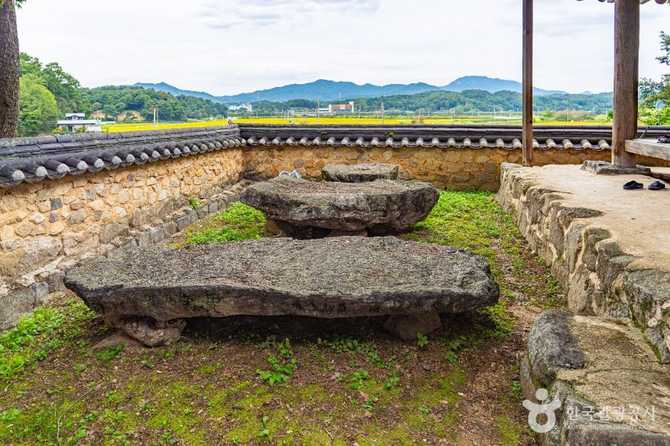
Sanggwijung is a historic pavilion that embodies Korea’s rich cultural heritage from the Joseon Dynasty era. Located in Gyeongsangbuk-do, South Korea, this traditional structure is renowned for its architectural elegance and symbolic significance. As a representative example of Joseon Dynasty architecture, Sanggwijung was originally constructed in 1496 during the reign of King Yeonsangun. It was built by officials including the notable scholar and civil servant Kim Young-su, who, along with his brothers, dedicated the pavilion to their mother’s health and longevity. The name “Sanggwijung” is derived from the turtle-shaped rocks that adorn the site, which symbolize long life and filial piety—a core virtue in Korean Confucian tradition. These turtle-shaped stones are not only decorative but also carry deep cultural symbolism, representing respect for ancestors and the importance of family bonds.
Over the centuries, Sanggwijung has been a cherished site for local residents and scholars who appreciate its historical and cultural significance. It served as a place for reflection, family gatherings, and traditional ceremonies. The pavilion’s structure emphasizes harmony with nature, featuring an open design that seamlessly blends with the surrounding landscape. In 1947, the pavilion was reconstructed to preserve its historical integrity, ensuring that future generations can experience its beauty and cultural importance firsthand. Recognized as a Gyeongsangbuk-do Tangible Cultural Heritage in 1985, Sanggwijung continues to be a vital part of Korea’s cultural landscape, symbolizing the enduring values of filial piety, longevity, and respect for tradition. Visiting Sanggwijung offers a unique opportunity to connect with Korea’s past and appreciate the timeless beauty of Joseon Dynasty architecture, making it a must-visit destination for cultural travelers and history enthusiasts alike.
Comparison of Key Facts about Sanggwijung
| Aspect | Details |
|---|---|
| Location | Gyeongsangbuk-do, Sangju-si, Pungsan-eup, Jipung-ro 1975-1 |
| Construction Year | 1496 (Joseon Dynasty, 2nd year of Yeonsangun) |
| Reconstruction | 1947, after damages and deterioration |
| Cultural Heritage Designation | Gyeongsangbuk-do Tangible Cultural Heritage (Designated on December 30, 1985) |
| Accessibility | Open year-round, free admission, no restrictions |
| Architectural Style | Traditional Joseon Dynasty pavilion with open, airy design |
| Symbolic Features | Turtle-shaped rocks symbolizing longevity and filial piety |
Visitor Checklist for Sanggwijung
- Check the opening hours: Sanggwijung is open year-round with no restrictions.
- Admission is free; no tickets are required for entry.
- Wear comfortable shoes suitable for walking around the pavilion and surrounding area.
- Bring a camera or smartphone to capture the scenic views and traditional architecture.
- Respect the natural environment—please dispose of trash properly and avoid damaging the structure.
- Visit during daylight hours for the best experience and photography opportunities.
- Take time to enjoy the tranquil surroundings and reflect on Korea’s historical heritage.
Cultural Heritage Designation and Preservation of Sanggwijung
- Heritage Status: Sanggwijung has been officially designated as a Gyeongsangbuk-do Tangible Cultural Heritage since December 30, 1985.
- Legal Protections: As a designated cultural asset, Sanggwijung benefits from legal protections that ensure its preservation and proper management by local authorities and cultural agencies.
- Restoration Efforts: The pavilion underwent reconstruction in 1947 to repair damages and restore its original architectural features, maintaining historical accuracy while adapting to modern preservation standards.
- Maintenance and Conservation: Ongoing maintenance is carried out to prevent deterioration caused by natural elements, ensuring the structural integrity and aesthetic value of Sanggwijung are preserved for future generations.
- Community and Cultural Engagement: Local communities and cultural organizations actively participate in preserving the site through educational programs, guided tours, and cultural events that highlight its historical significance.
Visitor Tips and Important Notices for Sanggwijung
- Visit during daylight hours to fully appreciate the natural lighting and scenic views surrounding Sanggwijung.
- Entry is free and open year-round; no reservation or tickets are required.
- Wear comfortable walking shoes suitable for uneven terrain and outdoor exploration.
- Bring a camera or smartphone to capture the picturesque landscape and traditional architecture.
- Respect the site by refraining from climbing on the structure or removing any parts of the pavilion.
- Ensure proper disposal of trash to help maintain the cleanliness and natural beauty of the area.
- Be mindful of other visitors and maintain a quiet, respectful atmosphere to enjoy the tranquility of the site.
- For the best experience, consider visiting early in the morning or late in the afternoon when the lighting is softer and the site is less crowded.
Whether you visit during the day or evening, Discover Sanggwijung is a meaningful stop on any Seoul itinerary for history-minded travelers.

Frequently Asked Questions (FAQ)
Q1: When was Sanggwijung originally built?
It was constructed in 1496 during the second year of King Yeonsangun’s reign in the Joseon Dynasty.
Q2: What is the historical significance of Sanggwijung?
Sanggwijung symbolizes filial piety and longevity, featuring turtle-shaped rocks that represent these virtues, and was built to honor a mother’s health and long life.
Q3: Is Sanggwijung open to visitors year-round?
Yes, Sanggwijung is open throughout the year with no restrictions, and admission is free.

Q4: Are there any entrance fees to visit Sanggwijung?
No, there are no entrance fees; it is freely accessible to all visitors at any time.
Q5: How can I best enjoy my visit to Sanggwijung?
Visit during daylight hours to enjoy the scenery and take photographs, wear comfortable shoes for walking, and respect the natural environment by avoiding littering or damaging the structure.
Q6: What protections does Sanggwijung have as a cultural heritage site?
Sanggwijung is designated as a Gyeongsangbuk-do Tangible Cultural Heritage, which ensures legal protections, preservation efforts, and ongoing maintenance by local authorities and cultural organizations.
Experience the Timeless Beauty of Sanggwijung: A Historic Joseon Dynasty Pavilion in Korea
Visiting Sanggwijung offers a rare opportunity to immerse yourself in Korea’s rich cultural heritage and admire the exquisite architecture of the Joseon Dynasty. This historic pavilion not only embodies traditional Korean design but also symbolizes enduring virtues such as filial piety and longevity through its symbolic turtle-shaped rocks. Whether you are a history enthusiast, a cultural explorer, or simply seeking a peaceful natural setting, Sanggwijung provides a meaningful and memorable experience. Its accessible location in Gyeongsangbuk-do and free admission make it an ideal destination for travelers of all ages. As you walk around this beautifully reconstructed structure, take in the serene surroundings and reflect on Korea’s long-standing traditions. Remember to respect the site by keeping it clean and avoiding any damage to the historic structure. Visiting Sanggwijung is an enriching journey into Korea’s past, offering both educational insights and tranquil scenery. Make sure to include this cultural treasure in your travel plans to fully appreciate Korea’s historical and architectural legacy. Discover the timeless beauty of Sanggwijung and enjoy a peaceful retreat into Korea’s glorious history.