
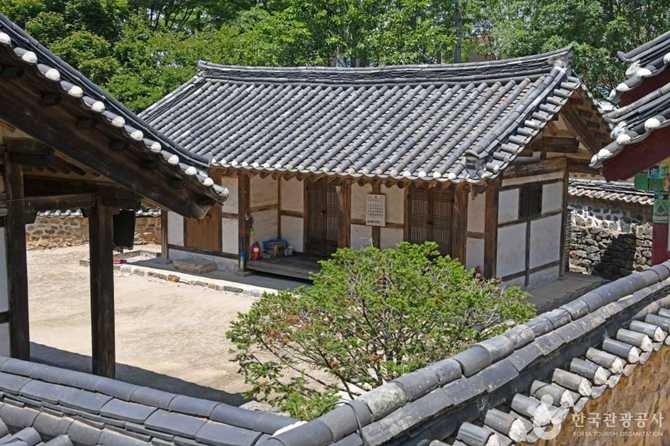
출처 : ⓒ한국관광콘텐츠랩 또는 ⓒ한국관광공사
Discover the Historic Juklim Seowon in Nonsan, Korea
Location 충청남도 논산시 금백로 20-8
Location 충청남도 논산시 금백로 20-8
Are you interested in exploring Korea’s rich cultural heritage and traditional Confucian sites? Visiting Juklim Seowon offers a unique opportunity to experience Korea’s historical architecture, learn about influential scholars, and immerse yourself in centuries-old Confucian traditions. Located in Nonsan, Chungcheongnam-do, Juklim Seowon is a significant cultural heritage site that reflects Korea’s scholarly past and architectural beauty.
Whether you are a history enthusiast, a student of Korean culture, or a traveler seeking authentic cultural experiences, Juklim Seowon provides a meaningful glimpse into Korea’s Joseon Dynasty era. As a designated cultural asset, it preserves the legacy of notable Confucian scholars such as Yi I, Seong Hyeon, and Kim Jang-saeng. Visiting this historic site allows you to appreciate traditional Korean architecture, understand Confucian values, and enjoy a peaceful environment surrounded by historical relics.
At a glance
- Who this is for
-
- Travelers interested in Korean history and culture
- Students and researchers of Confucianism and Korean architecture
- Anyone seeking authentic cultural heritage experiences in Nonsan
- Key takeaways
-
- Founded in 1626 during the Joseon Dynasty as Hwangsan Seowon
- Designated as Juklim Seowon in 1665 with royal recognition
- Houses memorial tablets of prominent scholars like Yi I and Seong Hyeon
- Restored in 1965 after temporary closure during the late 19th-century suppression
- Open year-round with free admission and accessible parking
- Tips & cautions
-
- Check for special event schedules or temporary closures before visiting
- Respect the cultural and historical significance during your visit
- Wear comfortable clothing suitable for walking and outdoor exploration
- Bottom line
- Juklim Seowon is a must-visit site to experience Korea’s Confucian scholarly tradition and traditional architecture firsthand.
Located at 20-8 Geumbaek-ro, Nonsan-si, Chungcheongnam-do, Juklim Seowon stands as a testament to Korea’s rich educational and cultural history. This historic Confucian academy was established in the early 17th century and has since been a site of reverence, scholarship, and cultural preservation. Visitors can walk through its traditional buildings, view memorial tablets of Korea’s renowned scholars, and learn about the philosophical foundations that shaped Korea’s societal values.
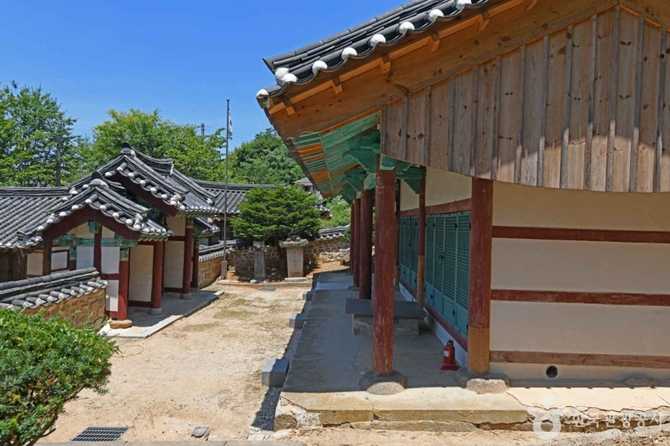
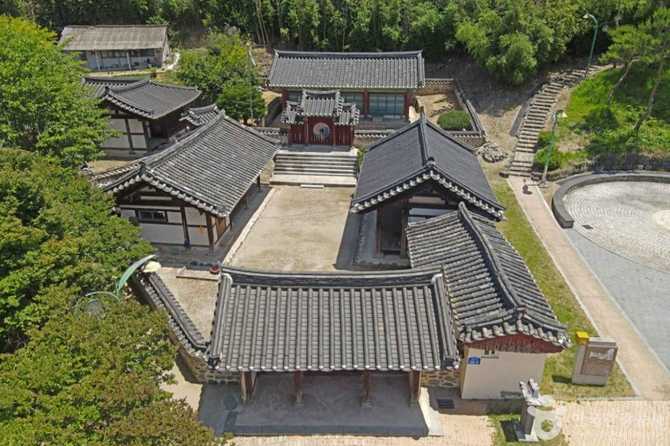
Juklim Seowon’s architecture exemplifies traditional Korean wooden construction, featuring iconic features such as the main hall, gate, and memorial shrine. Despite facing temporary closure during the late 19th-century suppression of Seowons, it was restored in 1965 and designated as a cultural heritage site. Today, it continues to serve as an educational and cultural venue open to the public, offering insights into Korea’s Confucian past and architectural excellence.

Juklim Seowon Overview and Historical Background
Juklim Seowon is a prominent historic Confucian academy located in Nonsan, Chungcheongnam-do, South Korea. As one of the most significant cultural heritage sites in the region, it embodies Korea’s rich scholarly tradition and architectural excellence. Established in 1626 during the Joseon Dynasty, Juklim Seowon was originally named Hwangsan Seowon and served as a place for Confucian learning, memorial rites, and scholarly gatherings. Over the centuries, it has played a vital role in preserving the intellectual legacy of Korea’s renowned Confucian scholars, including Yi I, Seong Hyeon, and Kim Jang-saeng.
The site’s history reflects the broader political and cultural shifts of Korea. It was officially designated as Juklim Seowon in 1665, receiving royal recognition and becoming a key educational institution of its time. Despite facing challenges such as the late 19th-century suppression of Seowons under the government’s policy to diminish Confucian influence, Juklim Seowon was restored in 1965 and has since been preserved as a cultural asset. Today, it stands as a testament to Korea’s dedication to maintaining its educational and philosophical heritage.
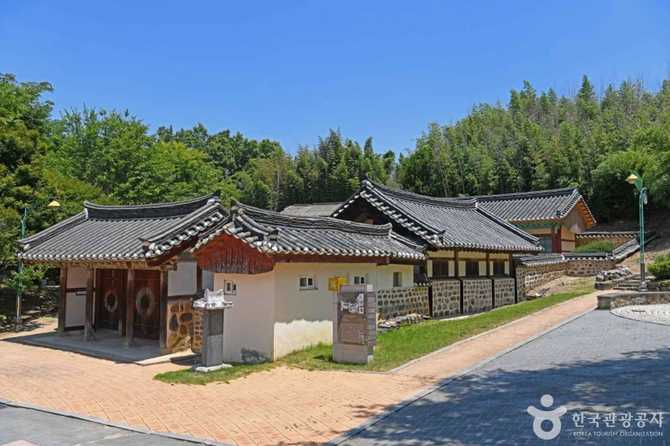
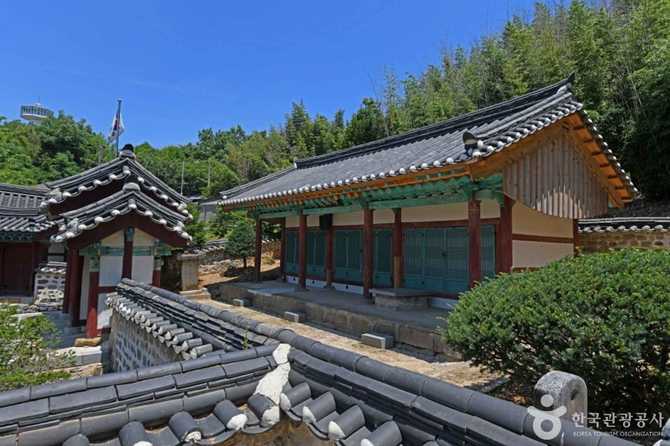
The architecture of Juklim Seowon exemplifies traditional Korean wooden construction, with features such as the main hall, gate, and memorial shrine, all reflecting the aesthetic principles of the Joseon era. The site’s layout promotes harmony with its natural surroundings, emphasizing simplicity, symmetry, and respect for nature—core tenets of Confucian philosophy. Visitors can explore the various buildings, view the memorial tablets of distinguished scholars, and learn about Korea’s Confucian values through informative displays and guided tours. As a designated cultural heritage site, Juklim Seowon continues to serve as an educational venue and a symbol of Korea’s scholarly past.
Comparison of Main Buildings and Cultural Heritage of Juklim Seowon
| Building / Structure | Description | Cultural Significance |
|---|---|---|
| Main Hall (Daegak) | The central building where Confucian rites and scholarly activities take place. It features traditional wooden architecture with a tiled roof and wooden beams. | Symbolizes the core of Confucian learning and the spiritual center of the Seowon. It houses memorial tablets of esteemed scholars. |
| Main Gate (Iljumun) | Traditional wooden gate serving as the entrance to the Seowon, often decorated with calligraphy and traditional motifs. | Represents the boundary between the secular world and the sacred space of learning and reflection. |
| Memorial Shrine (Seonbi Shrine) | A dedicated space for memorial tablets of Confucian scholars, reflecting respect and reverence for their contributions. | Serves as a focal point for ancestral rites and scholarly remembrance, emphasizing Korea’s reverence for Confucian virtues. |
| Outer Wall and Pavilions | Surrounding walls and pavilions that provide a tranquil environment for study and contemplation. | Enhance the harmony between architecture and nature, embodying Confucian ideals of modesty and harmony. |
Visitor Information and Access to Juklim Seowon
- Opening Hours: Open year-round, 24 hours a day, with no admission fee.
- Location: 20-8 Geumbaek-ro, Nonsan-si, Chungcheongnam-do, South Korea.
- Transportation: Accessible by car, with parking available on-site. Public transportation options include buses and taxis from Nonsan city center.
- Visitor Tips: Wear comfortable shoes for walking, and bring water and sun protection during summer visits.
- Accessibility: The site is wheelchair accessible, but some traditional buildings may have limited access.
Visitor Tip
Check the official website or contact local tourism information before your visit for any updates on special events or temporary closures. Respect the cultural heritage by maintaining a quiet and respectful demeanor during your exploration.
Important Tips & Visitor Guidelines for Juklim Seowon
| Tip / Guideline | Details |
|---|---|
| Check for Special Events | Before your visit, verify via the official website or contact the local tourism office for any scheduled cultural events, festivals, or temporary closures that may affect access. |
| Respect Cultural Heritage | Maintain a quiet demeanor, avoid loud noises, and refrain from touching or damaging the historic structures and artifacts. |
| Dress Appropriately | Wear comfortable clothing and shoes suitable for walking and outdoor exploration, especially during hot or rainy weather. |
| Photography Rules | Photograph the exterior and designated areas freely, but always follow the internal photography regulations to avoid disturbing the site or other visitors. |
| Environmental Care | Do not litter; use designated trash bins and help preserve the natural and cultural environment of Juklim Seowon. |
Visitor Checklist for Juklim Seowon
- Wear comfortable walking shoes suitable for uneven terrain.
- Bring water, sun protection, and weather-appropriate clothing.
- Carry a camera or smartphone for capturing the scenic and historic sites.
- Check the latest visitor information via the official website or contact number.
- Respect the site’s rules and avoid touching or climbing on structures.
- Maintain a respectful and quiet attitude to preserve the tranquil atmosphere.
- Ensure your personal belongings are safely stored and not left unattended.
- Plan your visit during daylight hours for optimal safety and experience.
- Consider arriving early or late in the day to avoid crowds and enjoy a peaceful visit.
- Use designated parking areas and consider public transportation options if available.
Whether you visit during the day or evening, Discover the Historic Juklim Seowon is a meaningful stop on any Seoul itinerary for history-minded travelers.
Frequently Asked Questions (FAQ)
Q1: When is Juklim Seowon open to visitors?
The Seowon is open year-round and accessible to visitors 24 hours a day. There are no specific closing days, allowing flexible visits at any time.
Q2: Is there an admission fee to visit Juklim Seowon?
No, admission to Juklim Seowon is free of charge. Visitors can explore the site without any entrance fee.

Q3: How can I get to Juklim Seowon?
The Seowon is located at 20-8 Geumbaek-ro, Nonsan-si, Chungcheongnam-do. It is accessible by car with on-site parking available. Public transportation options include buses and taxis from Nonsan city center.
Q4: Which historical figures are commemorated at Juklim Seowon?
The Seowon houses memorial tablets of prominent Confucian scholars such as Yi I, Seong Hyeon, and Kim Jang-saeng. These figures played significant roles in Korea’s scholarly and philosophical history.

Q5: Can I take photos inside Juklim Seowon?
Photography inside the Seowon is generally allowed, but visitors should follow specific regulations and avoid disturbing other guests. It is advisable to check the internal photography rules beforehand.
Q6: What should I do before visiting Juklim Seowon?
It is recommended to check the official website or contact local tourism information for updates on special events or temporary closures. Wearing respectful attire and maintaining a quiet demeanor are also advised during your visit.
Closing Remarks on Visiting Juklim Seowon in Nonsan
Visiting Juklim Seowon offers an enriching experience for anyone interested in Korea’s rich cultural heritage and traditional Confucian history. This historic site not only provides a glimpse into the educational and philosophical foundations of the Joseon Dynasty but also showcases beautiful traditional Korean architecture that has been carefully preserved and restored over the centuries. Whether you are a history enthusiast, a student of Korean culture, or simply a curious traveler, exploring Juklim Seowon allows you to connect with Korea’s scholarly past and appreciate the enduring significance of Confucian values in Korean society today.
Remember to plan your visit ahead of time by checking the latest information on opening hours, special events, and any accessibility considerations. The site is open year-round and free of charge, making it an accessible destination for all visitors. As you walk through the traditional buildings, take a moment to reflect on Korea’s historical dedication to education, virtue, and cultural preservation. Visiting Juklim Seowon is more than just sightseeing; it’s an opportunity to deepen your understanding of Korea’s cultural identity and to appreciate the timeless beauty of its heritage. Make sure to respect the site and enjoy a meaningful journey into Korea’s past, all within a peaceful and inspiring setting that continues to honor the legacy of Korea’s great scholars.