
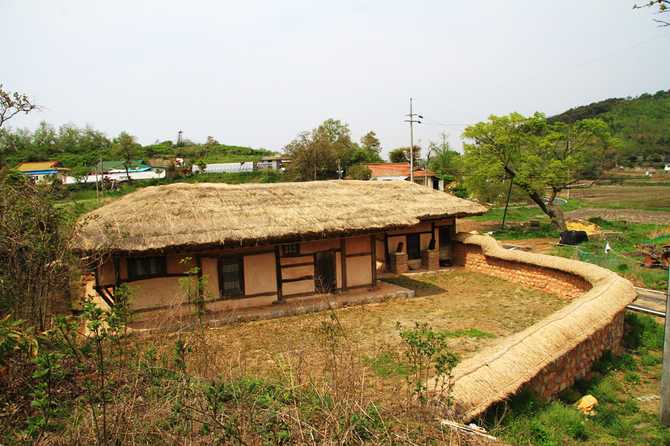
출처 : ⓒ한국관광콘텐츠랩 또는 ⓒ한국관광공사
Discover the Historic Hwaseong Jeongsuyoung Hanok: Korea’s Traditional Heritage
Location 경기도 화성시 서신면 오얏리길 56
Location 경기도 화성시 서신면 오얏리길 56
Are you interested in exploring Korea’s rich cultural heritage through authentic traditional hanok architecture? Visiting Hwaseong Jeongsuyoung Hanok offers a unique opportunity to experience the beauty and historical significance of Korea’s Joseon Dynasty rural homes. This well-preserved hanok provides a glimpse into Korea’s traditional lifestyle, architecture, and cultural values, making it a must-visit for history buffs, cultural enthusiasts, and travelers seeking authentic Korean experiences.
Located in Hwaseong City, Gyeonggi Province, the Jeongsuyoung Hanok is a designated National Folk Cultural Heritage site, reflecting Korea’s architectural ingenuity and rural life during the late 19th century. This hanok is notable for its traditional ‘ㄱ’-shaped main building, ‘ㅡ’-shaped annex, and ‘ㅁ’-shaped floor plan, embodying the typical features of Korean folk houses from the Joseon era. Visitors can freely explore this historic residence year-round, gaining insights into traditional Korean domestic architecture and rural living customs.
At a glance
- Who this is for
-
- Travelers interested in Korean traditional architecture and cultural heritage
- History and cultural studies scholars
- Tourists exploring Gyeonggi Province’s historic sites
- Anyone seeking authentic Korean rural lifestyle experiences
- Key takeaways
-
- Constructed in the late 1800s, representing Joseon-era rural homes
- Features traditional ‘ㄱ’-shaped main building, ‘ㅡ’-shaped annex, and ‘ㅁ’-shaped layout
- Designated as a National Folk Cultural Heritage site in 1984
- Open year-round, free of charge, with easy access and parking
- Offers educational insights into traditional Korean architecture and rural life
- Tips & cautions
-
- Visit as a respectful private property; follow proper etiquette
- Check official website or contact for special events or holiday closures
- Refrain from disturbing residents or damaging property
- Dispose of waste responsibly and preserve the natural environment
- Bottom line
- Hwaseong Jeongsuyoung Hanok is a valuable cultural asset that offers an authentic glimpse into Korea’s traditional rural architecture and lifestyle.
Hwaseong Jeongsuyoung Hanok, located in the scenic outskirts of Hwaseong City, Gyeonggi Province, is a beautifully preserved example of Korea’s traditional folk house architecture from the late 19th century. As a designated National Folk Cultural Heritage, this hanok embodies the architectural style, construction techniques, and rural living customs of the Joseon era. Visiting this site provides an immersive experience into Korea’s cultural history, making it an ideal destination for travelers, historians, and cultural enthusiasts alike.

The hanok’s distinctive ‘ㄱ’-shaped main building, complemented by a ‘ㅡ’-shaped annex and a ‘ㅁ’-shaped floor plan, reflects Korea’s traditional approach to maximizing space and functionality. Its preservation allows visitors to understand the practical design elements used by Korean farmers and rural families during that period. The site is open all year round, free of charge, and easily accessible, making it a perfect stop for those interested in Korea’s architectural heritage and rural history.
Historical Background of Hwaseong Jeongsuyoung Hanok
Hwaseong Jeongsuyoung Hanok is a significant example of Korea’s traditional rural architecture from the late 19th century. Located in Gyeonggi Province, this hanok offers visitors a unique glimpse into the lifestyle, construction techniques, and cultural values of Korea’s Joseon-era farmers. As a well-preserved historic house, it embodies the architectural principles and social customs of its time, making it an invaluable cultural asset for understanding Korea’s rural heritage.
Constructed around the late 1800s, the hanok was built by the Jeongsuyoung family, who were local farmers and community members. The house’s design reflects practical needs for family living, farming activities, and social interactions, with its distinctive ‘ㄱ’-shaped main building, ‘ㅡ’-shaped annex, and ‘ㅁ’-shaped layout. These architectural features are typical of Korean rural homes, emphasizing functionality, space efficiency, and harmony with the natural environment.
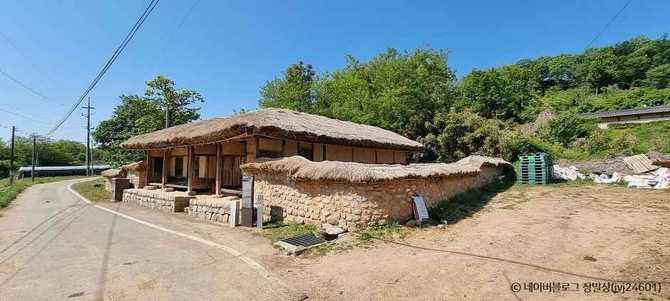
Throughout its history, the hanok has witnessed Korea’s social and economic changes, yet it has remained remarkably intact. Recognized as a National Folk Cultural Heritage in 1984, it is protected and preserved as a vital cultural resource. The site not only illustrates traditional building techniques, such as wooden framing and tiled roofing, but also reflects the agrarian lifestyle, family hierarchy, and community relationships of the period.
Today, Hwaseong Jeongsuyoung Hanok serves as an educational and cultural site, allowing visitors to connect with Korea’s rural past. Its preservation provides insight into the architectural ingenuity and social customs of the late Joseon Dynasty, making it a must-visit destination for those interested in Korea’s history, architecture, and rural culture.

Comparison of Architectural Features of Hwaseong Jeongsuyoung Hanok
| Feature | Details | Remarks |
|---|---|---|
| Main Building (안채) | ‘ㄱ’-shaped structure, used for family living and central activities | Focus on family cohesion and practical space use |
| Annex (사랑채) | ‘ㅡ’-shaped, often used for guest reception and family gatherings | Serves social functions, separate from daily family space |
| Servant’s quarters or storage (행랑채) | Adjacent space for work, storage, or housing servants | Practical and utilitarian, reflecting rural household needs |
| Floor plan | Traditional ‘ㅁ’-shaped layout, maximizing space and functionality | Efficient use of land, suitable for farming households |
This comparison highlights how Hwaseong Jeongsuyoung Hanok’s architectural features are tailored to the practical and social needs of rural families during Korea’s Joseon period. The design emphasizes family-centered living, social hospitality, and utilitarian functions, all while maintaining harmony with the natural environment.
Visitor Information and Access to Hwaseong Jeongsuyoung Hanok
- Opening Hours: Open year-round, 24 hours. Visitors can explore the hanok at any time, as it is a public cultural site.
- Admission: Free of charge. No ticket purchase is required for entry.
- Location: 56 O-yat-ri-gil, Seosin-myeon, Hwaseong-si, Gyeonggi Province, South Korea.
- Contact: Phone: 031-369-2643 for inquiries about visiting hours, events, or special programs.
- Parking: Free parking facilities are available on-site, making it convenient for visitors arriving by car.
- Accessibility: The site is accessible to most visitors; however, some areas may have uneven terrain typical of traditional hanok sites.
Visitor Checklist for Hwaseong Jeongsuyoung Hanok
- Wear comfortable shoes suitable for walking on traditional uneven paths.
- Respect the privacy and property of the site; do not enter restricted areas.
- Take photos without disturbing other visitors or residents.
- Dispose of trash responsibly in designated bins.
- Follow any additional guidelines provided on-site or via official communication channels.
Cultural Significance and Heritage Value of Hwaseong Jeongsuyoung Hanok
Heritage and Cultural Importance
- Preservation of Traditional Architecture: Hwaseong Jeongsuyoung Hanok maintains the original ‘ㄱ’-shaped main building, ‘ㅡ’-shaped annex, and ‘ㅁ’-shaped floor plan, exemplifying Korea’s traditional rural housing design. This meticulous preservation offers invaluable insights into late Joseon Dynasty construction techniques and architectural aesthetics.
- Representation of Rural Life: The hanok vividly illustrates the social and family structures of Korea’s agrarian society in the 19th century. Its spatial layout reflects practical needs for farming families, including communal living, social hospitality, and work-related spaces, embodying the lifestyle and values of the period.
- Designated Cultural Heritage: Recognized as a National Folk Cultural Heritage since 1984, the site is protected by law, ensuring its conservation for future generations. This designation underscores its significance as a tangible link to Korea’s rural history and architectural tradition.
- Educational and Cultural Resource: The hanok serves as a living museum, providing educational opportunities for visitors, students, and researchers to learn about traditional Korean construction, rural customs, and social organization. It also functions as a venue for cultural events and programs that promote awareness of Korea’s heritage.
- Community and Regional Identity: As a symbol of Hwaseong’s historical landscape, the hanok fosters regional pride and cultural identity. It plays a vital role in local tourism, attracting visitors interested in Korea’s traditional architecture and rural history.
Practical Visitor Tips for Hwaseong Jeongsuyoung Hanok
- Wear comfortable shoes suitable for walking on uneven, traditional paths around the hanok.
- Respect the property and privacy of the site; do not enter restricted areas or touch fragile structures.
- Take photographs considerately, ensuring not to disturb residents or other visitors.
- Dispose of trash responsibly by using designated bins to help preserve the natural environment.
- Check the official website or contact the management beforehand for any scheduled events, renovations, or holiday closures.
- Follow all posted guidelines and instructions provided on-site to ensure a safe and respectful visit.
- Refrain from loud noises or disruptive behavior to maintain the peaceful atmosphere of the cultural site.
- Plan your visit during daylight hours for the best experience and safety.
- Consider visiting with a guide or joining a cultural program to deepen your understanding of Korea’s traditional architecture and rural life.
Whether you visit during the day or evening, Discover the Historic Hwaseong Jeongsuyo is a meaningful stop on any Seoul itinerary for history-minded travelers.
Frequently Asked Questions (FAQ)
Q1: When was Hwaseong Jeongsuyoung Hanok built?
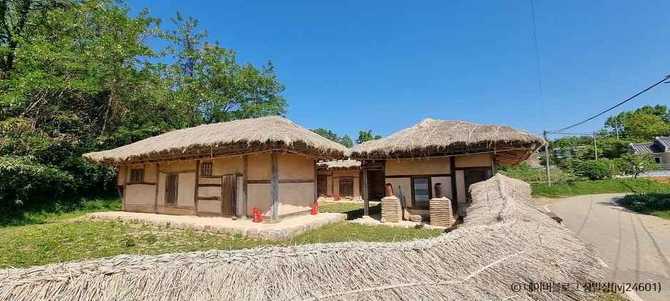
An: Hwaseong Jeongsuyoung Hanok was constructed in the late 1800s during the Joseon Dynasty, serving as a traditional rural home for farming families in the region.
Q2: What are the main architectural features of Hwaseong Jeongsuyoung Hanok?
An: The hanok features a ‘ㄱ’-shaped main building, a ‘ㅡ’-shaped annex, and a ‘ㅁ’-shaped floor plan, reflecting traditional Korean rural house design focused on functionality and family living.

Q3: Is Hwaseong Jeongsuyoung Hanok open to the public year-round?
An: Yes, the hanok is open to visitors throughout the year, 24 hours a day, free of charge, as it is designated as a public cultural heritage site.
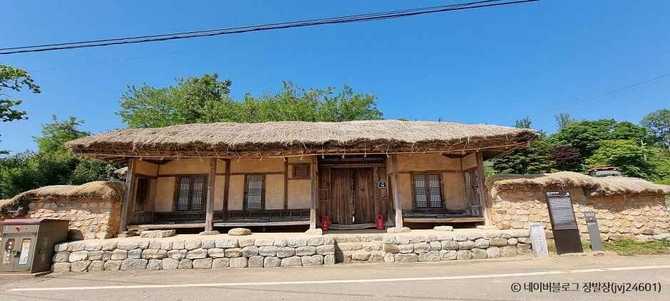
Q4: How can I get to Hwaseong Jeongsuyoung Hanok?
An: The hanok is located at 56 O-yat-ri-gil, Seosin-myeon, Hwaseong-si, Gyeonggi Province, South Korea. It is accessible by car with free parking available on-site.
Q5: Are there any restrictions or guidelines for visiting Hwaseong Jeongsuyoung Hanok?

An: Visitors should respect the property, avoid entering restricted areas, and follow etiquette guidelines. Photography should be done considerately, and waste must be disposed of responsibly.
Q6: Why is Hwaseong Jeongsuyoung Hanok considered a cultural heritage?
An: It preserves traditional Korean rural architecture from the late 19th century, illustrating the lifestyle and construction techniques of Joseon-era farming communities, and is designated as a National Folk Cultural Heritage site.
Discover the Charm of Hwaseong Jeongsuyoung Hanok: Korea’s Traditional Heritage
Visiting Hwaseong Jeongsuyoung Hanok offers a rare opportunity to immerse yourself in Korea’s rich cultural history through authentic traditional architecture. As a well-preserved example of late 19th-century rural homes, this hanok provides a tangible connection to Korea’s Joseon Dynasty lifestyle, construction techniques, and social customs. Whether you are a history enthusiast, a cultural researcher, or a traveler eager to experience Korea’s traditional way of life, this site is a must-visit destination.
The hanok’s distinctive ‘ㄱ’-shaped main building, complemented by the ‘ㅡ’-shaped annex and the ‘ㅁ’-shaped floor plan, exemplifies Korea’s traditional rural architecture. Its designation as a National Folk Cultural Heritage in 1984 underscores its importance and the need for preservation. Visitors can explore this historic site freely throughout the year, gaining insights into the architecture, family life, and community practices of Korea’s past. Located in Hwaseong City, Gyeonggi Province, the site is easily accessible with free parking and no entry fee, making it an ideal destination for those seeking an authentic cultural experience.
By visiting Hwaseong Jeongsuyoung Hanok, you not only witness a beautiful example of traditional Korean architecture but also contribute to the appreciation and preservation of Korea’s cultural heritage. This site serves as an educational resource, a window into Korea’s rural history, and a symbol of regional pride. Remember to visit with respect, follow the etiquette guidelines, and enjoy the serene beauty and historical depth that this remarkable hanok has to offer. Your journey into Korea’s past will undoubtedly be enriching and memorable, providing a deeper understanding of the country’s cultural identity and architectural ingenuity.