
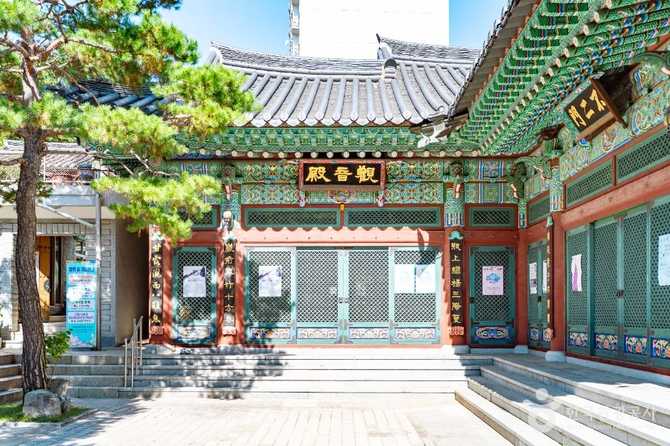
출처 : ⓒ한국관광콘텐츠랩 또는 ⓒ한국관광공사
Discover Mita Temple in Seongbuk: A Historic Buddhist Site in Korea
Location 서울특별시 성북구 보문사길 6-16 (보문동3가)
Location 서울특별시 성북구 보문사길 6-16 (보문동3가)
Are you interested in exploring Korea’s rich cultural heritage and traditional temples? Mita Temple in Seongbuk offers a unique glimpse into Korea’s ancient Buddhist history, architecture, and spiritual practices. Located in the vibrant Seoul district of Seongbuk, this historic temple is a must-visit for travelers seeking authentic cultural experiences and historical insights.
Whether you’re passionate about traditional Korean architecture, religious history, or scenic temple landscapes, Mita Temple provides a peaceful retreat amid Seoul’s bustling city life. Its origins date back over a millennium, with significant restoration efforts that preserve its cultural significance today. Visiting Mita Temple allows you to immerse yourself in Korea’s spiritual traditions, admire ancient stone pagodas, and enjoy tranquil temple grounds.
This guide offers detailed information about Mita Temple’s history, key features, visiting hours, and tips to enhance your experience. From its founding in 950 AD to its architectural highlights from the Joseon Dynasty, you’ll learn why this temple remains a vital cultural heritage site. Planning your trip is easier with practical advice on transportation, facilities, and nearby attractions. Discover the beauty and history of Mita Temple in Seongbuk, one of Seoul’s treasured religious sites.
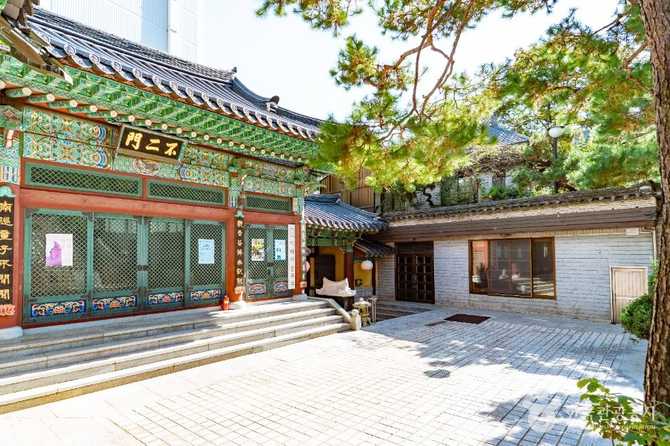
At a glance
- Who this is for
-
- Travelers interested in Korean history and culture
- Visitors seeking traditional Buddhist temple experiences
- History and architecture enthusiasts
- Tourists exploring Seongbuk district
- Key takeaways
-
- Founded in 950 AD, with historical reconstructions in 131 years ago
- Features ancient stone pagodas from Joseon and Goryeo periods
- Open daily from 9 AM to 6 PM, free admission, year-round
- Accessible via public transportation; limited parking available
- Highlights include Seoktap (stone pagoda) and Danhagang (main hall)
- Tips & cautions
-
- Use public transport due to limited parking space
- Check weather and traffic before visiting
- Maintain respectful silence and decorum inside the temple grounds
- Avoid disruptive photography to preserve the site’s integrity
- Bottom line
- Seongbuk’s Mita Temple offers an authentic and immersive experience into Korea’s Buddhist heritage and traditional architecture.
Seongbuk District in Seoul is home to Mita Temple, a historic Buddhist sanctuary with over a millennium of history. Established in 950 AD by the monk Hyeguk, Mita Temple has witnessed numerous restorations, especially during the Joseon Dynasty, reflecting Korea’s rich spiritual and architectural legacy. The temple’s name is associated with Mita Buddha, emphasizing its religious significance.
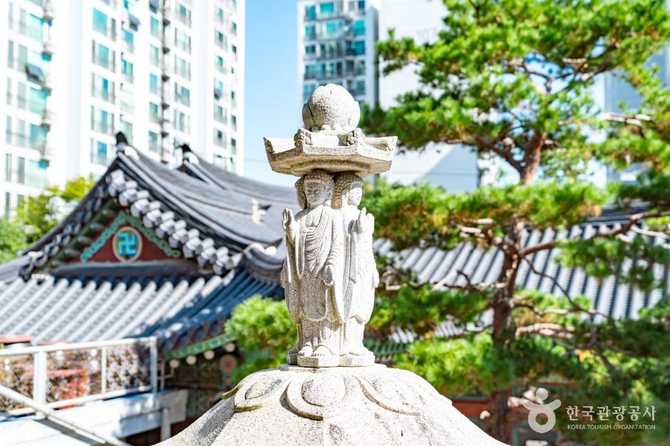
Visitors to Mita Temple can explore its ancient stone pagodas, including the notable six-story Seoktap, which showcases a blend of Goryeo and Joseon architectural styles. The temple’s structures, such as the Danhagang (main hall) and the stone pagoda on the hillside, are designated cultural assets that exemplify Korea’s traditional craftsmanship. The site’s historical importance is further highlighted by the reconstruction efforts led by the monk Heguk and Queen Jeongsun during the 14th century.
Today, Mita Temple remains an active place of worship and cultural heritage, open to the public year-round. Its tranquil grounds provide a peaceful environment for reflection and appreciation of Korea’s religious traditions. Whether you are a history buff, a lover of traditional architecture, or a spiritual seeker, Mita Temple in Seongbuk offers a meaningful experience that connects you with Korea’s ancient past.
Overview of Mita Temple in Seongbuk
Mita Temple in Seongbuk is a historic Buddhist temple that embodies Korea’s rich religious and cultural heritage. Established in 950 AD, this revered site has witnessed over a millennium of spiritual practice, architectural evolution, and historical events. As one of Seoul’s most significant traditional temples, Mita Temple offers visitors a unique opportunity to explore Korea’s ancient Buddhist traditions, traditional architecture, and cultural artifacts. The temple’s name is associated with Mita Buddha, emphasizing its spiritual significance and connection to Buddhist teachings. Its strategic location within Seongbuk District makes it accessible for travelers interested in Korea’s religious history and cultural landmarks.
Throughout its long history, Mita Temple has undergone numerous reconstructions and restorations, especially during the Joseon Dynasty, reflecting Korea’s dedication to preserving its spiritual sites. The temple complex features notable structures such as the six-story stone pagoda (Seoktap), which blends Goryeo and Joseon architectural styles, and the Danhagang, the main hall where religious ceremonies are held. These structures are designated cultural assets and serve as testimonies to Korea’s traditional craftsmanship. The site’s historical significance is further highlighted by the presence of ancient relics, stone carvings, and inscriptions that narrate the temple’s storied past.
Today, Mita Temple remains an active place of worship and cultural preservation, welcoming visitors year-round. Its tranquil grounds provide a peaceful environment for reflection, meditation, and appreciation of Korea’s spiritual traditions. Whether you are a history enthusiast, an architecture lover, or a spiritual seeker, exploring Mita Temple offers a meaningful connection to Korea’s ancient past. Its combination of historical relics, traditional architecture, and serene natural surroundings makes it a must-visit destination for those interested in Korea’s religious and cultural heritage.

Comparison of Key Structures at Mita Temple
| Structure | Description | Historical Period | Notable Features |
|---|---|---|---|
| Six-Story Stone Pagoda (Seoktap) | An iconic stone pagoda with six tiers, blending Goryeo and Joseon styles. | Goryeo-Joseon transitional period | Tall, intricate carvings, symbolic of Buddhist cosmology |
| Main Hall (Danhagang) | The primary worship space, housing statues and religious artifacts. | Joseon Dynasty | Traditional wooden construction, elegant eaves, serene interior |
| Stone Carvings and Inscriptions | Various stone carvings depicting Buddhist symbols and historical inscriptions. | Various, mainly Goryeo and Joseon periods | Artistic stonework, historical inscriptions, cultural relics |
Visitor Information and Practical Tips for Visiting Mita Temple
- Opening Hours: Open daily from 9:00 AM to 6:00 PM. No holiday closures, allowing flexible visit times.
- Admission Fee: Free. Visitors can explore the entire temple complex without any charge.
- Transportation: Public transport is highly recommended due to limited parking. Accessible via Seoul subway and bus routes.
- Facilities: Restrooms are available within the temple grounds. Information centers may provide maps and guidance.
- Accessibility Tips: Wear comfortable shoes suitable for walking on uneven paths. Be mindful of temple customs and dress modestly.
Travel Tip:
To maximize your visit, check the weather forecast and public transportation schedules beforehand. Arriving early in the morning or late afternoon can offer a quieter experience and better photo opportunities.
Caution:
Parking is limited around the temple, so plan to use public transportation. Also, respect the sacred environment by maintaining silence and refraining from disruptive photography inside the main halls.
Nearby Attractions and Activities Around Mita Temple
- Explore Seongbuk’s Natural Scenery: Take a leisurely walk along the scenic trails and hillside paths surrounding Mita Temple. The area offers beautiful views of Seoul’s cityscape blended with lush greenery, perfect for nature lovers and photographers.
- Visit Other Cultural Heritage Sites: Discover additional historical sites within Seongbuk District, such as the Korea Furniture Museum, which showcases traditional Korean furniture and architecture. These sites provide deeper insights into Korea’s cultural history.
- Enjoy Local Cafes and Traditional Restaurants: Relax at nearby cafes that serve Korean teas and traditional snacks, or dine at local restaurants offering authentic Korean cuisine. It’s an excellent way to experience local flavors after your temple visit.
- Stroll in Local Parks and Green Spaces: Head to nearby parks like Seongbuk Park or the surrounding green areas for a peaceful retreat. These spots are ideal for picnics, reading, or simply unwinding amidst nature.
- Participate in Cultural Events or Traditional Programs: Check local event calendars for seasonal festivals, temple stay programs, or cultural workshops that may be available during your visit. Engaging in these activities enriches your cultural understanding of Korea.
Recommended Activities and Tips for Visiting Mita Temple
- Plan your visit during early morning or late afternoon for a more tranquil experience and better photo opportunities.
- Use public transportation such as subway or bus to reach the temple, as parking is limited.
- Wear comfortable shoes suitable for walking on uneven or stone paths within the temple grounds.
- Respect the sacred atmosphere by maintaining silence and refraining from disruptive photography inside the main halls.
- Check the weather forecast and transportation schedules beforehand to ensure smooth travel plans.
- Visit the nearby cultural sites or enjoy local cuisine to make your trip more memorable.
Whether you visit during the day or evening, Discover Mita Temple in Seongbuk is a meaningful stop on any Seoul itinerary for history-minded travelers.
Frequently Asked Questions (FAQ)
Q1: When was Mita Temple in Seongbuk founded?
It was established in 950 AD by the monk Hyeguk, making it over a thousand years old. The temple has undergone multiple restorations, especially during the Joseon Dynasty.
Q2: What are the main architectural features of Mita Temple?
The temple features a six-story stone pagoda (Seoktap) that combines Goryeo and Joseon styles, along with the main hall (Danhagang) built with traditional wooden architecture. Stone carvings and inscriptions are also prominent relics.
Q3: What are the visiting hours for Mita Temple?
The temple is open daily from 9:00 AM to 6:00 PM. It is accessible all year round, with no holiday closures, making it convenient for visitors at any time during operating hours.

Q4: Is there an entrance fee for Mita Temple?
No, admission to Mita Temple is free. Visitors can explore the entire temple complex without paying any fees.
Q5: How can I get to Mita Temple using public transportation?
The temple is easily accessible via Seoul’s subway and bus routes. Due to limited parking, public transportation is recommended for convenience and ease of access.
Q6: What should visitors keep in mind when visiting Mita Temple?
Visitors should dress modestly and maintain respectful silence inside the temple grounds. It is also advised to check the weather and transportation schedules beforehand to ensure a smooth visit.
Experience the Rich Heritage of Mita Temple in Seongbuk
Visiting Mita Temple in Seongbuk offers a unique opportunity to immerse yourself in Korea’s ancient religious traditions and cultural history. As one of Seoul’s most historically significant Buddhist sites, it provides a peaceful retreat where visitors can appreciate traditional architecture, ancient stone pagodas, and serene temple grounds. The temple’s long history, dating back over a millennium, is reflected in its well-preserved structures and relics that tell stories of Korea’s spiritual and artistic heritage. Whether you are a history enthusiast, architecture lover, or spiritual seeker, exploring Mita Temple allows you to connect with Korea’s rich cultural roots. Its strategic location in Seongbuk ensures accessibility, making it an ideal destination for those interested in Korea’s religious and cultural landscape. The combination of historical relics, tranquil natural surroundings, and traditional craftsmanship makes a visit here both enriching and memorable. Take your time to explore this sacred site and discover the timeless beauty of Korea’s spiritual architecture.
Remember to plan your visit with practical tips in mind—use public transportation to avoid parking challenges, and arrive early or late in the day for a quieter experience. Respect the sacred environment by maintaining decorum during your visit, and take the opportunity to enjoy nearby attractions or scenic walks in Seongbuk District. A trip to Mita Temple in Seongbuk not only deepens your understanding of Korea’s religious history but also offers a tranquil space for reflection and cultural appreciation. Whether for a brief sightseeing stop or a more contemplative visit, this historic Buddhist temple promises an authentic glimpse into Korea’s spiritual and architectural legacy, leaving a lasting impression on all who explore its grounds. Plan your visit well, and enjoy the profound serenity and historical richness that Mita Temple in Seongbuk has to offer.