
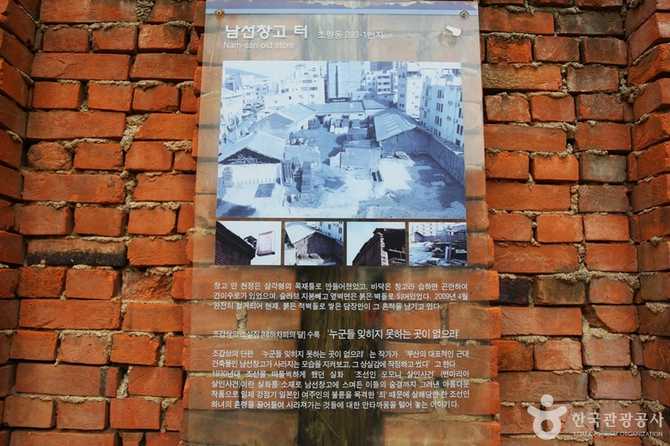
출처 : ⓒ한국관광콘텐츠랩 또는 ⓒ한국관광공사
Discover the Historical Significance of Namsun Warehouse Site in Busan
Location 부산광역시 동구 초량로13번길 53 (초량동)
Location 부산광역시 동구 초량로13번길 53 (초량동)
Are you interested in exploring Korea’s industrial heritage? Visiting the Namsun Warehouse Site in Busan offers a unique glimpse into the city’s modern logistics history and cultural evolution.
At a glance
- Who this is for
-
- Travelers interested in Busan’s history and culture
- Researchers studying Korea’s industrial development
- Tourists exploring local cultural heritage sites
- Key takeaways
-
- The Namsun Warehouse Site was established in 1900 as Busan’s first modern logistics warehouse.
- It played a vital role in transporting goods between Busan and Seoul, utilizing innovative refrigeration techniques without cold storage.
- Originally called Bukseon Warehouse, it was also known for storing fish products before WWII.
- In 2009, the structure was demolished, leaving only the red brick walls, now recognized as cultural heritage.
- Today, it is a free, open-air cultural site in Dong-gu, Busan, accessible year-round.
- Tips & cautions
-
- Public transportation is recommended as parking is unavailable.
- Visit during daylight hours; interior access is restricted.
- Check the latest updates from the Dong-gu Cultural Tourism Office before visiting.
- Bottom line
- Visiting the Namsun Warehouse Site offers a meaningful connection to Busan’s industrial past and cultural heritage.
Located in the historic Choryang-dong area of Busan, the Namsun Warehouse Site stands as a testament to Korea’s rapid modernization during the early 20th century. Established in 1900, it was the first modern logistics warehouse in Busan, serving as a crucial hub for goods transported between Busan and Seoul. Known initially as Bukseon Warehouse, it was integral to the region’s fishery industry, especially for storing and shipping salted fish and other perishable products before refrigeration technology was widely adopted.
Over the decades, the warehouse’s role expanded beyond fisheries, accommodating various industries such as chemical and electronic goods, reflecting the city’s growing industrial economy. Despite its demolition in 2009, the site’s remaining brick walls have been preserved as a cultural heritage site, symbolizing Busan’s industrial roots. Today, the site is open to the public at no cost, offering visitors a chance to walk around and reflect on Korea’s modern development story.
If you’re eager to understand how Busan evolved into a major port city, exploring the Namsun Warehouse Site is highly recommended. It provides a tangible link to Korea’s past, illustrating the innovative logistics methods used before the advent of refrigerated storage. Whether you’re a history enthusiast, a researcher, or a curious traveler, this site offers valuable insights into Korea’s journey through modernization and economic growth.
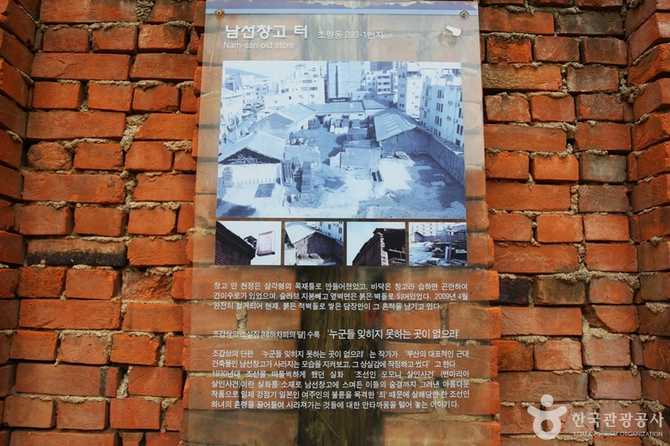
In addition to the warehouse site, the surrounding Choryang-dong area is rich with other historical sites, museums, and cultural attractions. Easy access via public transportation makes it a convenient stop for those exploring Busan’s industrial heritage. Remember to check local visitor information before your trip to ensure an enjoyable and informed visit.
Overview of the Namsun Warehouse Site in Busan
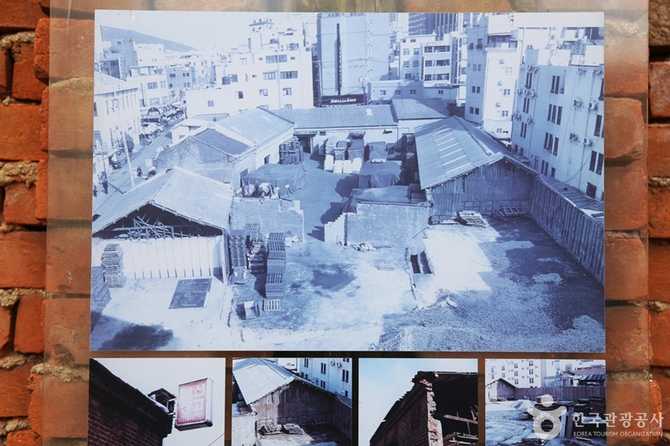
The Namsun Warehouse Site in Busan is a vital piece of Korea’s modern industrial heritage. Established in 1900, this historic site was the first modern logistics warehouse in the city, playing an essential role in facilitating trade and transportation between Busan and Seoul. As a prominent symbol of Korea’s rapid modernization during the early 20th century, the site offers visitors a tangible connection to the country’s industrial evolution. Today, the remaining red brick walls serve as a cultural heritage site, attracting tourists, researchers, and history enthusiasts alike.
Originally called Bukseon Warehouse, the site was instrumental in storing and shipping perishable goods, especially seafood, before refrigeration technology became widespread. The warehouse utilized innovative techniques such as water-cooling and natural refrigeration by leveraging nearby waterways, which allowed goods to be kept cool without modern cold storage facilities. Over the decades, the warehouse’s function expanded to include storing chemical products, electronics, and other industrial goods, reflecting the growth of Busan’s industrial economy.
Despite its demolition in 2009, the site’s iconic brick walls have been preserved as a cultural heritage landmark. Today, it is an open-air site managed by the local government and is freely accessible to visitors year-round. The site’s significance lies not only in its role in Korea’s logistics history but also in its representation of the country’s early modernization efforts. Visiting the Namsun Warehouse Site provides a meaningful insight into Korea’s industrial past and the technological innovations that supported economic growth. As a cultural and historical landmark, it continues to educate and inspire those interested in Korea’s development story, making it a must-visit destination for travelers exploring Busan’s rich heritage.
Comparison of Visiting Details at Namsun Warehouse Site
| Aspect | Details |
|---|---|
| Location | 53, Choryang-ro 13beon-gil, Dong-gu, Busan |
| Operating Hours | Open year-round, 24 hours; no specific opening hours |
| Admission Fee | Free of charge |
| Accessibility | No parking available; public transportation recommended |
| Indoor Facilities | Limited; only exterior viewing of the historic walls |
| Restoration Status | Walls preserved; interior not restored |
| Additional Notes | Check latest updates via the Dong-gu Cultural Tourism Office before visiting |
Visitor Checklist and Tips for Exploring Namsun Warehouse Site
- Transportation: Use public transportation such as buses or subway; parking is unavailable nearby.
- Timing: Visit during daylight hours; the site is open 24 hours but best experienced in daylight.
- Footwear: Wear comfortable shoes suitable for walking around outdoor historic ruins.
- Interior Access: Be aware that interior access is restricted; focus on exterior views and preserved walls.
- Information: Before visiting, contact the Dong-gu Cultural Tourism Office at 051-440-4064 or visit the official website for the latest updates.
Nearby Attractions and Cultural Connections in Busan
After exploring the historic Namsun Warehouse Site, visitors can enjoy a variety of nearby attractions that showcase Busan’s rich industrial heritage and vibrant culture. The surrounding Choryang-dong area is a hub of historical sites, museums, and scenic streets that offer a deeper understanding of Korea’s modernization journey. Combining these sites provides a comprehensive cultural experience, making your visit to Busan both educational and enjoyable.
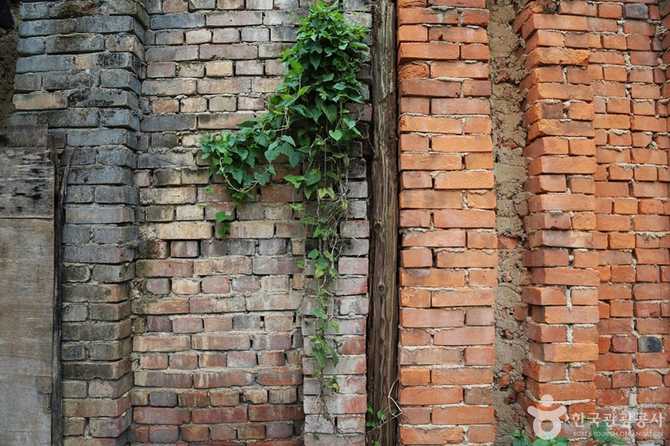
| Attraction | Highlights | Distance from Namsun Warehouse |
|---|---|---|
| Busan Modern History Museum | Exhibits on Busan’s industrialization, modern history, and urban development | Approx. 1 km, about a 10-minute walk |
| Choryang Ibagu-gil Street | Historic street with cafes, shops, and murals reflecting local culture | Within walking distance, approximately 0.5 km |
| Busan Port International Passenger Terminal | Gateway to international cruises, panoramic views of the port | Approximately 2 km, accessible by public transport |
| Busan Station & Metro Lines | Convenient access to other parts of Busan and beyond, including Haeundae and Gamcheon Culture Village | Nearby, about 1 km from Namsun Warehouse |
Visitor Checklist and Tips for Exploring Namsun Warehouse Site
- Transportation: Use public transportation such as buses or subway; parking is not available nearby. Check routes to Choryang Station or Busan Station for easy access.
- Timing: The site is open year-round, 24 hours, but visiting during daylight hours enhances safety and visibility of outdoor ruins.
- Footwear: Wear comfortable walking shoes suitable for outdoor exploration of historic ruins and uneven surfaces.
- Interior Access: Keep in mind that interior access is restricted; focus on exterior views and preserved brick walls.
- Latest Updates: Before your visit, contact the Dong-gu Cultural Tourism Office at 051-440-4064 or visit the official website to confirm current opening conditions and any special notices.
- Weather Considerations: Avoid visiting during heavy rain or storms, as outdoor conditions may be unsafe or less enjoyable.
- Additional Tips: Consider pairing your visit with nearby attractions like the Busan Modern History Museum or strolling along Choryang Ibagu-gil street for a richer cultural experience.
Whether you visit during the day or evening, Discover the Historical Significance of is a meaningful stop on any Seoul itinerary for history-minded travelers.
Frequently Asked Questions (FAQ)
Q1: When can I visit the Namsun Warehouse Site in Busan?
The Namsun Warehouse Site is open year-round and can be visited at any time, 24 hours a day, as it is an outdoor historic site without specific opening hours.
Q2: Is there an entrance fee to visit the Namsun Warehouse Site?
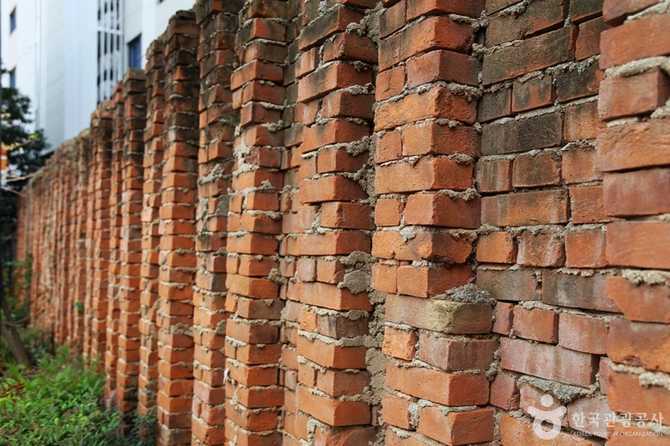
No, the site is free to visit. Visitors can freely explore the outdoor historic walls without any admission charge.
Q3: Can I go inside the warehouse or access the interior of the site?
Currently, interior access is restricted. Visitors can only view the exterior walls and the preserved brick structures, as the interior facilities are not open to the public.
Q4: Is parking available at the Namsun Warehouse Site?
No, there is no designated parking area at the site. It is recommended to use public transportation such as buses or the subway for easier access.
Q5: How can I get to the Namsun Warehouse Site using public transportation?
The site is accessible via Busan’s subway and bus networks, with nearby stops in Choryang-dong. It is about a 10-minute walk from the closest subway station, making it convenient for visitors.
Q6: What is the historical significance of the Namsun Warehouse Site?
The Namsun Warehouse Site, built in 1900, was Busan’s first modern logistics warehouse, playing a key role in transporting goods between Busan and Seoul. It reflects Korea’s early industrialization and innovative cold storage techniques used before refrigeration technology was widespread.
Final Tips for Visiting Namsun Warehouse Site in Busan
Visiting the Namsun Warehouse Site in Busan offers a unique opportunity to connect with Korea’s rapid industrialization history and appreciate the city’s development as a major port and logistics hub. As one of the most significant cultural heritage sites in Busan, this historic location provides insight into early 20th-century logistics and technological innovation. Remember, the site is open year-round and free to the public, making it an accessible destination for all travelers interested in Korea’s modern history. To ensure a smooth visit, it is highly recommended to use public transportation, as parking options are limited or unavailable. Be sure to check the latest updates from the Dong-gu Cultural Tourism Office or the official website before your trip, especially since interior access is restricted and the site’s preservation status may change over time. Combining your visit to Namsun Warehouse Site with nearby attractions such as the Busan Modern History Museum or Choryang Ibagu-gil street can enrich your cultural experience. With careful planning, your trip to this historic site will be both educational and memorable, offering a meaningful glimpse into Korea’s industrial heritage and the city’s vibrant past. Remember, exploring this site allows you to see firsthand how Korea’s modernization efforts shaped its economic future, making it an essential stop for history enthusiasts and curious travelers alike. Enjoy your visit and take time to reflect on the remarkable story of Korea’s industrial growth through this well-preserved cultural landmark in Busan. Whether you’re interested in history, architecture, or local culture, the Namsun Warehouse Site is a must-see destination that beautifully embodies Korea’s journey toward modernization and economic development.