
출처 : ⓒ한국관광콘텐츠랩 또는 ⓒ한국관광공사
Visit the Historic An Jung-geun Statue in Seoul: A Symbol of Independence
Location 서울특별시 중구 남대문로5가 471
Location 서울특별시 중구 남대문로5가 471
Discover the significance of the An Jung-geun Statue in Seoul, a powerful monument honoring Korea’s independence movement and one of its most revered patriots. Whether you’re a history enthusiast, a traveler interested in Korea’s independence legacy, or an educator seeking meaningful sites, this guide provides all essential information to plan your visit effectively.
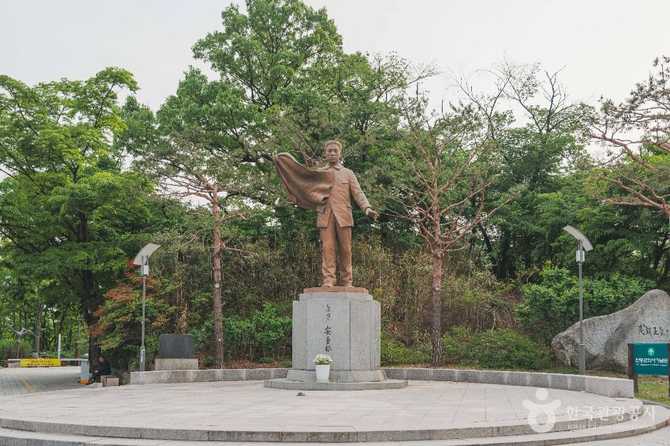
The An Jung-geun Statue stands as a testament to Korea’s resilient fight for sovereignty and the enduring spirit of patriotism. Located in the heart of Seoul, this monument commemorates the heroic actions of independence leader An Jung-geun, who famously shot Japanese assassin Ito Hirobumi at Harbin Station. Built to inspire future generations and preserve Korea’s history, the statue is a must-visit cultural landmark for travelers and locals alike.
At a glance
- Who this is for
-
- Visitors interested in Korea’s independence history
- Travelers exploring Seoul’s cultural landmarks
- History teachers and students seeking educational sites
- Anyone wanting to pay respects to patriotic figures
- Key takeaways
-
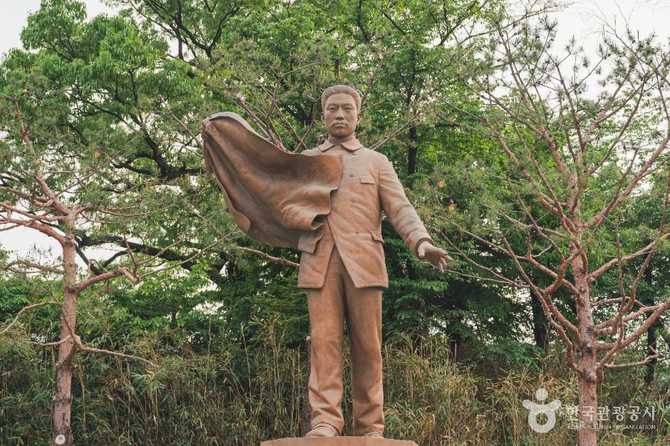
- The statue was rebuilt in 2010, depicting An Jung-geun holding the Korean flag
- Located at the historic site of the former Joseon Shrine in Namsan
- Open year-round, 24 hours a day, free of charge
- Accessible by nearby public parking facilities
- A symbol of Korea’s anti-colonial independence movement
- Tips & cautions
-
- Check weather and traffic conditions before visiting
- Wear comfortable clothing and shoes for walking
- Visit early or late in the day to avoid crowds
- Respect the site as a place of national significance
- Bottom line
- Visiting the An Jung-geun Statue offers a meaningful connection to Korea’s independence history and patriotic spirit.
In this guide, we will explore the historical background of the An Jung-geun Statue, its precise location in Seoul, and practical information for visitors. As an important symbol of Korea’s anti-Japanese independence efforts, the statue not only honors a national hero but also serves as an educational site that embodies the resilience and patriotism of the Korean people.
Understanding the significance of the An Jung-geun Statue allows visitors to appreciate Korea’s complex history and its ongoing journey toward sovereignty. Whether you are a history buff, a student, or a curious traveler, this site provides a profound experience rooted in Korea’s national identity. Read on to learn about the monument’s background, how to visit, and what to expect during your trip to this meaningful landmark.
Overview and Historical Background of the An Jung-geun Statue
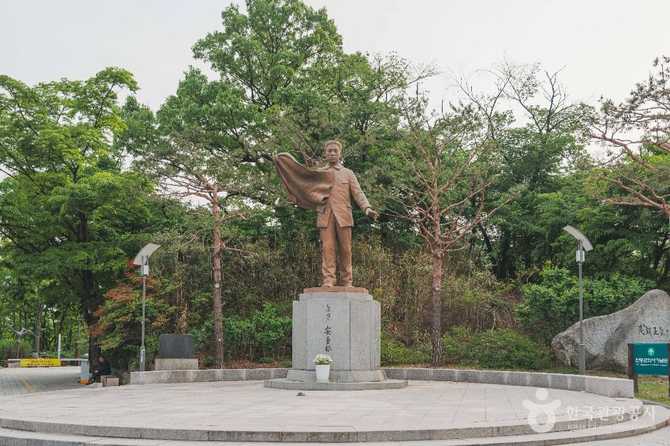
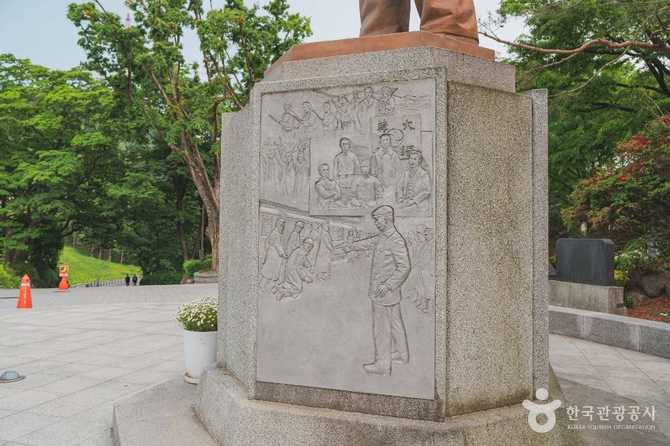
The An Jung-geun Statue in Seoul stands as a powerful symbol of Korea’s independence movement and national pride. Erected to honor the heroic efforts of independence activist An Jung-geun, this monument reflects Korea’s resilience and unwavering spirit in the face of colonial oppression. Located in the heart of Seoul, specifically at the site of the former Joseon Shrine in Namsan, the statue captures the essence of patriotism and sacrifice that defined Korea’s fight for sovereignty during the Japanese occupation.
An Jung-geun was a renowned independence leader known for his daring assassination of Japanese politician Ito Hirobumi at Harbin Station in 1909. This act was a pivotal moment in Korea’s struggle for independence, symbolizing resistance against Japanese imperialism. The statue, rebuilt in 2010, depicts An Jung-geun holding the Korean flag, standing tall and resolute, embodying the patriotic spirit of the independence movement. It serves not only as a memorial but also as an educational site where visitors can learn about Korea’s turbulent history and the sacrifices made for national sovereignty.
Historically, the location of the statue is significant because it sits on the grounds of the former Namsan Joseon Shrine, an important cultural and religious site during the Joseon Dynasty. During the Japanese colonial period, this site was repurposed, but it was later restored as a symbol of independence and resistance. The statue’s presence at this historic site reinforces Korea’s ongoing commitment to remembering its struggle for independence and honoring those who fought for it. Visitors often find the statue a moving reminder of patriotic duty and national pride, making it a must-visit landmark for history enthusiasts and travelers interested in Korea’s independence legacy.
Comparison of Key Facts about the An Jung-geun Statue
| Attribute | Details |
|---|---|
| Location | 471 Namdaemun-ro, Jung-gu, Seoul |
| Historical Significance | Honors the independence activist An Jung-geun and his sacrifice for Korea’s sovereignty |
| Date of Rebuilding | 2010 |
| Key Features | Depicts An Jung-geun holding the Korean flag, standing proudly |
| Open Hours | 24 hours, open year-round |
| Admission Fee | Free |
| Parking | Nearby public parking, free or paid options available |
How to Access and Visiting Tips for the An Jung-geun Statue
- Check weather and traffic conditions before heading out to ensure a smooth visit.
- Wear comfortable clothing and shoes suitable for walking around the outdoor monument and nearby areas.
- Visit during early morning or late evening to avoid crowds and enjoy a more peaceful experience.
- Use public transportation such as subway lines that connect to Seoul Station or Myeong-dong, then walk or take a short taxi ride to the site.
- Parking is available at nearby public lots, but check for availability and fees beforehand.
Significance and Symbolism of the An Jung-geun Statue
The An Jung-geun Statue embodies Korea’s enduring fight for independence and national pride. As a powerful symbol of resistance against Japanese colonial rule, it commemorates the courageous actions of one of Korea’s most revered independence fighters. The statue’s prominent placement and design reflect the patriotic spirit and sacrifice that fueled Korea’s independence movement.
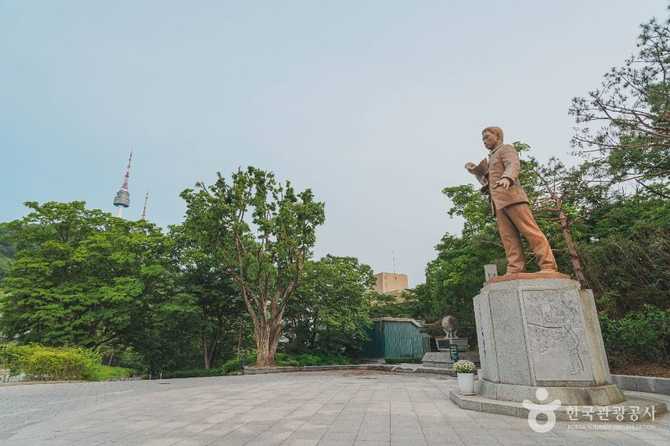
The statue’s depiction of An Jung-geun holding the Korean flag symbolizes the unwavering patriotism and resolve of the Korean people during a turbulent period in history. It serves as a reminder of the sacrifices made for sovereignty and the importance of patriotism in Korean culture. The monument also functions as a site of remembrance and national identity, inspiring visitors to reflect on Korea’s resilience and ongoing pursuit of independence.
Moreover, the location of the statue at a historically significant site—once the grounds of Namsan Joseon Shrine—adds layers of cultural and historical meaning. It signifies Korea’s victory over colonial oppression and its commitment to preserving its sovereignty and cultural heritage. The An Jung-geun Statue continues to be a potent symbol of anti-colonial resistance, patriotism, and the enduring spirit of Korea’s independence movement.
- Is the An Jung-geun Statue open to visitors year-round?
- Is there an admission fee to visit the statue?
- Are there parking facilities nearby?
- What is the best time of day to visit to avoid crowds?
- How can I get to the site using public transportation?
- What should I wear when visiting the outdoor monument?
- Are there other historical sites nearby worth visiting?
- Is the site accessible for people with mobility challenges?
- Are there any special events held at the site?
- Can I take photos at the monument?
Whether you visit during the day or evening, Visit the Historic An Jung is a meaningful stop on any Seoul itinerary for history-minded travelers.
Frequently Asked Questions (FAQ)
Q1: Where is the An Jung-geun Statue located in Seoul?
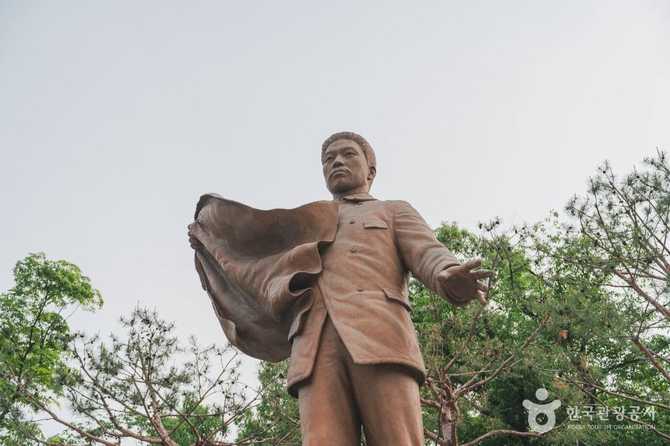
The An Jung-geun Statue is located at 471 Namdaemun-ro, Jung-gu, Seoul, near the site of the former Joseon Shrine in Namsan. It is accessible from central Seoul and is a prominent cultural landmark.
Q2: When was the An Jung-geun Statue rebuilt or renovated?
The statue was reconstructed and officially reopened in 2010, featuring An Jung-geun holding the Korean flag in a proud stance, symbolizing patriotism.
Q3: Is there an admission fee to visit the An Jung-geun Statue?
No, the outdoor monument and surrounding area are free to visit year-round. Visitors can enjoy the site without any entrance charges.
Q4: Are there parking facilities nearby the An Jung-geun Statue?
Yes, nearby public parking lots are available, offering both free and paid options. It is recommended to check parking availability before your visit.
Q5: What is the best time of day to visit the An Jung-geun Statue to avoid crowds?
Early mornings or late evenings are ideal times to visit for a quieter experience. The site is open 24 hours, so you can choose a time that suits your schedule.
Q6: How can I get to the An Jung-geun Statue using public transportation?
You can take the Seoul subway to Seoul Station or Myeong-dong Station and walk or take a short taxi ride to the site. Public transit is convenient and accessible from various parts of the city.
Discover the Significance of the An Jung-geun Statue in Seoul
Visiting the An Jung-geun Statue in Seoul offers a meaningful opportunity to connect with Korea’s rich history of independence and patriotism. As a symbol of resistance against colonial rule, this monument not only honors one of Korea’s most revered independence fighters but also serves as an educational and inspirational site for visitors of all ages. Whether you are a history enthusiast, a student, or a traveler exploring Seoul’s cultural landmarks, understanding the background and significance of this statue enhances your experience and appreciation of Korea’s enduring spirit.
Remember that the An Jung-geun Statue is located at a historically important site, once the grounds of Namsan Joseon Shrine, adding layers of cultural meaning to your visit. The statue’s modern reconstruction in 2010, depicting An Jung-geun holding the Korean flag, embodies the patriotic pride that continues to inspire Koreans today. Visiting this site provides a chance to reflect on Korea’s independence movement, the sacrifices made by patriots, and the ongoing importance of national sovereignty. Planning your trip with the practical information provided ensures a smooth and respectful visit, allowing you to fully appreciate the monument’s historical and cultural significance.
In summary, the An Jung-geun Statue in Seoul is more than just a monument; it is a powerful reminder of Korea’s resilience and patriotic legacy. By taking the time to visit, learn, and reflect, you contribute to honoring Korea’s history and supporting the preservation of its cultural heritage. Whether exploring alone or with friends and family, this site offers a profound experience that deepens your understanding of Korea’s independence struggle and the enduring spirit of its people. Make sure to check the opening hours, transportation options, and nearby attractions to maximize your visit and gain a full appreciation of this important national symbol.