
출처 : ⓒ한국관광콘텐츠랩 또는 ⓒ한국관광공사
Discover the Significance of the John B. Coalter Statue at Seoul Children’s Grand Park
Location 서울특별시 광진구 천호대로 662 (능동)
Location 서울특별시 광진구 천호대로 662 (능동)
Are you interested in exploring a historical monument that symbolizes Korea’s post-war reconstruction? Visiting the John B. Coalter Statue at Seoul Children’s Grand Park offers a meaningful experience to understand Korea’s modern history and resilience. This guide provides detailed information about the statue’s history, location, visiting hours, and tips to enhance your visit.
At a glance
- Who this is for
-
- Travelers interested in Seoul’s historical sites
- History enthusiasts focusing on Korea’s post-war recovery
- Families planning a visit to Seoul Children’s Grand Park
- Educational groups studying Korea’s modern history
- Anyone seeking meaningful cultural experiences in Seoul
- Key takeaways
-
- The John B. Coalter Statue commemorates Korea’s post-war rebuilding efforts.
- Originally erected in 1959 in Itaewon, relocated to Seoul Children’s Grand Park in 1977.
- Located near the park’s main entrance, accessible year-round and free of charge.
- Open daily from 5:00 AM to 10:00 PM, with parking available.
- Symbolizes Korea’s resilience and international cooperation after the Korean War.
- Tips & cautions
-
- Check the park’s operational hours and parking availability before your visit.
- Visit early in the morning or late evening to avoid crowds.
- Use public transportation or arrive by car, noting parking spaces.
- Combine your visit with other nearby attractions for a full day of sightseeing.
- Respect the monument and park rules during your visit.
- Bottom line
- The John B. Coalter Statue at Seoul Children’s Grand Park is a powerful symbol of Korea’s post-war recovery and resilience, easily accessible for visitors interested in history and culture.
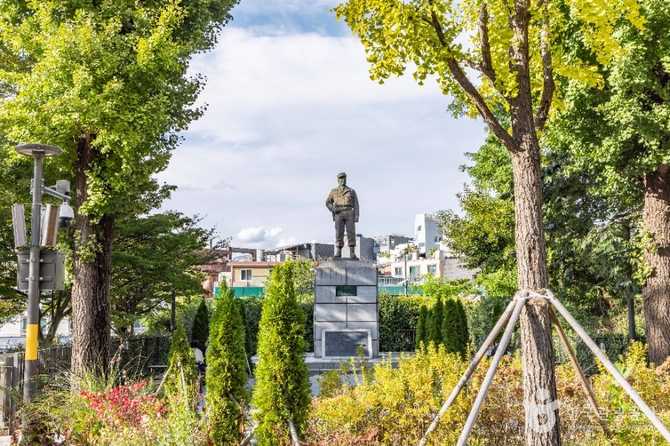
Seoul’s John B. Coalter Statue stands as a significant reminder of Korea’s journey from the devastation of war to rapid rebuilding and development. Located within Seoul Children’s Grand Park, this monument honors the contributions of General John B. Coalter, who played a vital role during the Korean War and in Korea’s post-war reconstruction efforts. Originally erected in 1959 in Itaewon, the statue was moved to its current location in 1977, becoming a prominent historical landmark in Seoul.
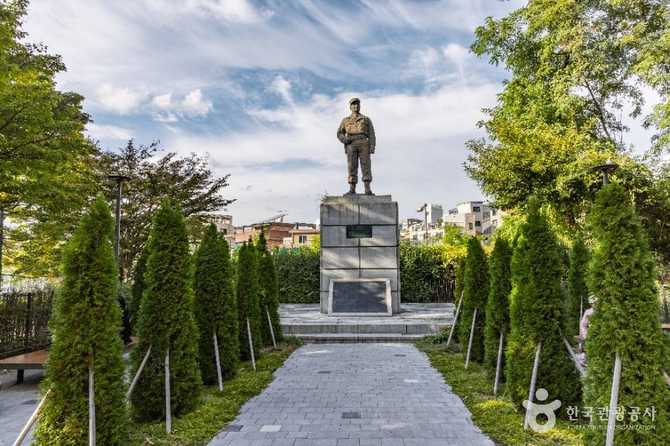
Visiting the John B. Coalter Statue provides an opportunity to reflect on Korea’s modern history and the international cooperation that contributed to its recovery. The park itself is a popular destination for families and tourists, offering a peaceful environment to learn about Korea’s resilience through this symbolic monument. Whether you are a history enthusiast, a family on a sightseeing trip, or a student exploring Korea’s modern era, the statue offers a meaningful experience that connects past and present.
In this guide, you will find detailed information about the statue’s history, its exact location within Seoul Children’s Grand Park, visiting hours, and practical tips to make your visit smooth and memorable. Understanding the significance of this monument enhances your appreciation of Korea’s efforts to rebuild after the Korean War, making your trip both educational and inspiring.
Overview of the John B. Coalter Statue: Location and Historical Background
The John B. Coalter Statue at Seoul Children’s Grand Park is a significant monument that symbolizes Korea’s post-war reconstruction efforts. Located in the heart of Seoul’s Gwangjin District, this historic statue commemorates the contributions of General John B. Coalter during the Korean War and highlights Korea’s resilience in rebuilding the nation after devastating conflict. As an important symbol of international cooperation and military leadership, the statue offers visitors a profound connection to Korea’s modern history.
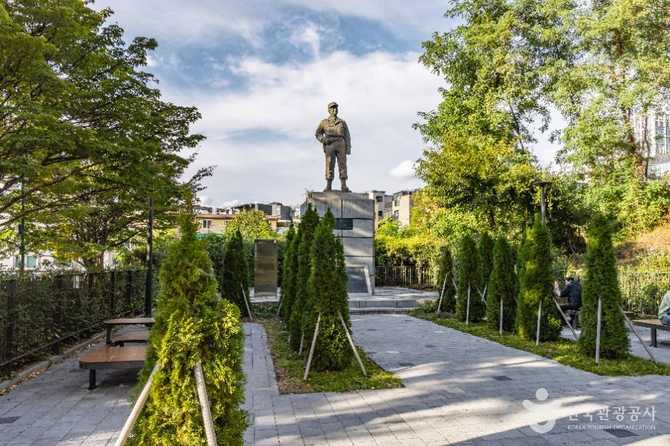
Originally erected in 1959 in Itaewon, the statue was part of Korea’s early efforts to honor foreign military support and recognize the role of international allies in Korea’s recovery. In 1977, it was relocated to Seoul Children’s Grand Park, a popular family destination, to serve as a more accessible site for public remembrance and education. The statue is situated near the park’s main entrance, making it easy for visitors to find and explore.

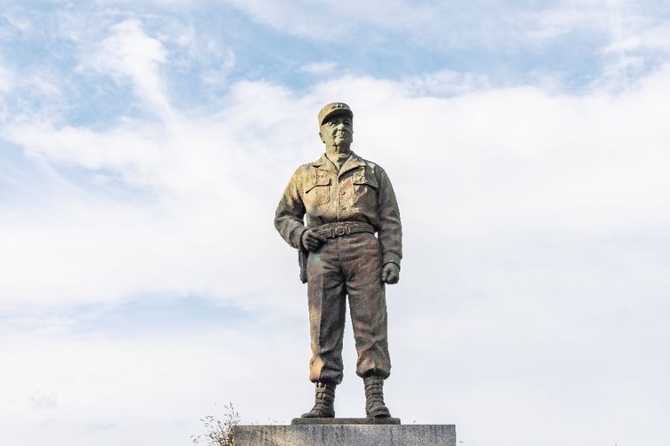
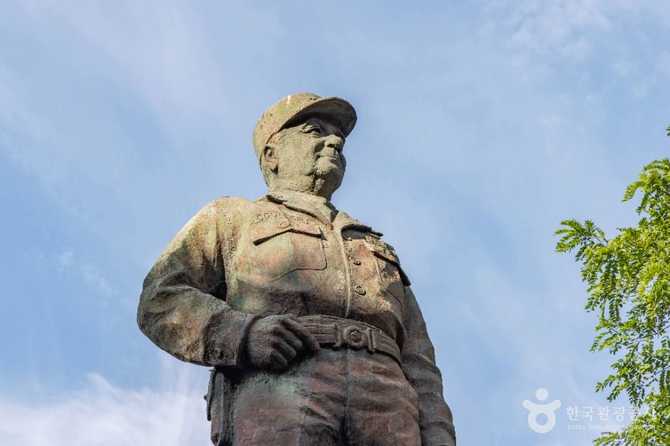
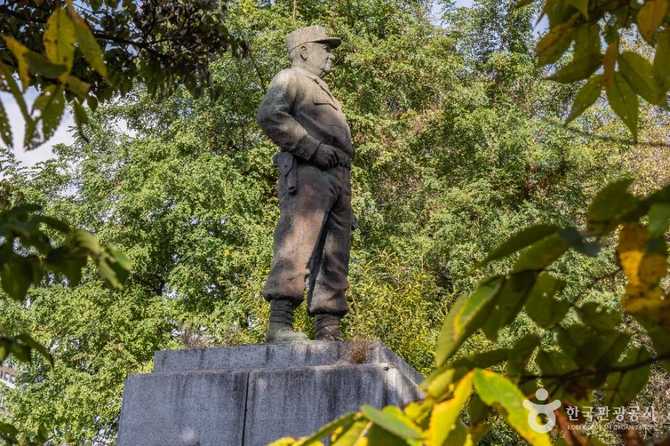
The monument itself depicts General Coalter in a commanding pose, symbolizing leadership and international solidarity. Its placement within the park allows visitors to reflect on Korea’s journey from war to peace, emphasizing themes of resilience, international friendship, and national rebuilding. The location also provides an educational opportunity for visitors to learn about the Korean War’s history and the role of United Nations forces in Korea’s recovery.
This historical background makes the John B. Coalter Statue a must-visit for those interested in Korea’s modern history, military history, or international relations. Its presence in Seoul’s most frequented park ensures that many tourists and locals alike can appreciate the significance of Korea’s post-war efforts and the enduring importance of international cooperation in rebuilding a nation.
Comparison of Visitor Information and Access for the John B. Coalter Statue
| Feature | Details |
|---|---|
| Location | Near the main entrance of Seoul Children’s Grand Park, Gwangjin District, Seoul |
| Original Construction Year | 1959 in Itaewon |
| Relocation Year | 1977 to Seoul Children’s Grand Park |
| Main Features | Depicts General Coalter in a commanding pose, symbolizing leadership and resilience |
| Visiting Hours | Open daily from 5:00 AM to 10:00 PM |
| Admission Fee | Free of charge |
| Parking | Available on-site, capacity varies |
| Accessibility | Accessible via public transportation or car |
This comparison table provides a clear overview of the essential visitor information for the John B. Coalter Statue, helping travelers plan their visit efficiently. Whether you are coming by public transit or car, knowing the opening hours and free admission makes it easier to incorporate this meaningful site into your itinerary.
Visitor Checklist and Tips for Visiting the John B. Coalter Statue
- Check the park’s official hours and confirm the statue’s accessibility before your visit.
- Visit early in the morning or late evening to avoid crowds and enjoy a peaceful experience.
- Use public transportation such as subway Line 7 to the Children’s Grand Park station for convenience.
- If driving, utilize the park’s parking facilities, but arrive early during weekends and holidays due to high demand.
- Wear comfortable shoes suitable for walking around the park and the monument area.
- Bring water, especially during hot summer days, to stay hydrated during your walk.
- Respect the monument and follow park rules—do not climb on the statue or disturb the surroundings.
- Combine your visit with other nearby attractions within Seoul Children’s Grand Park for a full day of sightseeing.
Historical Significance and Rebuilding Symbolism of the John B. Coalter Statue
The John B. Coalter Statue stands as a powerful symbol of Korea’s resilience and international cooperation during its post-war reconstruction era. Erected initially in 1959, it commemorates the vital role played by General John B. Coalter during the Korean War, especially his leadership in the Battle of Pohang. The statue embodies Korea’s efforts to rebuild a war-torn nation and highlights the importance of global partnership in overcoming adversity.
Following the war, Korea faced enormous challenges in restoring its infrastructure, economy, and social fabric. The presence of this monument serves as a reminder of the international support, particularly from the United Nations forces, that contributed to Korea’s recovery. The relocation of the statue in 1977 to Seoul Children’s Grand Park was part of an effort to make this historical symbol more accessible to the public, especially to younger generations, fostering awareness of Korea’s difficult yet inspiring journey towards peace and stability.
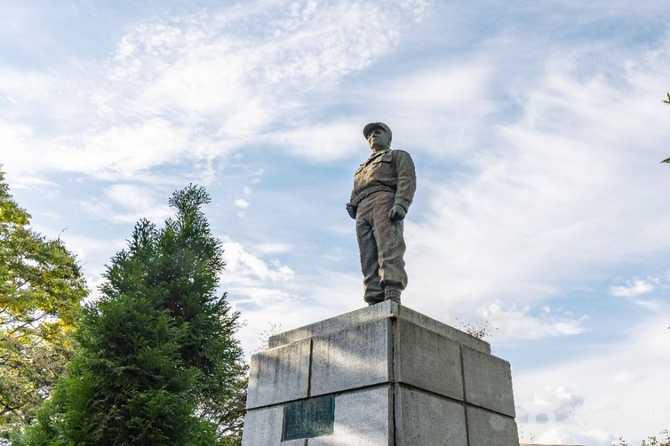
The statue’s depiction of General Coalter in a commanding pose underscores leadership, resilience, and hope. It encourages visitors to reflect on the sacrifices made during the war and the collective effort needed for national rebuilding. As a cultural and historical landmark, the statue also promotes peace and international friendship, making it a meaningful site for both locals and visitors interested in Korea’s modern history.
Visitor Checklist and Tips for Visiting the John B. Coalter Statue
- Verify the park’s operational hours and the statue’s accessibility before your visit, especially during holidays or special events.
- Plan to arrive early in the morning or later in the evening to avoid crowds and enjoy a more peaceful experience.
- Use public transportation for convenience; Seoul Subway Line 7 stops at Children’s Grand Park Station, which is close to the park entrance.
- If driving, take advantage of the park’s parking facilities. Arrive early on weekends and holidays to secure a spot, as demand can be high.
- Wear comfortable shoes suitable for walking around the park and the monument area to ensure a pleasant visit.
- Bring water and stay hydrated, especially during hot summer days, to enjoy your walk comfortably.
- Respect the monument and park rules—avoid climbing on the statue or disturbing the surroundings to preserve its dignity.
- Combine your visit with other attractions within Seoul Children’s Grand Park for a full day of sightseeing and leisure.
Whether you visit during the day or evening, Discover the Significance of the is a meaningful stop on any Seoul itinerary for history-minded travelers.
Frequently Asked Questions (FAQ)
Q1 Where is the John B. Coalter Statue located within Seoul Children’s Grand Park?
The statue is situated near the main entrance of Seoul Children’s Grand Park in Gwangjin District, Seoul, close to the park’s entrance gate for easy access.
Q2 When was the John B. Coalter Statue originally built and relocated?
The statue was first erected in 1959 in Itaewon and was relocated to Seoul Children’s Grand Park in 1977 to serve as a more accessible memorial site.
Q3 What is the historical significance of the John B. Coalter Statue?
The statue commemorates General John B. Coalter’s role during the Korean War, especially his leadership in the Battle of Pohang, and symbolizes Korea’s post-war reconstruction and international cooperation.
Q4 What are the visiting hours and admission fees for the John B. Coalter Statue?
The monument is open daily from 5:00 AM to 10:00 PM, and admission is free. It is accessible year-round without any entrance fee.
Q5 Is there parking available near the John B. Coalter Statue?
Yes, parking facilities are available on-site at Seoul Children’s Grand Park, though capacity may vary, especially during weekends and holidays.
Q6 How can I best plan my visit to the John B. Coalter Statue?
It is recommended to check the park’s official hours and parking availability beforehand, arrive early or late to avoid crowds, and consider combining your visit with other attractions within Seoul Children’s Grand Park for a full experience.
Conclusion: Visiting the John B. Coalter Statue at Seoul Children’s Grand Park
Exploring the John B. Coalter Statue at Seoul Children’s Grand Park offers a unique opportunity to connect with Korea’s modern history and understand the resilience that shaped the nation’s recovery after the Korean War. This monument is more than just a statue; it is a powerful symbol of international cooperation, military leadership, and the enduring spirit of rebuilding that defines Korea today. Located conveniently within one of Seoul’s most popular parks, the statue is accessible year-round and free of charge, making it an ideal stop for travelers interested in history, culture, and meaningful experiences. Visiting this site allows you to reflect on the sacrifices made during wartime and the collective efforts that led to Korea’s remarkable recovery and growth. Whether you are a history enthusiast, a family with children, or a curious traveler, the John B. Coalter Statue provides an educational and inspiring glimpse into Korea’s journey from devastation to development. Remember to check the park’s operational hours and parking facilities before your visit to ensure a smooth and memorable experience. Embrace this opportunity to deepen your understanding of Korea’s history and the ongoing spirit of resilience that continues to inspire both locals and visitors alike.