
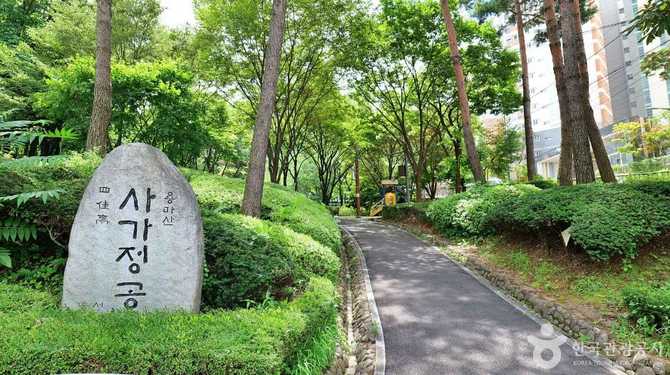
출처 : ⓒ한국관광콘텐츠랩 또는 ⓒ한국관광공사
Discover Sagajeong Park: A Natural & Cultural Escape in Seoul
Location 서울특별시 중랑구 사가정로72길 47 (면목동)
Location 서울특별시 중랑구 사가정로72길 47 (면목동)
Looking for a peaceful urban retreat that combines nature and culture? Sagajeong Park in Seoul offers the perfect getaway for families, friends, and visitors seeking relaxation amidst scenic landscapes and cultural heritage. This guide provides all the essential information to plan your visit, from key facilities to transportation tips, ensuring a memorable experience at this beloved city park.
At a glance
- Who this is for
-
- Local residents of Jungnang-gu and nearby areas
- Families with children seeking outdoor activities
- Travelers interested in urban parks blending nature and culture
- People looking for a relaxing spot for picnics and leisure
- Key takeaways
-
- Open since April 13, 2005, with scenic and cultural features
- Free entry, open year-round, with diverse facilities
- Accessible by subway (Line 7) and bus, with limited parking
- Includes picnic areas, playgrounds, traditional pavilions, and fitness zones
- Natural environment with streams and native flora
- Tips & cautions
-
- Use public transportation to avoid parking constraints
- Follow safety guidelines, especially around playgrounds and fitness equipment
- Dispose of trash properly to protect the environment
- Be cautious of wildlife and insects in natural areas
- Bottom line
- Enjoy a harmonious blend of nature and culture at Sagajeong Park, a perfect urban oasis for relaxation and cultural appreciation.
Welcome to our comprehensive guide on Sagajeong Park, a cherished green space nestled in Seoul’s Jungnang District. This park, established in 2005, offers a tranquil environment where visitors can immerse themselves in nature while appreciating cultural elements rooted in Korean history. Whether you’re a local resident or a traveler exploring Seoul, Sagajeong Park provides a scenic escape from city life, featuring well-maintained facilities, scenic walking paths, and cultural landmarks.
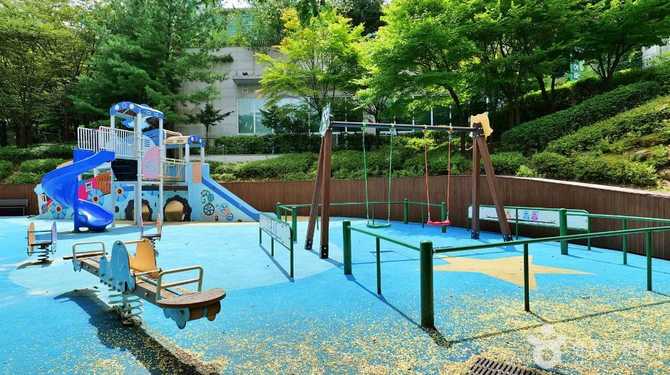
Located at 47 Sagajeong-ro 72-gil, Myeonmok-dong, Seoul, the park is easily accessible via public transportation, making it an ideal destination for families, friends, and solo visitors. Its facilities include picnic zones, children’s playgrounds, traditional pavilions, and fitness stations, all designed to promote leisure and outdoor activities. The park’s natural streams and native plantings create a peaceful atmosphere, perfect for relaxation, reflection, or cultural exploration.
In this guide, you’ll find detailed information about the park’s history, key features, visiting tips, and transportation options to help you plan your trip efficiently. Whether you’re seeking a family-friendly picnic spot or a quiet place to enjoy Korean cultural heritage, Sagajeong Park offers a versatile environment for all. Read on to discover how to make the most of your visit to this urban oasis, and enjoy a memorable experience blending natural beauty with cultural richness.
Sagajeong Park Overview & History
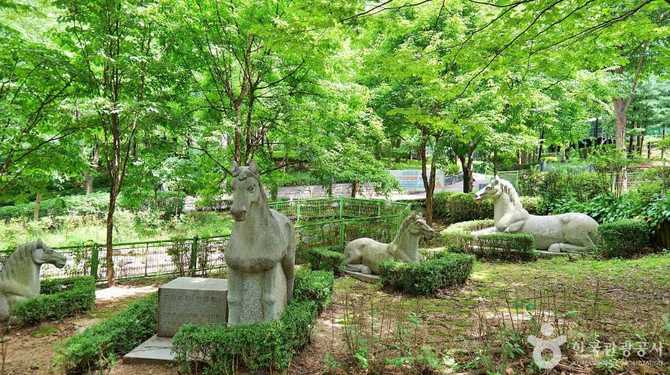
Sagajeong Park is a beloved urban green space located in Seoul’s Jungnang District, offering residents and visitors a tranquil retreat amidst the bustling city environment. Established on April 13, 2005, this park seamlessly combines natural beauty with cultural heritage, making it an ideal destination for relaxation, leisure, and cultural appreciation. The park’s name is derived from the historical figure Seogeojeong, a renowned Korean poet and scholar from the Joseon Dynasty, whose poetic works are commemorated within the park through dedicated stone tablets and sculptures. This cultural element enhances the park’s appeal, inviting visitors to connect with Korea’s literary history while enjoying scenic walks and outdoor activities.
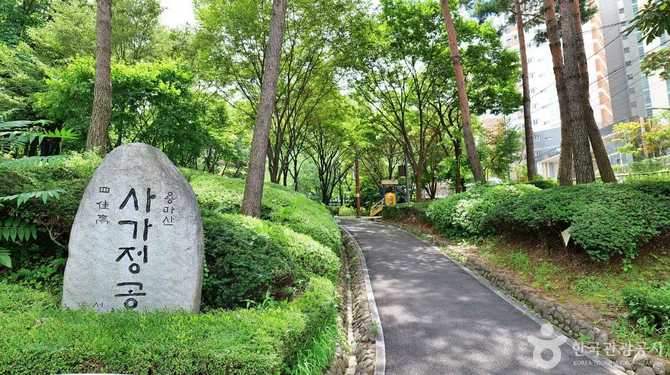
The design of Sagajeong Park emphasizes harmony between nature and cultural elements. Its landscape features lush greenery, native flora, streams, and traditional Korean pavilions, creating a peaceful environment for reflection and recreation. The park serves as a vital community space, providing a safe and accessible area for families, students, and tourists to gather, relax, or participate in outdoor events. Its historical significance and natural charm have made it a focal point for local cultural activities and environmental conservation efforts.
Throughout its history, Sagajeong Park has been continuously maintained and expanded to include diverse facilities such as picnic zones, playgrounds, fitness stations, and scenic walking paths. Its accessibility via public transportation, including nearby subway stations and bus stops, ensures easy visitation for all. The park’s free entry policy and year-round operation make it a popular choice for spontaneous outings or planned visits. Whether you are interested in Korean literature, outdoor recreation, or simply enjoying nature, Sagajeong Park offers a meaningful escape that reflects Seoul’s blend of modern urban life and rich cultural heritage.
Comparison of Sagajeong Park Facilities
| Facility | Details | Remarks |
|---|---|---|
| Park Area | Approximately 30,000 square meters | Natural landscapes with streams and native plants |
| Main Facilities |
|
Designed for family and community activities |
| Opening Date | April 13, 2005 | Historical significance linked to Korean literature |
| Operating Hours | Open year-round, 24 hours | Access at any time; facilities may have specific hours |
| Entry Fee | Free | No admission charges |
| Accessibility | Public transportation (subway, bus), limited parking | Highly recommended to use public transit |
Visiting Tips & Safety Checklist
- Plan transportation in advance: Use subway lines (Line 7) or buses to reach Sagajeong Park easily. The nearest stations are ‘Myeonmok Station’ and ‘Myeonmok Market Station’.
- Check weather conditions: The park is best enjoyed in clear weather; bring sun protection or rain gear as needed.
- Wear comfortable clothing and shoes: The park’s walking paths are extensive, so suitable footwear ensures comfort.
- Bring essentials: Pack water, snacks, and any necessary outdoor supplies, especially if planning a picnic or outdoor activity.
- Follow safety guidelines: Use designated playground and fitness equipment properly; supervise children at all times.
- Respect natural surroundings: Do not litter; dispose of trash in designated bins to preserve the environment.
Getting There: Transportation Tips to Sagajeong Park
- Public Transit: The most convenient way to reach Sagajeong Park is by subway or bus. Take Seoul Subway Line 7 to Myeonmok Station. Exit the station and walk approximately 10 minutes to the park entrance. Alternatively, buses heading to Myeonmok Market or Seongnam Rotary stop near the park, making it accessible from various parts of Seoul.
- Driving: If you prefer to drive, use navigation apps like Naver Map or KakaoMap by searching for ‘Sagajeong Park’ or its address: 47 Sagajeong-ro 72-gil, Myeonmok-dong, Seoul. The park has a limited parking lot, so plan to arrive early, especially on weekends or holidays.
- Parking Tips: The parking area is small and can fill up quickly during peak hours. It is recommended to use public transportation to avoid parking difficulties and traffic congestion around the area.
- Walking and Biking: For nearby residents or those staying in the vicinity, walking or biking to Sagajeong Park is a healthy and eco-friendly option. The park is connected to local walking paths and bike lanes.
- Navigation Assistance: Use online maps such as Naver Map or KakaoMap. Search for ‘Sagajeong Park’ to get the most efficient route from your location.
- Is public transportation the best way to visit Sagajeong Park?
Yes. Subway and bus options are recommended due to limited parking. - Can I drive and park at the park?
Yes, but parking is limited. Arrive early or prefer public transit. - Are there bike lanes or walking paths?
Yes. The park has scenic walking trails and bike-friendly routes. - What is the best way to find directions?
Use online maps like Naver Map or KakaoMap by searching ‘Sagajeong Park’. - Is there parking available?
Yes, but limited. Public transportation is highly recommended. - How long does it take to walk from Myeonmok Station?
Approximately 10 minutes on foot. - Are there facilities for biking?
Yes, the park connects to local bike lanes for easy access.
Whether you visit during the day or evening, Discover Sagajeong Park is a meaningful stop on any Seoul itinerary for history-minded travelers.
Frequently Asked Questions (FAQ)
Q1: When was Sagajeong Park officially opened to the public?
An: Sagajeong Park opened on April 13, 2005, as a city park in Seoul’s Jungnang District, offering a natural and cultural space for residents and visitors.
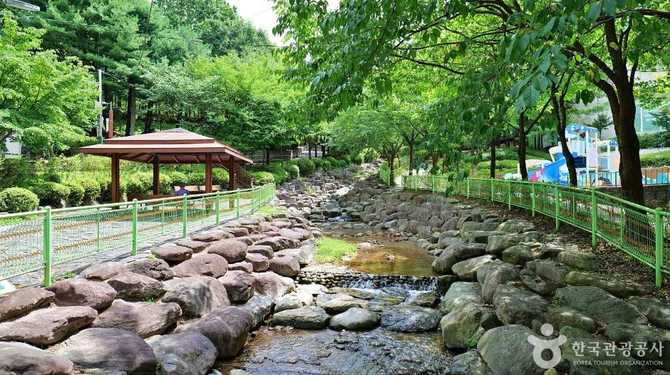
Q2: What facilities are available at Sagajeong Park?
An: The park features picnic areas, children’s playgrounds, traditional Korean pavilions, fitness stations, scenic walking paths, and water features like streams, designed for family and community use.
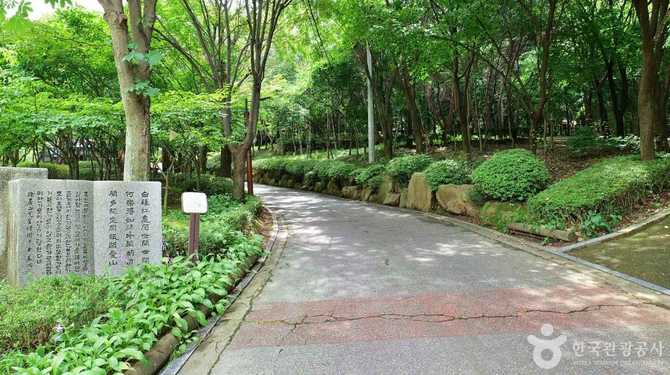
Q3: Is there an entrance fee to visit Sagajeong Park?
An: No, Sagajeong Park is free to enter and use, providing open access to all visitors year-round.
Q4: How can I get to Sagajeong Park using public transportation?
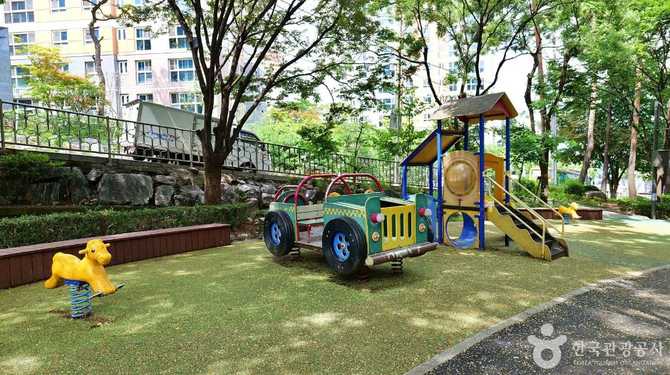
An: The most convenient way is to take Seoul Subway Line 7 to Myeonmok Station, then walk about 10 minutes to the park. Buses also serve nearby stops like Myeonmok Market and Seongnam Rotary.
Q5: Is parking available at Sagajeong Park?
An: Yes, there is a limited free parking lot near the park, but it can fill up quickly, so public transportation is recommended for easier access.
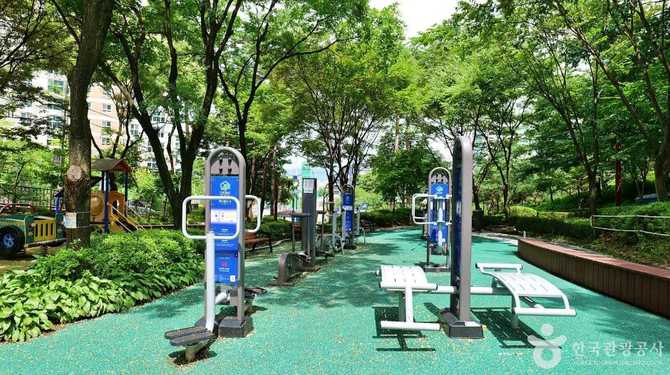
Q6: Are there any safety precautions I should be aware of when visiting Sagajeong Park?
An: Visitors should supervise children around water features and playground equipment, follow safety guidelines when using facilities, and dispose of trash properly to protect the environment.
Experience the Natural & Cultural Charm of Sagajeong Park in Seoul
Visiting Sagajeong Park in Seoul offers a unique opportunity to enjoy a peaceful escape amidst the bustling city. This urban oasis seamlessly blends Korea’s rich cultural heritage with the serenity of nature, making it an ideal destination for families, friends, or solo travelers seeking relaxation and cultural enrichment. Whether you’re strolling along scenic walking paths, enjoying a picnic in the designated zones, or exploring the traditional pavilions, the park provides a versatile environment for all visitors. Its historical connection to the renowned Korean poet Seogeojeong adds a layer of cultural significance, inviting visitors to reflect on Korea’s literary past while immersing themselves in the natural surroundings. The park’s facilities, including playgrounds, fitness stations, and water features, are designed to cater to diverse interests and age groups, ensuring a memorable experience for everyone. With easy access via public transportation and free entry, Sagajeong Park is a must-visit destination for those looking to combine outdoor leisure with cultural discovery in Seoul.
Plan your visit to Sagajeong Park in Seoul today and enjoy a harmonious blend of natural beauty and cultural heritage. Remember to check transportation options in advance, bring essentials for outdoor activities, and respect the natural environment to help preserve this valuable community space. Whether you’re a local resident or a traveler exploring Seoul, this park promises a refreshing and enriching experience that will leave you feeling relaxed and inspired. Make sure to take advantage of the park’s scenic spots and cultural landmarks, creating unforgettable memories in the heart of the city. Enjoy your time at Sagajeong Park, where nature and culture unite to offer a truly special urban retreat.