
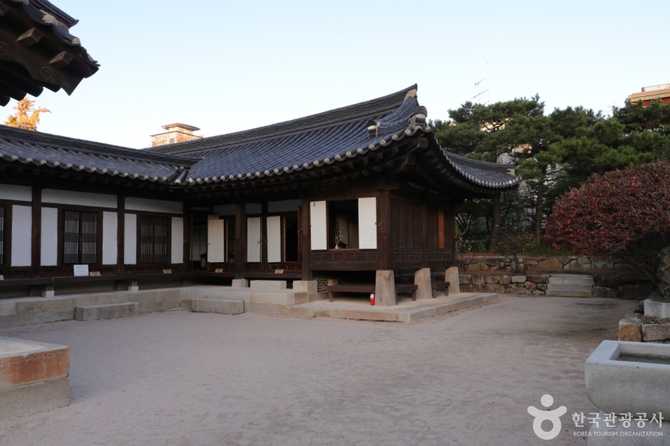
출처 : ⓒ한국관광콘텐츠랩 또는 ⓒ한국관광공사
Explore the Historic Haepungbuwon-gun Yoon Taek Youngjae Shrine in Seoul
Location 서울특별시 중구 퇴계로34길 28
Location 서울특별시 중구 퇴계로34길 28
Discover the rich history and traditional architecture of the Haepungbuwon-gun Yoon Taek Youngjae Shrine, a treasured cultural heritage site in Seoul that offers a unique glimpse into Joseon Dynasty customs and construction techniques.
At a glance
- Who this is for
-
- Visitors interested in Korean traditional architecture and Joseon Dynasty history
- Travelers exploring Seoul’s cultural heritage sites
- Researchers studying Korean ancestral rites and historic building techniques
- History enthusiasts seeking authentic cultural experiences in Seoul
- Key takeaways
-
- The shrine was built in 1906 to commemorate royal family events during the Joseon Dynasty
- Constructed using reclaimed Hong Song wood from Gyeongung Palace, showcasing traditional materials
- Features a circular plan, central shrine, and traditional paljak-style roof
- Restored to preserve original architecture, designated as a Seoul intangible cultural asset
- Located in Seoul’s Jung-gu district, free to visit, with no parking facilities
- Tips & cautions
-
- Visit during opening hours: 09:00–21:00 (summer), 09:00–20:00 (winter)
- Closed on every Monday; no parking available—use public transportation
- No restroom facilities on site; plan accordingly
- Handle the historic structures carefully and respectfully
- Check the latest visiting hours and special events before your trip
- Bottom line
- Experience a rare piece of Joseon Dynasty architecture and history at the Haepungbuwon-gun Yoon Taek Youngjae Shrine in Seoul.
Are you eager to explore Korea’s traditional architecture and learn about the Joseon Dynasty’s cultural heritage? The Haepungbuwon-gun Yoon Taek Youngjae Shrine, located in Seoul’s Jung-gu district, offers an authentic glimpse into Korea’s historic building techniques and ancestral rites. Built in 1906 to honor royal family members, this shrine is a prime example of Joseon Dynasty reissal architecture, showcasing unique features such as a circular plan, traditional roof styles, and carefully restored structures.
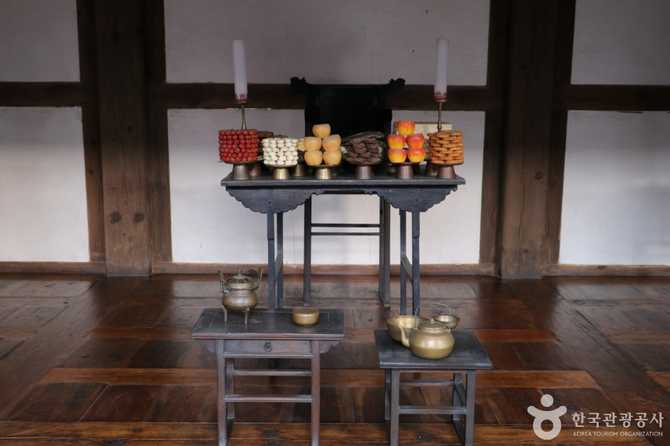
Whether you are a history enthusiast, a researcher, or simply a traveler interested in Korea’s cultural treasures, visiting this site provides an enriching experience. The shrine’s architecture, materials, and layout reflect the traditional Korean approach to ancestral worship and building craftsmanship. Its designation as a Seoul intangible cultural asset underscores its importance and authenticity.
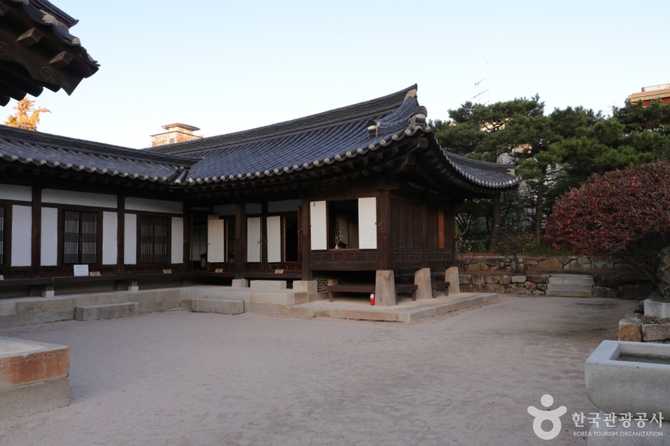
In this guide, we will introduce the historical background, architectural features, visiting tips, and practical information to help you plan your visit to the Haepungbuwon-gun Yoon Taek Youngjae Shrine. Keep reading to discover why this site is a must-see for anyone interested in Korea’s cultural heritage and traditional architecture.
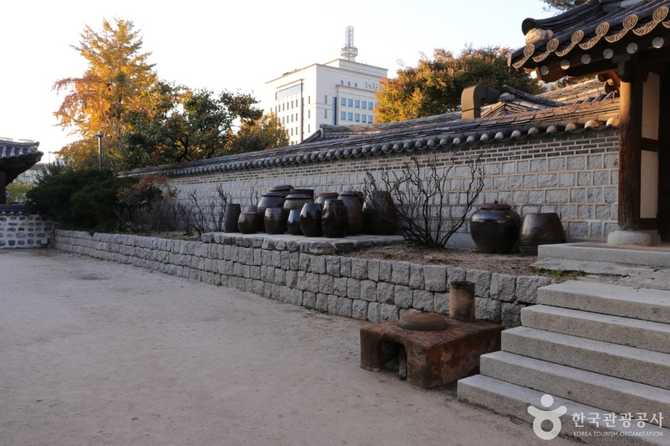
Historical Background of Haepungbuwon-gun Yoon Taek Youngjae Shrine
The Haepungbuwon-gun Yoon Taek Youngjae Shrine, located in Seoul’s Jung-gu district, is a significant cultural heritage site that embodies the traditional architecture and historical customs of the Joseon Dynasty. Built in 1906, this shrine was established to commemorate the royal family’s ancestral rites, specifically marking the celebration of Princess Sunjeong, the daughter of Yoon Taek Young, and her marriage to Crown Prince Sunjong. The shrine serves as a tangible link to Korea’s royal history and offers visitors a rare opportunity to experience Joseon-era architecture firsthand.
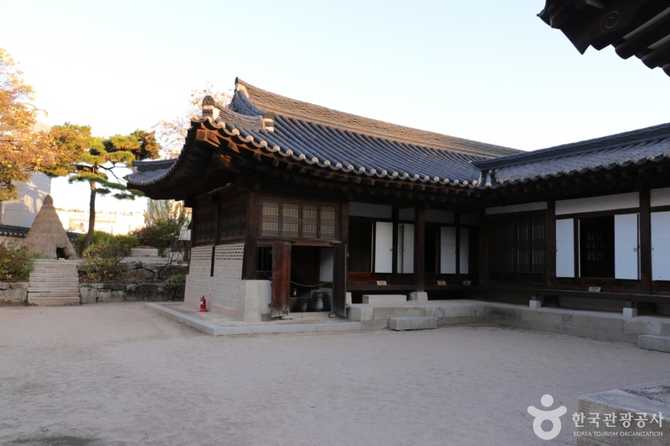
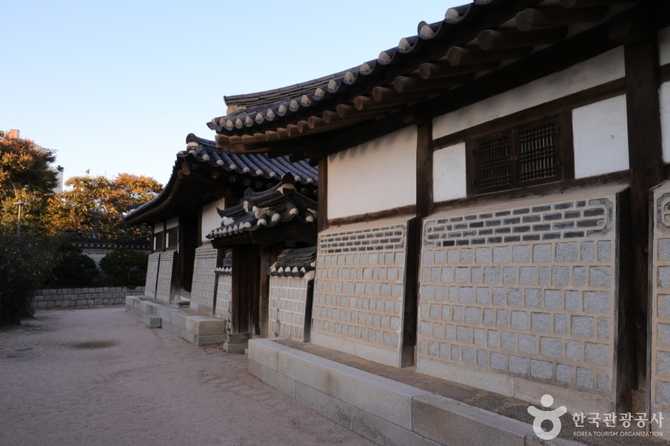
Constructed using reclaimed Hong Song wood from Gyeongung Palace, the shrine’s architecture reflects the traditional building techniques and materials used during the late Joseon period. The design emphasizes harmony with nature, featuring a circular plan that symbolizes unity and eternity, which was typical of ancestral shrines of that time. The central shrine building was carefully restored after suffering damage, maintaining its original form and cultural significance. The site was designated as a Seoul intangible cultural asset in 1977, recognizing its importance in preserving Korea’s architectural and cultural heritage.
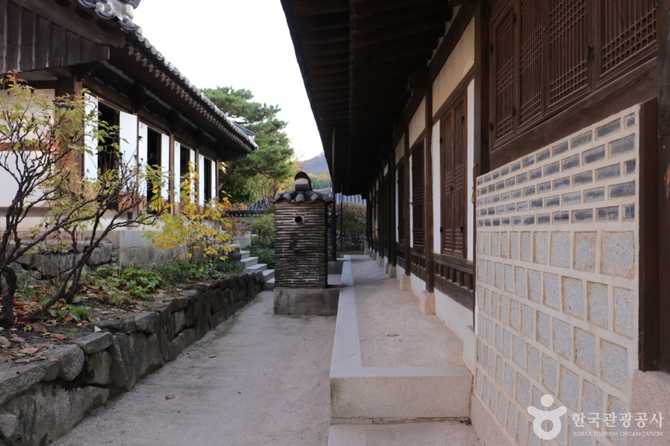
Throughout its history, the shrine has served as a place for ancestral rites and memorial ceremonies, playing a vital role in the cultural and spiritual life of the royal family and local community. The preservation efforts over the years have focused on maintaining the authenticity of the original structures, employing traditional techniques and materials. Today, the shrine stands as a well-preserved example of Joseon Dynasty architecture, offering insights into Korea’s royal customs, building craftsmanship, and religious practices. Visitors can explore the site to understand the historical context of Korean ancestral worship and appreciate the craftsmanship that has endured over a century.
Comparison of Architectural Features of Haepungbuwon-gun Yoon Taek Youngjae Shrine
| Feature | Details | Remarks |
|---|---|---|
| Plan Shape | Circular | Symbolizes unity and eternity in Korean architecture |
| Main Structure | Wooden shrine with traditional dancheong paint | Restored using original techniques and materials |
| Roof Style | Paljak (hip-and-gable) roof with traditional tiles | Maintains authentic Joseon architectural style |
| Materials Used | Hong Song wood from Gyeongung Palace | Reused for historical authenticity |
| Layout | Central shrine with surrounding courtyard | Reflects traditional ancestral rites setup |
| Restoration | Reconstructed in 1960s after damage | Preserves original design and materials |
| Cultural Designation | Designated as Seoul intangible cultural asset in 1977 | Official recognition for preservation |
Restoration and Cultural Heritage Status of the Shrine
- Restoration Timeline: The shrine underwent significant restoration in the 1960s, especially after the original wooden structures suffered damage. The restoration aimed to preserve the authenticity of the architecture while reinforcing the structural integrity using traditional techniques.
- Restoration Techniques: Skilled craftsmen employed traditional carpentry and painting techniques, including the use of natural dyes and hand-carved wooden joints, to maintain historical accuracy. The original Hong Song wood from Gyeongung Palace was carefully reclaimed and reused during the rebuilding process.
- Cultural Heritage Designation: In 1977, the Seoul Metropolitan Government officially designated the shrine as an intangible cultural asset, recognizing its importance in Korea’s architectural and cultural history. This status provides legal protection and ensures ongoing preservation efforts.
- Current Status: Today, the shrine remains well-preserved and accessible to visitors, offering a glimpse into Joseon Dynasty architecture and ancestral rites. The site is regularly maintained, with ongoing efforts to prevent deterioration and honor traditional craftsmanship.
Visiting Information and Tips for Haepungbuwon-gun Yoon Taek Youngjae Shrine
Planning your visit to the Haepungbuwon-gun Yoon Taek Youngjae Shrine ensures a smooth and enjoyable experience. The shrine is located in Seoul’s Jung-gu district and is open free of charge. To make the most of your visit, please review the following practical information and helpful tips.
| Category | Details |
|---|---|
| Operating Hours | Summer (June–August): 09:00–21:00 Winter (December–February): 09:00–20:00 |
| Closed | Every Monday |
| Parking | Unavailable; use public transportation |
| Facilities | No restrooms available; plan accordingly |
**Tips for Visiting:**
- Check the official website or contact the site beforehand to confirm current opening hours and any special events.
- Visit early in the day to avoid crowds and enjoy a peaceful experience.
- Use public transportation such as subway or bus, as parking is not available.
- Bring water and wear comfortable shoes, especially if you plan to explore the surrounding area.
- Respect the traditional structures by handling them carefully and following any signage or staff instructions.
- Refrain from bringing large bags or items that may disturb the peaceful environment.
- Capture photos discreetly and respectfully, avoiding flash or intrusive equipment inside the shrine.
Visitor Checklist for Haepungbuwon-gun Yoon Taek Youngjae Shrine
- Verify the latest opening hours and holiday closures through the official website or by phone.
- Confirm there are no special events or maintenance closures scheduled during your planned visit.
- Plan your transportation in advance, opting for public transit since parking is unavailable.
- Prepare essentials such as water, comfortable shoes, and a camera for photos.
- Review any visitor guidelines or signage to ensure respectful and safe exploration of the site.
- Consider visiting during less busy hours, such as early mornings or late afternoons.
- Check if there are any restrictions on photography or touching the structures.
- Make sure to leave no litter and maintain the cleanliness of the historic site.
Whether you visit during the day or evening, Explore the Historic Haepungbuwon is a meaningful stop on any Seoul itinerary for history-minded travelers.
Frequently Asked Questions (FAQ)
The shrine was built in 1906 to commemorate Princess Sunjeong and her marriage to Crown Prince Sunjong, serving as a site for ancestral rites of the royal family during the Joseon Dynasty. It is a rare example of traditional Korean reissal architecture and cultural heritage.
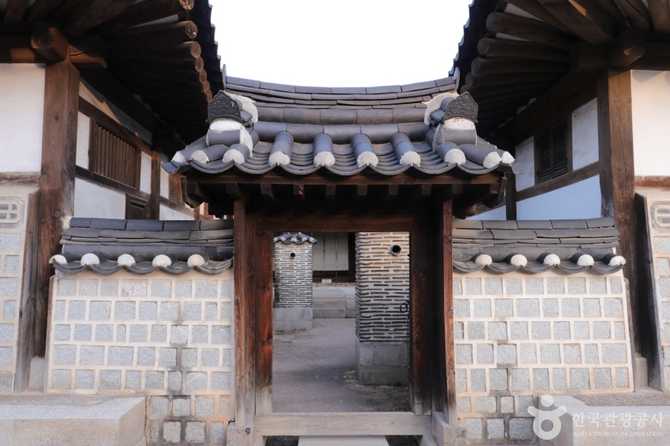
The shrine features a circular plan, a central wooden structure with a paljak (hip-and-gable) roof, and is constructed using reclaimed Hong Song wood from Gyeongung Palace. Its layout includes a shrine building, courtyard, and traditional decorative elements typical of Joseon-era architecture.
The shrine underwent restoration in the 1960s, with traditional carpentry and painting techniques used to maintain its authenticity. The original Hong Song wood was carefully reclaimed and reused, and the site was designated as a Seoul intangible cultural asset in 1977.
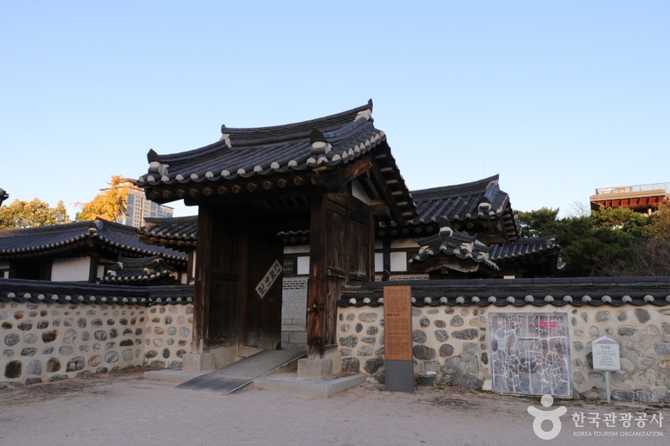
The shrine is located at 28 Toegye-ro 34-gil, Jung-gu, Seoul, within Namsangol Hanok Village. It is accessible by public transportation, such as subway and bus, as there is no parking available on site.
The shrine is open from 09:00 to 21:00 during summer (June–August) and from 09:00 to 20:00 in winter (December–February). It is closed every Monday, so plan your visit accordingly.
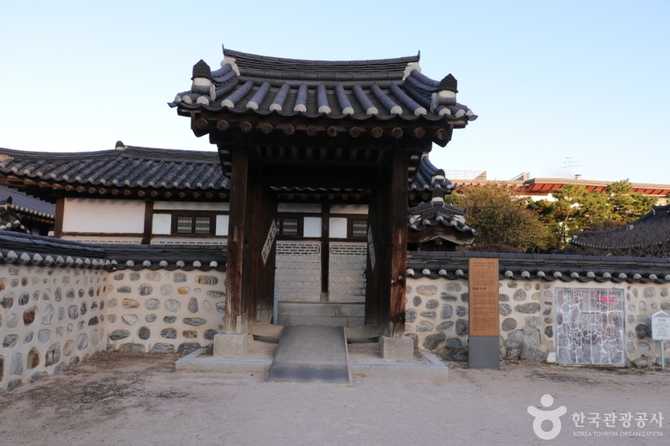
The shrine does not have parking facilities or restrooms on-site. Visitors are advised to use public transportation and prepare for the lack of restroom facilities before visiting. Please handle the historic structures with care during your visit.
Final Thoughts on Visiting the Haepungbuwon-gun Yoon Taek Youngjae Shrine
Visiting the Haepungbuwon-gun Yoon Taek Youngjae Shrine offers a rare opportunity to immerse yourself in Korea’s rich cultural heritage and experience traditional Joseon Dynasty architecture firsthand. This historic site, located in Seoul’s Jung-gu district, is not only a beautiful example of ancestral shrine construction but also a meaningful link to Korea’s royal history and customs. As a well-preserved cultural asset designated as an intangible cultural property, it provides visitors with an authentic glimpse into the past, highlighting the craftsmanship and architectural techniques of the time. Whether you are a history enthusiast, a researcher, or simply a curious traveler, exploring this shrine will deepen your understanding of Korea’s traditional values and architectural excellence. Remember to respect the site’s preservation efforts by handling the structures carefully and following any guidelines provided. Planning your visit with prior knowledge of operating hours and access options will ensure a smooth experience. Ultimately, the Haepungbuwon-gun Yoon Taek Youngjae Shrine is a valuable cultural treasure that enriches your understanding of Korea’s glorious history and timeless architecture.