
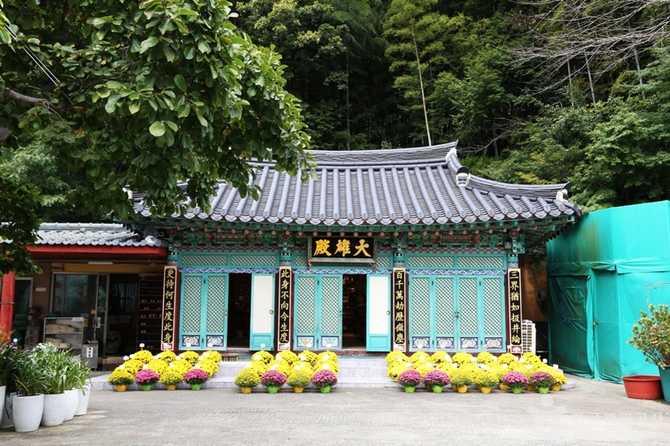
출처 : ⓒ한국관광콘텐츠랩 또는 ⓒ한국관광공사
Experience the Spiritual Beauty of Seongamsa Temple in Busan
Location 부산광역시 남구 진남로210번길 58-15 (문현동)
Location 부산광역시 남구 진남로210번길 58-15 (문현동)
Planning a visit to Busan and interested in exploring its rich Buddhist culture and scenic natural landscapes? Seongamsa Temple offers a unique opportunity to immerse yourself in Korea’s spiritual heritage while enjoying breathtaking views and legendary stories. Located on the foothills of Hwangryeongsan Mountain, Seongamsa is renowned for its historical significance, tranquil atmosphere, and fascinating legends such as the turtle-shaped rock that symbolizes prosperity and good fortune. Whether you’re a devotee, history enthusiast, or nature lover, this sacred site provides a meaningful experience that combines tradition, nature, and myth.
In this guide, you’ll discover everything you need to know about Seongamsa Temple in Busan—its location, historical background, cultural events, visiting tips, and more. From its origins during the late Goryeo Dynasty to its modern-day religious activities, Seongamsa continues to serve as a spiritual hub for locals and visitors alike. The temple’s scenic setting amidst lush greenery, along with its legendary turtle rock, makes it a must-visit destination for those seeking serenity and cultural enrichment in Busan.
At a glance
- Who this is for
-
- Travelers exploring Busan’s cultural and spiritual sites
- Those interested in Korean Buddhist traditions
- Nature lovers seeking scenic temples and legends
- History enthusiasts wanting to learn about local legends
- Visitors looking for tranquil retreats in the city
- Key takeaways
-
- Located at 58-15 Jinnam-ro 210beon-gil, Nam-gu, Busan
- Open year-round, free admission, parking available
- Famous for the turtle-shaped rock and legendary stories
- Hosts regular Buddhist ceremonies and educational programs
- Surrounded by natural scenery ideal for meditation and reflection
- Tips & cautions
-
- Respect the natural environment and avoid littering
- Check the schedule of ceremonies before visiting
- Wear comfortable clothing suitable for walking and prayer
- Use public transportation or taxis for easier access
- Bottom line
- Seongamsa Temple offers a serene blend of natural beauty, legendary tales, and spiritual tradition, making it a meaningful stop on your Busan journey.
Seongamsa Temple in Busan is a sacred site nestled at the foot of Hwangryeongsan Mountain, offering visitors a chance to experience Korea’s deep Buddhist roots and legendary stories firsthand. The temple’s location on a scenic hillside provides stunning views and a peaceful environment perfect for meditation and reflection. With a history dating back to the late Goryeo Dynasty, Seongamsa has long been a center for religious practice, cultural events, and spiritual learning.
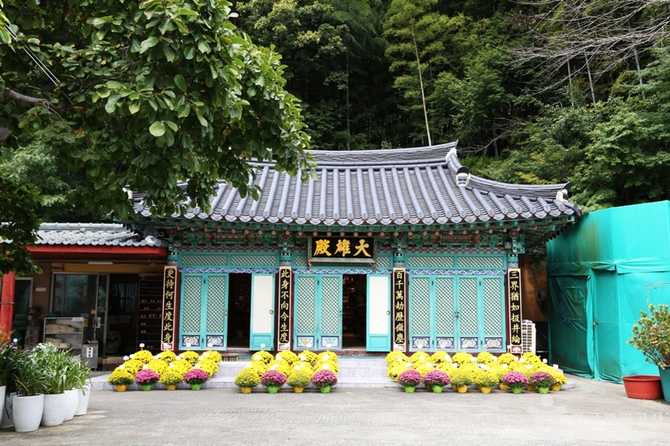
One of the most famous legends associated with Seongamsa is the turtle-shaped rock, which is believed to symbolize prosperity, longevity, and good fortune. Many visitors and devotees come here to pray for personal wishes, especially for family well-being and financial success. The temple also hosts traditional ceremonies and Buddhist educational programs throughout the year, welcoming both locals and travelers seeking a deeper understanding of Korean Buddhist culture.
Whether you are interested in exploring historical sites, enjoying scenic natural landscapes, or participating in spiritual practices, Seongamsa Temple offers a rich and authentic experience. Its tranquil atmosphere and legendary stories make it a must-visit destination for those seeking a meaningful connection with Korea’s spiritual heritage in the heart of Busan.
Overview of Seongamsa Temple in Busan
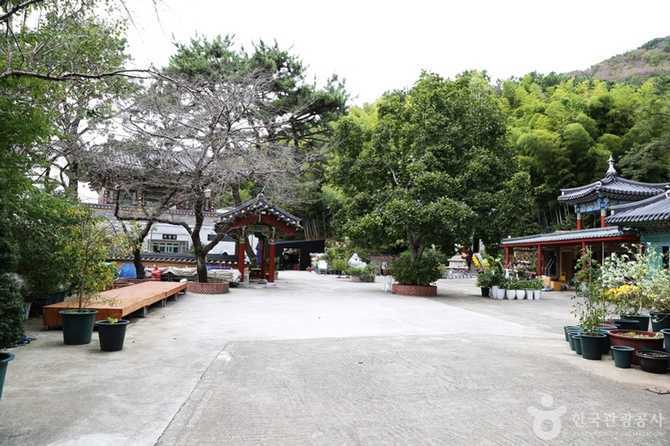
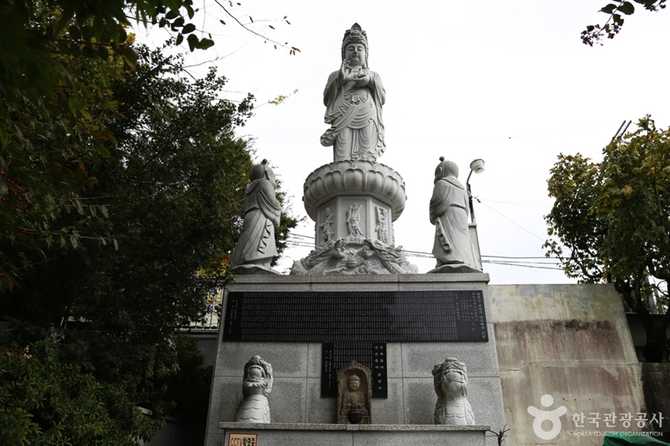
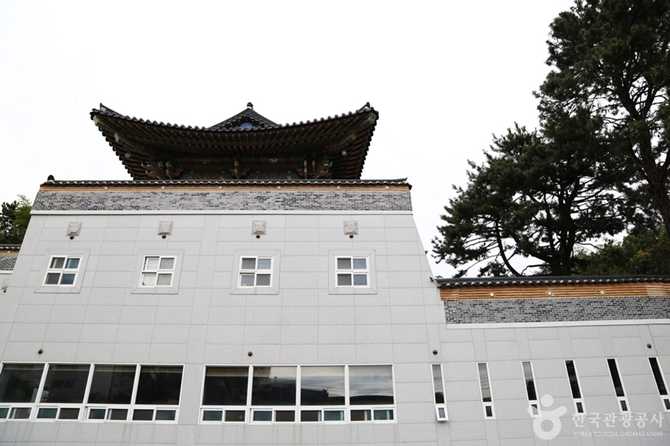
Seongamsa Temple is a historic Buddhist temple nestled on the scenic slopes of Hwangryeongsan Mountain in Busan. Renowned for its harmonious integration with nature and legendary stories, Seongamsa offers visitors a unique glimpse into Korea’s spiritual and cultural heritage. As a prominent temple in the region, it has played a vital role in local Buddhist practices since its founding during the late Goryeo Dynasty. The temple’s picturesque setting, surrounded by lush greenery and iconic natural formations like the turtle-shaped rock, makes it an ideal destination for those seeking tranquility, reflection, and cultural enrichment. Visitors can explore traditional architecture, participate in religious ceremonies, and enjoy the scenic beauty that has inspired legends for centuries. The temple is open year-round, welcoming travelers, pilgrims, and history enthusiasts alike, free of charge. Its location at 58-15 Jinnam-ro 210beon-gil, Nam-gu, Busan, offers easy access via public transportation or taxi, making it a convenient spiritual retreat within the bustling city. Whether you are interested in learning about Korean Buddhist traditions, exploring legendary sites, or simply enjoying a peaceful natural environment, Seongamsa provides a meaningful experience that combines history, myth, and serenity in one remarkable destination.
Comparison of Key Features of Seongamsa Temple
| Feature | Details |
|---|---|
| Location | 58-15 Jinnam-ro 210beon-gil, Nam-gu, Busan |
| Opening Hours | Open year-round, 24/7 access |
| Admission Fee | Free |
| Facilities | Parking, restrooms, traditional prayer halls |
| Main Attractions | Turtle-shaped rock, legendary sites, Buddhist ceremonies |
| Accessibility | Accessible by bus or taxi; walking recommended for nearby scenic spots |
| Special Features | Legend of the turtle-shaped rock, traditional Buddhist rituals, educational programs |
Visit Checklist for Seongamsa Temple
- Check the schedule of ceremonies: Confirm dates for special Buddhist ceremonies such as the 초하루법회 or 인등재일법회 to participate actively.
- Wear comfortable clothing: Dress appropriately for temple visits, including modest attire and comfortable shoes suitable for walking and prayer.
- Plan transportation: Use public buses or taxis for convenient access, and verify schedules beforehand to avoid inconvenience.
- Respect the environment: Be mindful of the natural surroundings by disposing of trash properly and avoiding damage to sacred sites.
- Prepare for meditation and reflection: Bring items like a water bottle, hat, or umbrella if visiting during sunny days, and arrive early to enjoy the peaceful atmosphere.
Visitor Information and Facilities at Seongamsa Temple
| Facility | Details |
|---|---|
| Operating Hours | Open year-round, 24 hours a day |
| Admission Fee | Free of charge |
| Parking Facilities | Available free parking on-site |
| Restrooms | Available for visitors |
| Accessibility | Accessible by bus or taxi; walking recommended for scenic spots nearby |
| Additional Facilities | Information center, prayer halls, souvenir shop |
Tips & Precautions for Visiting Seongamsa Temple
- Check event schedules: Before your visit, verify the dates for special ceremonies such as the 초하루법회 (First Day of the Lunar Month Ceremony) or 인등재일법회 (Lantern Festival Ceremony) to participate actively.
- Dress appropriately: Wear modest and comfortable clothing suitable for temple visits, including shoes that are easy to walk in.
- Plan your transportation: Use public buses or taxis to reach the temple easily. Confirm schedules and routes in advance to avoid delays.
- Respect sacred spaces: Maintain silence or speak softly inside the temple grounds. Refrain from taking photos in restricted areas and avoid disruptive behavior.
- Prepare for reflection: Bring essentials such as water, sun protection (hat or umbrella), and comfortable walking shoes to enjoy the peaceful environment fully.
- Environmental awareness: Dispose of trash properly and avoid damaging natural or cultural sites to help preserve the temple’s pristine environment.
- Participate respectfully: When attending ceremonies or rituals, follow the guidance of monks or staff, and observe proper etiquette during prayer and offerings.
Whether you visit during the day or evening, Experience the Spiritual Beauty of is a meaningful stop on any Seoul itinerary for history-minded travelers.
Frequently Asked Questions (FAQ)
Q1: When is Seongamsa Temple open, and is there an entrance fee?
Seongamsa Temple is open year-round, 24 hours a day, and there is no entrance fee. Visitors can access the temple at any time without charge.
Q2: How can I get to Seongamsa Temple using public transportation?
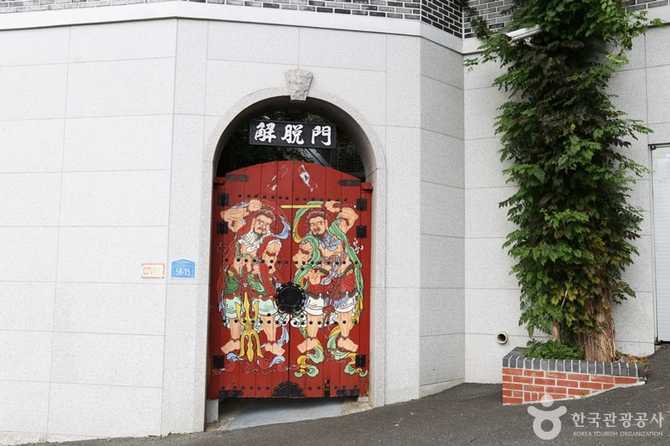
The temple is located at 58-15 Jinnam-ro 210beon-gil, Nam-gu, Busan. The most convenient way is by bus or taxi; check local bus routes and schedules for accurate timings.
Q3: What are the main legends or attractions at Seongamsa Temple?
The most famous legend involves the turtle-shaped rock, which symbolizes prosperity and longevity. The temple also features the legendary site of the turtle egg, believed to bring good fortune.
Q4: How can I find out about the temple’s ceremonies and events?
Ceremony schedules such as the 초하루법회 and 인등재일법회 are usually posted on the temple’s official website or displayed on-site. It is advisable to check in advance for participation and timing.
Q5: Are there any tips for visiting Seongamsa Temple?
Wear comfortable, modest clothing suitable for walking and prayer. Respect the sacred environment by avoiding loud noises and refraining from taking photos in restricted areas.
Q6: What facilities are available at Seongamsa Temple for visitors?
The temple provides free parking, restrooms, an information center, prayer halls, and a souvenir shop. Accessibility by bus or taxi is recommended for convenience.
Experience the Spiritual and Cultural Richness of Seongamsa Temple in Busan
Visiting Seongamsa Temple in Busan offers a meaningful opportunity to connect with Korea’s deep Buddhist traditions, legendary stories, and stunning natural scenery. Nestled at the foot of Hwangryeongsan Mountain, this historic temple provides a tranquil environment perfect for reflection, meditation, and cultural exploration. Its legendary turtle-shaped rock and associated stories symbolize prosperity and longevity, making it a special destination for those seeking good fortune and spiritual blessings. Whether you are a devout practitioner, a history enthusiast, or a traveler eager to experience Korea’s rich heritage, Seongamsa will not disappoint. The temple’s accessible location, free admission, and facilities such as parking and restrooms make it a convenient and comfortable place to visit. Remember to check the temple’s schedule of ceremonies and events beforehand to fully enjoy the cultural and religious activities offered. Visiting Seongamsa in Busan allows you to immerse yourself in Korea’s spiritual traditions while enjoying the natural beauty and legendary tales that have been passed down for centuries. Make sure to take your time, show respect to the sacred site, and embrace the peaceful atmosphere that makes Seongamsa a truly unique destination in Busan.