
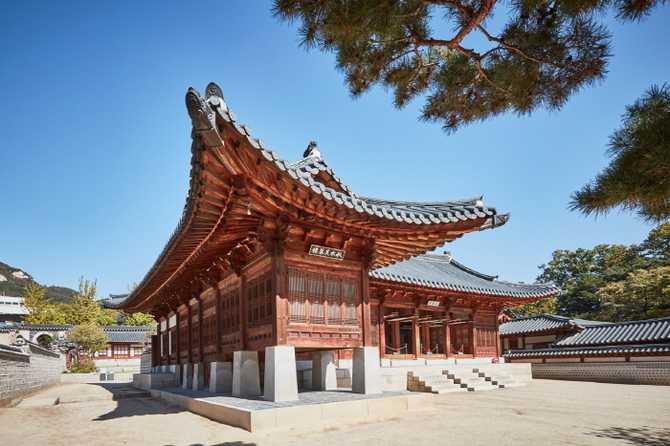
출처 : ⓒ한국관광콘텐츠랩 또는 ⓒ한국관광공사
Explore Gyeongungung Palace: A Historic Korean Royal Residence
Location 서울특별시 종로구 사직로 161 (세종로)
Location 서울특별시 종로구 사직로 161 (세종로)
Discover the rich history and restored beauty of Gyeongungung Palace, a significant cultural heritage site in Seoul. Whether you’re interested in Korea’s royal past, traditional architecture, or cultural preservation, visiting Gyeongungung offers an immersive experience into Joseon Dynasty’s royal lifestyle and architectural grandeur. This guide provides essential information for international travelers eager to explore Korea’s royal palaces, with detailed insights into the history, architecture, and visiting tips for Gyeongungung Palace.
Gyeongungung Palace, located in Jongno-gu, Seoul, is a restored royal residence built in 1873 during the Joseon Dynasty. As a key part of Korea’s royal heritage, it served as the living and working space for the king and queen, reflecting traditional Korean palace architecture and cultural practices. Today, the palace has been carefully restored to showcase the elegance of Joseon-era design, offering visitors a glimpse into Korea’s regal past. Whether you’re a history enthusiast or a cultural explorer, Gyeongungung provides a captivating journey through Korea’s royal history, with preserved structures like Jangandang (King’s quarters) and Gonnyeonghab (Queen’s quarters). This site also bears witness to historical events, such as the 1895 Eulmi Incident, making it a meaningful destination for those interested in Korea’s historical narrative.
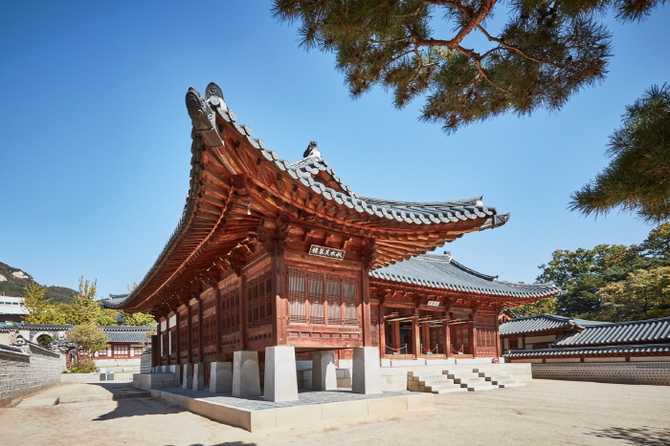
Planning your visit to Gyeongungung Palace involves understanding its key features, opening hours, and visitor guidelines. The palace is open year-round, with seasonal variations in operation hours, and is closed on Tuesdays. The restoration process, completed in 2007, blends traditional architecture with modern preservation techniques, ensuring visitors experience the historical authenticity of the site. As some areas may be restricted during restoration or special events, checking the official website before your visit is recommended. This guide aims to help international travelers make the most of their exploration of Korea’s royal palaces by providing comprehensive, practical information about Gyeongungung Palace’s history, architecture, and visitor tips.
At a glance
- Who this is for
-
- Travelers interested in Korean royal history and culture
- History and architecture enthusiasts exploring Seoul’s cultural sites
- Tourists planning a cultural heritage trip in Jongno-gu
- Students and scholars studying Korean history and architecture
- Key takeaways
-
- Gyeongungung Palace was built in 1873 as a royal residence during the Joseon Dynasty.
- The palace features traditional Korean architecture reflecting Joseon-era design.
- Restored in 2007, it blends historical authenticity with modern preservation.
- Major spaces include King’s quarters (Jangandang) and Queen’s quarters (Gonnyeonghab).
- Open year-round, but closed on Tuesdays; check hours before visiting.
- Tips & cautions
-
- Some areas may be restricted during restoration or special events.
- Visit the official website for current opening hours and closures.
- Wear comfortable shoes and be cautious on uneven traditional flooring.
- Arrive early to avoid crowds and enjoy a more tranquil experience.
- Bottom line
- Gyeongungung Palace is a must-visit cultural site that beautifully encapsulates Korea’s royal history and traditional architecture.
Gyeongungung Palace Overview & Historical Background
Gyeongungung Palace, located in the heart of Seoul’s Jongno-gu district, is a significant cultural heritage site that offers a glimpse into Korea’s royal history and architectural traditions. Built in 1873 during the late Joseon Dynasty, it served as a secondary palace and a residence for the king and queen. This historic site is renowned for its harmonious blend of traditional Korean architecture and historical significance, making it a must-visit destination for travelers interested in Korea’s royal past. The name “Gyeongungung” reflects its status as a royal residence, with “Gyeong” meaning respect or honor, and “Gung” indicating a palace or residence.
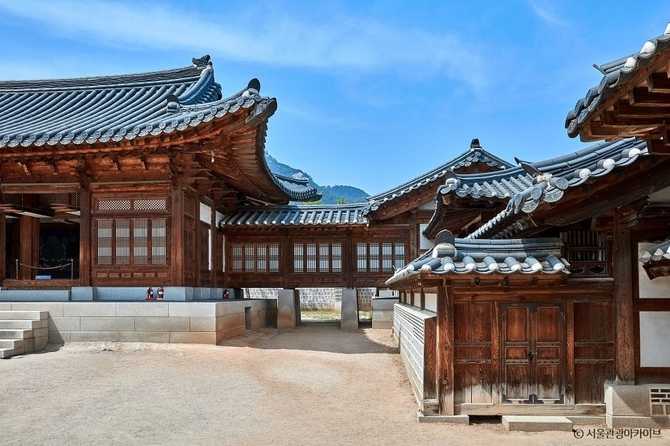
Throughout its history, Gyeongungung Palace played a vital role in the daily life of the Joseon royal family. It was constructed to reflect the architectural style of the period, emphasizing symmetry, elegance, and harmony with nature. The palace’s strategic location north of Gyeongbokgung Palace allowed it to serve as a secondary royal residence, especially during times of political or social upheaval. Notably, it was the residence of King Gojong and Queen Myeongseong (also known as Queen Min) for about ten years, during which many political and cultural events took place.
In 1895, following the Eulmi Incident, which involved political unrest and the assassination of Queen Min, the palace’s role diminished. Over the years, Gyeongungung faced neglect and damage but was eventually restored in 2007 using modern preservation techniques and historical records. Today, the palace stands as a symbol of Korea’s royal heritage, meticulously restored to showcase its original architectural beauty and cultural significance. Visitors can explore its main halls, including the King’s quarters (Jangandang) and the Queen’s quarters (Gonnyeonghab), gaining insight into the royal lifestyle and the historical events that shaped Korea’s history. Gyeongungung Palace is a vital site for understanding the evolution of Korean palace architecture and royal customs, making it an essential stop for those interested in Korea’s rich cultural history.
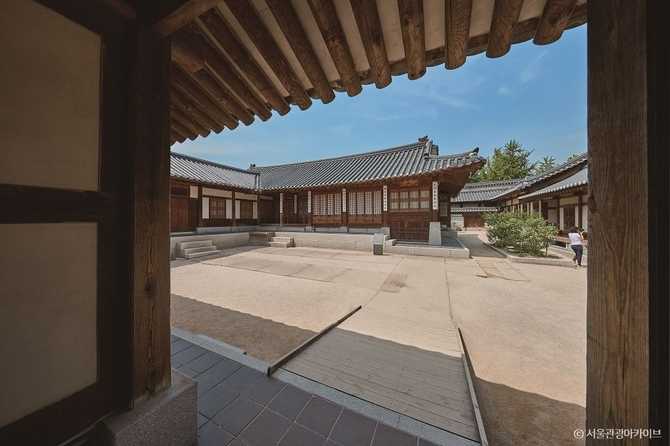
Comparison of Architectural Style & Restoration Process
| Aspect | Details |
|---|---|
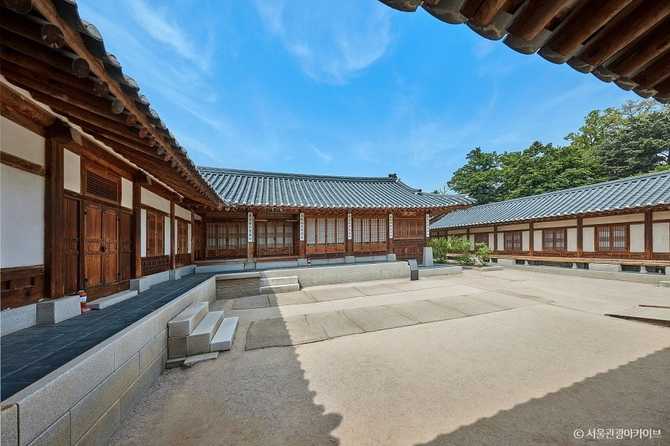
| Architectural Style | Gyeongungung features traditional Korean palace architecture that reflects the Joseon Dynasty’s aesthetic principles. It incorporates symmetrical layouts, elegant wooden structures, dancheong (colorful decorative painting on wooden buildings), and tiled roofs with upturned eaves. The design emphasizes harmony with nature, with buildings oriented to maximize airflow and natural light. The palace’s layout includes main halls, living quarters, and auxiliary buildings, all arranged in a balanced manner. |
| Restoration Process | Restoration of Gyeongungung was completed in 2007, utilizing advanced modern technology combined with historical records and traditional construction techniques. The process involved meticulous research to preserve original architectural features, structural integrity, and aesthetic details. Modern materials were carefully integrated to ensure durability while maintaining historical authenticity. The restoration aimed to recreate the palace’s original appearance, including its wooden structures, decorative elements, and overall layout, making it accessible and educational for visitors today. |
| Purpose & Significance | The primary goal of the restoration was to preserve Korea’s cultural heritage and provide an educational experience that highlights traditional Korean architecture. It also aimed to restore the palace’s role as a cultural and historical site, allowing visitors to appreciate the craftsmanship and design principles of the Joseon era. The process balanced historical accuracy with modern preservation standards, ensuring the site’s longevity for future generations. |
Main Spaces & Interior Highlights
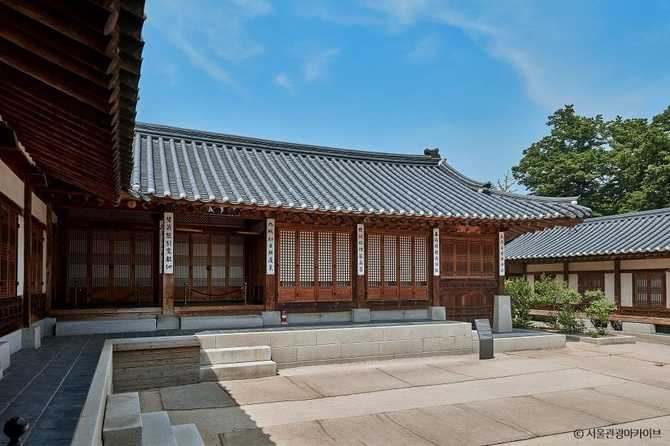
- Jangandang (King’s Quarters): The main hall where the king conducted official duties and held court. It features traditional wooden architecture, intricate dancheong painting, and a spacious interior designed to reflect authority and dignity.
- Gonnyeonghab (Queen’s Quarters): The residence for the queen, showcasing delicate wooden craftsmanship and elegant interior design. It emphasizes comfort and privacy, with traditional furnishings and decorative elements.
- Connecting Corridors: The palace’s layout includes well-preserved corridors that connect various buildings, allowing smooth movement within the complex. These corridors are characterized by wooden beams, tiled roofs, and traditional paper windows.
- Inner Courtyards: Open spaces within the palace grounds that served as areas for ceremonies and gatherings. They are landscaped with stones, trees, and traditional paving, providing a serene environment.
- Restored Decorative Elements: The palace features restored dancheong patterns, wooden carvings, and traditional Korean roof tiles that highlight the craftsmanship of the Joseon era. These details enhance the aesthetic appeal and historical authenticity.
Visiting Hours & Practical Tips for Gyeongungung Palace
| Season | Opening Hours | Remarks |
|---|---|---|
| January – February | 09:00 – 17:00 (last admission 16:00) | Closed on Tuesdays |
| March – May | 09:00 – 18:00 (last admission 17:00) | Closed on Tuesdays |
| June – August | 09:00 – 18:30 (last admission 17:30) | Closed on Tuesdays |
| September – October | 09:00 – 18:00 (last admission 17:00) | Closed on Tuesdays |
| November – December | 09:00 – 17:00 (last admission 16:00) | Closed on Tuesdays |
Visitor Tips & Precautions
- Check the official website or contact the visitor center before your visit for any updates on restricted areas due to restoration or special events.
- Plan to arrive early in the day to avoid crowds and enjoy a more peaceful experience.
- Wear comfortable shoes suitable for walking on traditional uneven surfaces.
- Bring water and sun protection, especially during the warmer months.
- Be mindful of security procedures; personal belongings will be subject to security checks upon entry.
- Respect the historical site by not touching or damaging the restored structures and decorations.
Visitor Guidelines & Important Notes for Gyeongungung Palace
- Verify opening hours and holiday closures on the official website.
- Arrive early to avoid peak times and enjoy the tranquility of the site.
- Wear comfortable shoes suitable for walking on traditional flooring.
- Bring water, sun protection, and any necessary personal items.
- Follow security procedures and cooperate with staff during security checks.
- Respect the cultural and historical integrity of the palace by not touching or damaging any structures.
Whether you visit during the day or evening, Explore Gyeongungung Palace is a meaningful stop on any Seoul itinerary for history-minded travelers.
Frequently Asked Questions (FAQ)
Q1: When was Gyeongungung Palace built?
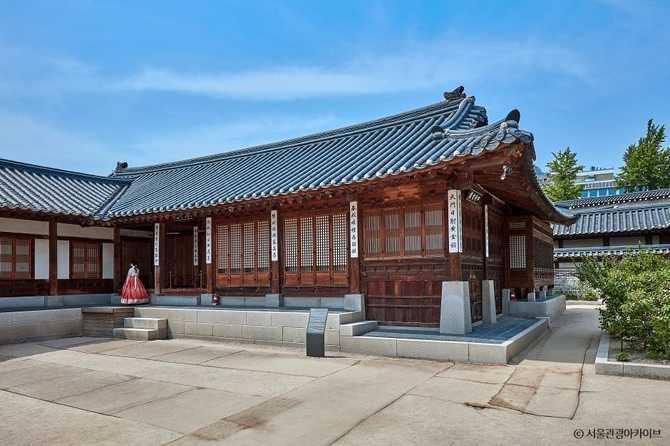
An: Gyeongungung Palace was constructed in 1873 during the late Joseon Dynasty as a secondary royal residence for the king and queen.
Q2: What architectural style does Gyeongungung Palace feature?
An: The palace showcases traditional Korean palace architecture from the Joseon era, including symmetrical layouts, wooden structures, dancheong decorative painting, and tiled roofs with upturned eaves.
Q3: What are the main spaces inside Gyeongungung Palace?
An: The main spaces include Jangandang, the king’s residence and official hall, and Gonnyeonghab, the queen’s residence, both connected by traditional corridors and surrounded by courtyards.
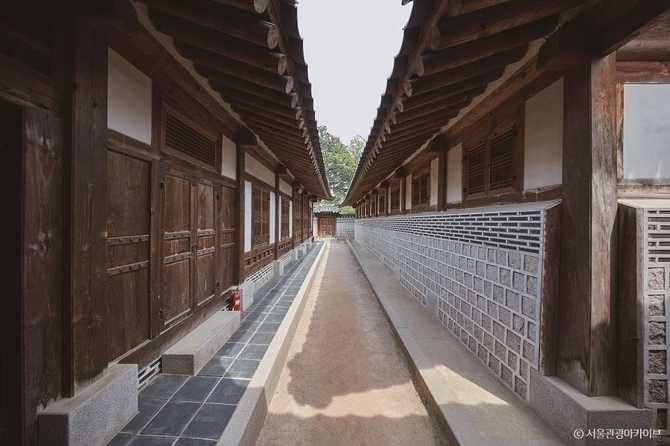
Q4: Is Gyeongungung Palace open year-round?
An: Yes, the palace is open throughout the year, but it is closed on Tuesdays. Hours may vary seasonally, so it’s best to check before visiting.
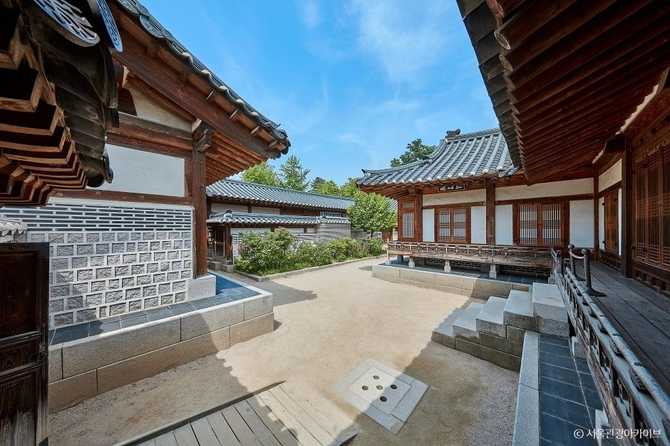
Q5: Are there parking facilities available at Gyeongungung Palace?
An: Yes, the site offers parking for up to 50 buses and 240 cars, making it convenient for visitors arriving by private vehicle or tour bus.
Q6: How was Gyeongungung Palace restored?
An: The palace was restored in 2007 using modern preservation techniques combined with historical records, aiming to accurately replicate its original appearance and architectural details.
Final Thoughts on Visiting Gyeongungung Palace
Visiting Gyeongungung Palace offers a unique opportunity to immerse yourself in Korea’s rich royal history and traditional architecture. As a vital part of Seoul’s cultural heritage, this historic site provides insight into the lifestyle of the Joseon Dynasty’s royal family, with restored buildings that beautifully blend historical authenticity and modern preservation techniques. Whether you’re fascinated by Korea’s royal customs, architectural craftsmanship, or historical events such as the 1895 Eulmi Incident, Gyeongungung Palace is a meaningful destination that enriches your understanding of Korea’s past. Its well-preserved spaces like the King’s quarters and Queen’s residence allow visitors to step back in time and appreciate the elegance of traditional Korean palace design. Remember to check the official website before your visit for current opening hours and any restrictions, especially during restoration or special events. A visit to Gyeongungung Palace promises a memorable experience that deepens your appreciation of Korea’s cultural and historical legacy, making it a must-see for travelers eager to explore Korea’s royal heritage in depth.