
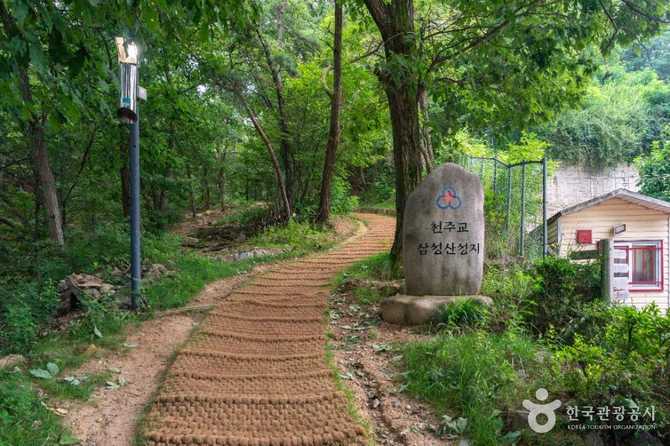
출처 : ⓒ한국관광콘텐츠랩 또는 ⓒ한국관광공사
Visit Samsung Mountain Martyrs’ Shrine: Korea’s Historic Catholic Sacred Site
Location 서울특별시 관악구 호암로 454-16
Location 서울특별시 관악구 호암로 454-16
Discover the profound history and spiritual significance of Samsung Mountain Martyrs’ Shrine, a revered site where Korea’s Catholic saints and martyrs are honored. Whether you’re a history enthusiast, a devout pilgrim, or a curious traveler, visiting this sacred place offers a unique opportunity to connect with Korea’s rich Catholic heritage and witness the enduring legacy of faith and sacrifice.
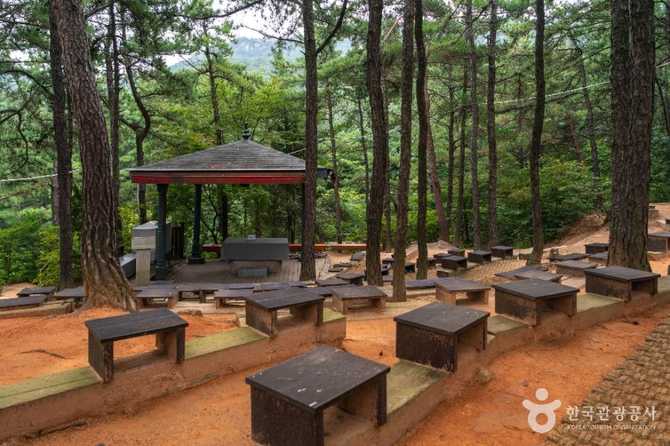
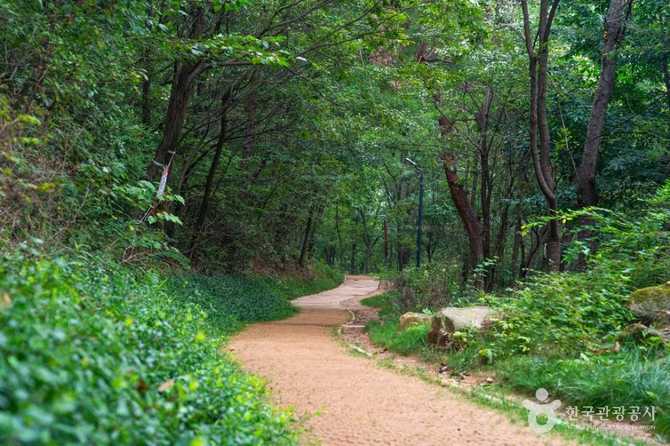
Samsung Mountain Martyrs’ Shrine is not just a historical landmark but a living testament to the resilience and devotion of Korea’s early Catholic community. This shrine, which houses the remains of saints and martyrs who suffered during the persecutions of the Joseon Dynasty, provides visitors with a meaningful experience of Korea’s religious history. It is a place where faith, history, and culture converge, offering deep insights into the sacrifices made for religious freedom. As you walk through the tranquil grounds, you can reflect on the courage of those who stood firm in their beliefs despite severe persecution, and gain a deeper understanding of the roots of Catholicism in Korea.

In this guide, you will find essential information about Samsung Mountain Martyrs’ Shrine, including its historical background, visiting hours, how to get there, and tips for a respectful visit. Whether you are planning a pilgrimage or an educational trip, understanding the significance of this sacred site will enrich your experience. From the story of the martyrs to the current management and visitor guidelines, this site remains a vital part of Korea’s Catholic identity. Prepare to immerse yourself in a sacred space that embodies faith, sacrifice, and history, and discover why Samsung Mountain Martyrs’ Shrine continues to inspire countless visitors each year.
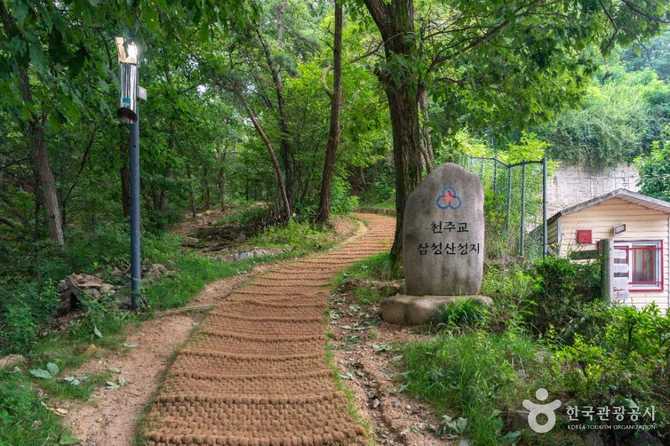
Table of Contents
At a glance
- Who this is for
-
- History enthusiasts interested in Korea’s Catholic past
- Devout Catholics seeking pilgrimage sites
- Travelers exploring Korea’s religious and cultural heritage
- Students and researchers studying Korean religious history
- Key takeaways
-
- Houses the relics of Catholic martyrs from the 1839 persecution
- Includes remains of key figures like Bishop Laurent Imbert
- Open year-round for visitors, free entry
- Located in Seoul’s Gwanak District, accessible by public transport
- Symbolizes Korea’s resilient Catholic faith and sacrifice
- Tips & cautions
-
- Visit with respect, maintaining a quiet demeanor
- Dress modestly and appropriately for a sacred site
- Avoid taking photos during prayer or ceremonies
- Check special event schedules before visiting
- Use designated parking areas and follow local guidelines
- Bottom line
- Samsung Mountain Martyrs’ Shrine is a vital cultural and religious site that offers a profound glimpse into Korea’s Catholic history and the sacrifices of its early saints.
Samsung Mountain Martyrs’ Shrine: Overview & Historical Background
Samsung Mountain Martyrs’ Shrine is a sacred historical site in Korea that commemorates the Catholic saints and martyrs who suffered during the persecutions of the Joseon Dynasty. Located in Seoul’s Gwanak District, this shrine holds the relics of those who sacrificed their lives for their faith, making it an essential destination for visitors interested in Korea’s religious history. The shrine’s significance extends beyond its role as a burial site; it embodies the resilience, devotion, and enduring spirit of Korea’s early Catholic community. Established to honor the martyrs of the 1839 persecution, the shrine houses the remains of prominent figures such as Bishop Laurent Imbert, who played a crucial role in the development of Catholicism in Korea.
The history of Samsung Mountain Martyrs’ Shrine dates back to the early 19th century, during the period of intense religious persecution under the Joseon Dynasty. The martyrs’ remains were initially buried at different locations but were later moved to the current site, which is now part of the Myeongdong Cathedral complex. This relocation was part of efforts to preserve and honor their sacrifice. The shrine was officially recognized as a significant religious site in 1925 when the martyrs were beatified, and later canonized as saints in 1984. Visiting this shrine offers a profound opportunity to reflect on Korea’s Catholic history, the courage of its early believers, and the importance of religious freedom. It remains a symbol of faith and sacrifice, inspiring countless visitors and pilgrims each year.

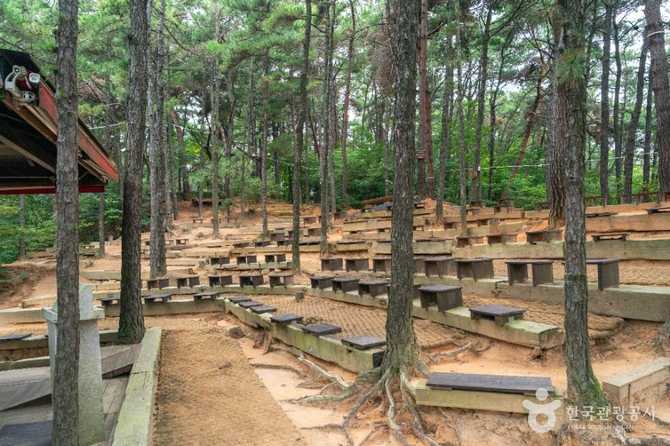
Today, Samsung Mountain Martyrs’ Shrine continues to serve as a place of prayer, remembrance, and pilgrimage. It is open year-round and welcomes visitors interested in exploring Korea’s Catholic heritage. The site’s tranquil atmosphere encourages respectful reflection and connection with the history of those who endured persecution for their beliefs. Whether you are a devout Catholic, a history enthusiast, or simply curious about Korea’s religious past, visiting this shrine provides a meaningful experience that highlights the profound sacrifices made for faith and freedom.

Comparison of Historical Movements of Martyrs’ Remains
| Location | Event / Description | Year |
|---|---|---|
| Saenamteo (Seoul) | Initial burial site for many martyrs after execution during the persecution | 1839 |
| Temporary relocation | Remains were moved to a temporary site for preservation and reverence | 1843 |
| Samsung Mountain (Hiking site) | Relocation of remains to Samsung Mountain, a site of pilgrimage and reflection | 1843 |
| Myeongdong Cathedral (Seoul) | Final relocation and current burial site of the martyrs’ relics | Present day |
Current Management & Visitor Information
- Opening Hours: Open year-round, 24 hours a day with no restrictions on visiting time.
- Entrance Fee: Free admission for all visitors.
- Location: 454-16 Hoam-ro, Gwanak-gu, Seoul, South Korea.
- Transportation: Easily accessible via public transportation, including buses and subway lines. The nearest subway station is Seoul National University Station, Exit 2.
- Parking: Available on-site with designated parking areas for visitors.
- Contact Information: Phone: 02-875-2271 | Website: https://www.ssssd.or.kr
Visitors are encouraged to arrive with respectful attire and conduct, especially during religious ceremonies or special commemorative events. The shrine’s peaceful environment makes it suitable for reflection and prayer. For those planning a pilgrimage or a historical exploration, it’s advisable to check the official website or contact the management in advance for any updates on special events or temporary changes in visiting hours. Accessibility is straightforward, and the site is designed to accommodate visitors with different needs, ensuring everyone can experience the profound history and spiritual significance of Samsung Mountain Martyrs’ Shrine.
Visiting Tips & Important Guidelines for Samsung Mountain Martyrs’ Shrine
- Dress Modestly: Wear respectful and modest clothing, especially if you plan to participate in prayer or ceremonies. Avoid casual or revealing attire to honor the sacred atmosphere.
- Maintain Silence and Respect: Keep noise levels low, speak quietly, and behave respectfully to preserve the peaceful environment for all visitors and worshippers.
- Photography Etiquette: When taking photos, be considerate of others. Refrain from photographing during prayers or ceremonies. Always ask for permission if photographing individuals or religious artifacts.
- Avoid Food and Smoking: Do not consume food, drinks, or smoke within the shrine grounds to maintain cleanliness and reverence.
- Check Special Events: Before your visit, verify if there are any special ceremonies, memorial services, or events scheduled, as these may affect access or visitor procedures. Visit the official website or contact the management for updates.
- Use Parking Responsibly: Park only in designated areas. Follow local traffic and parking guidelines to ensure safety and convenience for all visitors.
- Bring Personal Items: Carry necessary personal belongings, such as water, a hat, or umbrella for sun protection. Keep your valuables secure and avoid leaving them unattended.
- Follow Signage and Guidelines: Observe all posted signs and instructions from staff or volunteers to ensure a respectful and safe visit.
- Arrive Prepared: Plan your visit ahead by checking the official website for any updates or special instructions. Arriving early or during less busy hours can enhance your experience.
The Significance of Samsung Mountain Martyrs’ Shrine in Korean Catholic Heritage
- Historical Commemoration: The shrine honors the Catholic martyrs who suffered during the 1839 persecution, symbolizing their sacrifice and unwavering faith.
- Religious Heritage: It houses relics of prominent figures like Bishop Laurent Imbert and other early missionaries, serving as a spiritual anchor for Korean Catholics.
- Cultural Symbol: Recognized as a national heritage site, it embodies Korea’s resilience in maintaining religious freedom amidst persecution.
- Educational Value: The shrine provides insight into Korea’s Catholic history, making it a valuable site for students, researchers, and pilgrims alike.
- Annual Commemorations: Key dates such as September 21 (Martyrs’ Day) and Easter see special ceremonies, reinforcing the ongoing legacy of faith and sacrifice.
- Spiritual Reflection: Visitors can meditate on the courage and sacrifice of the early believers, deepening their own faith and understanding of religious perseverance.
Frequently Asked Questions (FAQ)
Q1: What is the historical significance of Samsung Mountain Martyrs’ Shrine?
Samsung Mountain Martyrs’ Shrine commemorates the Catholic saints and martyrs who suffered during the 1839 persecution in Korea. It houses their relics and symbolizes the resilience and faith of Korea’s early Catholic community.
Q2: Who are the key figures whose remains are enshrined at Samsung Mountain Martyrs’ Shrine?
The shrine contains the relics of Bishop Laurent Imbert, the second Catholic bishop in Korea, along with other early martyrs like Father Moberet and Father Chastan, who contributed to the establishment of Catholicism in Korea.
Q3: When is the best time to visit Samsung Mountain Martyrs’ Shrine?
The shrine is open year-round, 24 hours daily, making it accessible at any time. However, visiting during the martyr’s feast day on September 21 or during Easter offers special ceremonies and reflections.
Q4: What should visitors keep in mind when visiting Samsung Mountain Martyrs’ Shrine?
Visitors should dress modestly, behave respectfully, and maintain silence to honor the sacred atmosphere. Photography should be considerate, especially during prayers or ceremonies, and food or smoking are not permitted on the grounds.
Q5: How can I get to Samsung Mountain Martyrs’ Shrine using public transportation?
The shrine is located at 454-16 Hoam-ro, Gwanak-gu, Seoul. It is easily accessible via Seoul National University Station on Line 2, Exit 2, with nearby bus stops. Parking is available on-site for visitors arriving by car.
Q6: Is there an entrance fee to visit Samsung Mountain Martyrs’ Shrine?
No, admission to Samsung Mountain Martyrs’ Shrine is free. Visitors can explore the site and pay respects without any cost, and parking facilities are also available for free.
Closing and Final Tips for Visiting Samsung Mountain Martyrs’ Shrine
Visiting Samsung Mountain Martyrs’ Shrine offers a profound opportunity to connect with Korea’s rich Catholic history and honor the sacrifices of early Christian martyrs. To make your experience respectful and meaningful, it is important to approach the site with reverence and mindfulness. Remember to dress modestly, maintain a quiet demeanor, and behave respectfully during your visit. Taking the time to learn about the history and significance of the shrine beforehand can deepen your appreciation and understanding of Korea’s Catholic heritage.
Whether you are on a pilgrimage, a historical exploration, or simply seeking a peaceful place for reflection, the shrine’s tranquil atmosphere is designed to foster contemplation and respect. Be sure to check the official website or contact the management in advance for any special events, ceremonies, or updates to visiting hours. Planning ahead ensures that your visit aligns with the shrine’s schedule and allows you to participate in meaningful commemorations if available.
Ultimately, a visit to Samsung Mountain Martyrs’ Shrine is a chance to honor Korea’s resilient faith community and reflect on the enduring spirit of sacrifice. By approaching the site with respect and preparation, you can gain a deeper appreciation of its historical and spiritual significance. Take your time to absorb the peaceful surroundings, pay homage to the martyrs, and leave with a renewed sense of faith and understanding. This sacred space continues to inspire countless visitors each year, offering a meaningful and memorable experience that highlights the profound history of Korean Catholicism.