
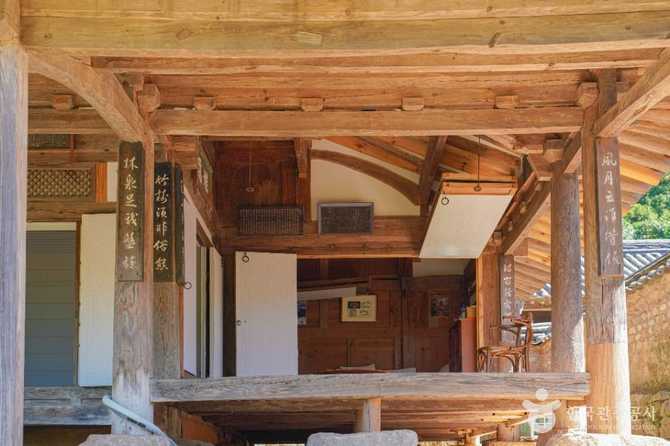
출처 : ⓒ한국관광콘텐츠랩 또는 ⓒ한국관광공사
Visit Jeonju’s Traditional Hanok Village: Experience Korea’s Cultural Heritage
Location 전남광주통합특별시 장흥군 관산읍 방촌길 101
Location 전남광주통합특별시 장흥군 관산읍 방촌길 101
Are you interested in exploring Korea’s rich cultural history through its traditional architecture? Discover the beauty of Korea’s preserved hanok villages, where centuries-old buildings offer a glimpse into traditional Korean life and craftsmanship. Visiting these sites provides an immersive experience into Korea’s cultural heritage, architecture, and history, making them must-see destinations for travelers seeking authentic cultural experiences.
In particular, the Jeonju Hanok Village stands out as a prime example of Korea’s traditional hanok architecture. This historic village showcases beautifully preserved hanok houses, offering visitors a chance to walk through streets that have maintained their original charm for hundreds of years. Whether you are a history enthusiast, architecture lover, or simply looking to enjoy Korea’s cultural ambiance, Jeonju Hanok Village provides an enriching experience.

At a glance
- Who this is for
-
- Travelers interested in Korean traditional architecture and culture
- History and culture researchers
- Tourists seeking authentic Korean cultural experiences
- Anyone wanting to explore Korea’s historical villages
- Key takeaways
-
- Jeonju Hanok Village features over 800 traditional hanok houses
- Located in Jeonju, North Jeolla Province
- Open year-round with free public access
- Offers cultural experiences such as tea ceremonies and traditional craft workshops
- Best visited on foot to enjoy the scenic streets and local shops
- Tips & cautions
-
- Visit early morning or late afternoon to avoid crowds
- Check local event schedules for cultural festivals
- Wear comfortable shoes for walking
- Respect local customs and traditional houses
- Bottom line
- Jeonju Hanok Village offers an authentic and immersive experience into Korea’s traditional architecture and cultural heritage, making it a must-visit destination.
Exploring Korea’s traditional hanok villages like Jeonju provides a unique opportunity to appreciate Korea’s architectural artistry and cultural history. These villages serve as living museums, where visitors can stroll through narrow alleys lined with beautifully preserved hanok houses, many of which are centuries old. The village is not only a window into Korea’s past but also a vibrant area filled with cafes, traditional restaurants, and craft shops, allowing visitors to enjoy local food and handmade souvenirs.
Whether you are interested in experiencing traditional Korean tea ceremonies, participating in cultural workshops, or simply admiring the intricate wooden architecture, Jeonju Hanok Village offers a rich, educational, and memorable journey. Its accessibility and open-air layout make it an ideal destination for all types of travelers, from families to solo explorers. Planning your visit with some basic knowledge about the site can enhance your experience, ensuring you make the most of your trip into Korea’s cultural heartland.
Overview of Jeonju Hanok Village: A Cultural Heritage Site
Jeonju Hanok Village is a renowned cultural landmark in South Korea that beautifully preserves traditional Korean architecture and lifestyle. Located in Jeonju, North Jeolla Province, this village offers visitors a unique glimpse into Korea’s historical and cultural heritage through its extensive collection of hanok houses, traditional crafts, and cultural experiences. The village is a living museum, where centuries-old buildings are meticulously maintained, allowing travelers to immerse themselves in Korea’s rich history and craftsmanship.

The primary focus of Jeonju Hanok Village is to showcase authentic Korean architecture, which dates back hundreds of years. The village features over 800 traditional hanok houses, many of which have been designated as cultural heritage sites. Visitors can stroll along narrow alleys lined with wooden buildings, enjoy traditional Korean food at local restaurants, and participate in cultural activities such as tea ceremonies and craft workshops. The village is open year-round and is easily accessible, making it an ideal destination for travelers interested in Korea’s cultural history.
What makes Jeonju Hanok Village particularly special is its preservation of traditional Korean lifestyle and architecture. Visitors can observe the layout of the houses, which often feature ondol floors, wooden beams, and tiled roofs, reflecting Korea’s architectural ingenuity. The village also hosts cultural festivals and events that celebrate Korea’s intangible cultural heritage, such as traditional music, dance, and craft demonstrations. Whether you are a history enthusiast, an architecture lover, or a curious traveler, Jeonju Hanok Village offers an enriching experience that connects you with Korea’s past and present.
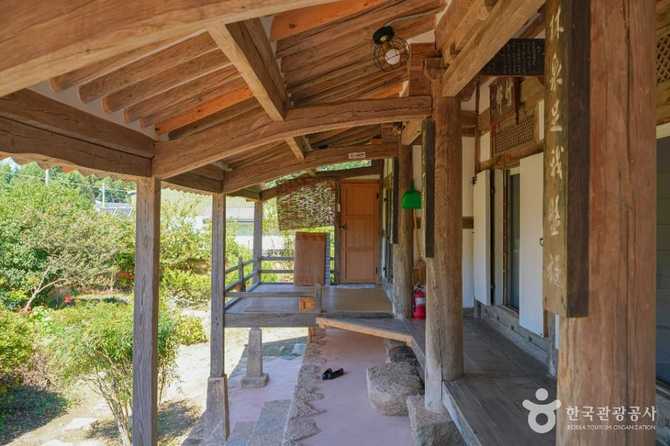
Overall, Jeonju Hanok Village stands out as a must-visit destination for those seeking an authentic cultural experience in Korea. Its well-preserved architecture, vibrant cultural scene, and welcoming atmosphere make it a perfect place to learn about traditional Korean life while enjoying modern hospitality. Visiting this historic village provides not only educational insights but also memorable moments that highlight Korea’s commitment to preserving its cultural legacy.
Comparison of Traditional Hanok Architecture Features
| Feature | Traditional Hanok Characteristics | Remarks |
|---|---|---|
| Layout | ‘ㄱ’ or ‘一’ shaped, with an inner courtyard | Designed for privacy and climate control |
| Materials | Wood, clay tiles, paper windows (Hanji) | Natural, eco-friendly materials |
| Roof | Tiled, gently curved | Traditional Korean aesthetic |
| Structural Support | Nemo or round wooden pillars | Provides stability and aesthetic appeal |
| Interior | Ondol (underfloor heating), wooden floors | Ensures warmth and comfort |
| Windows | Paper-covered wooden frames (Hanji) | Allows diffused natural light |
This comparison highlights the key architectural features that define traditional Korean hanok houses, which are exemplified in Jeonju Hanok Village. The harmonious use of natural materials, thoughtful layout, and aesthetic design reflect Korea’s cultural values and architectural ingenuity.
Checklist for Visiting Jeonju Hanok Village
- Wear comfortable walking shoes, as exploring the village involves strolling through narrow alleys and uneven paths.
- Bring a camera to capture the picturesque scenery and traditional architecture.
- Check the local event schedule for cultural festivals or workshops happening during your visit.
- Respect local customs and avoid loud noises to preserve the peaceful atmosphere.
- Visit early in the morning or late afternoon to enjoy fewer crowds and better lighting for photography.
Visitor Information and Practical Tips for Jeonju Hanok Village
| Item | Details |
|---|---|
| Opening Hours | Open year-round, 24 hours (free access, no closing days) |
| Admission Fee | Free of charge |
| Location | 101 Bangchon-gil, Gwan-san-eup, Jeong-nam, Gwangju Metropolitan City |
| Transportation | Public transportation recommended; no parking available |
| Contact | Phone: 061-860-0228 |
Checklist for Visiting Jeonju Hanok Village
- Wear comfortable walking shoes suitable for uneven paths and narrow alleys.
- Bring a camera or smartphone to capture the scenic beauty and traditional architecture.
- Check for local cultural events, festivals, or workshops scheduled during your visit.
- Respect local customs and avoid loud noises to maintain the tranquil environment.
- Visit early in the morning or late in the afternoon for fewer crowds and better lighting for photos.
- Carry water and sun protection, especially during hot weather or summer months.
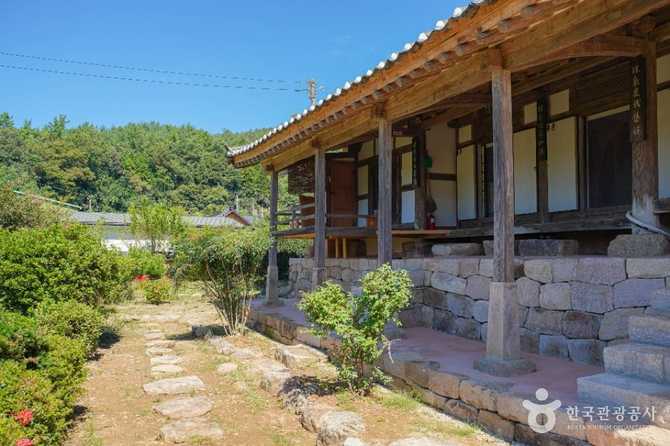
Whether you visit during the day or evening, Visit Jeonju’s Traditional Hanok Village is a meaningful stop on any Seoul itinerary for history-minded travelers.
Frequently Asked Questions (FAQ)
Q1: When is Jeonju Hanok Village open to visitors?
Jeonju Hanok Village is open year-round, 24 hours a day, with free public access. There are no specific closing days, allowing visitors to explore at any time.
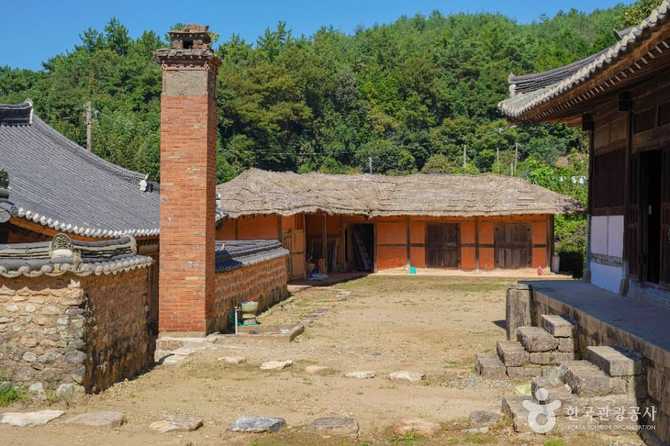
Q2: Is there an entrance fee for visiting Jeonju Hanok Village?
No, entrance to Jeonju Hanok Village is free. Visitors can freely walk around and enjoy the traditional architecture and cultural atmosphere without any admission charge.
Q3: How can I get to Jeonju Hanok Village using public transportation?

Jeonju Hanok Village is easily accessible by bus or taxi from Jeonju city center. It is recommended to use public transportation since there is no dedicated parking area for visitors.
Q4: What are the main architectural features of traditional Hanok houses in Jeonju?
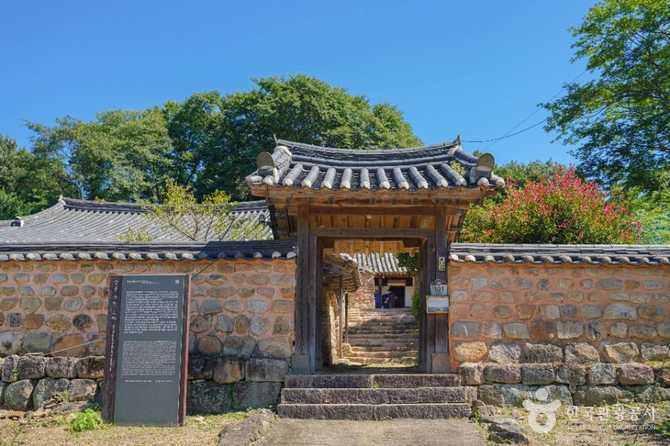
Traditional Hanok houses feature ‘ㄱ’ or ‘一’ shaped layouts, tiled curved roofs, wooden pillars, and paper-covered windows. They often include ondol underfloor heating and natural materials like wood and clay tiles.
Q5: Are there any cultural activities or workshops available at Jeonju Hanok Village?
Yes, visitors can participate in traditional Korean cultural experiences such as tea ceremonies, craft workshops, and cultural festivals held periodically throughout the year.

Q6: Are there any restrictions or tips for photographing inside the houses?
Inside traditional houses, photography may be restricted to protect residents’ privacy and preserve the buildings. It is advisable to check local guidelines and be respectful when taking photos.
Final Thoughts on Visiting Jeonju Hanok Village
Exploring Korea’s traditional architecture and cultural heritage is a truly enriching experience, and visiting Jeonju Hanok Village offers an authentic glimpse into Korea’s rich history. This vibrant village not only showcases beautifully preserved hanok houses but also immerses visitors in Korea’s cultural traditions through its lively festivals, craft workshops, and culinary delights. Whether you are a history enthusiast, an architecture lover, or a curious traveler, the village provides a unique opportunity to connect with Korea’s past while enjoying modern hospitality.
To make the most of your visit, plan ahead by checking the latest information on opening hours and special events. Remember that the village is open year-round and free of charge, making it accessible for everyone. Wear comfortable shoes for walking through narrow alleys and consider visiting during early morning or late afternoon to avoid crowds and capture beautiful photographs. Respect local customs and the privacy of residents, especially when photographing inside traditional houses. By preparing thoughtfully, you can ensure a memorable and meaningful experience at Jeonju Hanok Village.
Ultimately, a visit to this cultural heritage site allows you to appreciate Korea’s architectural ingenuity and cultural richness firsthand. It is a perfect destination for those seeking an immersive experience that bridges Korea’s historical traditions with contemporary life. Whether you are exploring alone, with family, or with friends, the insights gained from visiting Jeonju Hanok Village will stay with you long after your trip, inspiring a deeper appreciation for Korea’s enduring cultural legacy.