

Visit Bongeunsa Temple in Seoul: A Guide to Korea’s Historic Buddhist Site
Discover the rich history and serene atmosphere of Bongeunsa Temple in Seoul, a peaceful oasis in the heart of the city where tradition meets modern spirituality. Whether you’re seeking cultural insight, a tranquil space for meditation, or an authentic temple experience, Bongeunsa offers a unique glimpse into Korea’s Buddhist heritage.
Planning your visit? Learn everything you need to know about Bongeunsa Temple, from its historical significance to practical visitor tips, and explore the programs that make this temple a must-see destination for travelers and spiritual seekers alike.
At a glance
- Who this is for
-
- Travelers interested in Seoul’s traditional temples
- Researchers exploring Korean Buddhist culture and history
- Spiritual practitioners seeking a peaceful meditation space
- Visitors wanting to experience Korea’s religious heritage in the city
- Key takeaways
-
- Founded in 794 AD, located in Seoul’s Gangnam district
- Open daily from 09:00 to 18:00, free admission
- Accessible via Seoul Subway Line 2 at Samseong Station (10-minute walk)
- Offers programs like Temple Stay, Buddhist University, and Sutra School
- Ample parking available for visitors arriving by car
- Tips & cautions
-
- Visit early in the morning for a quieter experience
- Dress modestly and respectfully
- Pre-book Temple Stay programs for a more immersive experience
- Be mindful of temple etiquette during visits and photography
- Bottom line
- Bongeunsa Temple in Seoul is a must-visit for anyone interested in Korean Buddhist culture, offering a peaceful retreat amid the bustling city.
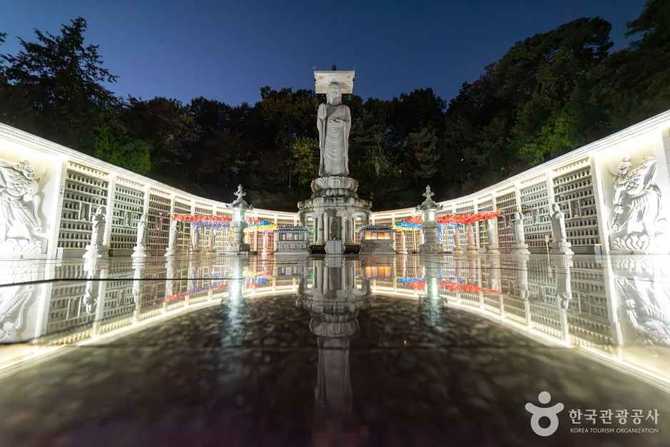
Bongeunsa Temple, located in Seoul’s vibrant Gangnam district, is a historic Buddhist temple that has served as a spiritual hub for over a millennium. Established in 794 AD, it has witnessed Korea’s tumultuous history and continues to serve as a place of worship, cultural education, and meditation. Today, Bongeunsa combines traditional practices with modern programs such as Temple Stay, Buddhist education, and community service, making it an ideal destination for both tourists and practitioners.
Whether you are a curious traveler exploring Seoul’s cultural landmarks or a dedicated spiritual seeker, Bongeunsa offers a welcoming environment to experience Korean Buddhism firsthand. Its central location, easy accessibility, and variety of activities make it a popular choice for visitors seeking tranquility and cultural enrichment in the city.
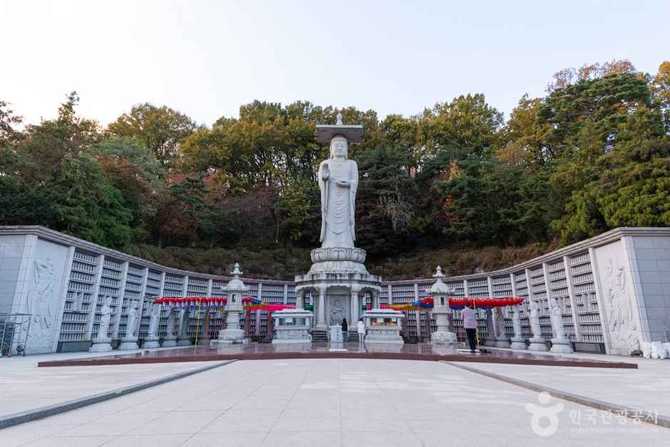
In this guide, you will find comprehensive information about Bongeunsa’s history, visiting hours, programs, and practical tips to enhance your experience. Prepare to immerse yourself in Korea’s spiritual tradition and discover the peaceful beauty of Bongeunsa Temple during your stay in Seoul.
Bongeunsa Temple Overview & History
Bongeunsa Temple in Seoul stands as a prominent example of Korea’s rich Buddhist heritage and cultural history. As one of the most significant traditional temples located in the heart of Seoul, it offers visitors a unique opportunity to experience Korea’s spiritual traditions amidst a bustling modern city. Founded in 794 AD during the Silla Dynasty, Bongeunsa has played a vital role in the development of Korean Buddhism and remains a vibrant center for religious practice, cultural education, and community activities today.
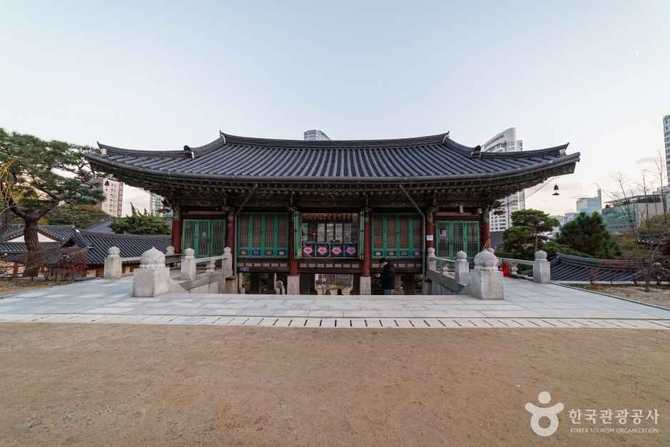
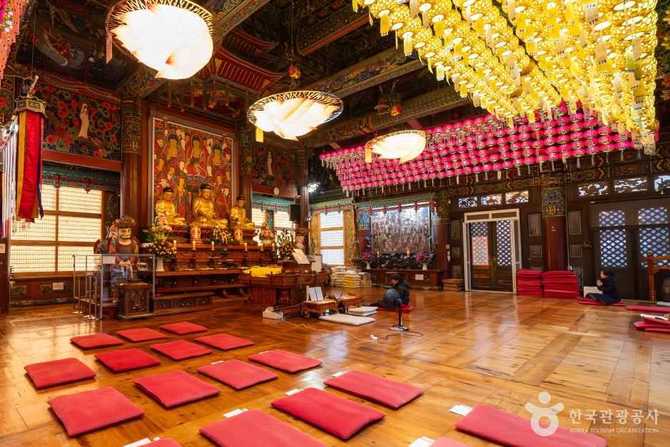
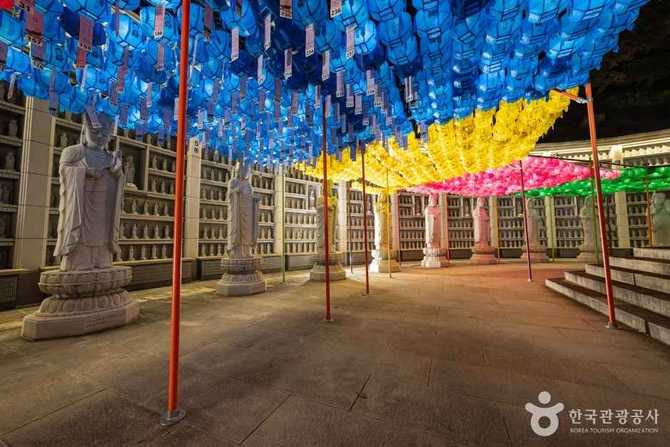
Throughout its long history, Bongeunsa has witnessed numerous historical events, including the Joseon Dynasty’s suppression of Buddhism, which led to periods of decline. However, it was revived and restored in recent decades, emphasizing its importance as a place for meditation, learning, and cultural exchange. The temple complex features traditional Korean architecture, including ornate pagodas, serene prayer halls, and tranquil gardens, providing a peaceful environment for reflection and spiritual growth.
Today, Bongeunsa is not only a place for religious activities but also a hub for cultural programs such as Temple Stay experiences, Buddhist education, and community outreach. Its strategic location in the Gangnam district makes it easily accessible for both locals and international visitors eager to explore Korea’s Buddhist traditions. The temple’s commitment to preserving its historical legacy while embracing modern spiritual practices makes it a must-visit destination for those interested in Korea’s religious and cultural history.
Whether you are a history enthusiast, a spiritual seeker, or a curious traveler, visiting Bongeunsa Temple offers a meaningful glimpse into Korea’s centuries-old Buddhist culture, set against the backdrop of Seoul’s vibrant cityscape. Its combination of historical significance and contemporary relevance makes it a compelling site to explore during your visit to Seoul.

Comparison of Bongeunsa Temple Visiting Information
| Aspect | Details |
|---|---|
| Address | 531 Bongeunsa-ro, Gangnam-gu, Seoul, South Korea |
| Nearest Subway Station | Samseong Station (Line 2), 10-minute walk |
| Operating Hours | 09:00 – 18:00 daily |
| Admission Fee | Free |
| Parking | Available (separate parking lot) |
| Main Programs | Temple Stay, Buddhist Education, Sutra School, Community Service |
| Special Features | Traditional architecture, meditation spaces, cultural events |
Main Programs & Activities at Bongeunsa Temple
- Temple Stay Experience: Participate in meditation, Buddhist rituals, and cultural activities to gain firsthand insight into Korean Buddhism. Tip: Pre-book your spot online for a more seamless experience.
- Buddhist Education: Attend lectures and classes on Buddhist philosophy, history, and practice, suitable for all levels of familiarity with Buddhism.
- Sutra Reading & Study: Join sessions that focus on reading and understanding sacred texts, fostering deeper spiritual learning.
- Community Service & Outreach: Engage in social welfare activities organized by the temple, connecting spiritual practice with social responsibility.
- Dress Code: Wear modest, respectful clothing—avoid sleeveless tops or shorts.
- Respect Etiquette: Maintain silence in meditation halls and follow the guidance of temple staff.
- Photography: Always seek permission before taking photos inside the temple premises.
Visitor Tips & Precautions for Visiting Bongeunsa Temple
- Plan Ahead: It is recommended to pre-reserve participation in popular programs like Temple Stay or special classes, especially during peak seasons or weekends, to secure your spot and avoid disappointment.
- Visit Early: Arriving in the morning allows for a quieter, more contemplative experience and the chance to enjoy the temple grounds without crowds.
- Dress Respectfully: Wear modest clothing that covers shoulders and knees. Avoid sleeveless tops, shorts, or revealing attire to adhere to temple etiquette.
- Be Mindful of Silence: Maintain a quiet demeanor inside prayer halls and meditation spaces. Use indoor voices and refrain from loud conversations.
- Follow Etiquette: Follow the guidance of temple staff, especially during rituals and ceremonies. Show respect during prayer and while walking around the temple grounds.
- Photography Rules: Always ask permission before taking photos inside the temple or in sacred areas. Avoid photographing monks or worshippers without consent.
- Respect Sacred Spaces: Do not touch or disturb statues, relics, or religious artifacts. Keep the environment clean by disposing of trash properly.
- Stay Hydrated and Comfortable: Bring water especially if you plan to walk extensively around the grounds. Wear comfortable shoes suitable for walking.
- Timing: Check the temple’s schedule for special events or ceremonies that may be closed to the public or require special access.
- Contact in Advance: For detailed inquiries or specific needs, contact the temple via phone or email to ensure a smooth visit.
Essential Checklist for Visiting Bongeunsa Temple
- Confirm your visit date and program reservations in advance.
- Dress modestly and appropriately for temple etiquette.
- Prepare a small amount of cash for donations or purchases, if desired.
- Bring a camera or smartphone for photos, with permission.
- Carry a water bottle and wear comfortable walking shoes.
- Review the temple’s schedule and special event timings.
- Respect temple rules and maintain a quiet, respectful demeanor.
- Check transportation options and parking availability beforehand.
- Bring a small notebook or guidebook if you wish to take notes or learn more about Korean Buddhism.
- Be prepared to follow local customs and etiquette during your visit.
Frequently Asked Questions (FAQ)
No, admission to Bongeunsa Temple is free, allowing visitors to explore the grounds and participate in certain programs without any cost.
The temple offers programs such as Temple Stay experiences, Buddhist education classes, sutra reading sessions, and community service activities for visitors of all backgrounds.
Bongeunsa Temple is accessible via Seoul Subway Line 2 at Samseong Station, which is about a 10-minute walk from the temple. Bus options are also available nearby.
The temple is open daily from 09:00 to 18:00, and visitors can access the grounds year-round. Some programs may have specific schedules, so check in advance.
Visitors should wear modest and respectful clothing, covering shoulders and knees. Avoid sleeveless tops, shorts, or revealing attire to adhere to temple etiquette.
Photography inside the temple requires permission from staff, and certain sacred areas may be off-limits for photos. Always ask for approval before taking pictures to respect the space and worshippers.
Final Tips for Visiting Bongeunsa Temple in Seoul
Visiting Bongeunsa Temple in Seoul offers a unique opportunity to experience Korea’s rich Buddhist traditions right in the heart of the city. To make your visit as meaningful and smooth as possible, planning ahead is highly recommended. Be sure to check the temple’s official website or contact them directly for the latest information on programs and schedules, especially if you are interested in participating in temple stay experiences or special events. Arriving early in the morning can provide a more tranquil atmosphere and allow you to enjoy the serene environment without the crowds.
Remember to dress modestly and respectfully, adhering to the temple’s etiquette. Wearing comfortable shoes will help you explore the grounds more comfortably, and bringing water is advisable if you plan on walking extensively. Respect the sacred spaces by maintaining silence in prayer halls and seeking permission before taking photographs. By following these simple tips, your visit to Bongeunsa Temple will be both enriching and memorable, offering a peaceful retreat amid Seoul’s vibrant cityscape. Whether you are seeking spiritual insight, cultural understanding, or a moment of tranquility, Bongeunsa Temple in Seoul is a remarkable destination that beautifully blends tradition with modernity, making it a must-visit for travelers exploring Korea’s spiritual heritage.