

Korean Uirim Independence Movement Paris Declaration Memorial: A Symbol of National Resistance
Discover the historical significance of the Korean Uirim Independence Movement Paris Declaration Memorial and how it commemorates Korea’s fight for independence on the global stage.
At a glance
- Who this is for
-
- Individuals interested in Korean independence history
- Researchers studying the Paris Peace Conference and international movements
- Students and scholars exploring Korean cultural heritage
- Key takeaways
-
- The memorial commemorates the 1919 submission of the Korean independence letter to the Paris Peace Conference
- It highlights Korea’s struggle against Japanese colonial rule and efforts for international recognition
- Multiple memorials have been established across Korea, symbolizing national resistance
- The declaration reveals Korea’s desire for sovereignty and exposes Japanese oppression
- It remains a vital cultural heritage embodying Korea’s independence spirit
- Tips & cautions
-
- Be aware of the historical context of Japanese colonial suppression
- Visit multiple memorial sites to understand their regional significance
- Respect the memorials as symbols of national pride and history
- Bottom line
- The Korean Uirim Independence Movement Paris Declaration Memorial is a vital symbol of Korea’s independence and resilience, representing its historical struggle and ongoing legacy.
The Korean Uirim Independence Movement Paris Declaration Memorial commemorates a pivotal moment in Korea’s fight for independence. In 1919, Korean scholars and leaders, known as Uirim, submitted a formal letter to the Paris Peace Conference demanding recognition of Korea’s sovereignty and exposing Japanese colonial abuses. This memorial stands as a testament to Korea’s unwavering resistance against colonial oppression and its efforts to gain international support for independence. The declaration, signed by 137 representatives from various social strata, not only revealed Japan’s illegal occupation but also unified Korean national sentiment on a global stage.
Understanding the significance of the Korean Uirim Independence Movement Paris Declaration Memorial offers insight into Korea’s modern history and the resilience of its independence movement. Today, multiple memorials across Korea honor this historic act, emphasizing its enduring importance. Visitors and scholars alike can explore how this declaration helped shape Korea’s national identity and continues to inspire contemporary efforts for sovereignty and cultural pride. This article provides a comprehensive overview of the memorial’s history, location, and ongoing relevance, making it an essential resource for those interested in Korea’s independence movement and cultural heritage.
Overview of the Korean Uirim Independence Movement Memorial
The Korean Uirim Independence Movement Paris Declaration Memorial stands as a powerful symbol of Korea’s fight for sovereignty and national pride. Established to commemorate a pivotal moment in Korean history, this memorial honors the courageous efforts of Korean scholars and leaders—collectively known as Uirim—who submitted a historic letter to the 1919 Paris Peace Conference. This act was a bold assertion of Korea’s desire for independence amid Japanese colonial rule, and it played a significant role in shaping Korea’s modern national identity.
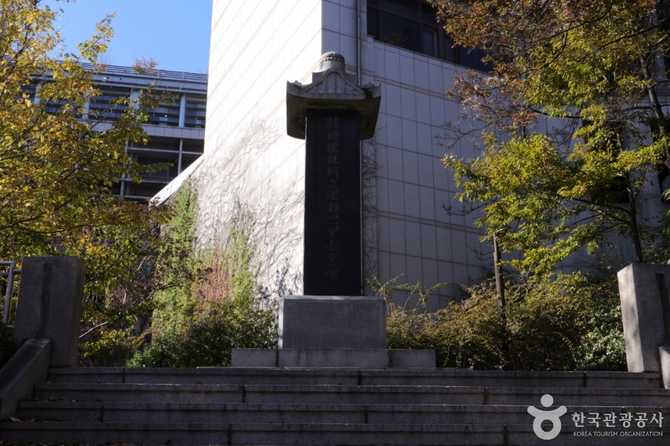
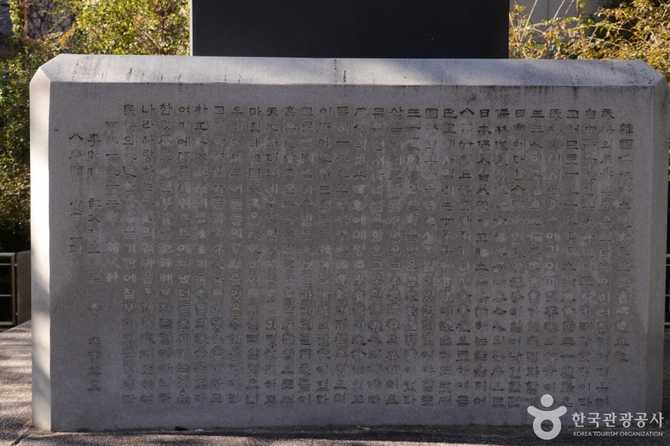
The memorial marks the site where 137 representatives from various social classes, including scholars, officials, and community leaders, signed and submitted the independence declaration. The letter detailed the illegal annexation of Korea by Japan, exposing the oppressive colonial policies and demanding international recognition of Korea’s sovereignty. This act of resistance not only rallied Korean national sentiment but also drew global attention to Japan’s unlawful occupation, fostering international awareness and support for Korea’s independence movement.
Today, multiple memorials dedicated to this historic event are scattered across Korea, including Seoul, Geochang, Daegu, Jeonbuk, and Bonghwa. Each site preserves the legacy of Korean resistance and serves as an educational resource for visitors, students, and researchers interested in Korea’s independence history. These memorials symbolize the unwavering spirit of the Korean people and their collective effort to restore sovereignty and justice.
Understanding the significance of the Korean Uirim Independence Movement Paris Declaration Memorial provides valuable insight into Korea’s ongoing journey toward self-determination. It highlights the importance of international diplomacy, national unity, and the enduring resilience of the Korean independence movement. This memorial is not just a historical marker; it is a testament to Korea’s persistent pursuit of freedom and its commitment to preserving cultural heritage for future generations.
Comparison of Key Facts about the Memorial and Historical Events
| Aspect | Details |
|---|---|
| Event Name | Korean Uirim Independence Movement Paris Declaration |
| Date of Submission | March 1919 |
| Main Purpose | To expose Japan’s illegal occupation of Korea and request international recognition of Korean independence |
| Number of Signatories | 137 Korean scholars and leaders |
| Location of Memorials | Seoul, Geochang, Daegu, Jeonbuk, Bonghwa, and other regions |
| Historical Significance | Represents Korean resistance against colonial rule and international efforts for sovereignty |
| Impact | Raised global awareness, inspired subsequent independence activities, and became a national symbol |
Locations and Regional Significance of the Memorials
- Seoul, Chung-gu, Dongho-ro 257-8: The original site where the first memorial was erected in Changgyeonggung Park, symbolizing the heart of Korea’s capital and its historical importance.
- Geochang, Gyeongsangnam-do: A region with a strong history of independence activism, where a memorial emphasizes local resistance efforts.
- Daegu, Wolgok History Park: A site that highlights the role of Daegu as a hub of independence activities during the colonial period.
- Jeonbuk, Jeongeup, Eumseong Park: Celebrates regional contributions to Korea’s independence movement, linking local history with national significance.
- Bonghwa, Songrok Seowon: A historical site that underscores the scholarly and cultural efforts supporting independence ideals.
Each memorial location plays a crucial role in preserving the legacy of Korea’s independence movement. They serve as educational platforms, inspiring new generations to remember and uphold the values of sovereignty, resistance, and national pride. Visitors are encouraged to explore multiple sites to gain a comprehensive understanding of Korea’s collective efforts for independence and the regional contributions that shaped the nation’s history.
Modern Significance and Legacy of the Memorial
- Symbol of Independence and National Pride: The Korean Uirim Independence Movement Paris Declaration Memorial serves as a powerful reminder of Korea’s enduring spirit of resistance against colonial rule. It symbolizes the collective effort of Korean scholars and leaders who fought for sovereignty and continues to inspire patriotism among Koreans today.
- Educational and Cultural Value: The memorials function as educational sites where visitors, students, and researchers learn about Korea’s independence history. They foster awareness of the sacrifices made for national freedom and promote the importance of preserving cultural heritage.
- Continuity of Resistance and Advocacy: The legacy of the memorial encourages ongoing efforts to uphold Korea’s independence ideals. It emphasizes the importance of international diplomacy, unity, and resilience in facing contemporary challenges related to sovereignty and national identity.
- Regional and National Identity: Multiple memorials across different regions reinforce local histories of resistance, connecting regional efforts to the broader national movement. This regional diversity enriches Korea’s collective memory and highlights the widespread participation in independence activism.
- International Recognition and Diplomacy: The memorial underscores Korea’s historical engagement on the global stage. It reminds current and future generations of the importance of international cooperation and diplomacy in securing and maintaining sovereignty.
- Preservation of Cultural Heritage: As a designated cultural asset, the memorial continues to be protected and maintained, ensuring that the story of Korea’s independence struggle remains alive for future generations.
Frequently Asked Questions (Checklist)
- Is the Korean Uirim Independence Movement Paris Declaration Memorial an official national monument?
- Are there guided tours available at the memorial sites?
- Can visitors participate in educational programs or events related to Korea’s independence history?
- Are the memorials accessible to people with disabilities?
- What is the best time of year to visit these memorial sites?
- Are there any visitor restrictions or rules to observe when visiting the memorials?
- How can I learn more about Korea’s independence movement beyond visiting the memorials?
Frequently Asked Questions (FAQ)
Q1 What is the significance of the Korean Uirim Independence Movement Paris Declaration Memorial?
The memorial commemorates Korea’s efforts to gain international recognition of its independence in 1919 through the submission of a declaration to the Paris Peace Conference. It symbolizes resistance against Japanese colonial rule and Korea’s national sovereignty.
Q2 What was the content of the independence letter submitted to the Paris Peace Conference?
The letter exposed Japan’s illegal annexation of Korea, criticized colonial oppression, and expressed Korea’s desire for sovereignty. It was signed by 137 Korean scholars and leaders advocating for independence.

Q3 Where are the memorials dedicated to the Korean Uirim independence declaration located?
The memorials are located in Seoul at Changgyeonggung Park, as well as in Geochang, Daegu, Jeonbuk, and Bonghwa, among other regions. Each site preserves the legacy of Korea’s independence movement.
Q4 Why are these memorials important for Korea’s modern history?
They serve as symbols of Korea’s resistance and resilience against colonial rule, inspiring patriotism and national pride. The memorials also educate visitors about Korea’s fight for sovereignty and cultural heritage preservation.
Q5 How did the Japanese authorities react to the submission of the independence declaration?
Japanese authorities responded with harsh repression, including the suppression of participants involved in the independence activities. Despite this, the declaration strengthened Korean resistance and international awareness.
Q6 What is the modern significance of the Korean Uirim Independence Movement memorials?
The memorials symbolize Korea’s ongoing commitment to independence, sovereignty, and national pride. They continue to inspire contemporary efforts for cultural preservation and diplomatic resilience.
Closing: The Enduring Significance of the Korean Uirim Independence Movement Paris Declaration Memorial
The Korean Uirim Independence Movement Paris Declaration Memorial stands as a powerful testament to Korea’s unwavering spirit of resistance and pursuit of sovereignty. This memorial not only commemorates a pivotal moment in Korea’s fight for independence but also symbolizes the collective efforts of Korean scholars and leaders who boldly challenged colonial oppression on the international stage. By understanding the historical context and significance of this memorial, visitors and researchers gain a deeper appreciation for Korea’s resilience and enduring national pride.
Today, the memorial continues to serve as a vital cultural heritage site, inspiring new generations to remember the sacrifices made for Korea’s independence and sovereignty. It reminds us that the struggle for freedom is ongoing and that the spirit of resistance must be preserved and passed down. Whether visiting the original site in Seoul or exploring the various regional memorials across Korea, each marker reinforces the importance of unity, perseverance, and patriotism. The Korean Uirim Independence Movement Paris Declaration Memorial remains a meaningful symbol of Korea’s historic fight for independence and a beacon of hope for future generations committed to safeguarding their national identity and sovereignty.