
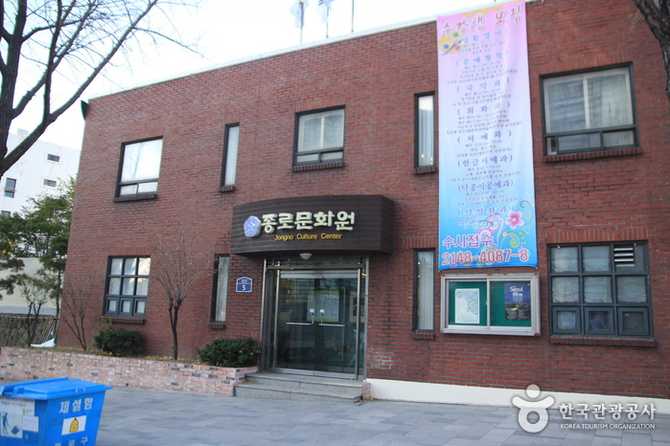
Jongno Cultural Center: Your Guide to Seoul’s Cultural Hub
Discover how the Jongno Cultural Center in Seoul plays a vital role in preserving Korea’s rich cultural heritage while offering diverse programs that enrich the local community. Whether you’re a resident interested in cultural activities or a visitor eager to explore Korea’s traditions, this guide provides comprehensive insights into Jongno Cultural Center’s offerings, events, and how to participate.
Located in the heart of Seoul’s Jongno district, the Jongno Cultural Center is a cornerstone for cultural preservation and community engagement. It hosts a variety of cultural classes, traditional performances, and community events that aim to promote Korea’s historical legacy and contemporary cultural expressions. If you are passionate about Korea’s history, traditional arts, or simply want to immerse yourself in local culture, this center is an essential destination.
At a glance
- Who this is for
-
- Residents of Seoul’s Jongno district interested in cultural activities
- Tourists seeking authentic Korean cultural experiences
- Culture and history enthusiasts
- Local artists and cultural professionals
- Anyone interested in Korea’s traditional arts and heritage
- Key takeaways
-
- Located at Jongno 5-gil 31, Seoul
- Offers diverse cultural classes and programs
- Hosts numerous annual cultural festivals and events
- Provides community-centered cultural activities
- Operates weekdays from 9 AM to 6 PM, closed weekends
- Tips & cautions
-
- Some classes may require a fee; check the website for details
- No parking available; use public transportation
- Advance registration is recommended for popular courses
- Event dates may change; verify via official channels
- Bottom line
- Jongno Cultural Center is a vital hub for cultural preservation and community engagement in Seoul.
In this guide, you will find detailed information about the Jongno Cultural Center’s history, location, and programs. As a key cultural institution in Seoul, it plays a crucial role in safeguarding Korea’s traditional arts and fostering cultural vitality among local residents and visitors alike. Whether you want to participate in traditional Korean music, learn calligraphy, or attend cultural festivals, the Jongno Cultural Center offers a wide array of opportunities.
Understanding the center’s offerings can help you plan your visit, enroll in classes, or participate in upcoming events. The center’s commitment to cultural preservation and community service makes it a must-visit destination for anyone interested in Korea’s rich cultural landscape. Keep reading to learn about the center’s programs, schedules, and how to get involved in Seoul’s vibrant cultural scene.
Jongno Cultural Center Overview & Location
Nestled in the heart of Seoul’s historic Jongno district, the Jongno Cultural Center serves as a vital hub for preserving Korea’s rich cultural heritage while promoting active community engagement. As a prominent cultural institution, the center plays a crucial role in safeguarding local traditions, fostering cultural education, and providing a space for residents and visitors to experience Korea’s vibrant history and arts. The center’s primary focus is to offer diverse cultural programs, including traditional arts, language classes, and community festivals, all aimed at enriching the cultural life of the local population.
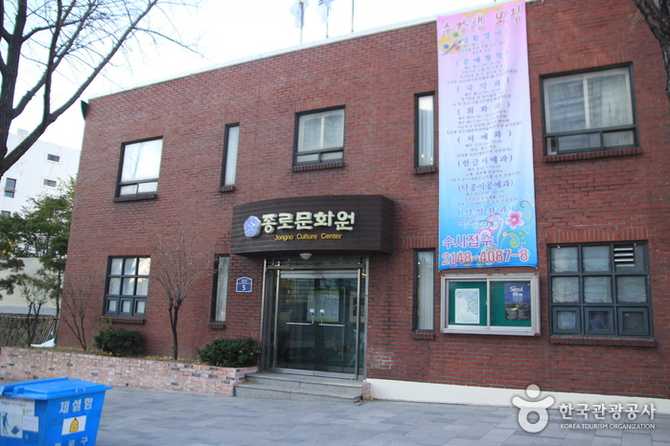
Located at Jongno 5-gil 31, Seoul, the Jongno Cultural Center is easily accessible due to its central position in the historic district. Its proximity to key cultural landmarks and public transportation makes it a convenient destination for those interested in exploring Seoul’s cultural landscape. The center’s architecture reflects a blend of traditional and modern styles, symbolizing Korea’s ongoing cultural evolution. It is surrounded by historical sites, traditional markets, and government buildings, making it an ideal starting point for cultural exploration.
The center operates primarily on weekdays from 9 AM to 6 PM, offering an array of programs designed to appeal to a broad audience, from local residents to international tourists. Its mission is to preserve Korea’s intangible cultural assets such as traditional music, dance, and crafts, while also fostering new cultural expressions through contemporary arts. The Jongno Cultural Center actively collaborates with local artists, cultural organizations, and educational institutions to ensure the sustainability and vitality of Korea’s cultural heritage.
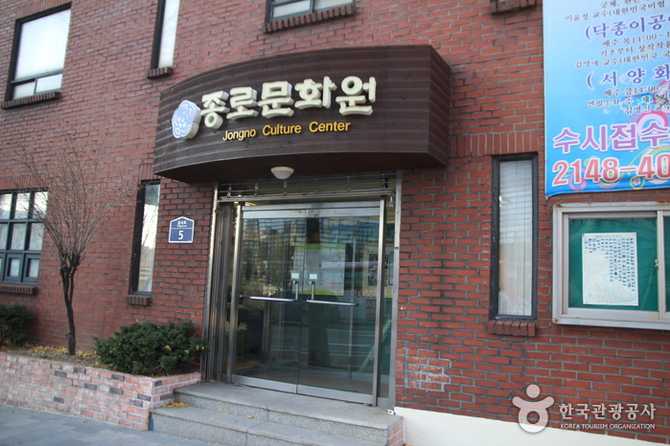
If you are passionate about Korea’s history, traditional arts, or simply wish to immerse yourself in local culture, visiting the Jongno Cultural Center provides an authentic and enriching experience. Its comprehensive programs and strategic location make it a must-visit destination for cultural enthusiasts and travelers seeking to deepen their understanding of Seoul’s historic roots.
Comparison of Cultural Classes & Programs at Jongno Cultural Center
| Class Name | Content | Target Audience | Notes |
|---|---|---|---|
| Chinese Language Classes | Beginner to intermediate Chinese language learning, including speaking, reading, and writing skills development. | All levels, especially beginners and intermediate learners | Some classes may require a fee; check the website for details |
| Traditional Korean Music (Gugak) | Learning traditional music forms such as Gyeonggi folk songs, Samulnori percussion, and pansori storytelling | Beginners to advanced, open to all ages | Participation is open to all; some instruments may require prior experience |
| Traditional Paper Craft (Jangji) | Hands-on activities in traditional Korean paper (Hanji) crafts, including making lanterns, cards, and decorations | Hobbyists and cultural enthusiasts of all ages | Typically offered as short-term workshops; some materials may incur additional costs |
Annual Cultural Events & Participation Checklist
- March 1st – 3·1 Independence Movement Day Parade: Celebrate Korea’s independence movement with a street parade and commemorative events. Tip: Arrive early to secure a good viewing spot.
- Annual Youth Traditional Music Contest: An event showcasing talented young musicians performing traditional Korean music. Participation is open for youth groups and individuals.
- Monthly Cultural Workshops: Regular workshops such as calligraphy, traditional dance, and crafts held throughout the year. Check the official website for schedules.
- Summer Hanbok Festival: Experience traditional Korean clothing with dress-up events, photo zones, and cultural performances.
- Autumn Cultural Night: Evening events featuring traditional music, dance, and food stalls, perfect for family visits.
Visitor & Participation Guide at Jongno Cultural Center
Planning your visit to the Jongno Cultural Center is straightforward with a few essential tips. The center operates primarily on weekdays from 9 AM to 6 PM, providing ample time for cultural activities, classes, and exploration. To ensure a smooth experience, it is recommended to check the official website or contact the center beforehand for the latest schedules, class availability, and any special events.
Here is a step-by-step guide to visiting and participating in programs at Jongno Cultural Center:

- Check Program Schedules: Visit the official website for detailed information on upcoming classes, workshops, and events. Monthly calendars are typically available for easy planning.
- Register for Classes: You can register online via the website or by calling the center directly at 02-2148-4087. Some popular classes may fill up quickly, so early registration is advisable.
- Visit the Center: On the day of participation, arrive during operating hours. Directly visit the reception desk for check-in and further instructions.
- Participate in Programs: Engage actively in your chosen classes or events. Materials and tools for certain crafts or arts may be provided, but some workshops might require participants to bring their own supplies or pay additional fees.
- Follow Safety Guidelines: Adhere to any health and safety protocols, especially during hands-on activities or large gatherings.
- Provide Feedback: After participation, sharing your experience helps the center improve its programs and services.
For any inquiries or assistance during your visit, contact the center by phone or visit their official website. Remember, some events and classes may require prior registration or have limited capacity, so plan accordingly.
Participation Checklist for Visiting Jongno Cultural Center
- Verify Operating Hours: Confirm the center’s hours of operation (Monday to Friday, 9 AM to 6 PM).
- Check Class and Event Schedules: Review the latest schedules on the official website or contact the center directly.
- Register in Advance: Sign up early for popular classes or events to secure your spot.
- Prepare Necessary Materials: Bring any required materials or tools if specified, or confirm if they will be provided.
- Plan Transportation: Use public transportation, as parking is not available. Nearby subway stations include Jongno 3-ga and Jonggak stations.
- Arrive Early: Arrive at least 10-15 minutes before your scheduled activity to allow time for check-in and settling in.
- Dress Appropriately: Wear comfortable clothing suitable for hands-on activities or performances.
- Follow Safety Protocols: Adhere to health guidelines and instructions from staff during your visit.
- Engage Actively: Participate enthusiastically and respect cultural traditions and fellow participants.
- Provide Feedback: Share your experience with staff to help improve future programs.
Frequently Asked Questions (FAQ)
Q1: What are the operating hours of Jongno Cultural Center?
The Jongno Cultural Center operates from Monday to Friday, 9:00 AM to 6:00 PM. It is closed on weekends and public holidays, so plan your visit accordingly.
Q2: How can I register for cultural classes at Jongno Cultural Center?
Registration can be completed online through the official website or by calling the center at 02-2148-4087. Early registration is recommended as some classes fill up quickly.
Q3: Are there any fees for participating in the cultural programs?
Most classes and programs have associated fees, which vary depending on the course. Some workshops may be free or have a nominal charge; check the specific details on the website or inquire directly.

Q4: Is there parking available at Jongno Cultural Center?
No, the center does not provide parking facilities. Visitors are advised to use public transportation such as subways or buses for easier access.
Q5: How can I find out about upcoming events and festivals at Jongno Cultural Center?
Event schedules and details are available on the official website and in the monthly publication, Jongno Cultural Monthly. It is recommended to verify event dates in advance as they may change.
Q6: Are there any age restrictions for participating in the programs?
Most programs are open to all age groups, including children, youth, and adults. Some specialized courses may have age-specific requirements, so check the program details beforehand.
Jongno Cultural Center: Your Guide to Seoul’s Cultural Hub
Visiting the Jongno Cultural Center offers an enriching experience for anyone interested in Korea’s vibrant cultural heritage. This center not only preserves the rich history and traditions of Seoul’s historic Jongno district but also actively promotes cultural education and community engagement through diverse programs and events. Whether you are a local resident eager to deepen your understanding of Korea’s arts or a traveler seeking authentic cultural experiences, Jongno Cultural Center provides a welcoming space to explore traditional arts, participate in workshops, and enjoy cultural festivals.
By focusing on both preservation and contemporary cultural development, the center plays a vital role in fostering a lively cultural scene in Seoul. Its strategic location at Jongno 5-gil 31 makes it easily accessible, and its comprehensive schedule of classes and events ensures there is something for everyone. Engaging with the programs offered by Jongno Cultural Center can significantly enrich your appreciation of Korea’s cultural legacy, while also supporting the ongoing efforts to sustain and pass down traditional arts and customs. Don’t miss the opportunity to immerse yourself in Seoul’s historic and cultural landscape—plan your visit today and experience firsthand the vibrant cultural life that Jongno Cultural Center nurtures and promotes.