
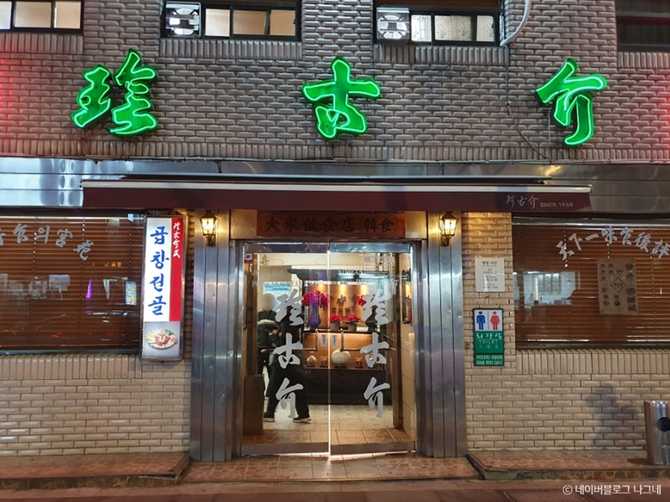
Jingo-gye: Traditional Korean Restaurant in Seoul’s Chungmuro
Looking for an authentic Korean dining experience in Seoul? Discover Jingo-gye, a historic restaurant in Chungmuro that has been serving traditional Korean dishes since 1963. Whether you’re craving hearty hot pots or classic side dishes, Jingo-gye offers a taste of Korea’s culinary heritage with a warm, welcoming atmosphere.
At a glance
- Who this is for
-
- Travelers seeking authentic Korean cuisine in Seoul
- Food enthusiasts interested in traditional Korean eateries
- Visitors wanting to experience a historic restaurant with over 60 years of history
- Families and groups looking for hearty, well-prepared Korean dishes
- Key takeaways
-
- Established in 1963, Jingo-gye is a renowned Korean restaurant in Chungmuro
- Specializes in signature hot pots like Eobokjeongban and Gopchang Jeongol
- Offers a variety of traditional Korean dishes with clean, flavorful presentation
- Open from 11:00 am to 9:00 pm, closed on Sundays
- No parking available; accessible via public transportation
- Tips & cautions
-
- Check operating hours and holidays before visiting
- Arrive early or consider reservations during peak hours
- Use public transit to avoid parking issues
- Note that the restaurant is closed on Sundays
- Bottom line
- Experience authentic Korean flavors at Jingo-gye, a beloved historic restaurant in Seoul’s Chungmuro district.
Are you searching for a traditional Korean restaurant that combines history, flavor, and a cozy atmosphere? Jingo-gye is a Seoul landmark that has been delighting locals and visitors alike for over six decades. Located in the heart of Chungmuro, this restaurant offers a rich menu of classic Korean dishes prepared with care and expertise. From flavorful hot pots to delicate side dishes, Jingo-gye embodies Korea’s culinary traditions and hospitality. If you’re planning a visit, understanding its operating hours, menu highlights, and location will help ensure a smooth and enjoyable experience.

In this guide, you’ll find all the essential information about Jingo-gye, including its history, signature dishes, opening times, and how to get there. Whether you’re a first-time visitor or a seasoned traveler looking to indulge in authentic Korean cuisine, this restaurant provides a perfect setting to enjoy a hearty, traditional meal. Keep in mind that the restaurant is closed on Sundays and does not offer parking, so plan your trip accordingly. With its longstanding reputation and warm atmosphere, Jingo-gye promises a memorable dining experience rooted in Korea’s rich culinary heritage.
Jingo-gye: A Historic Korean Restaurant in Seoul’s Chungmuro
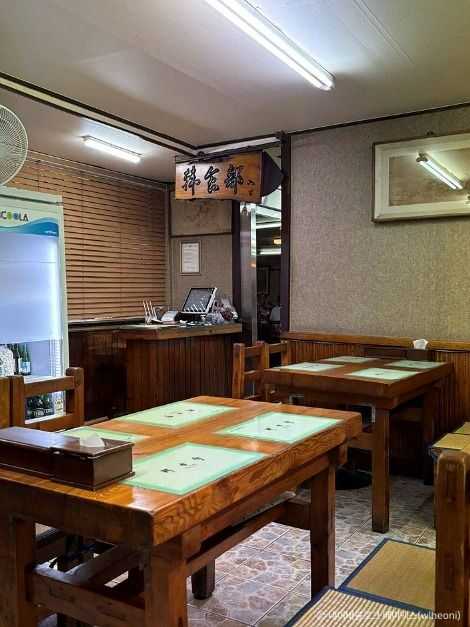
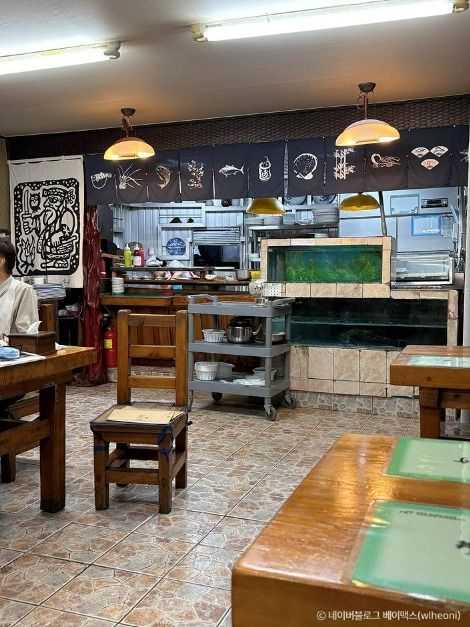
Jingo-gye is a renowned traditional Korean restaurant located in the heart of Seoul’s Chungmuro district. Established in 1963, it has become a beloved Korean dining spot that preserves the authentic flavors and warm hospitality of Korea’s culinary heritage. For visitors seeking a genuine taste of Korea’s traditional cuisine, Jingo-gye offers an experience rooted in over 60 years of history. The restaurant is famous for its hearty hot pots, including the signature Eobokjeongban and Gopchang Jeongol, as well as a variety of other classic dishes prepared with care and precision. Its interior reflects a nostalgic atmosphere, with traces of time evident in the decor, creating a cozy environment that invites both locals and tourists alike to enjoy a memorable meal.
Located conveniently in Chungmuro, a central hub for Seoul’s film and arts scene, Jingo-gye is easily accessible via public transportation. Its long-standing reputation as a 노포 (old restaurant) makes it a must-visit for those interested in Korea’s culinary history. The restaurant’s commitment to serving fresh, well-prepared dishes with traditional presentation has earned it loyal patrons over decades. Whether you’re craving a comforting hot pot or traditional side dishes, Jingo-gye promises an authentic Korean dining experience that combines historical charm with flavorful cuisine. Before visiting, it’s advisable to check the operating hours and holiday schedule, as the restaurant closes on Sundays and does not offer parking facilities. Overall, Jingo-gye stands as a symbol of Korea’s rich food culture, offering a taste of tradition that has been cherished through generations.

Comparison of Signature Dishes at Jingo-gye
| Dish Name | Description | Features | Remarks |
|---|---|---|---|
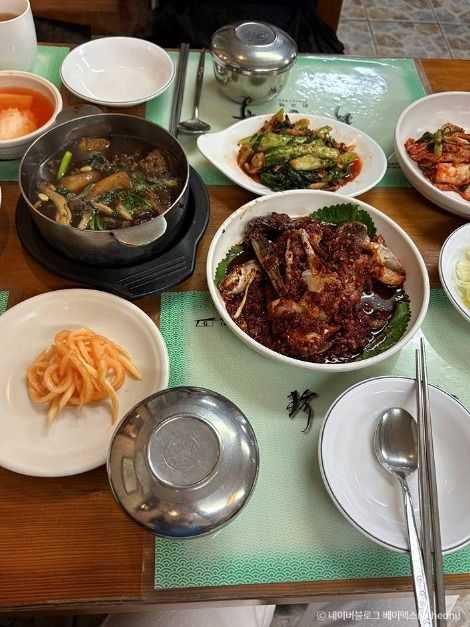
| Eobokjeongban (Beef Hot Pot) | A traditional hot pot with tender beef, mushrooms, vegetables, dumplings, rice cakes, and eggs, simmered in a savory broth. | Features thick slices of meat, a rich soy-based broth, and a variety of fresh ingredients. The dish is known for its comforting flavor and tender texture. | Centralized around soy sauce seasoning, unique to Jingo-gye’s recipe. |
| Gopchang Jeongol (Beef Intestine Hot Pot) | A spicy or mild hot pot featuring marinated beef intestines, vegetables, tofu, and noodles, cooked at the table. | Known for its rich flavor and chewy texture, with customizable spice levels. Often enjoyed as an anju (pairing with alcohol). | Best enjoyed bubbling hot, with a focus on flavor balance. |
| Other Popular Dishes | Includes Tteok Mandu Guk (rice cake and dumpling soup), Bulgogi (marinated grilled beef), and various side dishes. | All dishes feature traditional flavors, fresh ingredients, and meticulous presentation. | Ideal for family meals or group dining, offering variety and authenticity. |
Jingo-gye’s signature dishes highlight Korea’s rich culinary traditions, especially its hearty hot pots and flavorful broths. Each dish is crafted to deliver a satisfying taste experience, making it a perfect destination for those eager to explore Korea’s classic flavors in a historic setting.
Operating Hours & Visiting Tips for Jingo-gye
- Opening Hours: 11:00 am to 9:00 pm. The restaurant closes daily during the preparation time from 3:00 pm to 5:00 pm.
- Closed on Sundays: Jingo-gye is closed every Sunday, so plan your visit accordingly.
- Peak Hours: Lunch (11:00 am – 2:00 pm) and dinner (after 5:00 pm) tend to be busy. Arriving early or making a reservation is recommended.
- Parking: No parking facilities are available. It’s best to use public transportation.
- Transportation Tips: The restaurant is a 3-minute walk from Chungmuro Station Exit 3, accessible via Seoul Subway Lines 2 and 3. Several bus routes also serve the area.
- Check the latest operating hours and holidays before your visit.
- Plan to arrive early or reserve a table during weekends and holidays.
- Use public transit to avoid parking issues and enjoy a hassle-free experience.
- Be aware of the restaurant’s closure on Sundays and the break time from 3:00 pm to 5:00 pm.
Location & Transportation Guide to Jingo-gye
Finding Jingo-gye in Seoul’s bustling Chungmuro district is straightforward thanks to its central location and excellent public transportation connections. Whether you’re arriving by subway or bus, the restaurant is easily accessible, making it a convenient choice for travelers exploring Seoul’s cultural and culinary scene.
How to Reach Jingo-gye
| Transportation Method | Details |
|---|---|
| Subway | Take Seoul Subway Line 2 or 3 to Chungmuro Station. Exit through Exit 3, and walk approximately 3 minutes to reach the restaurant. |
| Bus | Various bus routes stop at Chungmuro Station or nearby stops. From there, it’s a short 2-minute walk to Jingo-gye. |
Additional Tips for Visitors
- Check the latest subway and bus schedules to plan your arrival.
- Use navigation apps like KakaoMap or Naver Map for real-time directions and walking routes.
- Public transportation is highly recommended since parking is unavailable.
- During peak hours, consider arriving a bit earlier or later to avoid crowds.
Precautions & Customer Guidance for Visiting Jingo-gye
Visitor Checklist
- Operating Hours: Confirm the restaurant’s hours before your visit. Jingo-gye is open from 11:00 am to 9:00 pm, but closes daily during the preparation break from 3:00 pm to 5:00 pm.
- Closed Days: The restaurant is closed every Sunday. Plan your visit on other days of the week.
- Parking: No on-site parking is available. It is highly recommended to use public transportation.
- Peak Times: Expect longer wait times during lunch (11:00 am – 2:00 pm) and dinner (after 5:00 pm). Arrive early or consider making a reservation.
- Reservation: While walk-ins are accepted, reservations are recommended during busy hours to secure a table and avoid waiting.
- Preparation Time: Be aware that the restaurant is closed during its daily break from 3:00 pm to 5:00 pm, so plan your visit accordingly.
- Language Assistance: Staff primarily speak Korean. Basic Korean phrases or translation apps can help facilitate communication.
- Hygiene & Safety: Follow any current health protocols, such as mask-wearing or hand sanitization, in accordance with local guidelines.
By preparing ahead and understanding these key points, your visit to Jingo-gye will be smooth and enjoyable. Remember to check the latest updates on operating hours and holidays, especially during holidays or special occasions, to ensure an optimal dining experience. Using public transportation not only simplifies your trip but also allows you to relax and fully enjoy your time exploring Seoul’s vibrant Chungmuro district.
Frequently Asked Questions (FAQ)
Q1: When was Jingo-gye established?
Jingo-gye has been serving traditional Korean dishes since 1963, making it a well-established and historic restaurant in Seoul’s Chungmuro district.
Q2: What are the signature dishes at Jingo-gye?
The restaurant is famous for its Eobokjeongban (beef hot pot) and Gopchang Jeongol (beef intestine hot pot), both featuring hearty ingredients and rich broths. It also offers a variety of other classic Korean dishes and side options.
Q3: What are the operating hours of Jingo-gye?
Jingo-gye operates from 11:00 am to 9:00 pm daily, except on Sundays when it is closed. The restaurant is also closed during its daily preparation break from 3:00 pm to 5:00 pm.
Q4: Is there parking available at Jingo-gye?
No, Jingo-gye does not provide parking facilities. Visitors are recommended to use public transportation, such as subway or bus, for easier access.
Q5: How can I get to Jingo-gye using public transportation?
The restaurant is a 3-minute walk from Chungmuro Station Exit 3 on Seoul Subway Lines 2 and 3. Several bus routes also serve the area, making it easily accessible for visitors.
Q6: Do I need to make a reservation at Jingo-gye?
During peak hours, especially lunch and dinner times, it is advisable to make a reservation or arrive early to avoid long wait times. The restaurant can get busy during weekends and holidays.
Experience the Authentic Flavors of Jingo-gye in Seoul’s Chungmuro
Visiting Jingo-gye, a traditional Korean restaurant in Seoul’s Chungmuro, offers a unique opportunity to indulge in Korea’s rich culinary heritage. With a history dating back to 1963, this renowned 노포 (old restaurant) has preserved the authentic flavors of Korea through decades of dedicated service. Whether you’re a first-time visitor or a seasoned traveler, experiencing the warm hospitality and carefully prepared dishes at Jingo-gye will leave a lasting impression. The restaurant’s signature hot pots, including the famous Eobokjeongban and Gopchang Jeongol, exemplify Korea’s hearty and flavorful cuisine, making it a must-visit destination for food enthusiasts. Its location in the heart of Chungmuro ensures easy access via public transportation, and its nostalgic interior provides an authentic dining atmosphere. Remember to check the operating hours and plan your visit accordingly, especially since the restaurant closes on Sundays and does not offer parking facilities. By choosing Jingo-gye, you will enjoy a memorable meal that beautifully combines tradition, taste, and history, truly capturing the essence of Korea’s culinary culture.