
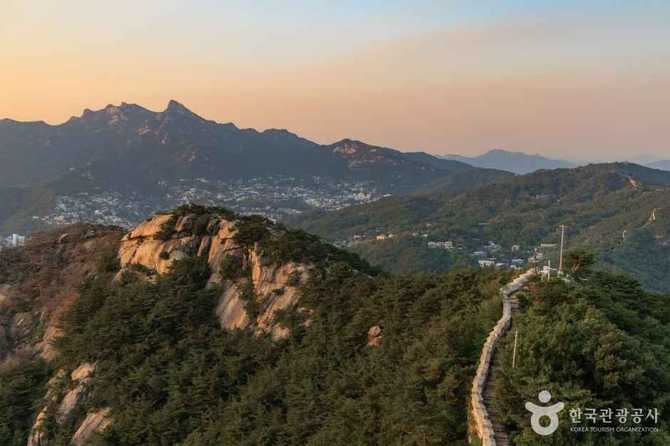
Inwangsan Mountain: Seoul’s Natural and Historic Treasure
Discover the perfect blend of natural beauty and historical significance at Inwangsan Mountain, one of Seoul’s most iconic hiking destinations. Whether you’re seeking scenic views, ancient fortress remnants, or a peaceful escape within the city, this guide will help you explore Inwangsan’s highlights and plan your visit effectively.
At a glance
- Who this is for
-
- Travelers interested in Seoul’s natural scenery and historical sites
- Hiking enthusiasts seeking city-accessible trails
- Art lovers inspired by traditional Korean landscape paintings
- Visitors wanting a scenic escape with cultural insights
- History buffs eager to see ancient fortress remains
- Key takeaways
-
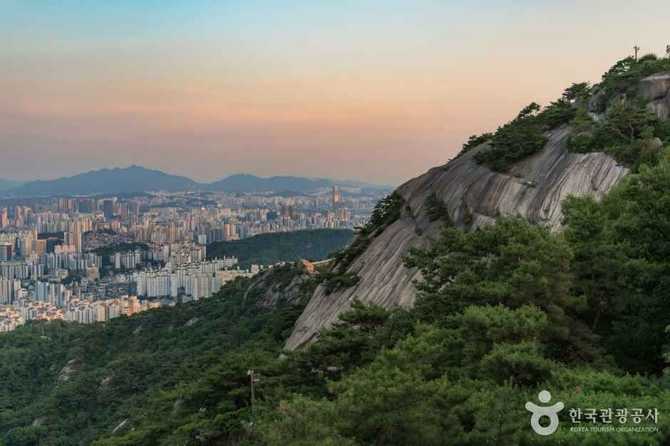
- Entire mountain composed of granite with unique rock formations
- Famous rocks include Sun Rock, Hat Rock, Pig Rock, and more
- Historical fortress walls and cultural relics from Joseon Dynasty
- Offers panoramic views of Seoul, including Gyeongbokgung Palace
- Accessible via popular trailheads in Jongno and Seodaemun districts
- Tips & cautions
-
- Wear proper hiking gear, including sturdy shoes and sun protection
- Respect and do not damage historic fortress remains
- Check weather conditions before heading out, especially in rain or snow
- Carry sufficient water and light snacks for the hike
- Be cautious on rocky and steep sections to prevent slips
- Bottom line
- Inwangsan Mountain offers a unique opportunity to enjoy Seoul’s natural landscapes and rich history in one accessible location.
Seoul’s Inwangsan Mountain is a must-visit destination for those who want to experience the city’s natural charm intertwined with its historical legacy. Located between Jongno-gu and Seodaemun-gu, this mountain is renowned for its striking granite formations and cultural relics from the Joseon Dynasty. The mountain’s distinctive rocks, such as Sun Rock, Hat Rock, and Pig Rock, are popular among photographers and nature lovers alike. At its summit, visitors can explore ancient fortress remnants that once protected the city and enjoy sweeping views of Seoul, including the majestic Gyeongbokgung Palace.
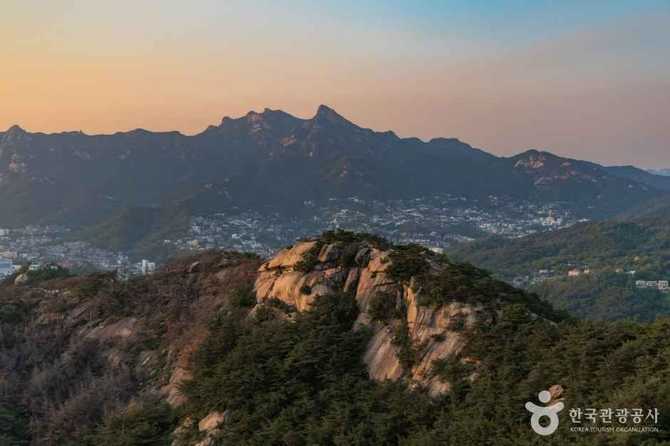
This guide to Inwangsan Mountain will help you understand its significance, explore the main attractions, and plan your hiking route. Whether you are interested in outdoor activities, art inspired by traditional landscape paintings, or simply seeking a scenic spot within the bustling city, Inwangsan offers a memorable experience. Prepare properly, respect the cultural heritage, and enjoy the harmonious blend of nature and history that makes Inwangsan a standout destination in Seoul.
Inwangsan Mountain Overview and Location
Inwangsan Mountain is one of Seoul’s most iconic natural landmarks, renowned for its striking granite formations, scenic hiking trails, and historical significance. Located between Jongno-gu and Seodaemun-gu, this mountain offers visitors a unique blend of natural beauty and cultural heritage within the heart of the city. The focus keyword, Inwangsan Mountain, captures the essence of this remarkable site, which is easily accessible and perfect for those seeking an outdoor escape without leaving Seoul’s urban environment.
The mountain’s geological composition is primarily granite, which has resulted in the formation of distinctive rocks and scenic viewpoints. Among the most famous rock formations are Sun Rock, Hat Rock, Pig Rock, and Sattgat Rock, each with their own unique shapes and photographic appeal. These natural sculptures have inspired countless artists and landscape painters, including the renowned Joseon-era painter Gim Jeong-hee, whose works often depict the mountain’s dramatic scenery.
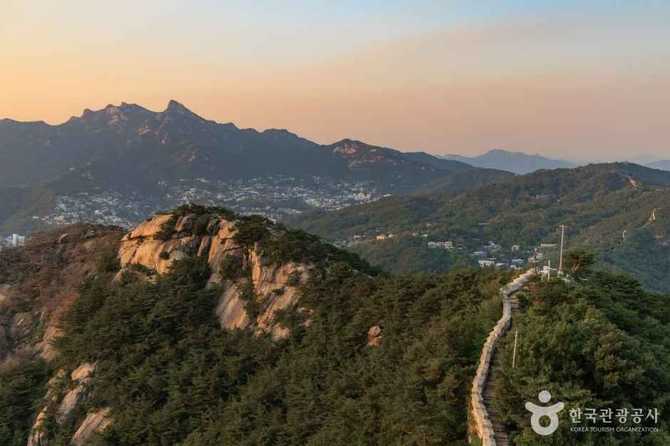
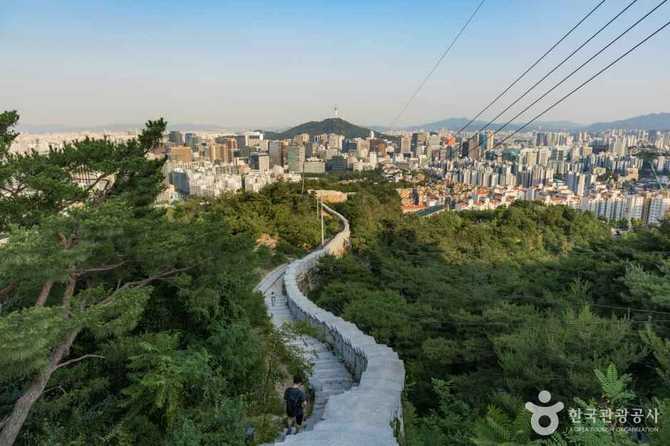
Historically, Inwangsan Mountain played a vital role in Seoul’s defense during the Joseon Dynasty. The mountain’s strategic location allowed for the construction of fortress walls and watchtowers, remnants of which still exist today. Visitors can explore these fortress ruins, which are protected cultural heritage sites, and gain insight into Korea’s military history. The mountain also houses the site of the prayer grounds of King Taejong and the famous Mukhakdae, a place for spiritual reflection.
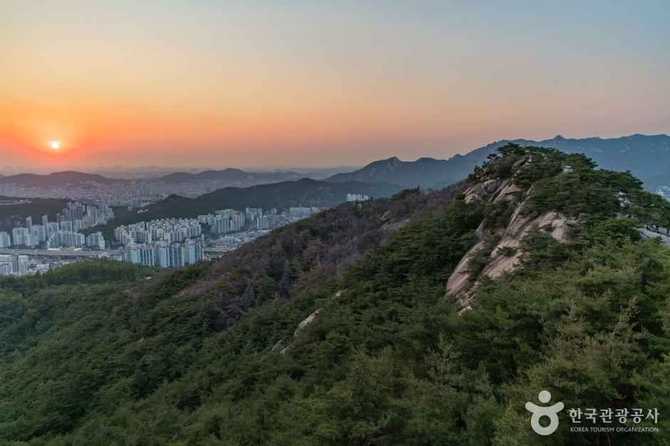
Today, Inwangsan Mountain remains a popular destination for hikers, art lovers, and history enthusiasts. Its trails are well-maintained and provide panoramic views of Seoul, including iconic sights like Gyeongbokgung Palace and the surrounding cityscape. Whether you want to enjoy a leisurely walk, take stunning photographs, or immerse yourself in Korea’s rich history, Inwangsan Mountain offers a comprehensive experience that combines nature, art, and culture in one remarkable location.
Comparison of Main Rock Formations and Key Attractions at Inwangsan Mountain
| Rock/Attraction | Features & Description | Highlights & Notes |
|---|---|---|
| Sun Rock (Seonbawi) | A prominent granite boulder resembling a shining sun, located along the trail. | Popular photo spot with panoramic views; symbolizes enlightenment. |
| Hat Rock (Mujangbawi) | A rock formation that looks like a traditional Korean hat, situated near the summit. | Great for photography; offers a scenic backdrop for visitors. |
| Pig Rock (Dwaeji Bawi) | A uniquely shaped rock resembling a pig, located along the trail. | Known for its quirky appearance; a favorite among children and photographers. |
| Sattgat Rock (Sattgat Bawi) | A rock shaped like a traditional Korean hat (sattgat), positioned at a viewpoint. | Offers a stunning outlook; ideal for capturing scenic photos. |
| Historical Fortress Walls | Remnants of the Joseon Dynasty fortress walls built for city defense. | Provides insight into Seoul’s historical military strategy; some sections are restored for walking. |
Historical Sites and Cultural Heritage of Inwangsan Mountain
- Fortress Remnants: The mountain’s fortress walls, built during the Joseon Dynasty, are preserved in several sections. These walls served as a defensive barrier for Seoul and are now protected cultural assets. Walking along these remains provides a tangible connection to Korea’s military history.
- King Taejong’s Prayer Site: Located on the mountain, this site was used by King Taejong for spiritual practices. It reflects the historical significance of the mountain in royal rituals and spiritual life.
- Mukhakdae: An ancient site for meditation and reflection, Mukhakdae offers a tranquil environment with scenic views and historical importance.
- Joseon Dynasty Cultural Relics: Several artifacts and restored structures from the Joseon era are present, including stone tablets and pavilions, which highlight Korea’s rich cultural heritage.
Hiking Courses and Travel Tips for Inwangsan Mountain
Planning your visit to Inwangsan Mountain? To ensure a safe and enjoyable experience, it’s essential to choose suitable hiking routes and prepare properly. Here are recommended courses and practical tips to make your adventure memorable:
- Starting Point Selection: Begin your hike either from the Sajik Tunnel entrance or the Seonggwang Fortress trailhead. Both locations offer convenient access and scenic entry points.
- Trail to Fortress Ruins: Follow the well-maintained walking paths along the fortress remnants. This route provides a combination of natural scenery and historical exploration.
- Rock Observation Stops: As you ascend, take time to observe and photograph the distinctive rocks such as Sun Rock, Hat Rock, and Pig Rock. These formations are highlights for photography enthusiasts.
- Summit Reaching: The peak at Sattgat Rock offers panoramic views of Seoul, including Gyeongbokgung Palace and the surrounding cityscape. Aim to arrive here on clear days for optimal scenery.
- Descending and Connecting Trails: For a varied experience, descend via the Buam-dong trail or walk down through Paldang-ro to nearby neighborhoods like Buam-dong or Gyeongbokgung.
**Travel Tips:**
- Wear sturdy hiking shoes suitable for rocky and uneven terrain.
- Bring enough water and light snacks to stay energized during the hike.
- Check the weather forecast before heading out; avoid hiking in heavy rain or snow to prevent accidents.
- Use sun protection such as hats, sunglasses, and sunscreen, especially during summer months.
- Carry a small first aid kit for minor injuries or scrapes.
- Respect the natural environment and avoid damaging the rock formations or historical relics.
- Plan your route to include enough time for sightseeing, photography, and rest.
Visitor Guidelines and Safety Tips for Inwangsan Mountain
Ensuring safety and respecting cultural heritage are paramount when visiting Inwangsan Mountain. Follow these safety precautions and guidelines to have a secure and responsible visit:
- Wear Appropriate Gear: Always wear sturdy hiking shoes, hats, and sun protection to prevent injuries and sunburn.
- Use Safety Equipment: Carry a small backpack with essentials such as water, snacks, a first aid kit, and a flashlight if hiking late in the day.
- Respect Cultural Heritage: Do not damage or remove any fortress walls, rocks, or artifacts. Follow designated paths and avoid stepping on protected relics.
- Weather Awareness: Check the weather forecast before your trip. Avoid hiking during storms, heavy rain, or snow to prevent accidents.
- Trail Safety: Be cautious on rocky, steep, or uneven sections. Use handrails or support where available, and watch your step.
- Environmental Responsibility: Carry out all trash and avoid leaving any waste behind. Keep the mountain pristine for future visitors.
- For Children and Pets: Ensure children are supervised and pets are on a leash. Be mindful of narrow paths and rocky areas.
- Emergency Preparedness: Know the location of the nearest help points or contact numbers in case of emergency.
- Time Management: Allocate enough time for your hike, including breaks and sightseeing, to avoid rushing and fatigue.
Frequently Asked Questions (FAQ)
Q1: Where is Inwangsan Mountain located in Seoul?
Inwangsan Mountain is situated between Jongno-gu and Seodaemun-gu in central Seoul, easily accessible via public transportation. It is a prominent natural landmark within the city, known for its granite formations and historical sites.
Q2: What are the main attractions at Inwangsan Mountain?
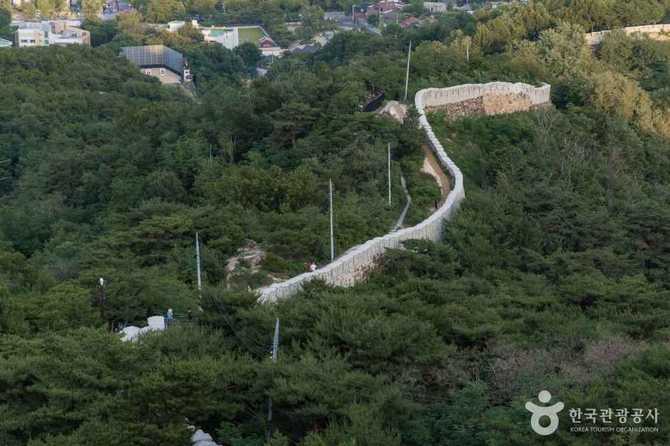
The mountain features distinctive rock formations such as Sun Rock, Hat Rock, Pig Rock, and Sattgat Rock. It also has remnants of Joseon Dynasty fortress walls, historic sites like King Taejong’s prayer grounds, and offers panoramic views of Seoul including Gyeongbokgung Palace.
Q3: Are there any hiking trails suitable for beginners?
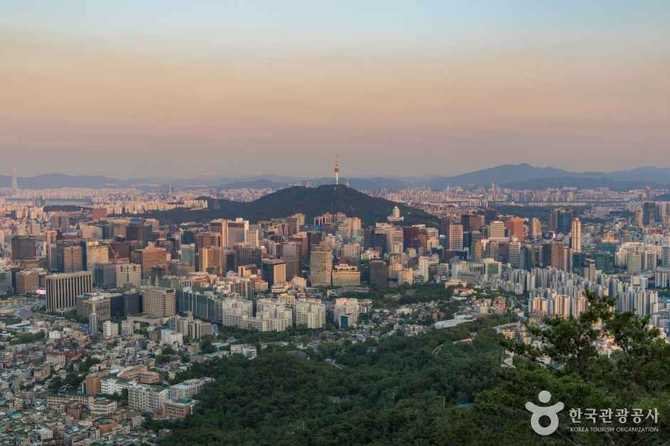
Yes, the trails from Sajik Tunnel or Seonggwang Fortress are relatively accessible and suitable for casual hikers. These paths provide scenic views and allow visitors to enjoy the natural and historical features without requiring advanced hiking skills.
Q4: What are the most famous rock formations on Inwangsan Mountain?
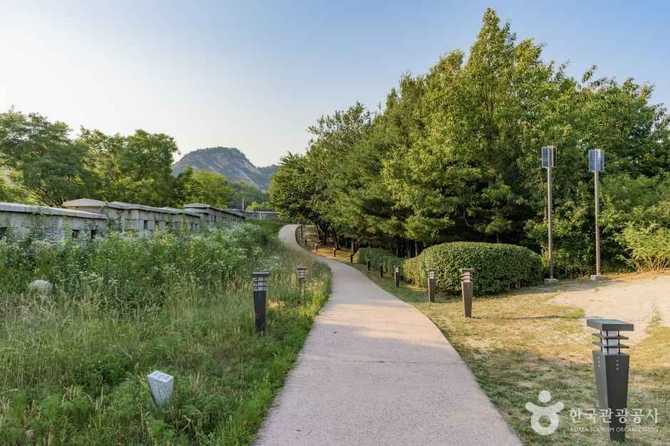
The most notable formations include Sun Rock, resembling a shining sun; Hat Rock, shaped like a traditional Korean hat; Pig Rock, which looks like a pig; and Sattgat Rock, shaped like a Korean traditional hat. These rocks are popular photo spots and have cultural significance.
Q5: Is Inwangsan Mountain free to visit?
Yes, Inwangsan Mountain is open to the public free of charge year-round. Visitors can explore the trails, rock formations, and historical sites without an entrance fee, though parking facilities are limited.
Q6: What safety precautions should I take when visiting Inwangsan Mountain?
It is recommended to wear proper hiking shoes, carry sufficient water, and check the weather forecast before your visit. Be cautious on rocky and steep sections, and avoid damaging the historic fortress walls and relics. Respect the natural environment and follow safety guidelines for a safe experience.
Conclusion: Exploring Inwangsan Mountain, Seoul’s Natural and Historic Landmark
Visiting Inwangsan Mountain offers a unique opportunity to experience Seoul’s rich natural beauty intertwined with its fascinating history. This iconic mountain provides a perfect blend of scenic hiking trails, striking granite rock formations, and well-preserved fortress remnants from the Joseon Dynasty. Whether you are an avid hiker, a lover of traditional Korean art, or a history enthusiast, Inwangsan Mountain caters to all interests, making it a must-visit destination within the city.
To make the most of your trip, proper preparation is essential. Wear suitable hiking gear, including comfortable shoes and sun protection, and carry enough water and snacks for your journey. Respect the cultural heritage sites, especially the fortress walls and relics, by avoiding any damage or tampering. Checking the weather forecast before your visit ensures a safe and pleasant experience, as certain sections can be slippery or challenging during rain or snow.
Inwangsan Mountain’s accessibility and scenic vistas, including views of Gyeongbokgung Palace and Seoul’s skyline, make it an ideal spot for both outdoor adventure and cultural exploration. Whether you choose a leisurely walk along historical walls or a more vigorous hike to the summit, this mountain promises memorable moments and stunning photographic opportunities. Remember to prioritize safety, respect the environment, and enjoy the harmonious blend of nature and history that defines Inwangsan Mountain as one of Seoul’s most treasured natural and historic landmarks.