

Explore Gyeongbokgung Palace: Korea’s Historic Royal Palace
Discover the rich history, stunning architecture, and cultural heritage of Gyeongbokgung Palace, the most iconic royal palace in Korea. Whether you’re a history enthusiast, a student of traditional Korean architecture, or a traveler seeking immersive cultural experiences, visiting Gyeongbokgung offers a unique glimpse into Korea’s royal past and vibrant traditions.
Gyeongbokgung Palace, located in the heart of Seoul, stands as a symbol of Korea’s dynastic history and cultural resilience. Built in 1395 during the Joseon Dynasty, it served as the main royal palace for centuries and has witnessed numerous historical events, from royal ceremonies to wartime destruction and meticulous restoration efforts. Today, it is a major cultural site and popular tourist destination, offering visitors a chance to explore beautifully preserved buildings, traditional gardens, and cultural performances.
Planning your visit to Gyeongbokgung Palace? It’s essential to understand its opening hours, key attractions, and visitor tips to make the most of your experience. This guide provides comprehensive information about the palace’s history, main architectural highlights, and practical tips for travelers. Whether you’re interested in Korea’s royal history, traditional architecture, or cultural festivals, Gyeongbokgung offers an unforgettable journey into Korea’s glorious past.
At a glance
- Who this is for
-
- Travelers interested in Korean history and culture
- Students learning about traditional Korean architecture
- Tourists planning a cultural visit to Seoul
- History buffs exploring Korea’s royal past
- Anyone seeking immersive cultural experiences in Korea
- Key takeaways
-
- Built in 1395 as the main royal palace of the Joseon Dynasty
- Major restoration efforts since the 1990s preserve its historic structures
- Includes iconic buildings like Gyeonghoeru Pavilion and Geunjeongjeon Hall
- Open year-round, with seasonal variations and closed Tuesdays
- Accessible via Seoul’s public transportation; parking is limited
- Tips & cautions
-
- Check seasonal hours and special event schedules before visiting
- Arrive early to avoid crowds and enjoy better photo opportunities
- Wear comfortable shoes for walking around the expansive grounds
- Bring rain gear or sun protection depending on the season
- Respect the cultural heritage and follow designated pathways
- Bottom line
- Visiting Gyeongbokgung Palace offers a profound insight into Korea’s royal history and traditional architecture, making it a must-see cultural landmark in Seoul.
Gyeongbokgung Palace, often called the heart of Korea’s royal history, is a must-visit destination for anyone eager to explore Korea’s rich cultural heritage. Located in Seoul, this historic palace not only showcases traditional Korean architecture but also embodies the resilience and beauty of Korea’s past. Its grand gates, intricate wooden structures, and scenic gardens provide a captivating glimpse into the Joseon Dynasty’s grandeur.
As Korea’s most famous royal palace, Gyeongbokgung has undergone extensive restoration to preserve its original form, especially since the 1990s. Visitors can explore iconic sites such as Geunjeongjeon Hall, the throne hall where royal ceremonies once took place, and Gyeonghoeru Pavilion, which overlooks a tranquil pond. The palace also hosts cultural performances, traditional reenactments, and special exhibitions, making each visit a unique experience.
Understanding the palace’s history, architecture, and visiting tips can significantly enhance your experience. Whether you’re a history enthusiast, a student, or a traveler seeking authentic cultural immersion, Gyeongbokgung Palace offers a comprehensive journey into Korea’s royal legacy. Be sure to check the official opening hours, plan your visit accordingly, and make use of Seoul’s efficient public transportation system to enjoy your trip fully.

Overview of Gyeongbokgung Palace’s History and Significance
Gyeongbokgung Palace, often regarded as the heart of Korea’s royal history, is a symbol of the Joseon Dynasty’s grandeur and resilience. As the main royal palace built in 1395 by King Taejo, it served as the political and cultural center of Korea for centuries. The palace’s name, meaning “Palace of Shining Happiness,” reflects its significance as a place of prosperity and stability for the Joseon kings and their court. Over the centuries, Gyeongbokgung has witnessed numerous historical events, including royal ceremonies, invasions, and periods of destruction, notably during the Imjin War (Japanese invasions of Korea in the late 16th century) and the Japanese occupation in the early 20th century.
Despite these setbacks, extensive restoration efforts since the 1990s have helped preserve and revive its original architecture and cultural heritage. Today, Gyeongbokgung stands as a testament to Korea’s historical resilience, blending traditional architecture with modern preservation techniques. Its iconic structures, such as Geunjeongjeon (Throne Hall), Gyeonghoeru Pavilion, and the Gyeongbokgung Palace Museum, attract millions of visitors annually who seek to explore Korea’s royal past. The palace is not only a historic site but also a vibrant cultural hub, hosting traditional performances, reenactments, and cultural festivals that showcase Korea’s rich heritage.
Understanding the history and cultural importance of Gyeongbokgung Palace enhances the visitor experience. It offers insights into Korea’s dynastic politics, architecture, and cultural traditions. Whether you are a history enthusiast, a student, or a traveler interested in Korea’s royal legacy, visiting Gyeongbokgung provides an immersive journey into Korea’s glorious past. The palace’s historical significance, combined with ongoing preservation efforts, makes it a must-visit destination for anyone eager to learn about Korea’s cultural roots and royal history.
Comparison of Gyeongbokgung Palace Restoration and Cultural Heritage Preservation
| Aspect | Details | Remarks |
|---|---|---|
| Restoration Period | Main restoration efforts began in the 1990s and continue today. | Focused on preserving original structures and architectural integrity. |
| Restoration Focus | Key buildings such as Gyeonghoeru, Geunjeongjeon, and Gwanghwamun. | Prioritizes restoring the original form using traditional techniques. |
| Restoration Methods | Combination of traditional Korean architecture methods and modern technology. | Ensures structural stability while maintaining historical accuracy. |
| Cultural Heritage Preservation | Ongoing efforts to maintain the authenticity of original structures and artifacts. | Includes regular maintenance, conservation, and educational programs. |
| Current Status | Most major buildings have been restored to their original appearance. | Some areas remain under restoration or special preservation projects. |
Visitor Checklist and Tips for Visiting Gyeongbokgung Palace
- Check Operating Hours: Confirm seasonal hours and special event schedules on the official website before your visit.
- Arrive Early: To avoid crowds and secure better photo opportunities, plan to arrive at least 30 minutes before opening time.
- Dress Comfortably: Wear comfortable walking shoes and appropriate clothing for the weather.
- Bring Essential Items: Carry a camera, umbrella, water, and sun protection as needed.
- Transportation: Use public transportation such as subway lines (Gyeongbokgung Station, Line 3) for convenience. Parking is limited, so plan accordingly.
- Be Mindful of Restorations: Some areas may be temporarily closed due to ongoing restoration or special events. Check updates beforehand.
Main Architectural Highlights of Gyeongbokgung Palace
Gyeongbokgung Palace boasts a variety of stunning architectural structures that exemplify traditional Korean palace design and craftsmanship. These key buildings not only served functional purposes for the royal family but also symbolize Korea’s rich cultural heritage. Exploring these architectural highlights provides insight into the aesthetics and engineering techniques of the Joseon Dynasty.
| Architectural Feature | Description | Significance |
|---|---|---|
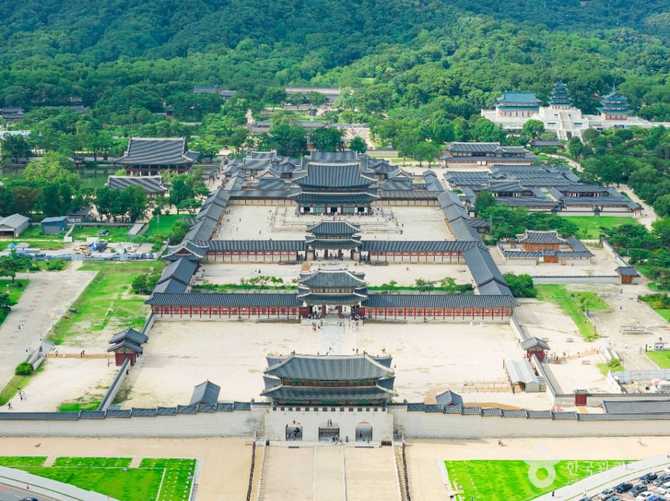
| Gyeongbokgung Main Gate (Gwanghwamun) | The grand main entrance to the palace, featuring traditional wooden architecture and intricate carvings. | Symbolizes authority and welcomes visitors into the royal complex. |
| Geunjeongjeon (Throne Hall) | The throne hall where kings held court and official ceremonies, characterized by its elevated platform and ornate roof. | Represents royal authority and political power of the Joseon Dynasty. |
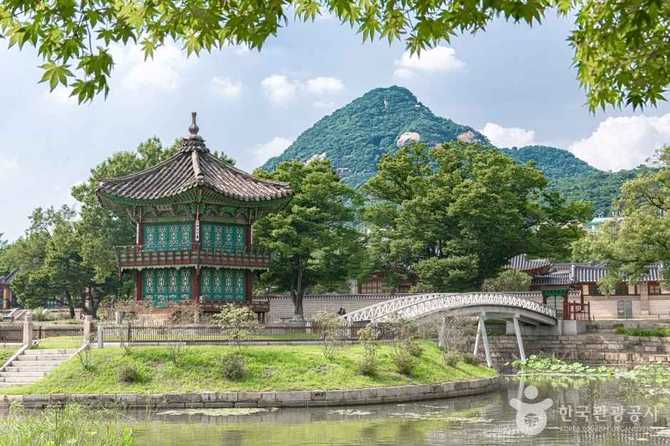
| Gyeonghoeru Pavilion | A beautiful pavilion situated over a pond, used for banquets and celebrations. | Highlights Korea’s mastery in integrating architecture with natural landscapes. |
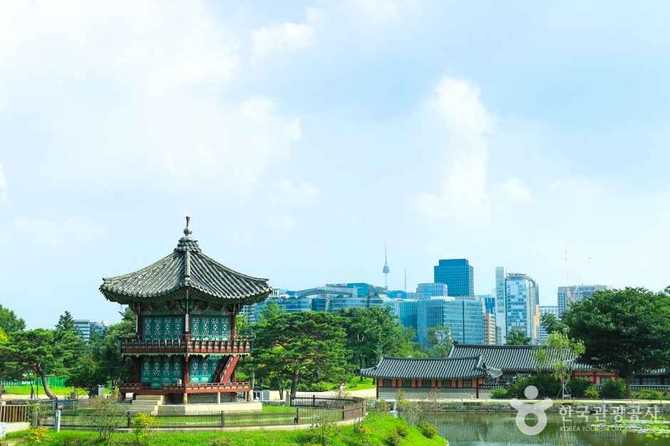
| Hyangwonjeong Pavilion | A smaller, scenic pavilion located within a pond, often used for leisure and relaxation. | Embodies traditional Korean aesthetics and harmony with nature. |
| Imperial Residential Quarters | Various living quarters and auxiliary buildings for the royal family and officials, showcasing traditional Korean wooden architecture. | Provides insight into daily life and the social hierarchy within the royal court. |
Visitor Checklist for Exploring Gyeongbokgung Palace
- Check Operating Hours: Confirm seasonal hours and special event schedules on the official website before your visit to avoid disappointment.
- Plan Your Arrival: Arrive early, ideally 30 minutes before opening, to beat the crowds and enjoy better photo opportunities.
- Dress Comfortably: Wear comfortable shoes suitable for walking across expansive grounds, and dress appropriately for the weather.
- Bring Essential Items: Carry a camera, umbrella, water, and sun protection gear to stay comfortable during your exploration.
- Use Public Transportation: Take advantage of Seoul’s subway system, especially Gyeongbokgung Station (Line 3), for easy access. Parking is limited, so plan accordingly.
- Check for Temporary Closures: Some areas may be temporarily closed due to restoration projects or special events. Always verify the latest updates before your visit.
- Join Guided Tours: Consider guided tours or cultural reenactments for a richer understanding of Korea’s royal history and architecture.
- Respect the Heritage: Follow designated pathways, refrain from touching artifacts, and adhere to rules to help preserve this cultural treasure.
Whether you visit during the day or evening, Explore Gyeongbokgung Palace is a meaningful stop on any Seoul itinerary for history-minded travelers.
Frequently Asked Questions (FAQ)
Q1: When is Gyeongbokgung Palace open to visitors?

An: Gyeongbokgung Palace is generally open year-round except for Tuesdays, which is its regular closed day. Operating hours vary by season, so it is recommended to check the official website or contact the visitor center before planning your visit.
Q2: How much is the entrance fee for Gyeongbokgung Palace?

An: The standard admission fee for adults is 3,000 Korean won. Discounts are available for visitors under 24, children, seniors, and groups, with specific rates depending on age and status.
Q3: What are the main attractions or buildings to see inside Gyeongbokgung Palace?
An: Key attractions include Geunjeongjeon (Throne Hall), Gyeonghoeru Pavilion, and the Hyangwonjeong Pavilion. These structures showcase Korea’s traditional palace architecture and historical significance.

Q4: Are there guided tours or cultural performances available at Gyeongbokgung Palace?
An: Yes, guided tours and cultural reenactments are regularly held, offering visitors deeper insights into Korea’s royal history. It is advisable to check schedules in advance to participate in these programs.
Q5: How can I get to Gyeongbokgung Palace using public transportation?
An: The palace is accessible via Seoul’s subway system, with Gyeongbokgung Station (Line 3) being the closest station. Buses also serve the area, and parking is limited, so public transit is highly recommended.
Q6: What should I keep in mind when visiting Gyeongbokgung Palace?
An: Visitors should check the operating hours and holiday schedule beforehand, wear comfortable shoes, and bring necessary items like cameras and umbrellas. Respectful behavior and adherence to designated pathways are also important to preserve the site.
Final Tips for Visiting Gyeongbokgung Palace
Visiting Gyeongbokgung Palace offers a remarkable opportunity to immerse yourself in Korea’s rich history and vibrant cultural heritage. To make the most of your trip, it’s essential to plan ahead by checking the official operating hours and confirming any special events or restoration schedules that might affect access to certain areas. Arriving early not only helps you avoid crowds but also provides better opportunities for photography and enjoying the serene beauty of the palace grounds.
Wearing comfortable shoes and appropriate clothing is highly recommended, as exploring the expansive palace complex involves considerable walking. Don’t forget to bring essentials like a camera, water, and sun protection depending on the season. Utilizing Seoul’s efficient public transportation system, especially subway lines like Gyeongbokgung Station on Line 3, will help you reach the palace easily, as parking is limited and often crowded.
Keep in mind that the palace is closed every Tuesday, and some areas may be temporarily restricted due to restoration or special events. It’s always a good idea to verify the latest updates on the official website or visitor information centers before your visit. For a deeper understanding of Korea’s royal history, consider joining a guided tour or cultural reenactment, which can significantly enrich your experience.
Ultimately, a visit to Gyeongbokgung Palace is a journey into Korea’s glorious past, showcasing traditional architecture, historical artifacts, and cultural performances. With proper planning and an open mind, your trip will be both educational and memorable. Remember to respect the cultural heritage, follow designated pathways, and enjoy every moment exploring one of Korea’s most iconic historical sites. Whether you’re a history enthusiast or a casual traveler, Gyeongbokgung promises an authentic and enriching experience that captures the essence of Korea’s royal legacy.