

Inwangsan Guksa-dang: Discover Korea’s Sacred Shamanic Heritage
Are you interested in exploring Korea’s rich spiritual traditions and cultural heritage? Inwangsan Guksa-dang offers a unique glimpse into Korea’s shamanic practices and historical sites, making it a must-visit destination for cultural enthusiasts and those eager to experience Korea’s traditional faiths firsthand.
At a glance
- Who this is for
-
- Travelers interested in Korean traditional culture and shamanic practices
- History and cultural heritage enthusiasts
- Visitors exploring Seoul’s cultural sites in Jongno-gu
- Key takeaways
-
- Inwangsan Guksa-dang is a historic shamanic shrine dating back to the Joseon Dynasty.
- Originally located on Namsan, it was relocated and restored at its current site.
- It is designated as a National Intangible Cultural Heritage of Korea.
- Active rituals and shamanic performances, including gut (rituals), are held here regularly.
- Open year-round with free admission; some ceremonies require prior reservation.
- Tips & cautions
-
- Some rituals and ceremonies may require advance booking; check ahead.
- Visit during daylight hours for the best experience; interior is simple but meaningful.
- Parking is limited; public transportation is recommended.
- Bottom line
- Inwangsan Guksa-dang is a vital cultural site where visitors can experience Korea’s shamanic traditions and historical spirituality firsthand.
Welcome to our detailed guide on Inwangsan Guksa-dang, a significant cultural and spiritual site nestled at the foot of Inwangsan Mountain in Seoul’s Jongno-gu district. This site has been a center of Korea’s shamanic faith since the Joseon Dynasty, serving as a sacred space for rituals, offerings, and spiritual ceremonies. Its historical significance is intertwined with Korea’s indigenous spiritual practices, making it an invaluable cultural asset.
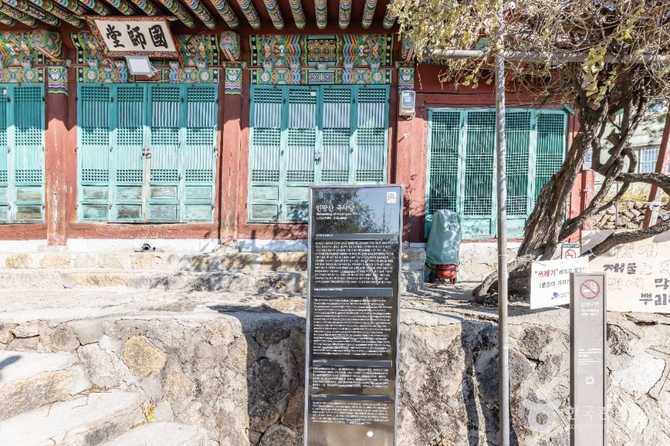
Today, Inwangsan Guksa-dang continues to host active rituals, including gut ceremonies, which are open to the public and serve as living demonstrations of traditional Korean shamanism. Recognized as a National Intangible Cultural Heritage, this site offers visitors a rare opportunity to connect with Korea’s spiritual past and observe authentic shamanic performances. Whether you are a cultural enthusiast, a history buff, or simply curious about Korea’s spiritual traditions, Inwangsan Guksa-dang provides a meaningful and immersive experience.
Inwangsan Guksa-dang: Historical Background & Location
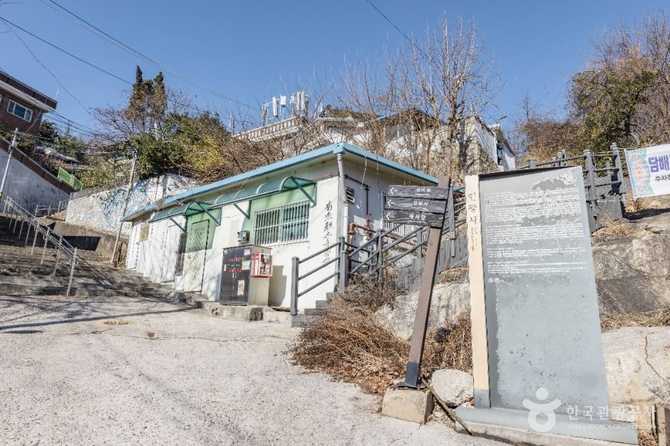
Inwangsan Guksa-dang is a significant cultural site that embodies Korea’s rich shamanic traditions and spiritual history. Located at the foot of Inwangsan Mountain in Seoul’s Jongno-gu district, this shrine has served as a central place for Korea’s indigenous shamanic practices since the Joseon Dynasty. Originally, the site was situated on Namsan, the mountain that dominates Seoul’s skyline, where it played a vital role in the spiritual life of the Korean people. During the Japanese occupation, the shrine was relocated to its current site on Inwangsan’s foothill, a move that was part of broader cultural and political changes during that period.
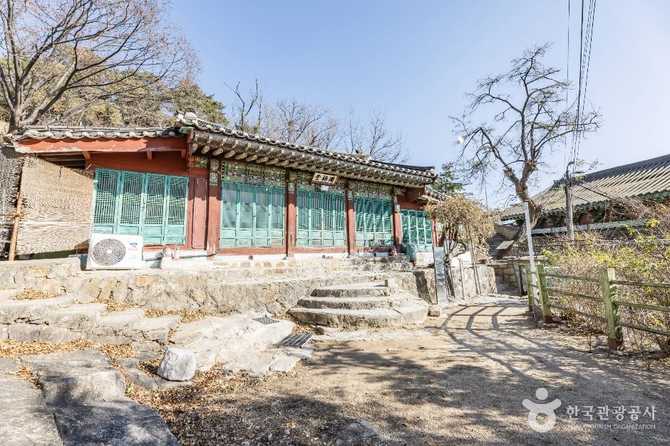
The location of Inwangsan Guksa-dang is considered highly auspicious, as it is situated according to traditional geomantic principles (pungsu or feng shui). The site is believed to be a “favorable” spot, with natural surroundings that enhance spiritual energy. Historically, it was a sacred place where the royal family and high-ranking officials would perform rituals to honor the mountain gods and seek blessings for the nation. Ordinary citizens were also allowed to participate in certain ceremonies, especially during the Joseon era when local shamanic practices flourished.
Today, Inwangsan Guksa-dang continues to be a vibrant hub of shamanic activity. It is recognized as a National Intangible Cultural Heritage of Korea, highlighting its importance in preserving Korea’s spiritual traditions. Visitors can observe or participate in various rituals, including gut (ritual ceremonies), which are held throughout the year. The site’s architecture, although modest, reflects traditional Korean wooden construction, with a simple yet sturdy structure that has been carefully restored to maintain its historical integrity. Its location and ongoing cultural activities make Inwangsan Guksa-dang an essential destination for those interested in Korea’s spiritual history and traditional practices.

Architectural Style & Structural Features of Inwangsan Guksa-dang
| Feature | Details | Remarks |
|---|---|---|
| Structure Type | Traditional Korean wooden shrine | Simple yet sturdy design, restored in 1925 |
| Layout | Front: 3 bays; Side: 2 bays | Symmetrical and functional |
| Roof Style | Gable roof with a distinctive human figure-shaped ridge (인 자형 맞배지붕) | Traditional Korean architectural element |
| Materials | Wood (main structure), tiled roof | Durable and aesthetically aligned with traditional style |
| Interior Features | Hangs of shamanic paintings (무신도), altar space for rituals | Designed for ritual performances and offerings |
The architecture of Inwangsan Guksa-dang is a fine example of traditional Korean religious structures, emphasizing simplicity and spiritual symbolism. Its sturdy wooden construction and distinctive roof design reflect the craftsmanship of early 20th-century Korean builders, with careful restoration efforts ensuring its preservation for future generations.
Shamanic Rituals & Cultural Significance
- Participate in Gut (Shamanic Rituals): Regularly held ceremonies include offerings, prayers, and performances to honor mountain gods and spirits. Visitors can observe or join these rituals, which are integral to Korea’s shamanic tradition.
- Attend Traditional Performances: The shrine hosts performances of 무신도 (spirit paintings) and shamanic dance, showcasing Korea’s intangible cultural heritage.
- Experience Ritual Offerings: Visitors may witness or take part in offerings such as food, incense, and symbolic items, believed to bring blessings and protection.
- Respect the sacred space and follow local customs during rituals.
- Photography may be restricted during certain ceremonies; ask for permission beforehand.
- Be mindful of the spiritual atmosphere and avoid disruptive behavior.
- For participation, inquire about reservation procedures in advance.
Cultural Heritage Designation & Preservation of Inwangsan Guksa-dang
| Aspect | Details |
|---|---|
| Designation Date | July 16, 1973 |
| Designated As | National Intangible Cultural Heritage of Korea |
| Preservation Status | Original form maintained; structural and artistic elements protected |
| Restoration | Restored in 1925; ongoing maintenance to preserve authenticity |
| Protection Measures | Legal protection, regular inspections, and cultural programs |
Visitor Information & Important Tips for Inwangsan Guksa-dang
- Open Year-Round: Inwangsan Guksa-dang is accessible throughout the year, with no closing days.
- Admission: Free of charge; no ticket purchase required.
- Participation in Rituals: Some ceremonies or rituals may require prior reservation—check with staff or local guides beforehand.
- Best Visiting Time: Visit during daylight hours for optimal experience and safety.
- Transportation: Public transportation is recommended due to limited parking space; nearby bus stops and subway stations serve the area.
- Accessibility: The site has simple structures, but some pathways may be uneven; plan accordingly for mobility needs.
- Respect Local Customs: Maintain a respectful attitude during rituals and when observing ceremonies.
- Photography: Ask for permission before photographing rituals, as some may be private or sacred.
- Clothing: Wear modest attire suitable for a sacred and cultural site.
- Additional Tips: Carry water, and be prepared for outdoor conditions, especially if visiting during hot or rainy weather.
Frequently Asked Questions (FAQ)
Q1: What is the historical significance of Inwangsan Guksa-dang?

Inwangsan Guksa-dang has been a central site for Korea’s shamanic practices since the Joseon Dynasty. Originally located on Namsan, it was relocated to its current site on Inwangsan’s foothill and is recognized as a National Intangible Cultural Heritage of Korea.
Q2: What are the main architectural features of Inwangsan Guksa-dang?
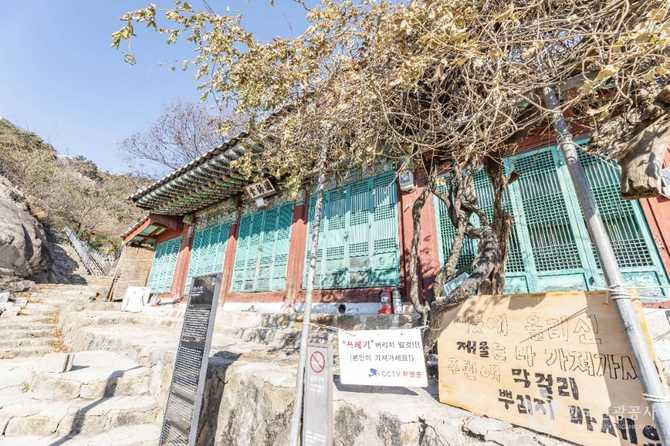
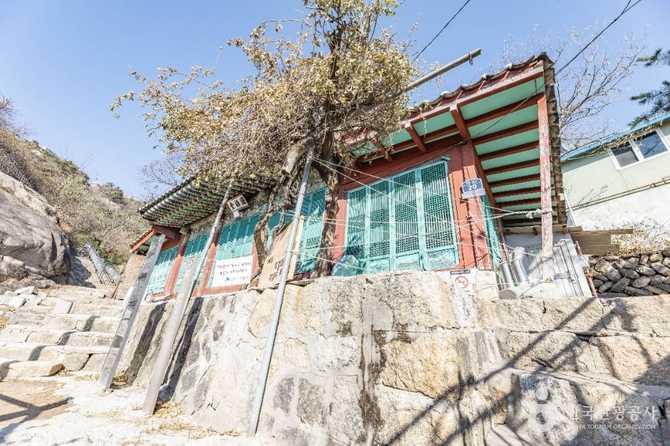
The shrine features a traditional Korean wooden structure with a gable roof shaped like a human figure (인 자형 맞배지붕). It has a simple layout with three bays in the front and two on the sides, restored in 1925, and houses shamanic paintings and ritual spaces inside.
Q3: What types of rituals are performed at Inwangsan Guksa-dang?
Regular rituals include gut ceremonies, offerings to mountain gods, and shamanic performances such as dance and spirit paintings. Visitors can observe or participate in these rituals, which are vital to Korea’s indigenous spiritual traditions.

Q4: Is Inwangsan Guksa-dang officially protected as a cultural heritage?
Yes, it was designated as a National Intangible Cultural Heritage of Korea on July 16, 1973. The site’s architecture and shamanic artworks are preserved under legal protection and ongoing maintenance efforts.
Q5: Can visitors freely enter Inwangsan Guksa-dang?
Yes, the shrine is open year-round with free admission. While most visits do not require reservations, participation in rituals or ceremonies may need prior booking, and visitors are advised to check local guidelines.

Q6: How do I get to Inwangsan Guksa-dang and whom can I contact for more information?
The shrine is located at 20 Tongil-ro 18-gil, Jongno-gu, Seoul. You can contact the Jongno Cultural Heritage Office at 02-2148-2052 or visit the official website at https://www.khs.go.kr for further details.
Final Thoughts on Inwangsan Guksa-dang
Visiting Inwangsan Guksa-dang offers a rare opportunity to connect with Korea’s rich spiritual heritage and traditional shamanic practices. As a site of profound cultural and historical significance, it provides visitors with an authentic glimpse into Korea’s indigenous faiths, preserved through centuries of tradition. Whether you are interested in exploring Korea’s cultural roots, observing vibrant rituals, or simply experiencing the tranquil atmosphere of this sacred space, Inwangsan Guksa-dang is a must-visit destination in Seoul.
The site’s architectural simplicity combined with its spiritual importance makes it a meaningful place for reflection and cultural appreciation. Its active rituals and ongoing shamanic performances serve as living demonstrations of Korea’s intangible cultural heritage. Visitors should remember to approach the site with respect, adhere to local customs, and follow any guidelines provided by the staff, especially if participating in rituals or ceremonies.
Planning your visit during daylight hours and utilizing public transportation will ensure a smooth experience, as parking options are limited. Best of all, entry is free, making it accessible for everyone eager to learn about Korea’s spiritual traditions. A trip to Inwangsan Guksa-dang enriches your understanding of Korea’s cultural history and offers an unforgettable experience that highlights the enduring legacy of Korea’s shamanic faiths. Be sure to include this sacred site in your exploration of Seoul’s diverse cultural landscape for a truly meaningful journey into Korea’s spiritual heart.