

출처 : ⓒ한국관광콘텐츠랩 또는 ⓒ한국관광공사
Halmikkot Hanjae Park: Discover Korea’s Largest Wildflower Sanctuary
Location 전남광주통합특별시 장흥군 회진면 덕산리 산 56
Location 전남광주통합특별시 장흥군 회진면 덕산리 산 56
Looking for a breathtaking springtime destination in Korea where you can enjoy vibrant wildflowers and natural beauty? Halmikkot Hanjae Park offers visitors a unique chance to experience Korea’s largest wildflower habitat, especially during the peak blooming season from early March to mid-April. Whether you’re a nature lover, a photographer, or simply seeking a peaceful escape into Korea’s scenic landscapes, this park provides an unforgettable experience.
Located in the southern coastal region of Korea, Halmikkot Hanjae Park is renowned for its extensive wildflower fields, especially the rare and beautiful Halmikkot (lady’s slipper flower). As one of Korea’s top natural attractions, the park combines stunning scenery, ecological preservation, and cultural significance. Visitors can enjoy scenic views from the park’s vantage points, explore movie filming sites, and learn about Korea’s efforts in protecting its native flora. It’s a perfect destination for those wanting to immerse themselves in Korea’s springtime natural splendor.

In this guide, you’ll find everything you need to know about visiting Halmikkot Hanjae Park, including the best times to see the flowers in full bloom, how to get there, and important tips to ensure a respectful and enjoyable visit. Remember, the park is a protected area, so please observe all rules regarding flower preservation and park conduct. Whether you’re planning a day trip or a scenic weekend, this natural wonder promises an authentic Korean spring experience that highlights the country’s rich biodiversity and cultural heritage.
At a Glance
- Who this is for
-
- Travelers seeking Korea’s natural spring blooms
- Nature and flower enthusiasts
- Ecotourists and environmental advocates
- Photographers looking for scenic landscapes
- Culture seekers interested in filming locations
- Key takeaways
-
- Located in Yeosu, Jeollanam-do, Korea
- Largest wildflower habitat in Korea, especially for lady’s slipper flowers
- Best visited from early March to mid-April for full bloom
- Free admission; open year-round
- Preserve natural beauty by avoiding flower picking
- Tips & cautions
-
- Respect park rules and do not pick or damage flowers
- Arrive early during peak season to avoid crowds
- Use designated parking areas; parking may be limited during busy times
- Bring suitable footwear for uneven terrain
- Check weather conditions before visiting
- Bottom line
- Halmikkot Hanjae Park is Korea’s premier spring wildflower destination, offering breathtaking scenery and ecological preservation in one remarkable place.
Are you eager to explore Korea’s vibrant spring landscapes? Halmikkot Hanjae Park provides a perfect setting to witness the beauty of Korea’s native wildflowers, especially the iconic lady’s slipper flower, in their natural habitat. Situated in the scenic region of Yeosu, this park is a must-visit for travelers who want to experience Korea’s rich biodiversity and cultural landscapes during the most colorful season of the year.
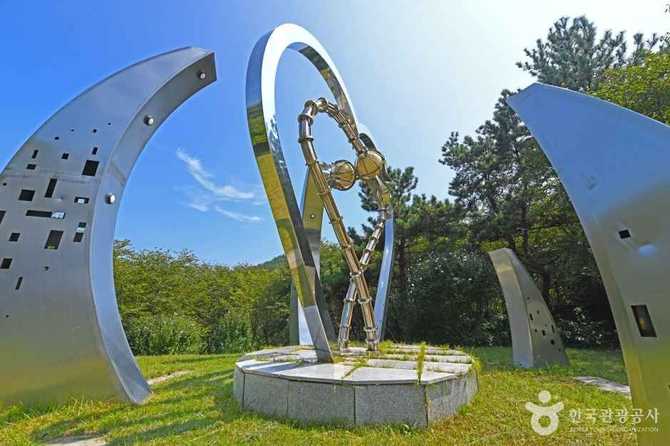
Whether you’re interested in photography, ecological education, or simply relaxing amidst nature, Halmikkot Hanjae Park offers a serene environment that highlights Korea’s dedication to preserving its natural heritage. Its accessibility and free entry make it an ideal spot for families, solo travelers, and nature enthusiasts alike. Remember to plan your visit during the peak blooming period from early March to mid-April to enjoy the full spectacle of blooming wildflowers.
Halmikkot Hanjae Park Overview & Location
Halmikkot Hanjae Park is Korea’s largest wildflower sanctuary, renowned for its vibrant display of lady’s slipper flowers (Halmikkot) during the spring season. Located in the scenic region of Yeosu, Jeollanam-do, this natural reserve offers visitors an exceptional opportunity to witness Korea’s rich biodiversity in its most colorful period. The park is situated in Yeosu’s coastal landscape, providing stunning views of the Dadohae (East Asian Seas) and surrounding natural scenery. Its precise address is Yeosu, Jeollanam-do, South Korea, specifically in the area of Doksan-ri, Hyeonam-myeon.

The park covers a substantial area, hosting Korea’s largest concentration of wildlady’s slipper flowers, which bloom from early March to mid-April. This makes it an ideal destination for nature lovers, photographers, ecotourists, and anyone interested in Korea’s native flora. The site is protected as a special conservation area, emphasizing its ecological importance and the need for visitors to respect the natural environment. The park is open year-round, free of charge, and accessible to all, with facilities including parking areas and well-maintained walking trails.
Visitors can enjoy panoramic views from designated viewpoints, explore film locations used in Korean cinema, and immerse themselves in Korea’s natural beauty. The park’s location in the southern coastal region means it offers a mild climate during spring, making it perfect for outdoor activities. The park’s management strictly enforces rules to protect the flora, including prohibitions on flower picking and damaging the natural habitat. For those planning a visit, it’s recommended to arrive early during peak blooming times to avoid crowds and fully enjoy the scenery. Overall, Halmikkot Hanjae Park is a must-visit natural attraction that beautifully combines ecological preservation with breathtaking springtime scenery.

Comparison of Visiting Seasons & Flower Viewing Tips
| Aspect | Spring (Ideal Time) | Early Spring (Preparation) |
|---|---|---|
| Best Viewing Period | Early March to Mid-April | Late February to Early March (for early blooms) |
| Flower Bloom Peak | Mid-March to Mid-April | Late February to Early March |
| Visitor Crowds | Moderate to High (peak weekends) | Lower, ideal for quiet observation |
| Weather Conditions | Mild, comfortable, occasional rain | Cooler, less rain, more unpredictable |
| Recommended Activities | Flower viewing, photography, walking trails | Early planning, photography of early blooms |
To maximize your experience, plan your visit during the peak bloom period from early March to mid-April. During this time, the wildlady’s slipper flowers are in full bloom, creating a vibrant carpet of purple and white. Arriving early in the morning helps avoid crowds and provides better lighting for photography. Always check local weather forecasts before heading out, as spring weather can be unpredictable. Remember, the best viewing times are when the flowers are at their most abundant and vibrant, offering a truly spectacular natural display.
Natural Preservation & Flower Protection Rules
- Respect the flora: Do not pick or damage any flowers, especially during the blooming season. The wildlady’s slipper flower is a protected species, and collecting flowers is strictly prohibited by law.
- Stay on designated paths: Use marked trails to prevent trampling sensitive plants and disturbing the natural habitat.
- Do not disturb wildlife: Avoid making loud noises or attempting to feed or interact with animals in the park area.
- Photography etiquette: Take photos without touching or damaging flowers. Use zoom lenses rather than getting too close to delicate blooms.
- Park regulations: Follow all posted signs and guidelines issued by park authorities to ensure ecological preservation.
Warning: Flower picking or damaging the plants can lead to legal penalties, including fines and prosecution. Protect Korea’s natural heritage by adhering to park rules and contributing to conservation efforts.
Filming Locations & Scenic Viewpoints at Halmikkot Hanjae Park
Halmikkot Hanjae Park is not only famous for its stunning wildflower displays but also for its cultural significance as a popular filming location. The park has been featured in Korean cinema, notably in the film 천년학 (“The Millennium’s Love”), which adds a layer of cultural interest for visitors. Additionally, the park offers several scenic viewpoints that provide breathtaking vistas of the Dadohae (East Asian Seas), making it a perfect spot for photography and sightseeing. Here are the main ways to enjoy the scenic and cinematic highlights of the park:
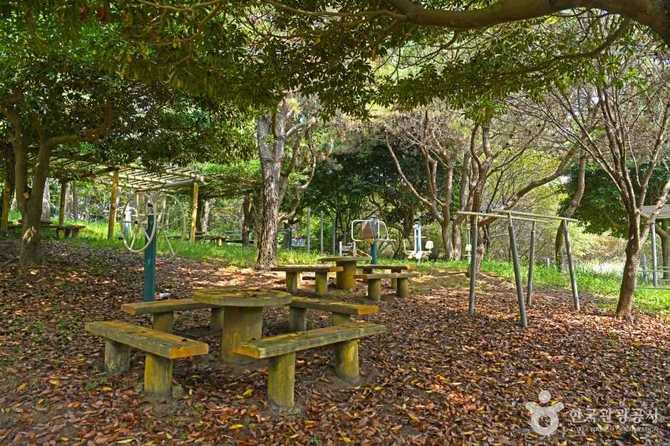
| Viewing Point / Activity | Description | Highlights |
|---|---|---|
| Main Scenic Viewpoint | Located at the highest accessible point of the park, offering panoramic views of the Dadohae Sea and surrounding islands. | Ideal for sunset photography and capturing the vastness of Korea’s southern coast. |
| Filming Site of “천년학” | Designated area where scenes from the popular Korean film were shot, now a cultural landmark within the park. | A great spot for fans of Korean cinema and photography of film history. |
| Observation Deck | A dedicated platform for visitors to enjoy unobstructed views of the sea and landscape. | Perfect for birdwatching, landscape photography, and relaxing while taking in Korea’s natural beauty. |
| Walking Trails & Photo Spots | Well-maintained trails that lead visitors through scenic areas rich with wildflowers and natural scenery. | Excellent for leisurely walks, capturing nature photos, and enjoying the tranquil environment. |
Visitor Information & Practical Tips for Visiting Halmikkot Hanjae Park
- Opening hours: The park is open year-round, 24 hours a day, allowing flexible visiting times.
- Admission fee: Free for all visitors.
- Parking: Ample parking spaces are available at the park entrance. During peak bloom season, arriving early is recommended to secure parking and avoid crowds.
- Best time to visit: Early March to mid-April, when wildlady’s slipper flowers are at their peak.
- Accessibility: The park features well-maintained walking trails suitable for most visitors, including accessible routes for those with mobility challenges.
- What to bring: Comfortable walking shoes, weather-appropriate clothing, camera or smartphone for photos, and water.
- Visitor etiquette: Respect the natural environment by staying on designated paths, not picking flowers, and maintaining noise levels to preserve the tranquility.
- Safety tips: Check weather conditions before your visit. During windy or rainy days, trails may be slippery, so proceed with caution.
- Additional recommendations: Arrive early in the morning for the best light and fewer visitors. Use binoculars or zoom lenses for photography without disturbing the flora.
Frequently Asked Questions (FAQ)
Q1: When is the best time to visit Halmikkot Hanjae Park to see the flowers in full bloom?
The optimal period to visit Halmikkot Hanjae Park for peak wildflower viewing is from early March to mid-April, when the lady’s slipper flowers are at their most abundant and vibrant.
Q2: Can I pick or collect flowers at Halmikkot Hanjae Park?
No, flower picking is strictly prohibited to protect the native flora. The park is a designated conservation area, and collecting flowers can lead to legal penalties.

Q3: Is there an entrance fee for visiting Halmikkot Hanjae Park?
No, admission to Halmikkot Hanjae Park is free, and it is open year-round for visitors to enjoy the natural scenery and wildflowers.
Q4: What are the best viewpoints or scenic spots within the park?
The highest viewpoint at the park offers panoramic views of the Dadohae (East Asian Seas) and the surrounding natural landscape, making it the most popular spot for sightseeing and photography.
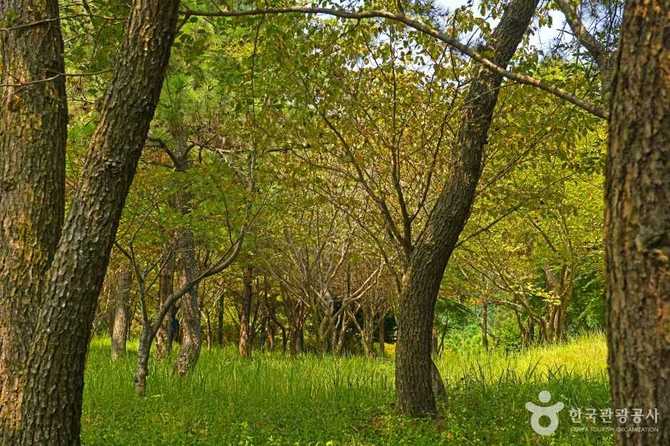
Q5: How should I plan my visit to coincide with the blooming season?
Plan your trip between early March and mid-April, and check local weather and bloom forecasts beforehand to ensure you visit during the peak flowering period for the best experience.
Q6: Are there any rules I should follow to help protect the environment during my visit?
Visitors should stay on designated trails, avoid touching or damaging plants, and refrain from flower picking to help preserve the natural habitat and protect Korea’s native flora.
Final Tips for Visiting Halmikkot Hanjae Park
Visiting Halmikkot Hanjae Park offers a truly memorable experience during Korea’s springtime. To make the most of your trip, plan your visit during the peak blooming period from early March to mid-April, when the wildlady’s slipper flowers are at their most vibrant and abundant. Arriving early in the morning allows you to enjoy the peaceful atmosphere and capture stunning photographs without large crowds. Remember, this park is a protected natural habitat, so always respect the rules—do not pick or damage the flowers, and stay on designated trails to help preserve the delicate ecosystem. Parking is available, but during peak season, it’s advisable to arrive early to secure a spot. Dress comfortably for walking on uneven terrain and check the weather forecast before heading out. Most importantly, enjoy the breathtaking scenery and the tranquility of Korea’s natural beauty. Visiting Halmikkot Hanjae Park is not just about viewing flowers; it’s about immersing yourself in Korea’s rich ecological and cultural heritage. Take your time, be respectful, and cherish the serenity of this unique natural sanctuary, creating unforgettable memories of Korea’s springtime splendor.