
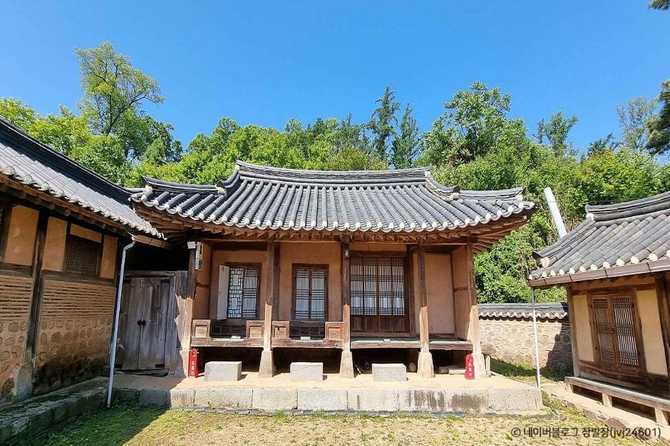
출처 : ⓒ한국관광콘텐츠랩 또는 ⓒ한국관광공사
Explore the Historic Hwaseong Jeong Siyoung Hanok: A Traditional Korean House Experience
Location 경기도 화성시 서신면 오얏리길 44-12
Location 경기도 화성시 서신면 오얏리길 44-12
Discover the beauty and cultural significance of the Hwaseong Jeong Siyoung Hanok, a preserved traditional Korean house that offers a glimpse into Joseon Dynasty aristocratic life. Whether you’re a history enthusiast, architecture lover, or cultural traveler, learning about this historic hanok provides a unique opportunity to connect with Korea’s rich heritage.
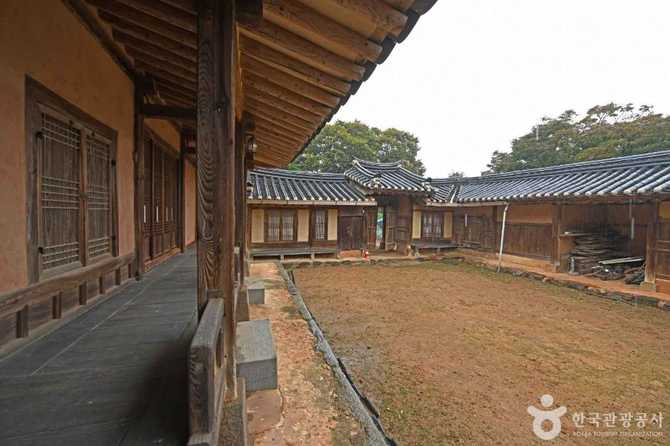
Located in Hwaseong City, Gyeonggi Province, the Hwaseong Jeong Siyoung Hanok is a valuable cultural asset representing Korea’s traditional architecture and history. Built in 1887, this hanok features over 50 rooms, including the love-chamber and main hall, arranged in a distinctive layout that harmonizes with nature. Recognized as a National Folk Cultural Heritage, it is open year-round and free to visit, making it an accessible destination for travelers seeking authentic Korean cultural experiences.
At a glance
- Who this is for
-
- Visitors interested in Korean traditional architecture and cultural heritage
- History and architecture researchers
- Tourists exploring Hwaseong City and nearby attractions
- Students and educators seeking cultural learning experiences
- Key takeaways
-
- Constructed in 1887, representing late Joseon Dynasty architecture
- Features a unique 월자형 (moon-shaped) floor plan with complex structures
- Designated as a National Folk Cultural Heritage since 1984
- Open all year round with free admission
- Includes beautiful gardens harmonized with traditional architecture
- Tips & cautions
-
- Visit after confirming opening hours and any special events
- Some areas may be restricted during maintenance or special occasions
- Wear comfortable shoes suitable for walking around the hanok grounds
- Respect the cultural site and follow visitor guidelines
- Bottom line
- Hwaseong Jeong Siyoung Hanok offers a rare chance to experience Korea’s traditional architecture and history firsthand, free of charge, year-round.
Embark on a journey through Korea’s past by visiting the Hwaseong Jeong Siyoung Hanok, a beautifully preserved example of traditional Korean hanok architecture. Located in the scenic surroundings of Hwaseong City, this historic house provides an immersive cultural experience that highlights Korea’s rich heritage and architectural ingenuity. Built in 1887, the hanok exemplifies the sophisticated design principles of the late Joseon Dynasty, with its harmonious integration into the natural landscape and intricate craftsmanship.
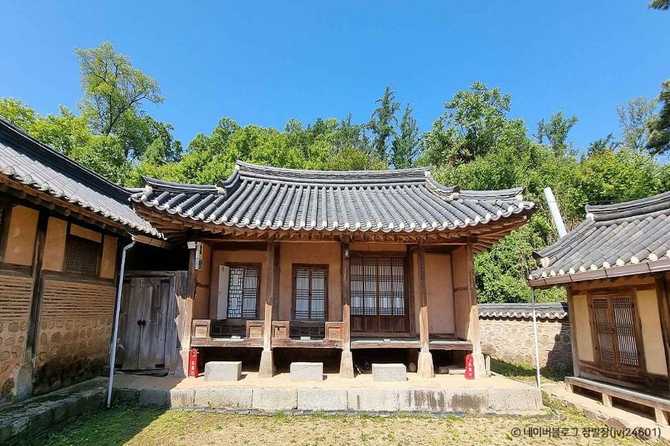
Whether you are a history enthusiast, a student of architecture, or a curious traveler, exploring the Hwaseong Jeong Siyoung Hanok offers valuable insights into Korea’s aristocratic lifestyle, traditional building techniques, and cultural values. The site is open all year round, free of charge, allowing visitors to enjoy its serene gardens and historic structures at their own pace. Planning your visit with prior inquiry is recommended, especially during special events or maintenance periods, to ensure a smooth experience.
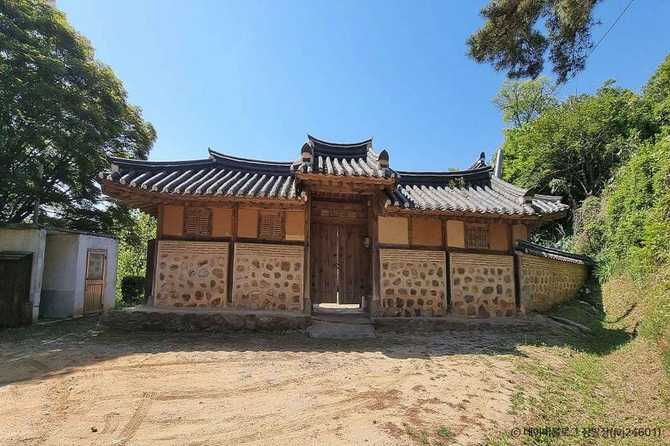
Overview of Hwaseong Jeong Siyoung Hanok
Hwaseong Jeong Siyoung Hanok is a beautifully preserved traditional Korean house located in Hwaseong City, Gyeonggi Province. As a prime example of late Joseon Dynasty architecture, this hanok offers visitors a unique opportunity to experience Korea’s rich cultural heritage firsthand. The focus keyword, Hwaseong Jeong Siyoung Hanok, encapsulates the essence of this historic site, renowned for its elegant design, historical significance, and harmonious integration with nature. Built in 1887, during the reign of King Gojong, this hanok reflects the architectural style and living arrangements of noble families during that period.
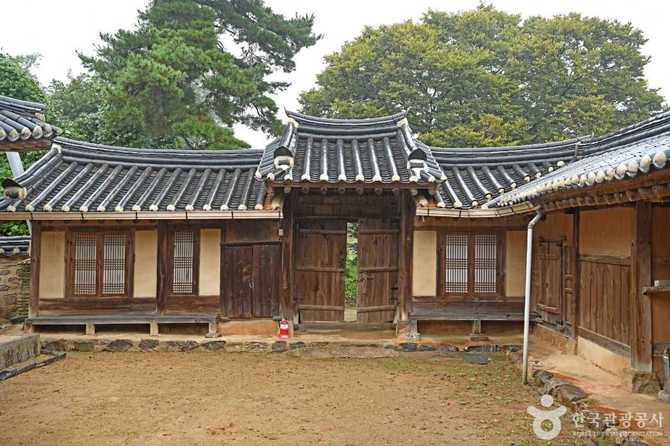
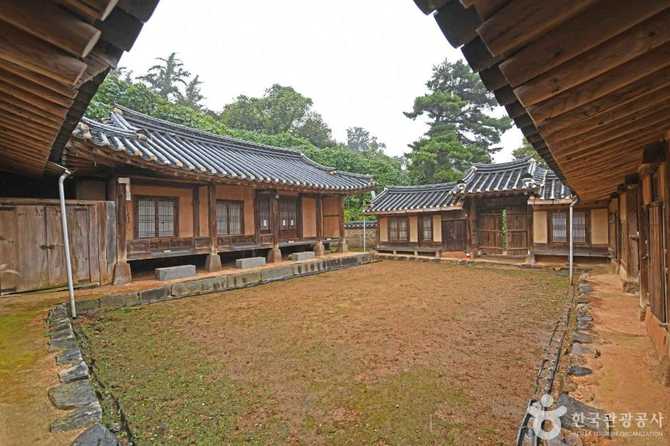
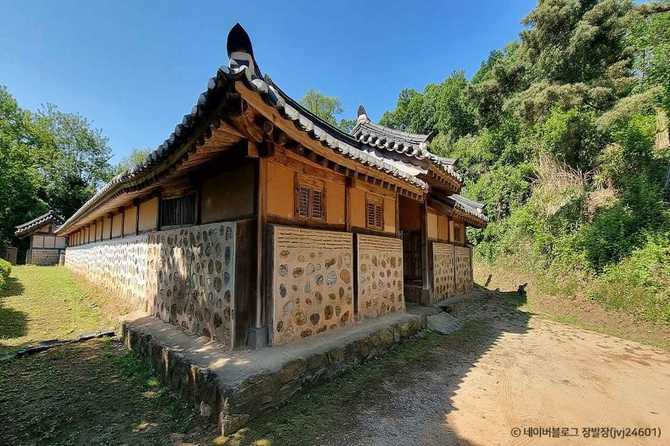
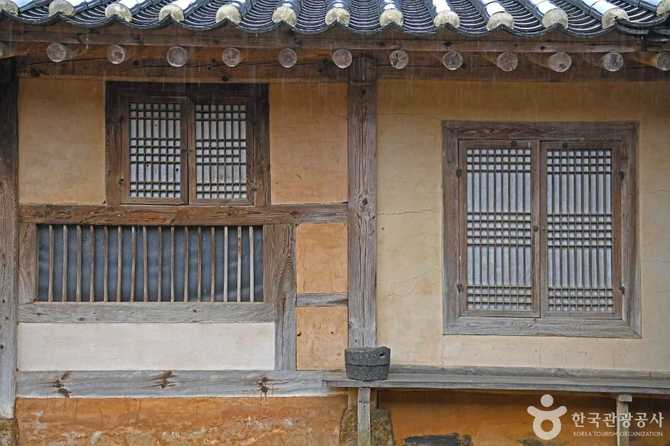
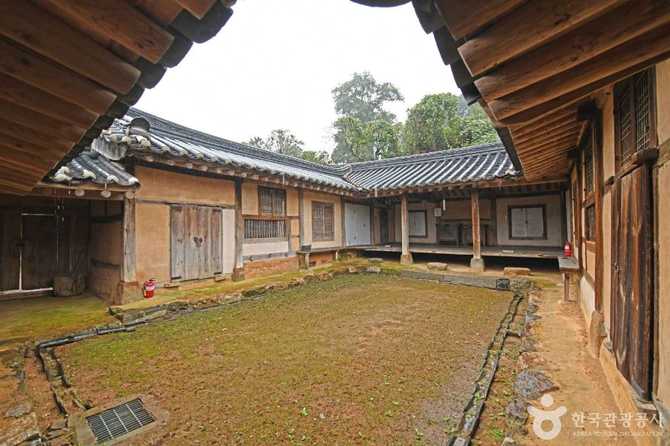
The hanok features over 50 rooms, including the main hall (안채, Anchae) and the love-chamber (사랑채, Sarangchae), connected through a complex layout that exemplifies traditional Korean architectural principles. Its distinctive 월자형 (moon-shaped) floor plan allows for a natural flow between spaces, emphasizing privacy and social interaction. The structure is constructed using traditional materials such as wood, clay, and stone, showcasing exquisite craftsmanship and attention to detail. The site is designated as a National Folk Cultural Heritage since 1984, emphasizing its cultural importance and the need for preservation.
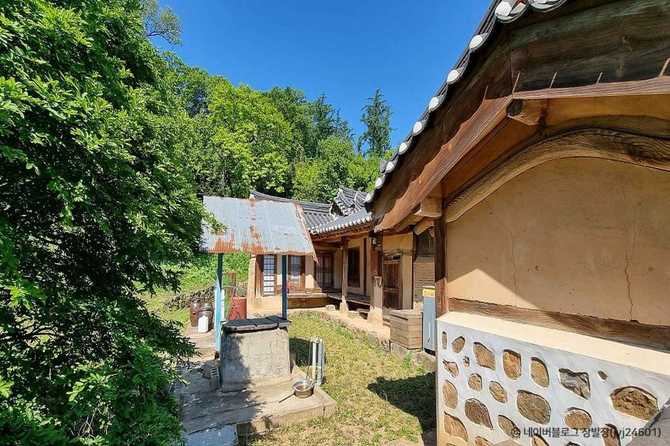
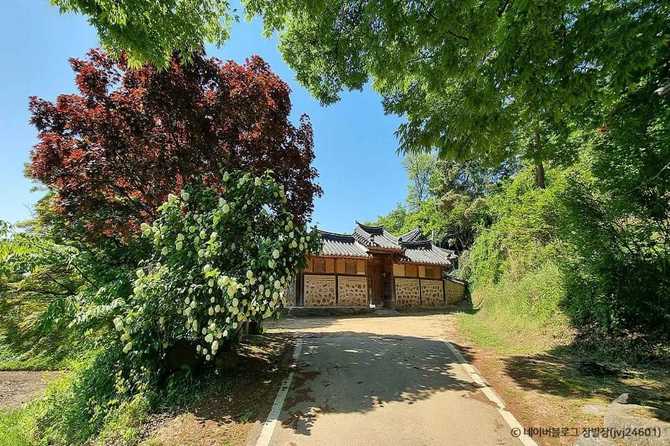
Surrounded by a scenic garden that harmonizes with the architecture, the hanok offers a tranquil environment ideal for cultural exploration and relaxation. Visitors can stroll through the garden, which features native trees like pine and persimmon, creating a peaceful atmosphere that embodies Korea’s traditional aesthetic. The hanok is open year-round and free of charge, making it accessible for tourists, students, and researchers interested in Korea’s architectural history and cultural practices. To fully appreciate the site, it’s recommended to visit with prior inquiry, especially during special events or maintenance periods. Overall, Hwaseong Jeong Siyoung Hanok is a treasured cultural asset that provides an authentic glimpse into Korea’s noble lifestyle during the late Joseon era, highlighting the beauty and sophistication of traditional Korean architecture.
Comparison of Architectural Features of Hwaseong Jeong Siyoung Hanok
| Feature | Details | Remarks |
|---|---|---|
| Floor Plan | 월자형 (moon-shaped) layout | Unique to late Joseon architecture, emphasizes harmony with nature |
| Main Structures | 사랑채 (Sarangchae), 안채 (Anchae), 행랑채 (Haengrangchae) | Represents social hierarchy and family functions |
| Construction Materials | Wood, clay, stone | Traditional techniques emphasizing craftsmanship |
| Architectural Style | Traditional Korean Hanok | Features eaves, ondol heating, natural ventilation |
| Cultural Designation | National Folk Cultural Heritage (since 1984) | Protection and preservation status |
Visitor Checklist for Hwaseong Jeong Siyoung Hanok
- Check Opening Hours: The hanok is open year-round with no specific holidays, but it’s best to confirm before visiting.
- Contact in advance: Call 031-369-2643 or visit the Gyeonggi Tourism website for current information, especially during events or maintenance.
- Prepare comfortable footwear: The site involves walking around traditional structures and gardens.
- Respect the site: Do not touch or damage the buildings and follow visitor guidelines.
- Bring essentials: Water, sun protection, and camera for capturing the beautiful scenery.
Visiting Hwaseong Jeong Siyoung Hanok: Practical Tips and Information
| Aspect | Details |
|---|---|
| Operating Hours | Open year-round, 24 hours, no holidays. However, it is recommended to confirm before visiting. |
| Contact Information | Call 031-369-2643 or visit the Gyeonggi Tourism website for current updates and special events. |
| Parking Facilities | Free parking available on-site, with ample space for visitors. |
| Visitor Guidelines | Please respect the site by not touching or damaging structures. Follow all posted rules and guidelines. |
| What to Bring | Comfortable shoes, water, sun protection, and camera to capture the scenery. |
Nearby Attractions and Natural Environment of Hwaseong Jeong Siyoung Hanok
- Scenic Gardens: The hanok is surrounded by a tranquil garden featuring pine trees and persimmon trees, creating a peaceful natural setting ideal for relaxing walks and photography.
- Adjacent Cultural Sites: Nearby, visitors can explore other traditional cultural heritage sites within Hwaseong City, such as Hwaseong Fortress and local folk villages, enriching the cultural experience.
- Walking Trails: Several walking paths extend from the hanok grounds into the surrounding natural landscape, offering opportunities for leisurely hikes and enjoying Korea’s scenic outdoors.
- Regional Specialties: Visitors can purchase local products such as persimmon-based treats and pinewood souvenirs, or participate in agricultural experiences like fruit picking at nearby farms.
- Natural Environment: The area features lush greenery, including pine forests and orchards, providing a serene backdrop for outdoor activities and nature appreciation.
- Wear comfortable footwear suitable for walking on uneven terrain and trails.
- Bring sun protection such as hats, sunglasses, and sunscreen, especially during summer months.
- Carry water to stay hydrated while exploring outdoor areas.
- Use a camera or smartphone to capture the scenic natural environment and cultural sites.
- Check local weather conditions before heading out for outdoor activities.
- Respect the natural surroundings by not littering and following designated trails.
- Consider visiting during local festivals or seasonal events to enhance your experience.
Whether you visit during the day or evening, Explore the Historic Hwaseong Jeong is a meaningful stop on any Seoul itinerary for history-minded travelers.
Frequently Asked Questions (FAQ)
Hwaseong Jeong Siyoung Hanok was constructed in 1887, during the late Joseon Dynasty, specifically in the 24th year of King Gojong’s reign.
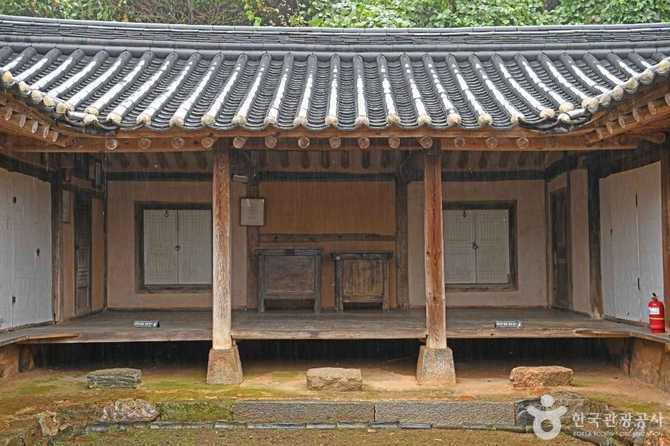
This hanok features a 월자형 (moon-shaped) floor plan, with structures such as the 사랑채 (love-chamber), 안채 (main hall), and 행랑채 (service building). It showcases traditional Korean craftsmanship using wood, clay, and stone materials.
Yes, it was designated as a National Folk Cultural Heritage in 1984 and is protected for its historical and architectural significance.
Yes, the hanok is open to the public free of charge year-round, although visiting hours should be confirmed beforehand due to possible restrictions during maintenance or events.
Visitors should respect the site by not touching or damaging the structures. It is recommended to confirm opening hours and avoid visiting during maintenance or special events to ensure access.
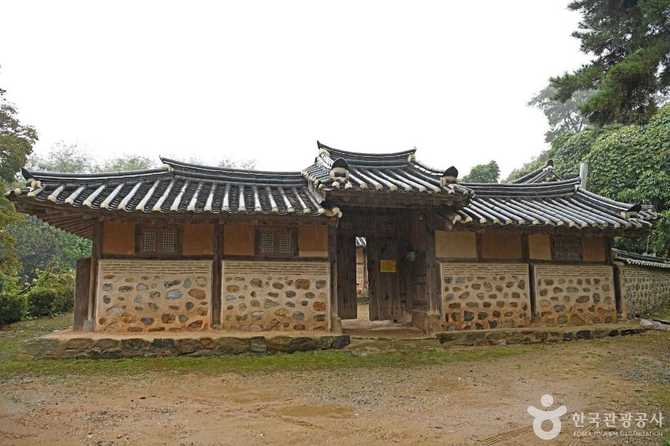
The surrounding area features scenic gardens with pine and persimmon trees, other traditional cultural sites in Hwaseong, and walking trails that offer a peaceful natural environment for visitors.
Experience the Rich Heritage of Hwaseong Jeong Siyoung Hanok
Visiting Hwaseong Jeong Siyoung Hanok offers a rare opportunity to immerse yourself in Korea’s traditional architecture and cultural history. This beautifully preserved hanok stands as a testament to the craftsmanship and aesthetic sensibilities of late Joseon Dynasty aristocratic life. Its unique 월자형 (moon-shaped) layout, combined with the tranquil garden setting, creates an atmosphere of harmony and serenity that’s perfect for reflection and learning. Whether you are a history enthusiast, architecture lover, or cultural explorer, this site provides valuable insights into Korea’s noble lifestyle and building techniques. The fact that it is open year-round and free of charge makes it an accessible destination for all visitors seeking an authentic Korean cultural experience. Remember to check ahead for any special events or maintenance schedules to ensure a smooth visit. By exploring Hwaseong Jeong Siyoung Hanok, you gain a deeper appreciation for Korea’s rich heritage and the timeless beauty of traditional hanok architecture. It’s a meaningful addition to any cultural travel itinerary in Gyeonggi Province, and a memorable way to connect with Korea’s historical roots.