
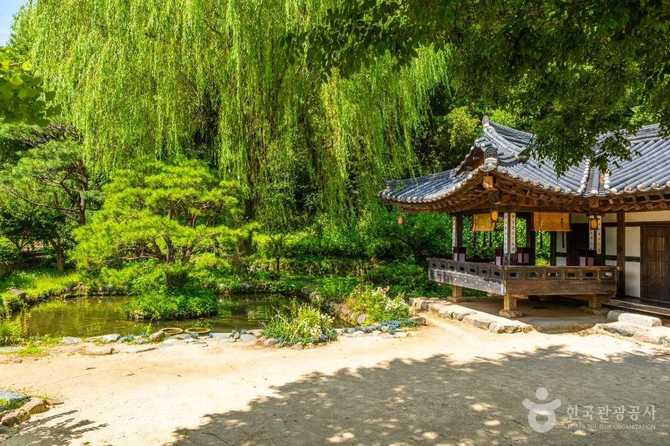
Explore the Cultural Heritage of Choi Cham-pan House and Pyeongsari Village in Korea
Discover the historical and scenic attractions of Choi Cham-pan House and Pyeongsari Village, renowned settings from Korea’s classic literary work, 『Toji』. Whether you’re a literature enthusiast, history lover, or family traveler, this destination offers an immersive experience into Korea’s rich cultural and natural landscape.
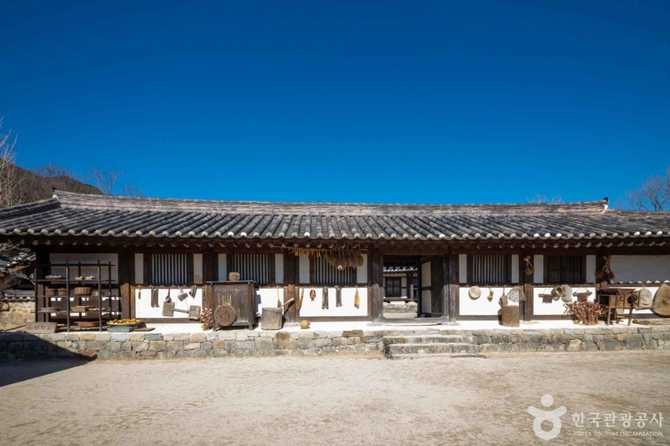
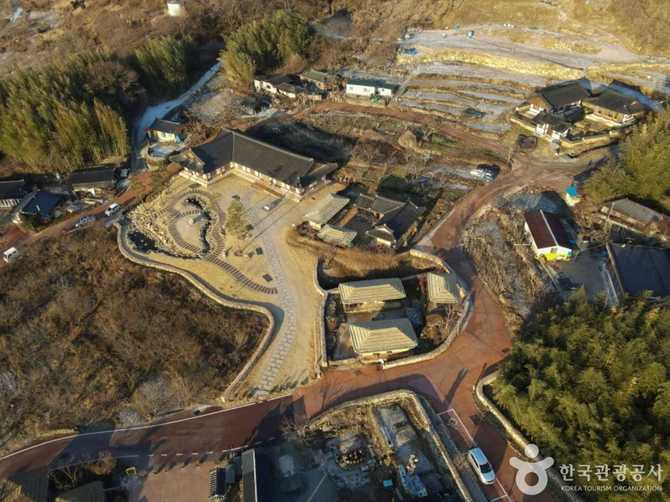
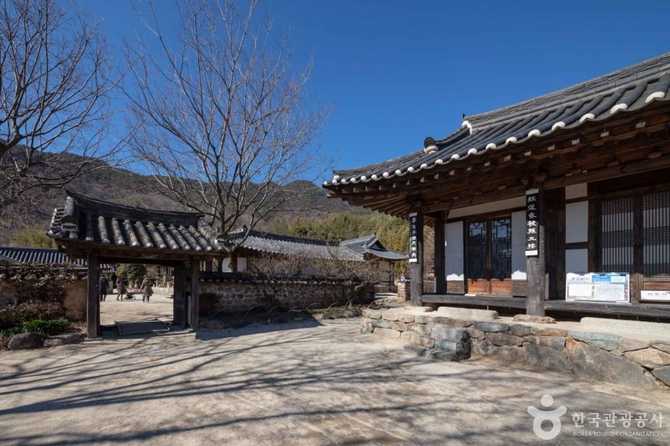
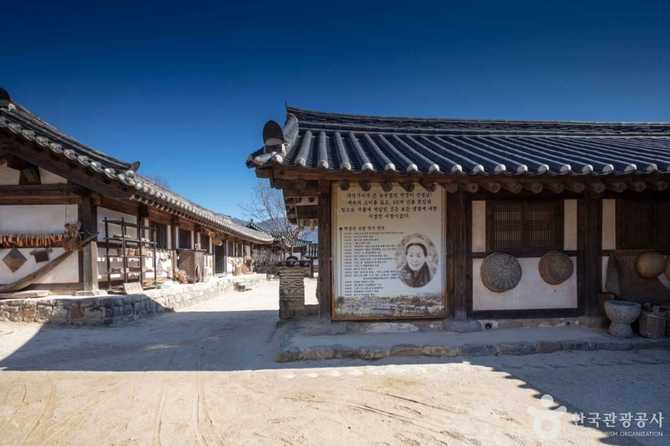
Visit this unique cultural site to walk through traditional Korean hanok, explore the scenic beauty of the Seomjin River and Jirisan Mountain, and learn about Korea’s late Joseon Dynasty lifestyle. The Choi Cham-pan House, reconstructed with 14 traditional hanok buildings, serves as a historical drama set and a living museum that vividly portrays Korea’s past. Pyeongsari Village, nestled in a lush natural environment, hosts annual literary festivals and cultural events, making it an ideal place to deepen your understanding of Korean literature and history.
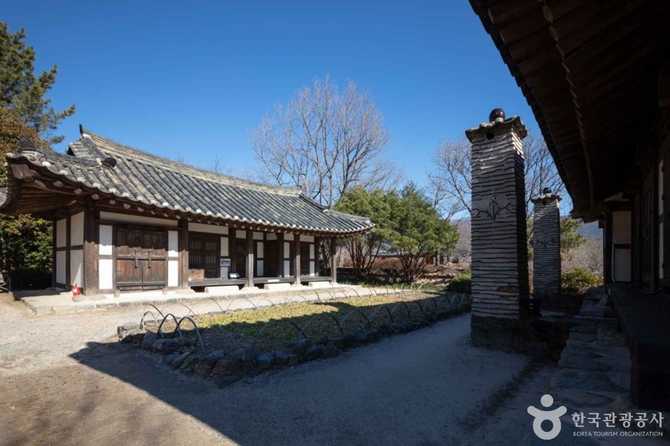
At a glance
- Who this is for
-
- Travelers interested in Korean literature and history
- Visitors wanting to explore traditional Korean architecture
- Families seeking cultural and scenic experiences
- Literature and drama enthusiasts
- Tourists looking for scenic natural landscapes
- Key takeaways
-
- Choi Cham-pan House is a reconstructed Hanok village used as a drama set
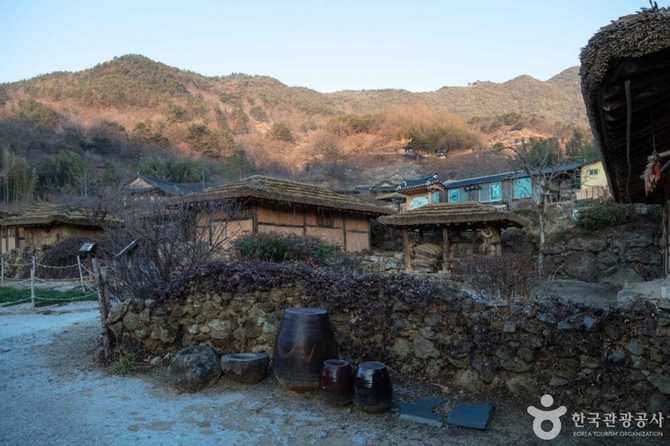
- Pyeongsari Village offers scenic views of Seomjin River and Jirisan Mountain
- Open year-round with free parking and cultural programs
- Annual 『Toji』 literary festival held in fall
- Accessible for family visits, with opportunities for cultural immersion
- Tips & cautions
-
- Visit during off-peak hours to avoid crowds
- Pre-book drama set tours if available
- Respect natural environment and cultural heritage
- Check opening hours and festival schedules before visiting
- Bottom line
- Choi Cham-pan House and Pyeongsari Village are must-visit destinations to experience Korea’s literary, historical, and natural beauty.
Embark on a journey through Korea’s rich cultural heritage by exploring Choi Cham-pan House and Pyeongsari Village. These sites, deeply rooted in the backdrop of the famous Korean novel 『Toji』, offer visitors a unique blend of history, literature, and scenic landscapes. Located in the scenic region of Hadong County, these attractions are perfect for those seeking an authentic cultural experience intertwined with Korea’s natural beauty.
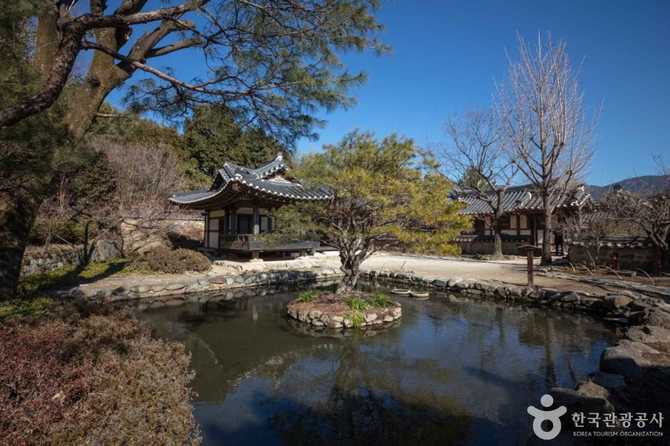

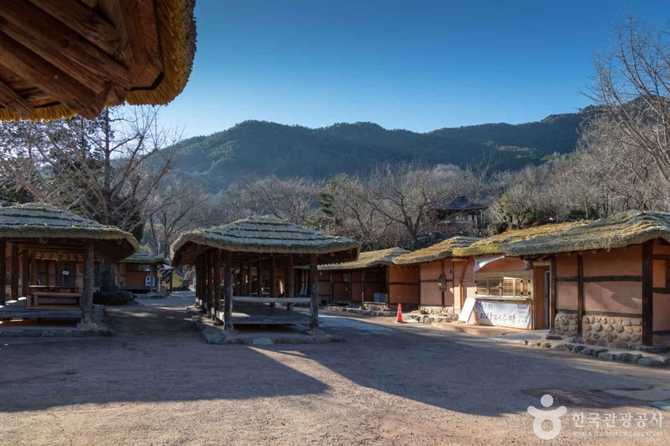
The Choi Cham-pan House features a traditional Hanok village reconstructed to resemble the Joseon Dynasty era, serving as both a historical site and a popular filming location. Meanwhile, Pyeongsari Village offers visitors a chance to walk through lush landscapes, traditional architecture, and participate in cultural festivals. Whether you are interested in Korea’s literary history or simply want to enjoy tranquil natural scenery, this destination provides a comprehensive cultural immersion.
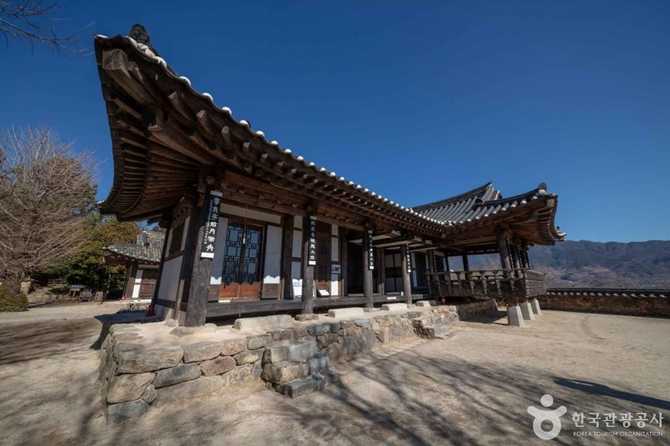
Overview of Choi Cham-pan House and Pyeongsari Village
Choi Cham-pan House and Pyeongsari Village are iconic cultural and historical attractions in Korea, renowned for their deep connection to the classic Korean novel 『Toji』 by Park Kyung-ni. Located in the scenic region of Hadong County, these sites offer visitors a unique opportunity to explore Korea’s rich literary heritage, traditional architecture, and natural landscapes. The focus keyword, Choi Cham-pan House and Pyeongsari Village, encapsulates the essence of this cultural experience, highlighting their importance as both historical sites and popular tourist destinations.

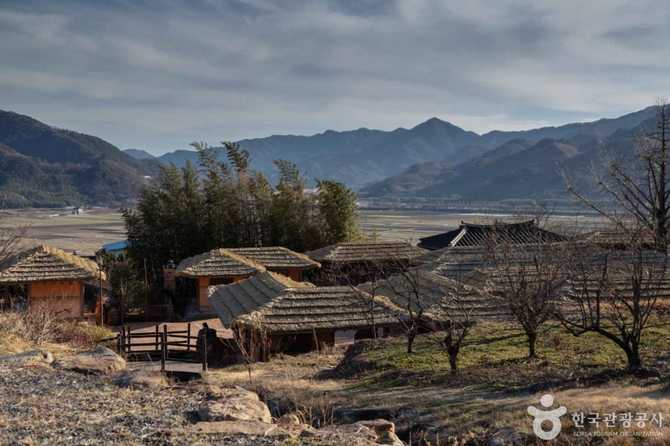
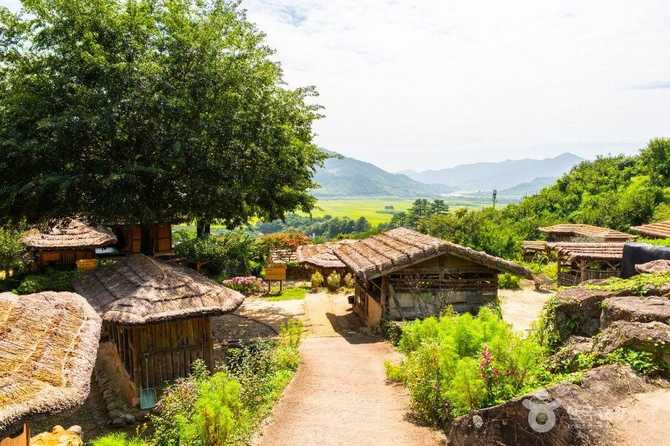
The Choi Cham-pan House is a reconstructed village of 14 traditional Hanok buildings that served as a filming set for the Korean drama adaptation of 『Toji』. It vividly recreates the lifestyle of late Joseon Dynasty Korea, providing an immersive experience into historical Korean architecture and daily life. Meanwhile, Pyeongsari Village is a picturesque area nestled along the Seomjin River and near Jirisan Mountain, offering breathtaking natural scenery and a tranquil environment. It functions as a cultural hub, hosting annual literary festivals, traditional performances, and local markets, making it a perfect destination for those interested in Korea’s cultural traditions and natural beauty.

Both sites are open year-round, with free parking and facilities that cater to visitors’ needs. They are ideal for families, literature enthusiasts, and history buffs seeking an authentic Korean cultural experience. Visitors can walk through traditional Hanok streets, enjoy scenic views, and participate in cultural programs that deepen their understanding of Korea’s history and literary legacy. Whether exploring the drama set of Choi Cham-pan House or enjoying the lush landscapes of Pyeongsari Village, travelers will find these attractions to be enriching and memorable destinations that beautifully blend Korea’s past with its natural environment.
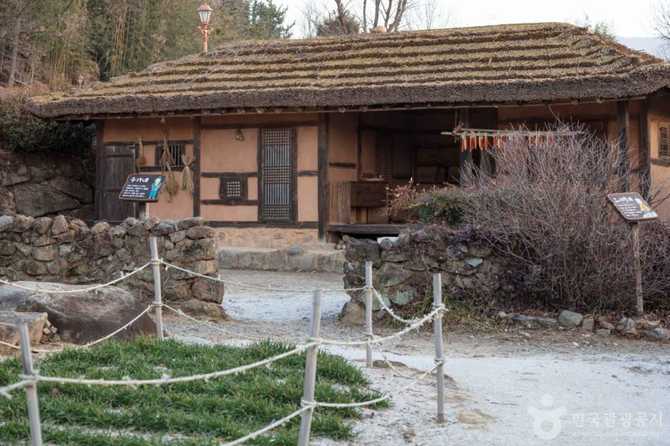
Comparison of Choi Cham-pan House and Pyeongsari Village
| Feature | Choi Cham-pan House | Pyeongsari Village |
|---|---|---|
| Main Focus | Historical drama set and traditional Hanok village | Natural scenic area with cultural festivals |
| Architectural Style | Reconstructed Joseon-era Hanok buildings | Traditional Korean houses and open natural spaces |
| Activities | Drama filming, cultural experience programs, photography | Nature walks, cultural festivals, local markets |
| Operational Hours | 09:00–18:00, open year-round | 09:00–18:00, open year-round |
| Admission & Reservations | Pre-booking recommended for set tours | No reservation needed for general visits |
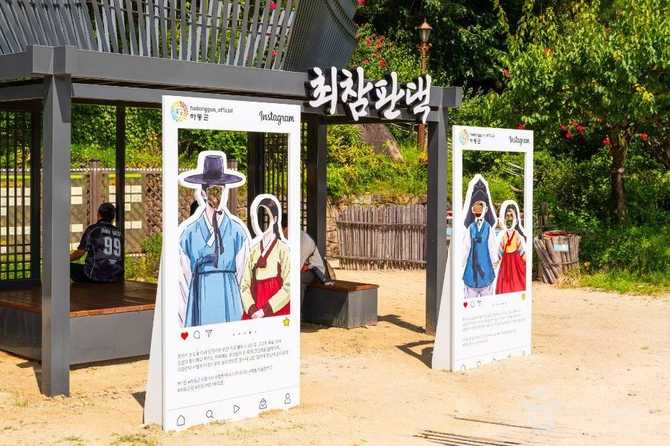
| Facilities | Parking, photo zones, small museum | Parking, walking trails, cultural event spaces |
Both sites offer distinct yet complementary experiences: Choi Cham-pan House immerses visitors in Korea’s historical and literary drama settings, while Pyeongsari Village emphasizes natural beauty and cultural festivals. Combining a visit to both provides a comprehensive understanding of Korea’s traditional lifestyle, architecture, and scenic landscapes, making them ideal for cultural travelers and nature lovers alike.

Visitor Preparation Checklist for Choi Cham-pan House and Pyeongsari Village
- Check the opening hours and special event schedules before your visit.
- Pre-book drama set tours at Choi Cham-pan House if available.
- Plan your visit during off-peak hours, such as weekday mornings, to avoid crowds.
- Wear comfortable shoes suitable for walking and outdoor exploration.
- Bring a camera or smartphone for scenic photography, especially during fall foliage season.
- Prepare weather-appropriate clothing, as outdoor activities are common.
- Respect local customs and natural environment by not littering or damaging property.
- Consider participating in cultural programs or local festivals if available during your visit.
Additional Tips for a Memorable Visit
- Combine your trip with local tasting of regional specialties and traditional Korean snacks.
- Participate in hands-on cultural activities such as traditional craft making or tea ceremonies, if offered.
- Visit during the autumn season to enjoy the vibrant fall foliage that enhances the scenic beauty.
- Check the local event calendar for festivals or literary events related to 『Toji』 or Korean culture.
Activities and Experiences at Choi Cham-pan House and Pyeongsari Village
Visitors to Choi Cham-pan House and Pyeongsari Village can enjoy a variety of engaging activities that deepen their understanding of Korea’s cultural heritage, literature, and natural environment. Whether you want to immerse yourself in traditional architecture, participate in cultural festivals, or simply enjoy scenic views, these sites offer numerous memorable experiences. Here are some of the top activities to consider during your visit:

| Activity | Description | Ideal For |
|---|---|---|
| Traditional Hanok Experience | Walking through reconstructed Joseon-era Hanok villages, learning about traditional Korean architecture and lifestyle. | History enthusiasts, families, cultural explorers |
| Drama Set Tours | Participating in guided tours of the filming sets used for the 『Toji』 drama adaptation, with opportunities for photography. | Drama fans, photographers, cultural tourists |
| Cultural Festivals and Events | Attending annual literary festivals, traditional performances, and local markets that showcase Korea’s cultural traditions. | Cultural enthusiasts, families, event-goers |
| Nature Walks and Scenic Viewing | Exploring the natural surroundings of Pyeongsari Village, including river and mountain views, especially during autumn foliage season. | Nature lovers, photographers, outdoor enthusiasts |
| Photography | Capturing the picturesque scenery of traditional Hanok, scenic landscapes, and cultural performances. | Photographers, social media enthusiasts |
| Hands-on Cultural Activities | Participating in craft-making, traditional tea ceremonies, and other experiential programs if available. | Families, cultural learners, children |
To maximize your experience, plan your activities ahead of time and check for seasonal events or special festivals during your visit. Combining cultural exploration with scenic enjoyment will give you a well-rounded understanding of Korea’s rich heritage and natural beauty.
Visitor Preparation Checklist for Choi Cham-pan House and Pyeongsari Village
- Check the official operating hours and schedule of special events before your visit.
- Pre-book drama set tours or cultural programs if available, to ensure participation.
- Visit during off-peak hours, such as weekday mornings, to avoid crowds and enjoy a more relaxed experience.
- Wear comfortable walking shoes suitable for outdoor exploration.
- Bring a camera or smartphone to capture scenic views, especially during fall foliage season.
- Prepare appropriate clothing for weather conditions, as outdoor activities are common.
- Respect the natural environment and local customs by not littering or damaging property.
- Participate in cultural activities or festivals scheduled during your visit for a more immersive experience.
Additional Tips for a Memorable Visit
- Combine your visit with tasting regional specialties and traditional Korean snacks available nearby.
- If available, participate in hands-on cultural programs such as craft making or traditional tea ceremonies.
- Visit during autumn to enjoy vibrant fall foliage that enhances the scenic beauty.
- Check local event calendars for festivals or literary events related to 『Toji』 or Korean culture.
Whether you visit during the day or evening, Explore the Cultural Heritage of is a meaningful stop on any Seoul itinerary for history-minded travelers.

Frequently Asked Questions (FAQ)
Q1: What is the significance of Choi Cham-pan House in Korea?
Choi Cham-pan House is a reconstructed traditional Hanok village that served as a drama set for the Korean adaptation of 『Toji』. It vividly recreates Joseon-era Korean lifestyle and architecture, offering visitors an immersive historical experience.

Q2: What activities can visitors do at Pyeongsari Village?
Visitors can enjoy scenic walks along the Seomjin River, participate in cultural festivals, explore traditional Korean houses, and experience local markets. The village also hosts annual literary festivals and cultural events related to 『Toji』.
Q3: When is the best time to visit Choi Cham-pan House and Pyeongsari Village?
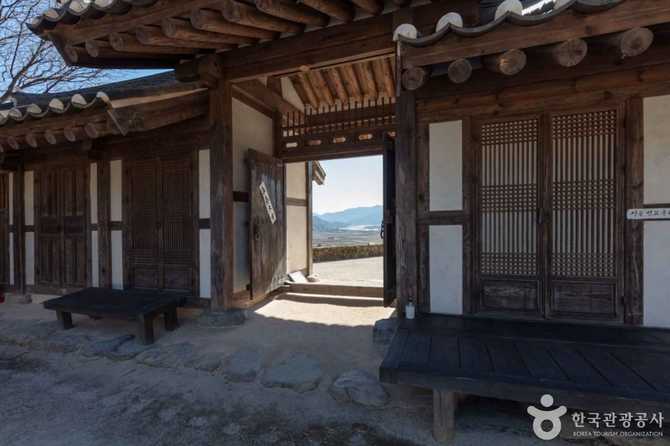
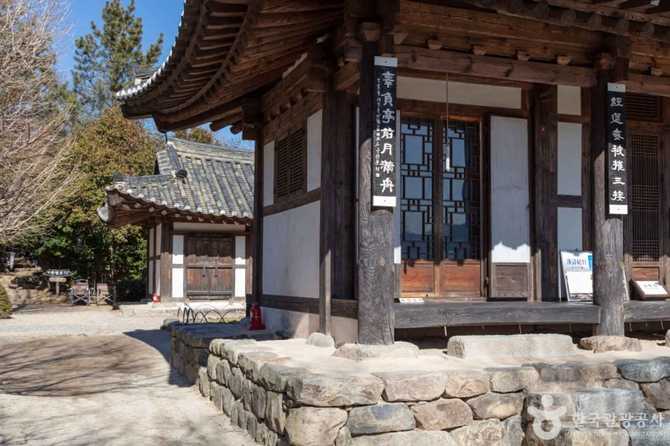
The best times are early mornings or late afternoons for optimal lighting and fewer crowds. Visiting during autumn offers beautiful fall foliage and scenic landscapes.
Q4: Do I need to make reservations before visiting the drama set at Choi Cham-pan House?
Yes, pre-booking is recommended for guided tours and filming set visits, as they may require prior reservation. Other areas of the site are generally open without reservations.

Q5: Are there accommodation options near Choi Cham-pan House and Pyeongsari Village?
Yes, the region offers various lodging facilities, including guesthouses and small hotels, suitable for overnight stays. Staying nearby allows for a more relaxed exploration experience.

Q6: What should I be aware of when visiting these sites?
Visitors should avoid peak hours on weekends and holidays to prevent congestion. It is also important to respect the natural environment and cultural heritage by not littering or damaging property.
Experience the Rich Cultural Heritage at Choi Cham-pan House and Pyeongsari Village
Visiting Choi Cham-pan House and Pyeongsari Village offers a unique opportunity to immerse yourself in Korea’s historical, literary, and natural beauty. These sites beautifully showcase Korea’s traditional architecture, scenic landscapes, and cultural traditions, making them ideal destinations for travelers seeking an authentic Korean experience. Whether you are interested in exploring the drama set of the famous novel 『Toji』 or enjoying the tranquil natural scenery along the Seomjin River and Jirisan Mountain, this destination provides a well-rounded cultural journey.
The reconstructed Hanok village at Choi Cham-pan House vividly brings to life the lifestyle of late Joseon Korea, offering visitors a glimpse into historical architecture and traditional customs. Meanwhile, Pyeongsari Village’s lush surroundings and cultural festivals create a perfect setting for relaxation and cultural enrichment. Both locations are accessible year-round, with facilities that cater to families, literature enthusiasts, and history buffs alike. Planning your visit with prior reservations for certain activities, especially drama set tours, can enhance your experience. Remember to respect the environment and local customs to ensure the preservation of this special place for future visitors.
By exploring Choi Cham-pan House and Pyeongsari Village, you will gain a deeper understanding of Korea’s rich literary heritage and traditional way of life. These destinations are more than just tourist spots—they are cultural treasures that connect visitors with Korea’s past and natural splendor. Whether you’re capturing scenic photographs, participating in cultural programs, or simply enjoying the peaceful landscapes, your visit will become a memorable chapter of your travel experience in Korea. Be sure to plan ahead, respect the site, and embrace the opportunity to learn and appreciate Korea’s vibrant history and culture through these remarkable locations.