

Busan Beomeosa Temple: A Historic and Cultural Buddhist Site
Discover the spiritual serenity and rich history of Beomeosa Temple in Busan, one of Korea’s most revered Buddhist temples. Whether you’re seeking a peaceful retreat, cultural insight, or a glimpse into Korea’s religious traditions, Beomeosa offers an authentic experience nestled in scenic natural surroundings. This guide provides all the essential information for travelers eager to explore this iconic site, including its history, location, visiting tips, and cultural treasures.
Planning your trip to Busan? Make sure to include Beomeosa Temple on your itinerary. As a symbol of Korea’s spiritual heritage, the temple showcases traditional architecture, ancient artifacts, and a tranquil atmosphere that embodies centuries of Buddhist practice. From its founding in the 7th century to its modern-day preservation efforts, Beomeosa stands as a testament to Korea’s enduring religious and cultural legacy. Whether you’re a history enthusiast, a cultural explorer, or simply looking for a peaceful place to reflect, Beomeosa Temple promises a meaningful visit.

At a glance
- Who this is for
-
- Travelers interested in Korean history and culture
- Visitors planning to explore Busan’s religious sites
- Those seeking a peaceful spiritual experience
- Tourists eager to learn about Korean Buddhist traditions
- Key takeaways
-
- Founded in 678 AD during the Silla Dynasty
- Located at the foot of Geumjeongsan Mountain in Busan
- Open daily from 8 AM to 5 PM, free admission
- Rich collection of cultural treasures and historic architecture
- Accessible by bus and subway with ample parking
- Tips & cautions
-
- Respect temple rules and maintain a quiet demeanor
- Check for special events or ceremonies before visiting
- Wear comfortable, modest clothing and proper footwear
- Keep personal belongings secure and avoid littering
- Bottom line
- Beomeosa Temple is a must-visit spiritual landmark that offers a profound glimpse into Korea’s Buddhist heritage and natural beauty.
Embark on a journey to explore Beomeosa Temple, a revered Buddhist sanctuary in Busan that embodies centuries of spiritual tradition. Nestled amidst lush mountains and tranquil forests, this historic temple has been a center of Buddhist practice since its founding in 678 AD. Its architecture, cultural artifacts, and serene atmosphere make it a perfect destination for travelers seeking both cultural enrichment and peaceful reflection.
Whether you’re interested in the temple’s ancient structures, its role in Korean Buddhism, or simply want to enjoy the scenic natural environment, Beomeosa offers a comprehensive experience. The temple’s historical significance is evident in its preserved buildings, including the main hall and various cultural relics. Visitors can participate in meditation sessions, explore traditional architecture, and learn about Korea’s spiritual traditions.
This guide provides detailed insights into how to get there, what to expect during your visit, and tips for making the most of your experience. From transportation options to cultural etiquette, you’ll find everything you need to plan a smooth and meaningful trip. Beomeosa Temple is not just a sightseeing spot but a place to connect deeply with Korea’s spiritual and cultural roots.
Beomeosa Temple Overview and History
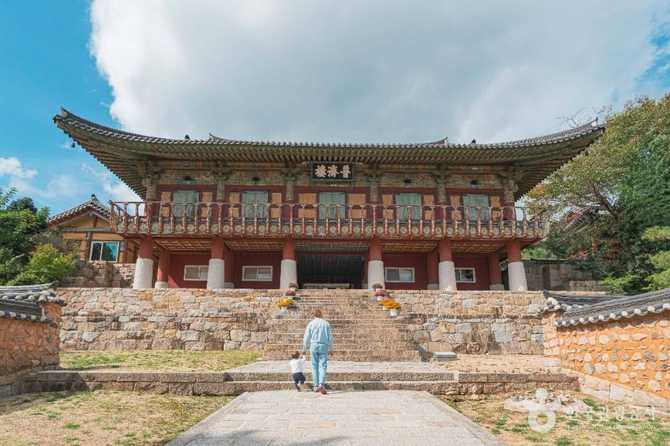
Beomeosa Temple is one of Korea’s most significant and historic Buddhist temples, located on the eastern slopes of Geumjeongsan Mountain in Busan. As a key spiritual and cultural site, Beomeosa offers visitors a glimpse into Korea’s rich Buddhist heritage, traditional architecture, and serene natural environment. The temple’s name, meaning “Shrine of the Divine Phoenix,” reflects its historical importance and spiritual significance. Established in 678 AD during the Silla Dynasty by the monk Ui-sang, Beomeosa has been a center for Buddhist practice and cultural preservation for over 1,300 years. Throughout its long history, the temple has undergone several reconstructions, especially during the Joseon Dynasty and later periods, to maintain its architectural integrity and cultural relevance.
The core of Beomeosa’s historical value lies in its well-preserved structures, including the main hall (Daeungjeon), the pagoda, and various cultural artifacts such as stone sculptures and traditional paintings. The temple complex embodies traditional Korean Buddhist architecture, characterized by wooden construction, intricate carvings, and harmonious integration with the surrounding nature. The temple also played an important role in the dissemination of Buddhist teachings and training of monks, continuing to serve as a practicing monastery today.
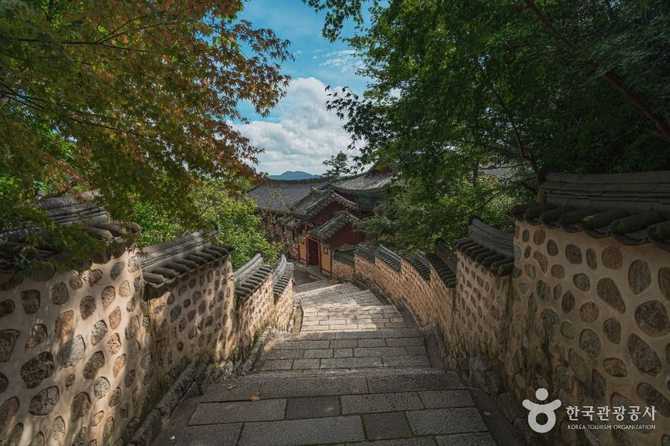
Visitors to Beomeosa can explore its historic buildings, participate in meditation sessions, and enjoy the tranquil atmosphere that has been maintained for centuries. The temple’s location at the foot of Geumjeongsan Mountain provides stunning natural scenery, including lush forests, mountain streams, and panoramic views. The combination of historical significance, spiritual atmosphere, and natural beauty makes Beomeosa Temple a must-visit destination for those interested in Korea’s religious and cultural history. Whether you are a history enthusiast, a practicing Buddhist, or simply seeking a peaceful retreat, Beomeosa offers a meaningful experience that connects visitors with Korea’s spiritual roots.
Transportation Options to Beomeosa Temple
| Transportation Method | Details | Estimated Time |
|---|---|---|
| Bus | Take Bus No. 90 or 91 from Busan city center; get off at Beomeosa Temple bus stop, then walk about 5 minutes. | Approximately 40-50 minutes from central Busan |
| Subway + Bus | Use Busan Subway Line 1 to Geumjeongsan Station, then transfer to bus or walk for about 20 minutes. | Around 30-40 minutes total |
| Car | Drive via Gyeongbu Expressway or Busan Outer Ring Road; free parking is available at the temple. | Approximately 20-30 minutes from downtown Busan |
Visiting Tips and Practical Checklist for Beomeosa Temple
- Respect the temple rules: Maintain silence and behave respectfully inside the temple grounds.
- Dress modestly: Wear comfortable, modest clothing suitable for a religious site. Avoid revealing attire.
- Check opening hours: Beomeosa is open daily from 8 AM to 5 PM; plan your visit accordingly.
- Arrive early or late: Visiting early in the morning or late afternoon offers a more tranquil experience.
- Bring essentials: Personal items, water, and comfortable shoes are recommended for exploring the expansive grounds.
- Use transportation wisely: If driving, utilize the free parking; if using public transport, confirm schedules beforehand.
- Be mindful of cultural events: Check the official website or contact the temple for special ceremonies or events during your visit.
Cultural Heritage and Artifacts of Beomeosa Temple
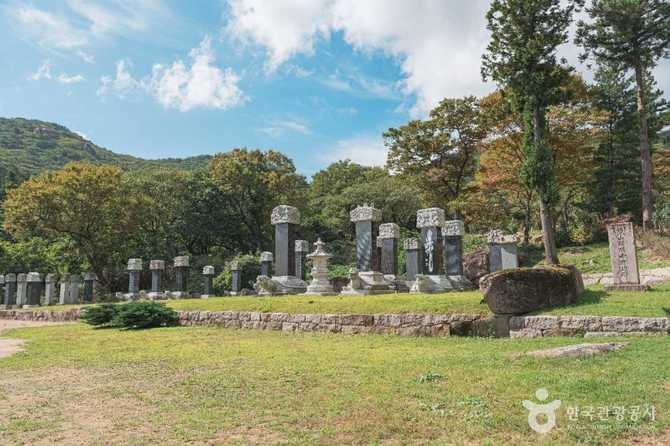
Beomeosa Temple is renowned for its rich collection of cultural treasures that embody Korea’s religious history and artistic heritage. The temple’s architecture and artifacts offer a glimpse into traditional Korean Buddhist practices and craftsmanship. Visitors can explore various cultural relics that have been preserved and designated as important cultural assets, reflecting the temple’s historical significance and artistic excellence.
Below is an overview of the key cultural heritage elements found within Beomeosa Temple:
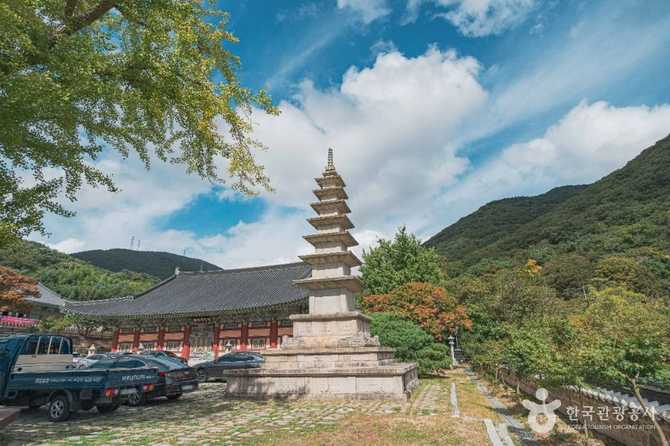
- Daewoongjeon (Main Hall): The central building of the temple complex, constructed with traditional wooden architecture, housing the main Buddha statues. It exemplifies Korea’s classic temple design and craftsmanship.
- Stone Pagoda: An ancient stone pagoda that symbolizes Buddhist cosmology, often regarded as a masterpiece of Korean stone sculpture.
- Stone and Wooden Statues: Various statues of Buddhas, Bodhisattvas, and monks, crafted with detailed artistry, some of which are designated as cultural treasures.
- Traditional Paintings and Murals: Religious murals depicting Buddhist teachings, often found inside the main hall and other shrine buildings.
- Bell and Incense Holders: Historic ritual objects used in temple ceremonies, showcasing traditional Korean metalwork.
- Stone Lanterns and Stepping Stones: Elements that enhance the spiritual atmosphere and aesthetic harmony of the temple grounds.
Many of these artifacts are preserved under the protection of the Cultural Heritage Administration of Korea, ensuring their longevity for future generations. Visiting Beomeosa allows you to appreciate the detailed craftsmanship and spiritual symbolism embedded in these relics, which are integral to Korea’s Buddhist tradition and cultural identity.
Traveler Checklist for Visiting Beomeosa Temple
- Respect temple etiquette: Maintain silence and respectful behavior throughout your visit.
- Dress appropriately: Wear modest clothing that covers shoulders and knees, and comfortable shoes suitable for walking.
- Check opening hours: Beomeosa is open daily from 8 AM to 5 PM; plan your visit within these hours.
- Arrive prepared: Bring water, personal belongings, and a camera if desired, but avoid using flash inside sacred areas.
- Use transportation wisely: If driving, utilize the free parking lot; if using public transport, confirm schedules beforehand.
- Participate respectfully: If joining meditation or ceremonies, follow the guidance of monks and staff.
- Check for special events: Visit the official website or contact the visitor center to learn about festivals or prayer sessions during your stay.
- Protect the environment: Do not litter, and avoid damaging plants or artifacts.
- Capture memories responsibly: Take photos where permitted, and be mindful not to disturb worship activities.
- Leave no trace: Ensure personal items are collected, and the site remains clean after your visit.
Frequently Asked Questions (FAQ)
Q1: When was Beomeosa Temple originally founded?
Beomeosa Temple was established in 678 AD during the Silla Dynasty by the monk Ui-sang. It has a history spanning over 1,300 years, making it one of Korea’s oldest Buddhist temples.
Q2: How can I get to Beomeosa Temple using public transportation?
You can take Bus No. 90 or 91 from Busan city center and get off at the Beomeosa Temple bus stop, which is about a 5-minute walk away. Alternatively, use Busan Subway Line 1 to Geumjeongsan Station, then transfer to a bus or walk for approximately 20 minutes.
Q3: Is there an entrance fee to visit Beomeosa Temple?
No, Beomeosa Temple is free to enter and operates year-round without an admission charge. Parking is also available free of charge for visitors arriving by car.
Q4: What are some of the main cultural treasures at Beomeosa?
The temple’s main hall (Daeungjeon), stone pagoda, various stone and wooden Buddha statues, and traditional murals are designated cultural assets. These artifacts reflect Korea’s rich Buddhist artistic heritage and religious history.
Q5: What should I keep in mind when visiting Beomeosa Temple?
Visitors should respect the temple’s rules by maintaining silence, dressing modestly, and following staff instructions. It is important to behave respectfully and avoid disturbing monks or participating in ceremonies without permission.
Q6: When is the best time to visit Beomeosa Temple?
The temple is open daily from 8 AM to 5 PM, making it accessible year-round. Visiting during early morning or late afternoon offers a more tranquil experience, especially when natural scenery is at its most beautiful.
Experience the Spiritual and Cultural Richness of Busan Beomeosa Temple
Visiting Busan Beomeosa Temple offers a unique opportunity to immerse yourself in Korea’s deep spiritual traditions and vibrant cultural heritage. This historic Buddhist site, founded in 678 AD, stands as a testament to Korea’s enduring religious history and architectural excellence. Whether you are seeking tranquility, cultural insight, or a meaningful connection to Korea’s Buddhist roots, Beomeosa provides an authentic experience surrounded by stunning natural scenery. The temple’s well-preserved structures, cultural treasures, and peaceful atmosphere make it an essential destination for travelers interested in Korea’s spiritual and historical landscape. With convenient transportation options, free admission, and a wealth of cultural artifacts, Beomeosa is accessible and enriching for all visitors. Remember to respect the temple’s rules, dress modestly, and take time to appreciate the intricate architecture and serene environment. A visit to Beomeosa Temple will leave you with lasting memories and a deeper understanding of Korea’s spiritual heritage, making it a highlight of any trip to Busan. Plan your visit well, and enjoy the profound tranquility and cultural depth this iconic site offers.