
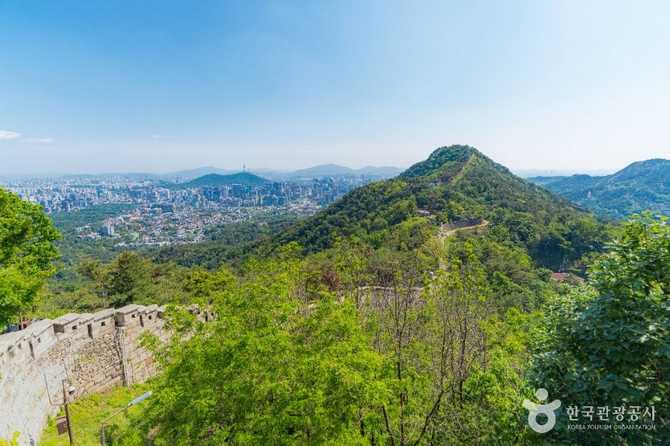
Explore Seoul Hanyang Doseong Baegak Section: A Natural and Historic Walk
Discover the scenic beauty and rich history of the Seoul Hanyang Doseong Baegak Section, a must-visit trail that offers a unique blend of cultural heritage and natural landscapes right in the heart of Seoul. Whether you’re a history enthusiast, a nature lover, or a curious traveler, this 4.7 km trail from Changui Gate to Hyehwa Gate provides an immersive experience into Seoul’s ancient past and stunning natural scenery.
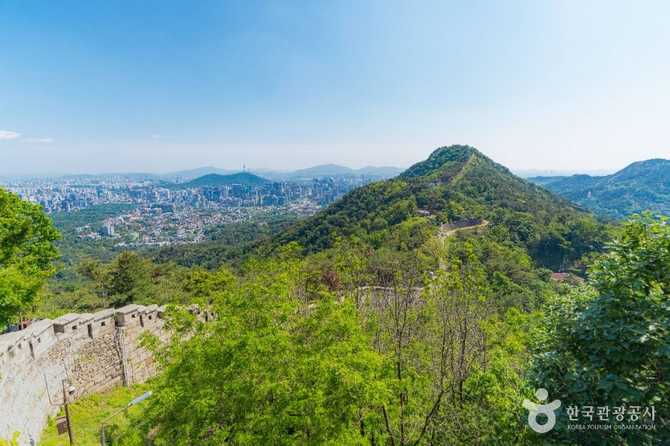
Walking along the Baegak Section of Seoul’s historic fortress, you can enjoy panoramic views from Baegak Mountain, which stands at 342 meters and is known as Seoul’s main mountain. The trail is open to the public since 2007, after being temporarily closed since 1968, allowing visitors to explore a restored part of the city’s ancient defenses. This route is particularly popular among those interested in Seoul’s history, cultural preservation, and urban nature, making it an ideal urban escape for locals and tourists alike.
In this guide, you’ll find comprehensive information about the Baegak Section, including its historical significance, practical visiting tips, and safety advice. Learn about the best times to visit, how to get there without parking worries, and what to prepare for an enjoyable walk. Whether you’re planning a leisurely stroll or a detailed exploration, this trail offers a meaningful connection to Seoul’s past while providing a peaceful natural retreat within the city.
At a glance
- Who this is for
-
- Travelers interested in Seoul’s history and culture
- City residents seeking a natural escape within Seoul
- Researchers and preservationists focused on Seoul’s cultural heritage
- Outdoor enthusiasts and nature lovers
- Key takeaways
-
- Trail length: approximately 4.7 km from Changui Gate to Hyehwa Gate
- Located on Baegak Mountain, 342 meters high
- Open to the public since 2007, after being closed since 1968
- Natural scenery combined with historic fortress walls
- Accessible via public transportation, no parking facilities available
- Tips & cautions
-
- Visit during favorable seasons; autumn for colorful foliage is recommended
- Wear comfortable shoes and carry water and snacks
- Follow safety guidelines on the trail and respect natural surroundings
- Check seasonal opening hours and weather conditions before visiting
- Bottom line
- Enjoy a scenic and historic walk along Seoul’s Baegak Section, a perfect blend of natural beauty and cultural heritage within the city.
Seoul’s Hanyang Doseong Baegak Section offers visitors a rare opportunity to experience the city’s ancient fortress walls and natural environment simultaneously. This trail, which stretches approximately 4.7 km from Changui Gate to Hyehwa Gate, is part of Seoul’s efforts to preserve and showcase its historical landmarks. The route is centered around Baegak Mountain, the city’s main mountain, standing at 342 meters tall, providing stunning views and a sense of connection to Seoul’s past.
Since opening to the public in 2007, after decades of closure, the Baegak Section has become a popular destination for both locals and tourists seeking a peaceful escape from urban life. The trail offers a scenic walk through historic fortress remnants, lush natural scenery, and panoramic city views. It is ideal for those interested in exploring Seoul’s cultural heritage while enjoying the calming effects of nature. Whether you’re on a casual walk, a photography outing, or a historical exploration, the Baegak Section provides a meaningful experience that combines Seoul’s vibrant history with its natural beauty.
Baegak Section Overview: Discover Seoul’s Historic Fortress and Natural Beauty
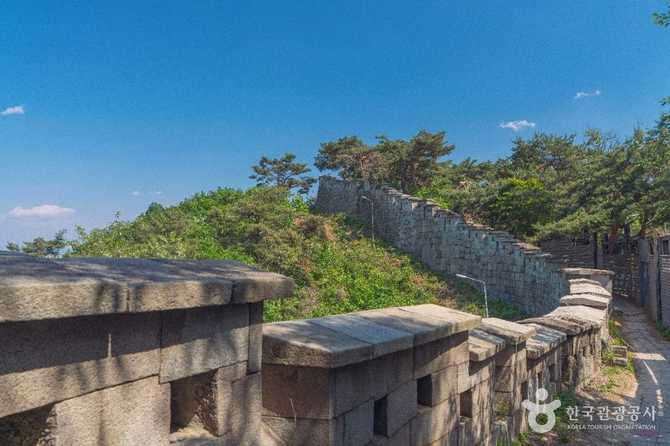
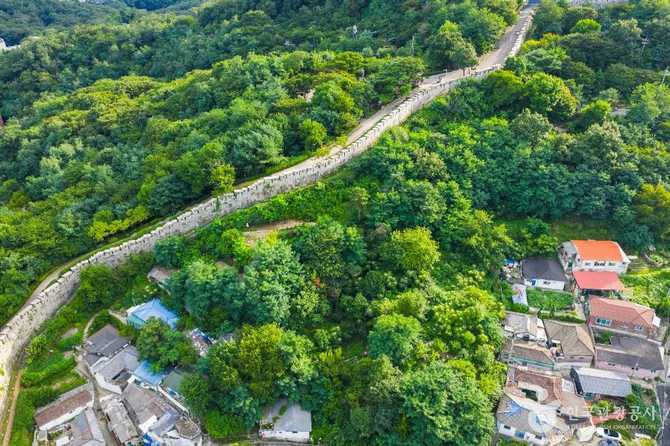
The Seoul Hanyang Doseong Baegak Section is a captivating trail that offers visitors a unique opportunity to explore Seoul’s historic fortress walls while immersing themselves in the natural beauty of Baegak Mountain. Spanning approximately 4.7 kilometers from Changui Gate to Hyehwa Gate, this section of the ancient city’s defensive structure is a vital part of Seoul’s cultural heritage. The Baegak Section is centered around Baegak Mountain, which stands at 342 meters and is regarded as Seoul’s main mountain, offering panoramic views of the city and its surroundings.
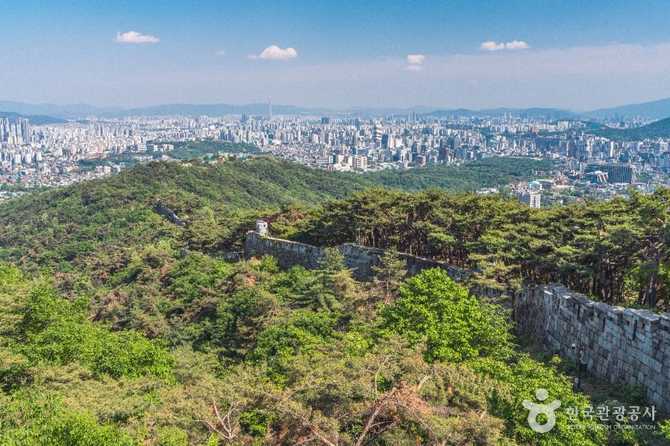
Originally constructed during the Joseon Dynasty as part of Seoul’s defensive fortifications, the Baegak Section played a crucial role in protecting the city from invasions. After being temporarily closed since 1968, the route was reopened to the public in 2007, allowing visitors to walk along restored fortress walls and enjoy scenic natural landscapes. The trail is especially popular among those interested in Seoul’s history, urban natural scenery, and cultural preservation efforts. Its accessibility via public transportation makes it an attractive destination for both tourists and local residents seeking a peaceful outdoor experience within the bustling city.
Whether you are a history buff, a nature lover, or simply looking for a scenic walk, the Baegak Section provides an enriching experience that combines historical insights with breathtaking views. As you walk along the trail, you can observe well-preserved fortress remnants, enjoy lush greenery, and appreciate the natural topography of Baegak Mountain. The route is suitable for all ages, but visitors should prepare for some uphill walking and uneven terrain. Remember to check the seasonal opening hours and weather conditions before your visit to ensure a safe and enjoyable experience.
Comparison of Seoul Hanyang Doseong Baegak Section and Other Urban Trails
| Feature | Baegak Section | Other Urban Trails in Seoul |
|---|---|---|
| Trail Length | Approximately 4.7 km | Varies; typically 2-5 km (e.g., Namsan Trail, Cheonggyecheon Path) |
| Main Focus | Historical fortress walls and natural mountain scenery | Urban landscape, parks, and city views |
| Accessibility | Accessible via public transportation; no parking facilities | Most accessible by subway or bus; some have parking options |
| Historical Significance | Part of Seoul’s ancient city defenses, restored and open since 2007 | Various, including historic palaces, parks, and modern cityscapes |
| Natural Scenery | Mountain views, fortress walls, lush greenery | City parks, rivers, urban gardens |
Overall, the Baegak Section stands out for its combination of historical significance and natural beauty, offering a more immersive experience compared to other urban trails that focus primarily on city views or parks.
Visitor Checklist and Tips for Exploring the Baegak Section
- Plan Your Visit: Check the official website for seasonal opening hours and weather conditions.
- Transportation: Use public transportation; there are no parking facilities available.
- What to Bring: Wear comfortable walking shoes, carry water, and pack light snacks for energy.
- Timing: Early mornings or late afternoons are ideal to avoid crowds and enjoy cooler weather.
- Safety Tips: Follow safety signs, stay on designated paths, and be cautious on uneven terrain.
- Seasonal Highlights: Visit during autumn for vibrant foliage, or spring for blooming flowers.
Access and Safety Guidelines for the Baegak Section
| Aspect | Details |
|---|---|
| How to get there | Use public transportation, such as subway lines and buses, to reach the nearest stations. The trail starts near Changui Gate, accessible via Seoul subway lines. |
| Parking facilities | There are no designated parking lots for visitors. It is recommended to use public transportation or nearby parking options in the city. |
| Safety precautions | Follow designated walking paths, avoid steep or slippery areas, especially during rainy weather. Keep an eye on children and elderly visitors, and exercise caution on uneven terrain. |
| Trail conditions | Some sections may be steep or uneven. Proper footwear such as hiking shoes is recommended. Be prepared for changes in weather and trail surface. |
| Seasonal considerations | Visit during favorable weather; autumn offers vibrant foliage, while spring features blooming flowers. Check weather forecasts before your trip. |
Visitor Checklist and Tips for Exploring the Baegak Section
- Plan Ahead: Check the official website for current seasonal opening hours and weather updates to ensure a smooth visit.
- Transportation: Since there is no parking available, plan to arrive via public transit such as subway lines or city buses.
- What to Bring: Wear comfortable walking shoes suitable for uneven terrain, and carry sufficient water and light snacks for energy during your walk.
- Timing: Early morning or late afternoon visits are ideal to avoid crowds and enjoy cooler temperatures.
- Safety Tips: Stick to designated paths, watch your step on steep or uneven sections, and exercise caution during rainy or wet conditions to prevent slips.
- Best Seasons to Visit: Autumn offers spectacular fall foliage, while spring features blooming flora; check seasonal highlights before planning your trip.
- Additional Advice: Allocate at least 2-3 hours for a comfortable exploration. Bring a camera to capture scenic views and historical remnants along the trail.
Frequently Asked Questions (FAQ)
Q1: When was the Baegak Section of Seoul Hanyang Doseong reopened to the public?
The Baegak Section was reopened to the public in 2007 after being temporarily closed since 1968, allowing visitors to explore Seoul’s historic fortress walls again.
Q2: Is there parking available near the Baegak Section trail?
No, there are no parking facilities at the trailhead. Visitors are recommended to use public transportation to access the route.
Q3: What should I prepare before visiting the Baegak Section?
Wear comfortable walking shoes, bring sufficient water, and pack light snacks. It is also advisable to check the weather and seasonal opening hours beforehand.
Q4: What is the best time of year to visit the Baegak Section?
The ideal visiting seasons are spring and autumn, with autumn offering vibrant foliage and spring showcasing blooming flowers. Check seasonal conditions for the most enjoyable experience.
Q5: How long does it typically take to walk the entire Baegak Section?

The walk along the approximately 4.7 km trail usually takes about 2 to 3 hours, depending on pace and stops for sightseeing or rest.
Q6: What kind of natural scenery and historical sites can I expect to see on the trail?
Visitors can enjoy views of Baegak Mountain, remnants of Seoul’s fortress walls, lush greenery, and panoramic cityscapes, alongside historical sites related to Seoul’s ancient defenses.
Explore Seoul Hanyang Doseong Baegak Section: A Natural and Historic Walk
Visiting the Seoul Hanyang Doseong Baegak Section offers a unique opportunity to immerse yourself in Seoul’s rich history and stunning natural scenery. This trail, stretching approximately 4.7 kilometers from Changui Gate to Hyehwa Gate, is a treasured part of the city’s cultural heritage, providing a peaceful escape within the bustling urban environment. Whether you’re a history enthusiast, a nature lover, or simply seeking a scenic walk, exploring this section allows you to connect deeply with Seoul’s past while enjoying breathtaking views of Baegak Mountain, the city’s main mountain at 342 meters high.
Since its reopening in 2007 after being temporarily closed since 1968, the Baegak Section has become a popular destination for locals and tourists alike. The trail’s well-preserved fortress walls and lush natural surroundings create a harmonious blend of history and nature. As you walk along this route, you can marvel at the scenic vistas, learn about Seoul’s defensive history, and experience a tranquil moment away from city life. Remember to plan your visit carefully, considering seasonal weather and opening hours, and always prioritize safety during your walk. With no parking facilities available, public transportation is the most convenient way to access this remarkable trail. A visit to the Baegak Section promises an enriching experience that highlights Seoul’s cultural legacy and natural beauty, making it a must-see for anyone exploring the city’s historic landscape.