
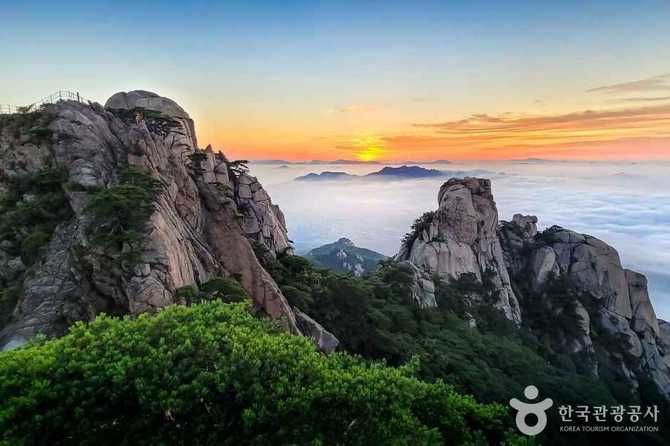
Discover Dobongsan Mountain: Top Hiking Spot Near Seoul & Gyeonggi
Looking for the best outdoor escape near Seoul and Gyeonggi Province? Dobongsan Mountain offers stunning natural scenery, diverse hiking trails, and breathtaking views, making it a must-visit destination for outdoor enthusiasts and nature lovers alike.
At a glance
- Who this is for
-
- Hikers and outdoor adventurers in Seoul and Gyeonggi
- Nature lovers seeking scenic mountain views
- Families and solo travelers interested in easy to challenging trails
- Visitors wanting a natural escape close to urban areas
- Anyone looking for free, year-round outdoor recreation
- Key takeaways
-
- Located in Dobong-gu, Seoul, and nearby Gyeonggi areas
- Highest peak: Jaundong (approx. 738m)
- Features beautiful valleys, rocky peaks, and scenic trails
- Open year-round, free entry, but weather-dependent
- Close to public transportation; parking is limited
- Tips & cautions
-
- Check weather forecasts before heading out
- Wear proper hiking gear and safety equipment
- Avoid hiking during adverse weather conditions
- Carry sufficient water and snacks
- Be cautious on rocky and slippery sections
- Bottom line
- Dobongsan Mountain offers a stunning natural retreat with accessible trails, making it an ideal hiking destination near Seoul and Gyeonggi.
Dobongsan Mountain is one of Seoul’s most iconic natural landmarks, attracting countless hikers and nature enthusiasts. Its impressive peaks, lush valleys, and scenic rock formations create a picturesque landscape that embodies Korea’s natural beauty. Located in Dobong-gu, Seoul, and extending into Gyeonggi Province, Dobongsan is renowned for its accessible trails that cater to all levels of hikers, from beginners to seasoned mountaineers.
This mountain is part of the Bukhansan National Park and features the highest summit, Jaundong, at approximately 738 meters. The mountain’s rugged terrain includes striking rock formations such as Seoninbong and O-bong, along with pristine valleys like Munsu Valley and Won-do Valley, which are perfect for scenic walks and photography. Its proximity to Seoul makes Dobongsan a popular destination for day trips, offering a natural escape from city life while providing spectacular views of the surrounding landscape.
Whether you’re seeking a challenging ascent or a leisurely walk, Dobongsan offers a variety of hiking courses that traverse dense forests, rocky ridges, and peaceful streams. The mountain’s trails are well-maintained, with signage and rest areas, making it suitable for both casual hikers and serious trekkers. Additionally, the area boasts several notable peaks, including Manjangbong, Seoninbong, and O-bong, each offering unique vistas and photo opportunities.

Visitors can enjoy the mountain’s scenic beauty all year round, with spring cherry blossoms, summer greenery, autumn foliage, and winter snow providing different atmospheres. Since Dobongsan is part of the national park system, entry is free, and the mountain is open 24/7, although weather conditions can sometimes lead to trail closures. It’s advisable to check weather updates and park notices before planning your hike. For convenience, public transportation options are available, including buses and subway access, though parking is limited, so using transit is recommended.
In this guide, you will find detailed information on Dobongsan’s main attractions, recommended trails, safety tips, and practical advice to ensure a safe and enjoyable visit. Prepare properly, respect the natural environment, and immerse yourself in the scenic beauty that Dobongsan Mountain offers. Whether you’re a local resident or a visitor from abroad, Dobongsan promises an unforgettable outdoor experience close to Seoul and Gyeonggi.
Dobongsan Mountain Overview & Location
Dobongsan Mountain is one of Seoul’s most iconic natural landmarks, renowned for its stunning scenery and diverse hiking trails. Located in the northeastern part of Seoul, specifically within Dobong-gu, Dobongsan offers a perfect escape into nature for both locals and visitors. The mountain extends into Gyeonggi Province, touching the cities of Uijeongbu and Yangju, making it accessible from various parts of the Seoul metropolitan area. Its proximity to the city center makes Dobongsan a popular destination for day-trippers seeking a refreshing outdoor experience without traveling far.
The mountain is part of Bukhansan National Park, which is Korea’s first national park established in 1983, emphasizing the importance of preserving Korea’s natural heritage. The highest peak of Dobongsan is Jaundong, standing approximately 738 meters above sea level. This summit offers panoramic views of Seoul, the surrounding mountains, and beyond, making it a favorite among hikers who seek both physical challenge and scenic reward.

Dobongsan’s natural beauty is characterized by its rugged rocky peaks, lush forests, and picturesque valleys. Notable features include Seoninbong Peak, O-bong Peak, and Manjangbong Peak, each providing unique perspectives and photo opportunities. The mountain is also famous for its crystal-clear valleys such as Munsu Valley, Won-do Valley, and O-bong Valley, which are dotted with streams and waterfalls, perfect for relaxing walks or photography.
Whether you’re an avid hiker or a casual nature lover, Dobongsan offers a variety of trails suitable for all levels. Easy walking paths lead to scenic spots, while more challenging routes ascend rocky ridges and steep slopes. The mountain’s accessibility, combined with its breathtaking scenery, makes Dobongsan a top outdoor destination near Seoul and Gyeonggi Province. Visitors can enjoy year-round natural beauty, from spring blossoms to winter snow, making Dobongsan a versatile destination for all seasons.
In summary, Dobongsan Mountain is a natural treasure that beautifully combines rugged terrain, scenic valleys, and panoramic views. Its location within Seoul and Gyeonggi makes it an ideal spot for outdoor recreation, offering a harmonious blend of nature and accessibility. Whether you aim for a quick hike or a full-day adventure, Dobongsan provides a memorable outdoor experience close to the urban landscape.
Comparison of Main Attractions and Hiking Trails at Dobongsan
| Attraction / Trail | Features | Recommended For |
|---|---|---|
| Jaundong Peak (738m) | Highest summit offering panoramic views of Seoul and surrounding mountains; accessible via multiple trails, including the main ascent route from Dobong Station. | Experienced hikers seeking scenic vistas and a challenging climb. |
| Seoninbong Peak | Rocky summit with excellent viewpoints; popular for rock climbing and photography. | Climbers and photographers looking for dramatic scenery. |
| O-bong Peak | Accessible peak with scenic outlooks; connected by well-maintained trails from various starting points. | Casual hikers and family visitors. |
| Munsu Valley | Beautiful valley with streams, waterfalls, and walking paths; ideal for relaxing strolls. | Families and nature lovers seeking gentle walks. |
| Manjangbong Trail | Moderate trail leading to Manjangbong Peak, offering scenic views and rock formations. | Intermediate hikers wanting a balanced challenge. |
Visitor Information & Facilities Checklist
- Opening Hours: Open year-round, 24/7 access, but weather-dependent trail closures may occur.
- Entry Fee: Free admission to Dobongsan and its trails.
- Parking: Limited parking available; public transportation recommended.
- Transportation: Accessible via Seoul Subway Line 1 or 7 to Dobong Station, then bus or foot to trailheads.
- Facilities: Restrooms at trailheads and near parking lots; some convenience stores nearby.
- Safety Equipment: Wear proper hiking shoes, bring water, snacks, and weather-appropriate gear.
Safety Tips & Precautions for Hiking Dobongsan
- Check Weather Conditions: Always review the latest weather forecast before your hike. Sudden changes like rain, fog, or snow can make trails slippery and hazardous.
- Wear Appropriate Gear: Use sturdy hiking shoes with good grip, and wear weather-appropriate clothing. Carry a hat, gloves, and rain gear if necessary.
- Carry Essential Equipment: Bring safety gear such as a helmet for rocky sections, a flashlight, and a fully charged mobile phone for emergencies.
- Plan Your Route: Familiarize yourself with the trail map and plan your route in advance. Stick to designated paths to avoid getting lost or encountering unsafe terrain.
- Avoid Hiking in Poor Visibility: Do not hike during heavy fog, storms, or at night. Start early to ensure you complete the hike before sunset.
- Hike with a Companion: Whenever possible, hike with a partner or in a group. Inform someone about your plans and estimated return time.
- Stay Hydrated and Nourished: Bring enough water and snacks to maintain energy levels throughout your hike.
- Be Cautious on Rocky and Slippery Sections: Use trekking poles for stability, and proceed slowly on uneven or wet rocks.
- Respect Nature and Local Regulations: Do not disturb wildlife, and carry out all trash. Follow park rules to preserve the environment.
- Emergency Preparedness: Know the location of the nearest rescue station or help center. Keep a basic first aid kit handy for minor injuries.
Visitor Safety Checklist for Dobongsan
- Have you checked the weather forecast and trail conditions before your visit?
- Are you equipped with proper hiking shoes, weather-appropriate clothing, and safety gear?
- Did you prepare enough water and snacks for the hike?
- Have you informed someone about your hiking plan and estimated return time?
- Do you have a fully charged mobile phone and emergency contact numbers saved?
- Are you familiar with the trail routes and park facilities?
- Did you carry a basic first aid kit and any personal medications?
- Are you aware of the park’s safety rules and emergency procedures?
- Will you avoid hiking during adverse weather or low visibility conditions?
- Have you accounted for limited parking and considered using public transportation?
Whether you visit during the day or evening, Discover Dobongsan Mountain is a meaningful stop on any Seoul itinerary for history-minded travelers.

Frequently Asked Questions (FAQ)
Q1: What is the highest peak of Dobongsan Mountain?
Dobongsan’s highest peak is Jaundong, standing approximately 738 meters above sea level. From the summit, visitors can enjoy panoramic views of Seoul and the surrounding mountains.
Q2: What are the main natural attractions of Dobongsan?
Dobongsan is renowned for its rugged rocky peaks, lush valleys such as Munsu Valley and Won-do Valley, and clear streams. The mountain’s scenic rock formations and valleys are popular for photography and nature walks.

Q3: Is there parking available at Dobongsan, and how accessible is it?
Parking facilities are limited near the trailheads, so public transportation is recommended. Dobongsan can be easily accessed via Seoul Subway Line 1 or 7 to Dobong Station, followed by a bus or walk to the hiking starting points.
Q4: Can I visit Dobongsan year-round?
Yes, Dobongsan is open year-round and free to access. However, weather conditions can lead to trail closures, so it’s advisable to check the weather forecast before planning your visit.

Q5: What safety precautions should I take when hiking Dobongsan?
Always check weather updates before hiking, wear proper gear, and carry sufficient water and snacks. Avoid hiking during adverse weather and be cautious on rocky or slippery sections to ensure safety.
Q6: Is there an entrance fee for Dobongsan?
No, Dobongsan is part of Bukhansan National Park and is free to enter. There are no admission fees, and most facilities within the park are also free of charge.
Final Tips for a Safe and Enjoyable Visit to Dobongsan Mountain
Visiting Dobongsan Mountain offers a rewarding outdoor experience filled with breathtaking scenery, diverse trails, and a chance to reconnect with nature. To make the most of your trip, proper preparation is essential. Always check the weather forecast before heading out, as sudden changes can impact trail safety and accessibility. Wearing appropriate hiking gear, including sturdy shoes and weather-appropriate clothing, will help ensure your safety on rugged paths and rocky sections. Carry sufficient water and snacks to stay energized, especially if you plan to hike for several hours or tackle challenging routes. It’s also wise to inform someone about your hiking plan and estimated return time for added safety.
Respect the natural environment by staying on designated trails and avoiding damage to flora and fauna. Be mindful of trail conditions, particularly during adverse weather, and adjust your plans accordingly. If you encounter any difficulties or emergencies, contact nearby park authorities or emergency services promptly. Remember, safety always comes first, so avoid risky shortcuts or climbing on unstable rocks. With proper preparation and cautious hiking, your visit to Dobongsan Mountain will be both safe and memorable. Whether you’re seeking a challenging ascent or a peaceful walk through scenic valleys, this mountain provides an exceptional outdoor escape near Seoul and Gyeonggi. Enjoy your adventure while preserving the natural beauty for future visitors.