

출처 : ⓒ한국관광콘텐츠랩 또는 ⓒ한국관광공사
Explore Korea’s Currency History at the Bank of Korea Museum
Location 서울특별시 중구 남대문로 39 (남대문로3가)
Discover Korea’s rich financial heritage and cultural treasures at the Bank of Korea Museum, a must-visit destination for those interested in Korea’s monetary history and economic development. Whether you’re a history enthusiast, a student eager to learn about currency manufacturing, or a traveler interested in Korea’s architectural landmarks, this museum offers engaging exhibits and interactive programs that bring Korea’s financial story to life.
Located in Seoul’s Jung-gu district, the Bank of Korea Museum provides a comprehensive overview of Korea’s banking evolution, from the early days of currency issuance to modern financial practices. Visitors can explore the history through well-curated exhibitions, participate in hands-on activities such as currency creation and counterfeit detection, and gain valuable insights into the art and science of money. Best of all, entry is free, making it accessible for everyone eager to deepen their understanding of Korea’s economic past.
At a glance
- Who this is for
-
- Visitors interested in Korea’s financial history
- Students and teachers seeking economic education
- Cultural heritage enthusiasts and architecture lovers
- Key takeaways
-
- Historic building designated as a national cultural asset
- Over 13 exhibition rooms with rotating displays
- Interactive programs on currency manufacturing and forgery detection
- Free admission with no parking facilities; accessible via public transport
- Established as a museum in 2001, housed in a building with a rich history
- Tips & cautions
-
- Check the museum’s website for current exhibitions and schedules
- Avoid flash photography to protect exhibits
- No food or drinks allowed inside the exhibition halls
- Plan your visit around public transportation; parking is unavailable
- Observe safety rules during hands-on activities, especially for children
- Bottom line
- Experience Korea’s monetary history firsthand at the Bank of Korea Museum, a premier cultural and educational site in Seoul.
Located in the heart of Seoul, the Bank of Korea Museum offers an immersive experience into Korea’s financial evolution. From the early 20th-century architecture to modern exhibits, visitors can learn about the development of currency, banking practices, and the role of the central bank in Korea’s economic growth. The museum’s engaging displays and interactive programs are perfect for families, students, and history buffs alike.
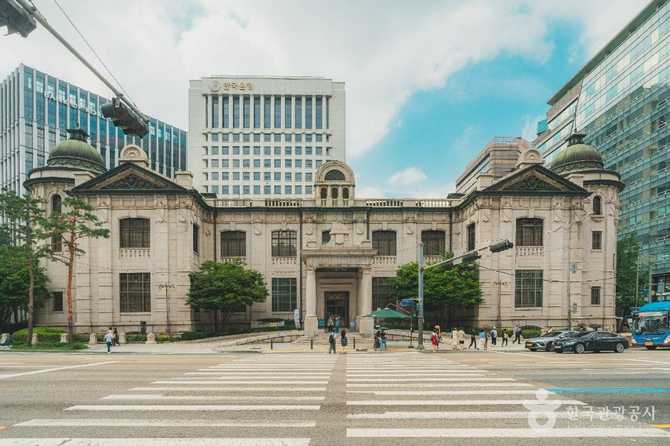
Whether you’re interested in exploring the manufacturing process of Korean banknotes, understanding how to identify counterfeit bills, or simply appreciating the historic architecture, this museum provides comprehensive insights into Korea’s monetary landscape. Its location in Seoul makes it easily accessible, and the free admission ensures that everyone can enjoy Korea’s cultural heritage without financial barriers.
Overview of the Bank of Korea Museum
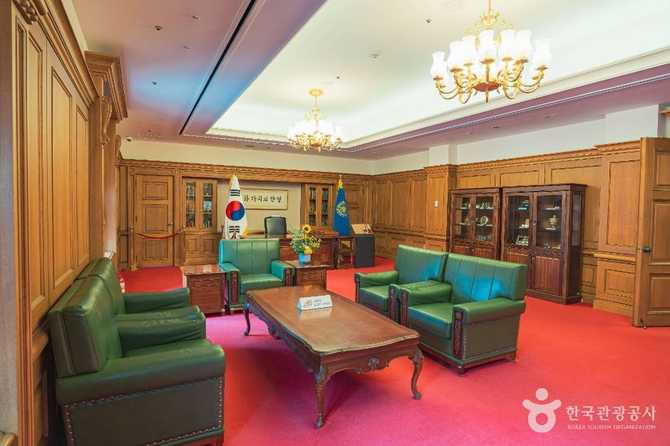
The Bank of Korea Museum is the premier destination for exploring Korea’s rich financial history and cultural heritage. Located in Seoul’s Jung-gu district, this museum offers visitors a unique opportunity to learn about the evolution of Korea’s banking system, currency development, and monetary policies through engaging exhibits and interactive programs. Established in 2001 within a historic building designated as a national cultural asset, the museum stands as a testament to Korea’s modernization and economic growth.
The building itself has a fascinating history, originally constructed in 1907 as the Japan’s First Bank branch, and later serving as the main office for the Chosun Bank from 1912. After the establishment of the Bank of Korea, the structure underwent restoration efforts in 1958 and again in 1989 to preserve its architectural integrity. Today, it serves as a hub for educational activities related to Korea’s banking and currency history.
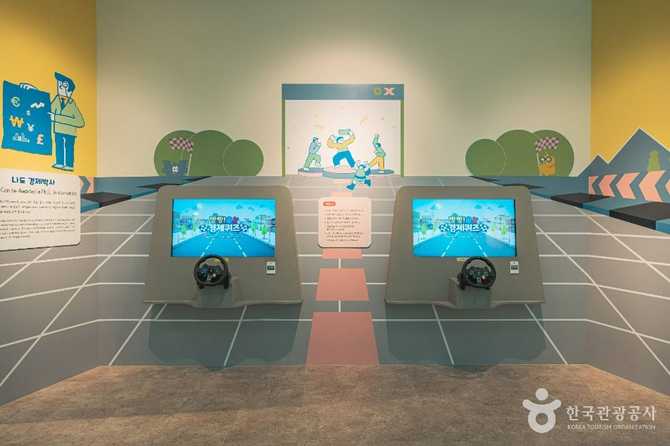
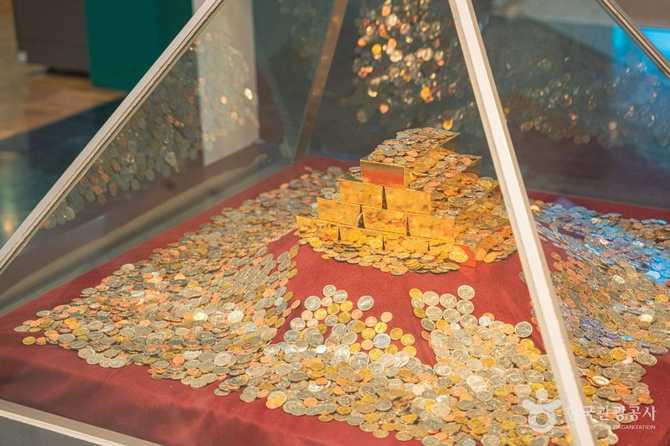
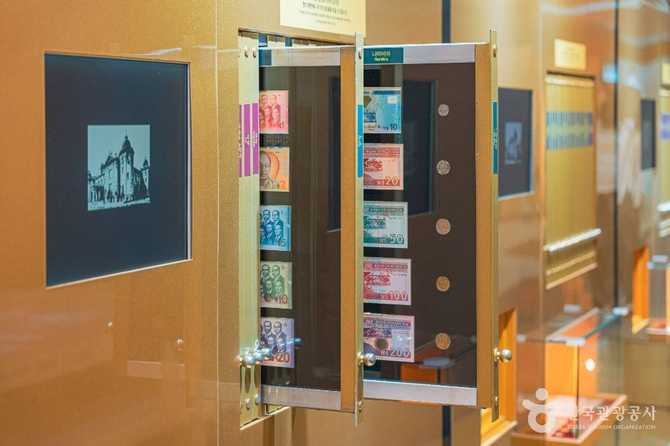
The museum’s core focus is to provide visitors with a comprehensive understanding of Korea’s monetary evolution. It features over 13 exhibition rooms, showcasing a wide array of artifacts, including old banknotes, coins, and documents. Visitors can also explore the manufacturing process of Korean currency, learn how to identify counterfeit bills, and participate in hands-on activities like currency creation and forgery detection. The museum’s exhibits are regularly updated to reflect recent developments and special themes, making each visit a fresh educational experience.
Designed for a diverse audience, the Bank of Korea Museum attracts history enthusiasts, students, educators, and tourists interested in Korea’s financial and cultural heritage. Its free admission policy ensures accessibility for all, while its central location makes it easy to incorporate into a sightseeing itinerary. Whether exploring Korea’s economic past or understanding modern banking practices, this museum offers invaluable insights into Korea’s monetary story, making it a must-visit cultural site in Seoul.
Comparison of Main Exhibitions and Interactive Programs
| Exhibition/Program | Description | Frequency | Target Audience |
|---|---|---|---|
| Permanent Exhibition on Korean Currency History | Displays a wide collection of banknotes, coins, and historical documents illustrating Korea’s monetary evolution. | Year-round | All visitors, especially history enthusiasts and students |
| Special Temporary Exhibitions | Themed exhibitions focusing on specific aspects like currency design, economic history, or notable figures. | Periodically, varies by schedule | Researchers, educators, and general visitors |
| Hands-On Currency Creation Workshop | Participants learn about currency manufacturing through practical activities, including printing and design. | Scheduled regularly, often monthly | Children, students, and families |
| Forgery Detection and Anti-Counterfeit Training | Interactive sessions teaching how to identify counterfeit banknotes using various techniques and tools. | Available periodically, check schedule | Students, educators, professionals |
Visitor Information and How to Access
- Operating Hours: The museum is open daily from 10:00 AM to 5:00 PM, with last admission at 4:40 PM.
- Closed: Every Monday, national holidays like Lunar New Year and Chuseok, and during the year-end holiday from December 29 to January 2.
- Admission: Free for all visitors. No parking facilities are available, so public transportation is recommended.
- Location: 39 Namdaemun-ro, Jung-gu, Seoul, South Korea.
- Transportation: Easily accessible via Seoul Subway Line 2 (Euljiro 1-ga Station) or Line 4 (Hoehyeon Station). Bus stops nearby also serve multiple routes.
- Contact & Website: For current exhibitions, schedule updates, and additional information, visit https://www.bok.or.kr/museum/ or call 02-759-4881.
- Plan your route using public transportation, as parking is unavailable.
- Wear comfortable shoes for walking around the exhibits.
- Bring a camera, but remember to turn off flash to protect exhibits.
- For children and students, review safety instructions for hands-on activities.
Important Tips and Visitor Guidelines
| Tip or Guideline | Details |
|---|---|
| Check Exhibition Schedules | Visit the museum’s official website prior to your trip to confirm current exhibitions, special events, and any temporary closures. |
| Photography Rules | Use of flash photography is prohibited to protect delicate exhibits. No photography of certain sensitive items may be allowed. |
| No Food or Drinks | Eating or drinking inside the exhibition halls is strictly forbidden to preserve the cleanliness and safety of the displays. |
| Safety During Hands-On Activities | Children and students participating in interactive programs should follow safety instructions provided by staff to prevent accidents or damage. |
| Respect the Exhibits | Refrain from touching or handling artifacts unless explicitly allowed during supervised activities, to ensure their preservation. |
| Transportation Planning | Since parking is unavailable, plan to use public transportation such as subway or buses for convenient access. |
Visitor Checklist Before Going to the Bank of Korea Museum
- Verify the museum’s current opening hours and holiday schedule on the official website or by contacting the museum directly.
- Check for any upcoming special exhibitions or events that may enhance your visit.
- Confirm transportation options and plan your route using public transit, as parking is not available.
- Prepare a camera, ensuring to turn off flash to safeguard exhibits during photography.
- Wear comfortable shoes suitable for walking and standing during the tour.
- Review safety instructions for children or students participating in hands-on activities.
- Bring a face mask if required, especially during busy periods or health advisories.
- Bring a small bag or backpack to carry personal items, but avoid bringing large luggage or unnecessary belongings.
- Check the weather forecast to dress appropriately for the day of your visit.
- Have the museum’s contact information handy in case you need assistance or further information.
Whether you visit during the day or evening, Explore Korea’s Currency History at is a meaningful stop on any Seoul itinerary for history-minded travelers.
Frequently Asked Questions (FAQ)
Q1: When was the Bank of Korea Museum established?
The Bank of Korea Museum officially opened to the public on June 12, 2001. It is housed in a historic building designated as a national cultural asset since 1981.
Q2: What are the main exhibits at the Bank of Korea Museum?
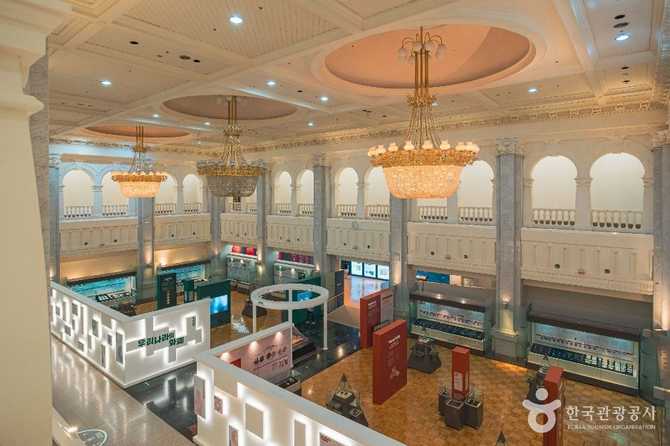
The museum features exhibits on Korea’s monetary history, including banknotes, coins, historical documents, and displays on currency manufacturing and anti-counterfeiting techniques. It also hosts special temporary exhibitions and interactive programs.
Q3: Is there an admission fee to visit the Bank of Korea Museum?
No, admission to the museum is free for all visitors. However, there are no parking facilities available, so public transportation is recommended.
Q4: What should visitors be aware of when visiting the museum?
Visitors should avoid using flash photography, refrain from bringing food or drinks into the exhibition areas, and handle exhibits carefully to prevent damage. Safety guidelines should be followed during interactive activities.
Q5: Are there any hands-on programs at the Bank of Korea Museum?
Yes, the museum offers programs such as currency creation workshops and counterfeit detection training. These activities are designed for children, students, and adults interested in learning about currency manufacturing and security features.
Q6: How can I get to the Bank of Korea Museum?
The museum is accessible via Seoul Subway Line 2 (Euljiro 1-ga Station) and Line 4 (Hoehyeon Station). It is also served by multiple bus routes, but there is no parking available, so public transportation is recommended.
Final Tips for Visiting the Korea Bank of Korea Museum
Visiting the Bank of Korea Museum offers a unique opportunity to delve into Korea’s rich financial history and cultural heritage. To make the most of your experience, it’s recommended to plan your visit carefully. Check the museum’s official website beforehand for the latest updates on exhibitions, special programs, and any scheduled events. This helps ensure you don’t miss out on exciting displays or interactive activities during your trip.
Since the museum is located in a historic building with a fascinating past, take some time to appreciate the architecture and learn about its significance. Remember that the museum is free, but public transportation is the most convenient way to reach it, as parking facilities are not available. Wearing comfortable shoes will help you explore the multiple exhibition rooms comfortably, and bringing a camera without flash will allow you to capture memories while protecting the exhibits.
For families and students, reviewing safety instructions for hands-on activities in advance can enhance your visit. Respect the rules for exhibit preservation, such as refraining from touching or photographing with flash. Planning ahead and following these simple tips will help ensure a smooth, enjoyable experience at the Korea Bank of Korea Museum. Whether you’re interested in the history of currency, the manufacturing process, or Korea’s economic development, this museum provides invaluable insights that will enrich your understanding of Korea’s financial journey.
Remember, the museum is closed on Mondays and major holidays, so always verify the opening hours before your visit. With proper preparation, your trip to this cultural landmark will be both educational and memorable. Take your time to explore the exhibits, participate in interactive programs, and appreciate the historical architecture. The Bank of Korea Museum is a must-visit destination for anyone interested in Korea’s monetary history, offering a meaningful experience that combines education, culture, and history in one fascinating location.