
출처 : ⓒ한국관광콘텐츠랩 또는 ⓒ한국관광공사
Explore Seoul’s History at Cheonggyecheon Museum: Your Cultural Journey
Location 서울특별시 성동구 청계천로 530 (마장동)
Location 서울특별시 성동구 청계천로 530 (마장동)
Discover the rich history and vibrant culture of Seoul through an engaging visit to Cheonggyecheon Museum, a must-visit destination for travelers interested in Korea’s urban development, history, and cultural heritage. Whether you’re a history enthusiast, a family looking for educational experiences, or a cultural explorer, this museum offers a comprehensive glimpse into Seoul’s past, present, and future.
At a glance
- Who this is for
-
- Travelers eager to understand Seoul’s history and culture
- Cultural enthusiasts and history buffs
- Families and educational groups seeking interactive learning
- Visitors interested in urban restoration projects
- Key takeaways
-
- Free admission with easy access in Seoul’s heart
- Interactive exhibits on Cheonggyecheon’s restoration and history
- Modern architecture symbolizing waterway revival
- Open from 9 AM to 6 PM, closed Mondays (except holidays)
- Located at Seoul Seongdong-gu, Cheonggyecheon-ro 530
- Tips & cautions
-
- Check the official website for current exhibitions and events
- Use public transportation—parking is limited
- Visit on non-holiday weekdays for a quieter experience
- Wear comfortable clothing for walking around
- Bottom line
- Cheonggyecheon Museum offers an accessible, insightful journey into Seoul’s urban and cultural evolution, making it a top destination for history and culture lovers.
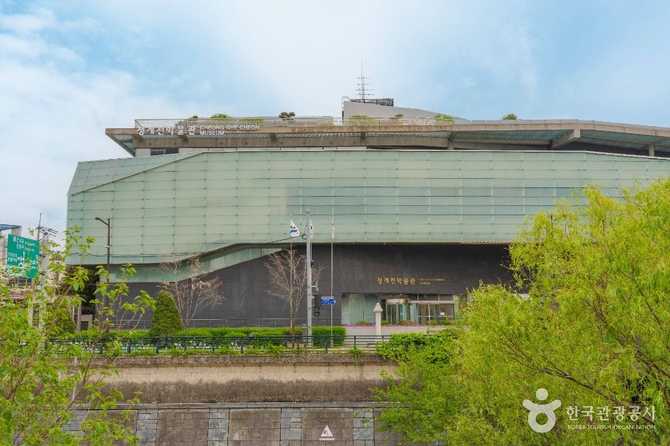
Located in the heart of Seoul, the Cheonggyecheon Museum provides visitors with a unique opportunity to explore the city’s historical transformation through engaging exhibits and educational programs. Opened in 2005, the museum is a key part of the Cheonggyecheon restoration project, symbolizing urban renewal and environmental restoration efforts. Its innovative glass exterior reflects the waterway it celebrates, creating a visually striking landmark in Seoul’s bustling cityscape.
Whether you are interested in the detailed history of Cheonggyecheon, urban development, or Korea’s cultural heritage, this museum offers a comprehensive experience suitable for all ages. With free entry and a central location, it’s an ideal stop for tourists and locals alike. Visitors can enjoy a variety of permanent and temporary exhibits, participate in workshops, and learn about Seoul’s ongoing efforts to preserve its history while embracing modernity.
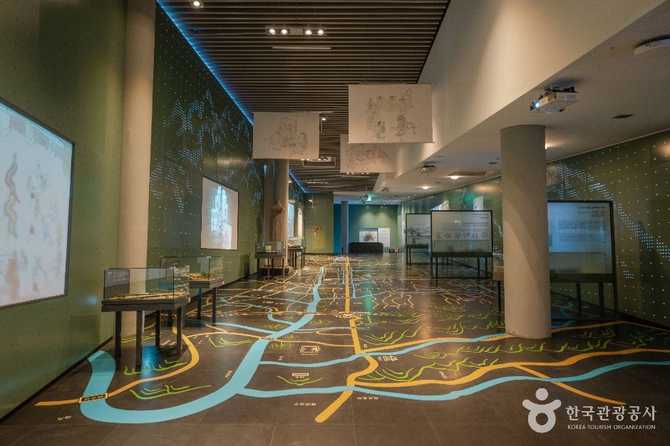
Planning your visit? Be sure to check the museum’s hours and current exhibitions online, as displays are updated periodically. The museum is easily accessible via Seoul’s public transportation system, with nearby subway stations and limited parking. Prepare for an educational and inspiring journey through Seoul’s past, made vivid through innovative displays and interactive learning opportunities.
Museum Overview & Historical Significance of Cheonggyecheon Museum
The Cheonggyecheon Museum is a prominent cultural institution located in Seoul, dedicated to showcasing the rich history and vibrant culture surrounding the iconic Cheonggyecheon stream. Since its opening in 2005, the museum has served as a vital educational hub that connects visitors with Seoul’s urban development, environmental restoration, and historical heritage. The museum’s focus is on illustrating the transformation of Cheonggyecheon from a neglected waterway into a beautiful urban ecological space, symbolizing Seoul’s commitment to sustainable city planning and cultural preservation.
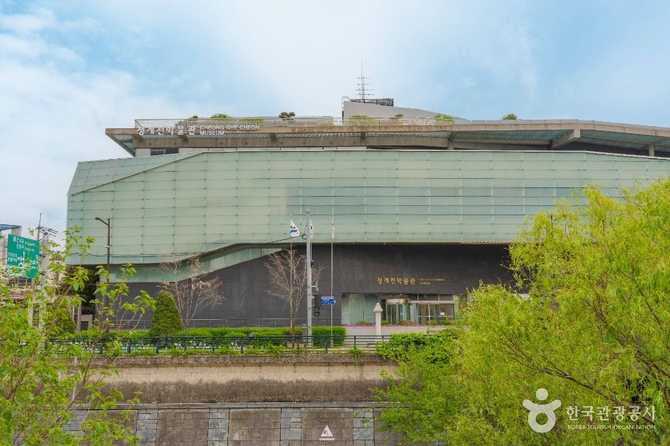
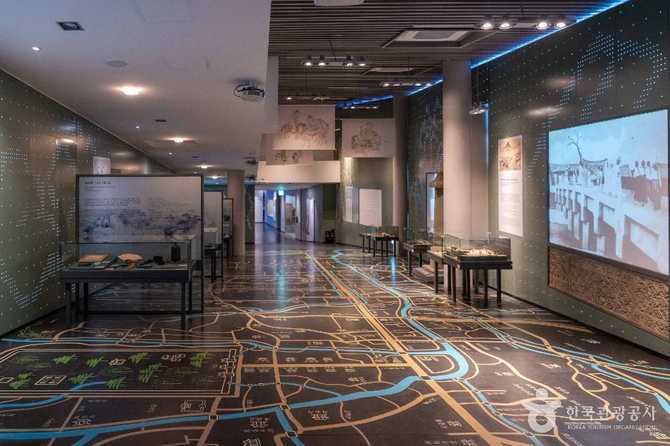
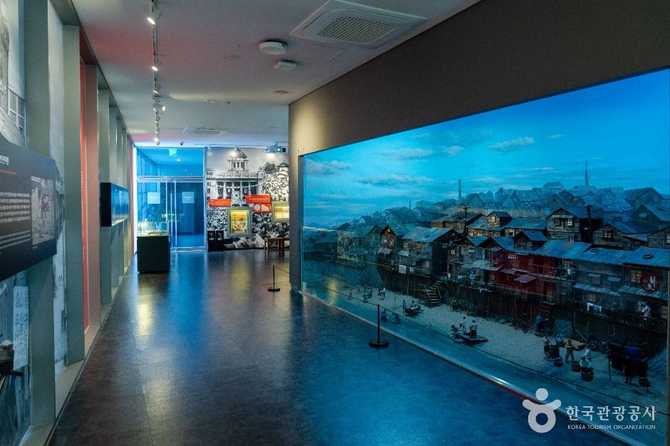
Situated at 530 Cheonggyecheon-ro, Seongdong-gu, the museum’s architecture features a modern glass exterior that reflects the waterway it celebrates. This design choice symbolizes transparency and renewal, aligning with the restoration efforts that have revitalized Cheonggyecheon over the past two decades. As visitors step inside, they encounter interactive exhibits, historical photographs, and detailed models that chronicle the stream’s history from the Joseon Dynasty period to contemporary urban renewal projects.
The museum’s exhibits highlight the cultural significance of Cheonggyecheon as a vital waterway for Seoul’s development, its decline during rapid urbanization in the 20th century, and the subsequent restoration that began in the early 2000s. Visitors can learn about the social, environmental, and architectural aspects of this transformation through multimedia displays and educational programs. The museum also emphasizes the importance of ecological sustainability and urban resilience, making it a meaningful destination for those interested in Korea’s urban history and environmental initiatives.
Overall, the Cheonggyecheon Museum offers an insightful journey into Seoul’s past, present, and future, making it an essential stop for travelers eager to understand Korea’s urban evolution and cultural heritage. Its accessible location, free admission, and engaging exhibits make it an ideal destination for all ages seeking to deepen their understanding of Seoul’s remarkable transformation.
Comparison of Visitor Information & Operating Details
| Feature | Details |
|---|---|
| Opening Date | September 26, 2005 |
| Location | 530 Cheonggyecheon-ro, Seongdong-gu, Seoul |
| Operating Hours | 09:00 – 18:00 (Last admission at 17:30) |
| Admission Fee | Free |
| Closed Days | Every Monday (Open on public holidays), January 1 |
| Accessibility | Accessible via subway (Seongsu Station Line 2, Wangsimni Station Line 1); limited parking |
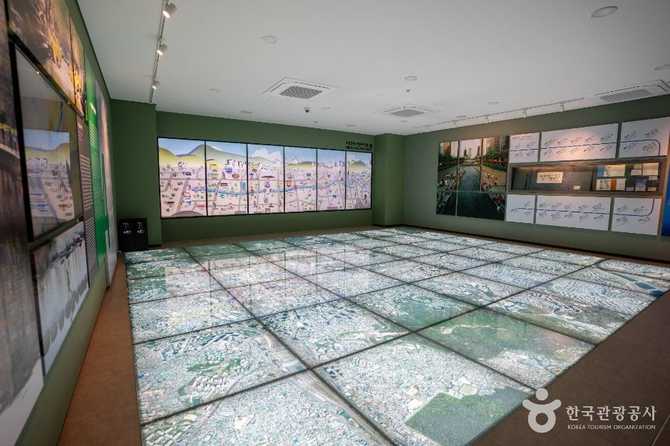
| Main Exhibits | Historical displays, restoration process models, multimedia presentations |
| Additional Facilities | Educational rooms, seminar halls, temporary exhibition spaces |
Exhibits & Facilities Checklist at Cheonggyecheon Museum
- Permanent Exhibits:
- Historical timeline of Cheonggyecheon from Joseon Dynasty to modern restoration
- Models illustrating the waterway’s original course and urban changes
- Photographs documenting the stream’s decline and revival
- Special & Temporary Exhibitions:
- Seasonal art displays related to water and urban renewal
- Theme-based exhibitions on Seoul’s environmental efforts
- Educational Facilities:
- Interactive learning rooms for school groups and families
- Workshops on urban ecology and water management
- Guided tours and multimedia presentations
- Additional Amenities:
- Conference and seminar halls for cultural events
- Gift shop with educational souvenirs
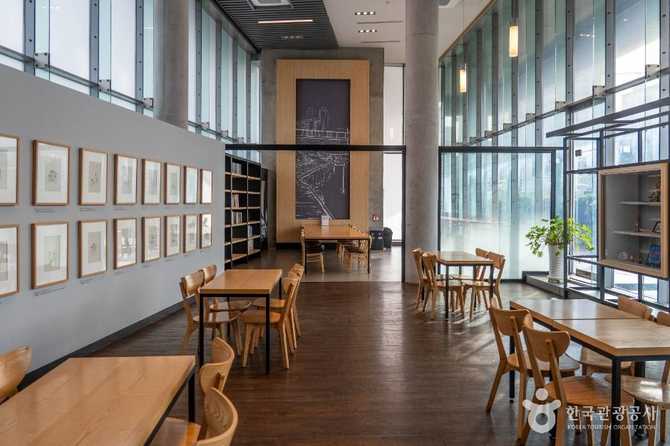
- Cafe area for visitors to relax after exploration
Visitor Tips & Important Notes for Cheonggyecheon Museum
- Check the official schedule: The museum is closed every Monday and on January 1st. However, if a Monday falls on a public holiday, the museum remains open. Always verify the latest holiday and closure information on the official website or contact the visitor center before planning your visit.
- Transportation recommendations: Due to limited parking facilities, it is highly recommended to use public transportation. The museum is accessible via Seongsu Station on Line 2 and Wangsimni Station on Line 1, both within walking distance.
- Exhibit updates: The museum’s exhibits and programs are subject to change. To experience the latest displays and special events, check the museum’s official website or contact them directly prior to your visit.
- Dress comfortably: Wear comfortable clothing and shoes suitable for walking and standing, especially if you plan to participate in workshops or guided tours.
- Safety and belongings: Keep your valuables secure, and avoid bringing large or unnecessary items into the exhibition areas to ensure a smooth visit.
Unique Features & Visitor Recommendations at Cheonggyecheon Museum
- Iconic architectural design: The museum’s glass exterior symbolizes transparency and the flow of water, reflecting Cheonggyecheon’s restoration and ecological significance.
- Free admission: Visitors can explore the exhibits and participate in educational programs without any entrance fee, making it accessible for all visitors.
- Dynamic exhibits: The museum offers seasonal and thematic exhibitions that highlight Seoul’s urban renewal, environmental efforts, and cultural heritage.
- Interactive learning: Educational rooms, workshops, and multimedia presentations engage visitors of all ages, providing hands-on experiences related to urban ecology and water management.
- Central location: Situated at 530 Cheonggyecheon-ro, the museum is easily reachable by subway and close to other popular Seoul attractions, making it a convenient cultural stop.
- Cultural events: The museum hosts seminars, lectures, and cultural performances in its dedicated seminar halls, enriching visitors’ understanding of Seoul’s history and urban development.
Whether you visit during the day or evening, Explore Seoul’s History at Cheonggyecheo is a meaningful stop on any Seoul itinerary for history-minded travelers.
Frequently Asked Questions (FAQ)
Q1: When was Cheonggyecheon Museum officially opened?
An: The Cheonggyecheon Museum opened to the public on September 26, 2005, as part of Seoul’s urban restoration project. It has since served as a cultural hub showcasing the history of Cheonggyecheon stream.
Q2: Where is Cheonggyecheon Museum located?
An: The museum is located at 530 Cheonggyecheon-ro, Seongdong-gu, Seoul. It is centrally situated near Seongsu Station (Line 2) and Wangsimni Station (Line 1), making it easily accessible by public transportation.
Q3: Is there an entrance fee for visiting Cheonggyecheon Museum?
An: No, admission to Cheonggyecheon Museum is free, allowing visitors to explore its exhibits and facilities without any cost.
Q4: What are the museum’s operating hours?
An: The museum is open from 9:00 AM to 6:00 PM, with last admission at 5:30 PM. It is closed every Monday, except when Monday falls on a public holiday, in which case it remains open.
Q5: Can I visit Cheonggyecheon Museum on public holidays?
An: Yes, the museum operates on public holidays, but it is closed on Mondays unless a public holiday falls on a Monday, in which case it remains open.
Q6: How often do the exhibits at Cheonggyecheon Museum change?
An: The exhibits and programs are updated periodically, so it is recommended to check the museum’s official website or contact the visitor center before your visit for the latest information.
Final Thoughts on Visiting Cheonggyecheon Museum in Seoul
Visiting Cheonggyecheon Museum offers a unique opportunity to immerse yourself in Seoul’s rich history and vibrant cultural landscape. This museum stands out as a must-visit destination for those eager to understand the city’s urban transformation, environmental efforts, and cultural heritage. With its modern architecture symbolizing waterway revival, the museum provides an engaging experience through its well-curated exhibits and educational programs. Best of all, the free admission makes it accessible for all visitors, whether you are a local resident or a traveler exploring Korea’s capital.
Plan your visit by checking the museum’s official website for current exhibitions and operating hours, especially during holidays or special events. Remember to use public transportation, as parking is limited, and the museum’s central location near Seongsu and Wangsimni stations makes it easy to reach. Wear comfortable clothing and be prepared for an insightful journey into Seoul’s past, present, and future. Whether you are interested in urban renewal, environmental sustainability, or Korea’s cultural evolution, Cheonggyecheon Museum provides a meaningful and enriching experience that highlights Seoul’s remarkable transformation over the decades.
Ultimately, a visit to this museum is more than just an educational trip; it is an inspiring journey through Seoul’s history of resilience and innovation. Its accessible location, engaging exhibits, and focus on urban ecological restoration make it an ideal destination for anyone interested in Korea’s development story. Be sure to allocate enough time to explore all the exhibits and participate in any available workshops or guided tours. A trip to Cheonggyecheon Museum will deepen your understanding of Seoul’s dynamic evolution, leaving you with lasting impressions of the city’s ongoing efforts to blend tradition with modernity. Make this cultural stop part of your Seoul itinerary for a memorable and insightful experience that truly captures the spirit of Korea’s vibrant capital.