
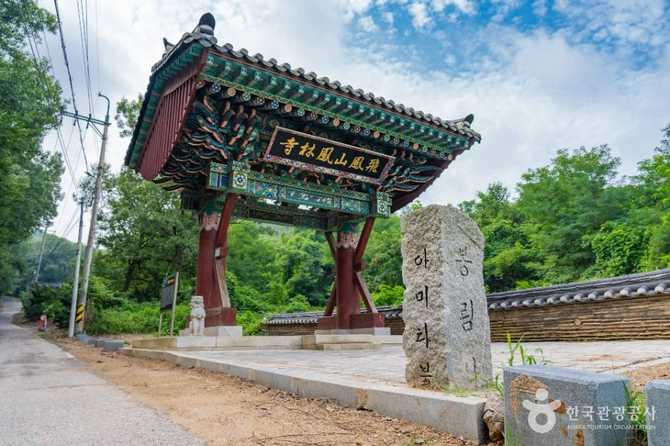
출처 : ⓒ한국관광콘텐츠랩 또는 ⓒ한국관광공사
Explore Bongnimsa Temple in Hwaseong: A Journey into Korea’s Rich Heritage
Location 경기도 화성시 남양읍 주석로80번길 139
Location 경기도 화성시 남양읍 주석로80번길 139
Discover the historical significance and cultural treasures of Bongnimsa Temple in Hwaseong, a sacred site that offers a deep connection to Korea’s ancient Buddhist traditions and breathtaking natural scenery.
At a glance
- Who this is for
-
- Travelers interested in Korea’s traditional temples and cultural heritage
- History and Buddhist culture enthusiasts
- Researchers exploring Korea’s ancient religious sites
- Tourists visiting Hwaseong seeking meaningful cultural experiences
- Key takeaways
-
- Founded during the Silla Dynasty in the 7th century
- Home to Treasure No. 980, the wooden Amitabha Buddha statue
- Contains ancient relics like Tripitaka scriptures and Buddhist manuscripts
- Open year-round with free admission and convenient parking
- Preserves Korea’s spiritual and cultural history through its artifacts
- Tips & cautions
-
- Respect the cultural and religious practices within the temple
- Avoid unauthorized photography of cultural relics
- Maintain quiet and orderly conduct during visits
- Wear modest clothing suitable for a sacred site
- Bottom line
- Visiting Bongnimsa Temple offers a profound experience of Korea’s ancient Buddhist culture and natural beauty, making it a must-see historical site in Hwaseong.
Welcome to our guide on Bongnimsa Temple in Hwaseong, a historic Buddhist temple that embodies Korea’s rich spiritual and cultural legacy. Located in Gyeonggi Province, this ancient temple traces its origins back to the 7th century during the Silla Dynasty, making it a significant site for those interested in Korea’s traditional religious history. As you explore Bongnimsa, you will encounter a blend of historical relics, beautiful natural surroundings, and a serene atmosphere that invites reflection and cultural appreciation.

In this comprehensive guide, we will delve into the history of Bongnimsa, its key cultural treasures, practical visiting information, and tips to ensure a respectful and enriching experience. Whether you are a history buff, a Buddhist practitioner, or a traveler seeking authentic cultural immersion, Bongnimsa Temple in Hwaseong promises a memorable journey into Korea’s spiritual heritage. Prepare to discover ancient artifacts like the Treasure No. 980 wooden Amitabha Buddha, explore sacred relics, and enjoy the tranquil natural scenery that surrounds this venerable site.
Understanding the significance of Bongnimsa is essential for appreciating Korea’s Buddhist history. The temple’s origins are intertwined with the natural landscape of Bibong Mountain, symbolizing harmony between nature and spirituality. Over centuries, it has accumulated invaluable cultural assets, including ancient scriptures, stone pagodas, and wooden statues, all of which reflect Korea’s artistic and religious traditions. Today, visitors can walk through history, observing well-preserved relics and learning about the temple’s role in Korea’s spiritual development.
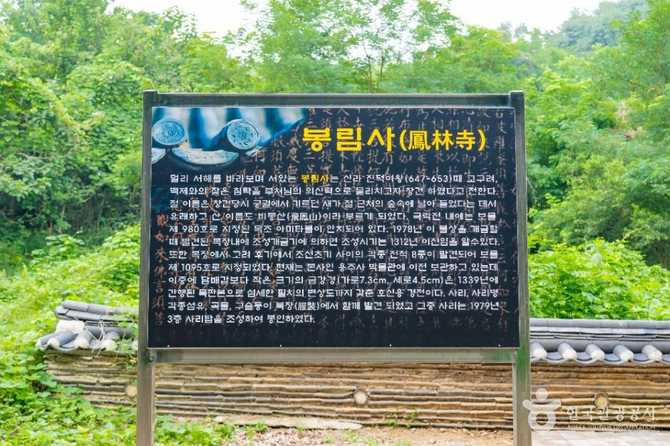
Whether you are visiting for a spiritual retreat, cultural exploration, or historical study, Bongnimsa offers a unique window into Korea’s Buddhist past. Its accessible location in Hwaseong makes it an ideal day-trip destination, allowing travelers to combine cultural sightseeing with scenic mountain walks. Be sure to respect the site’s sacred nature by following proper etiquette, and take advantage of the free admission and ample parking facilities to make your visit smooth and enjoyable. Join us as we explore the fascinating history and treasures of Bongnimsa Temple in Hwaseong.
Overview of Bongnimsa Temple’s History and Significance
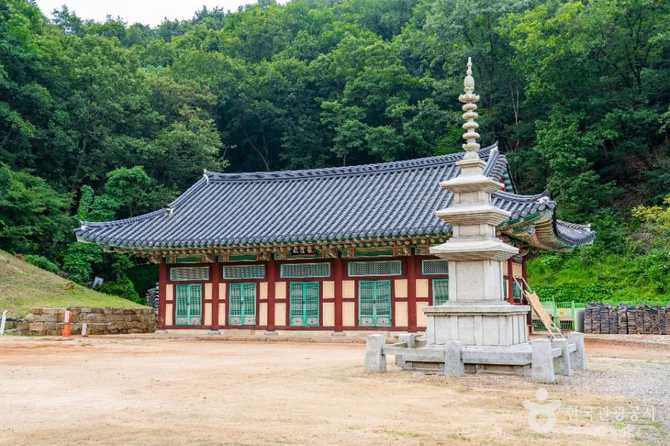
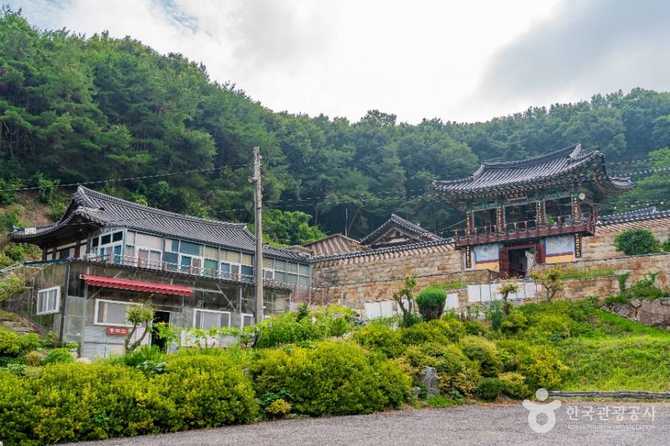
Bongnimsa Temple in Hwaseong stands as a remarkable testament to Korea’s rich Buddhist heritage, with origins dating back to the 7th century during the Silla Dynasty. As one of the most historically significant temples in the region, it offers visitors a unique glimpse into Korea’s ancient religious practices and cultural evolution. The focus keyword, Bongnimsa Temple, encapsulates a site that embodies spiritual tradition, historical depth, and cultural preservation.

The temple’s founding is traditionally linked to the reign of Queen Jin Deok of Silla, making it over 1,300 years old. Its strategic location on Bibong Mountain allowed it to serve as a spiritual hub for local communities, offering a place for meditation, worship, and religious ceremonies. Throughout the centuries, Bongnimsa has witnessed numerous historical events and has accumulated invaluable cultural assets, including ancient scriptures, wooden statues, and stone relics that showcase Korea’s artistic and religious sophistication.
Over the ages, Bongnimsa was expanded and renovated, reflecting the architectural styles of different periods, from the Unified Silla to Joseon Dynasty. Its cultural treasures include the Treasure No. 980, a wooden Amitabha Buddha statue, which exemplifies traditional Korean Buddhist sculpture. The temple also houses ancient Tripitaka scriptures and other relics that highlight the spiritual and artistic pursuits of Korea’s Buddhist community. Today, it remains an active site for worship and cultural education, attracting both pilgrims and tourists interested in Korea’s spiritual history.
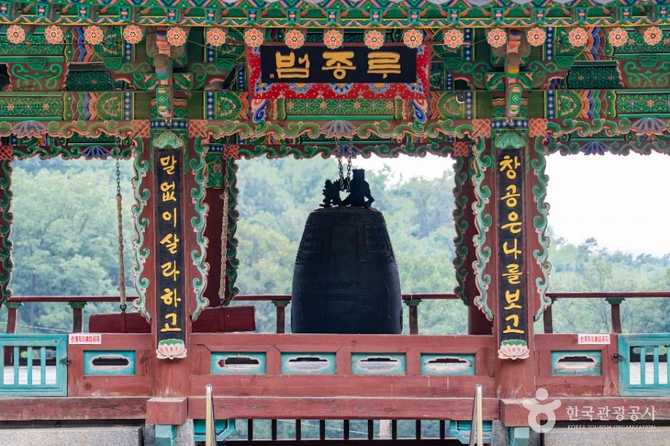
Visiting Bongnimsa offers a profound experience, allowing visitors to connect with Korea’s ancient religious roots amidst serene natural surroundings. The ongoing preservation efforts ensure that this historical site continues to be a vital part of Korea’s cultural landscape. Whether you are a history enthusiast, a practicing Buddhist, or a curious traveler, exploring Bongnimsa’s history deepens understanding of Korea’s spiritual and cultural identity, making it a must-visit destination in Hwaseong.
Comparison of Key Cultural Treasures at Bongnimsa
| Cultural Asset | Description | Significance |
|---|---|---|
| Treasure No. 980: Wooden Amitabha Buddha | A meticulously crafted wooden statue, created before 1312, featuring gilded details. | Represents Korea’s traditional Buddhist sculpture artistry and spiritual symbolism. |
| Tripitaka Scriptures (8 volumes) | Ancient Buddhist texts discovered in 1978, dating from the late Goryeo to early Joseon period. | Important for understanding Korea’s religious history and scriptural traditions. |
| Sari Pagoda and Relics | Stone pagoda and relics associated with Buddhist ceremonies, including relics and ritual objects. | Symbolize spiritual devotion and historical religious practices in Korea. |
| Gold-inked Manuscripts of the Diamond Sutra | A rare 1339 edition of the Diamond Sutra, printed on woodblocks with detailed illustrations. | Highlights Korea’s early printing technology and Buddhist art. |
Visiting Checklist and Tips for Bongnimsa Temple
- Check operating hours: The temple is open daily from 7:00 AM to 5:00 PM.
- Admission: Free entry, with parking available on-site.
- Pre-visit inquiry: Contact the temple at 031-356-9117 for special programs or guided tours.
- Dress code: Wear modest clothing that respects the sacred nature of the site.
- Respect temple etiquette: Maintain silence, remove shoes when entering sacred areas, and avoid disruptive behavior.
- Photography: Be cautious when photographing cultural relics; avoid flash and unauthorized captures.
Cultural Preservation and Visiting Etiquette at Bongnimsa
| Guideline | Details |
|---|---|
| Respect Cultural Artifacts | Do not touch, move, or damage any relics, statues, or ancient scriptures. Unauthorized photography may be restricted to preserve the integrity of the artifacts. |
| Maintain Silence and Calm | Speak quietly and avoid loud noises to maintain a peaceful atmosphere suitable for reflection and worship. |
| Dress Modestly | Wear modest clothing that covers shoulders and knees, respecting the sacred space and local customs. |
| Remove Shoes | Remove footwear before entering temples or sacred indoor areas to show respect and maintain cleanliness. |
| Proper Photography Etiquette | Use flash cautiously, avoid photographing restricted relics, and always seek permission if unsure about photography rules. |
| Dispose of Trash Properly | Use designated bins for waste to keep the site clean and respectful of its sacred environment. |
Recommended Activities and Tours at Bongnimsa
- Admire the Wooden Amitabha Buddha: Visit the Treasure No. 980 statue housed inside the main hall, and take photos respecting the temple’s photography guidelines.
- Explore the Tripitaka Scriptures: View the ancient Buddhist texts, including the 8-volume collection discovered in 1978, and learn about their historical context.
- Visit the Sari Pagoda and Relics: Observe the stone pagoda and relics used in traditional Buddhist ceremonies, gaining insight into Korea’s spiritual practices.
- Experience the Diamond Sutra Manuscript: View the 1339 printed edition of the Diamond Sutra, notable for its detailed illustrations and historical printing techniques.
- Participate in Guided Tours: Join scheduled guided tours or arrange a private guide to deepen your understanding of the cultural and historical significance of Bongnimsa.
- Enjoy Natural Scenery: Take a peaceful walk around Bibong Mountain, appreciating the harmony between nature and the temple’s architecture.
- Visit the Hwaseong Cultural Museum: Extend your cultural exploration by visiting nearby museums that provide additional context on the region’s history and Buddhist traditions.
- Join Temple Programs: Pre-arranged meditation sessions, tea ceremonies, or cultural workshops may be available; inquire in advance for reservations.
Whether you visit during the day or evening, Explore Bongnimsa Temple in Hwaseong is a meaningful stop on any Seoul itinerary for history-minded travelers.
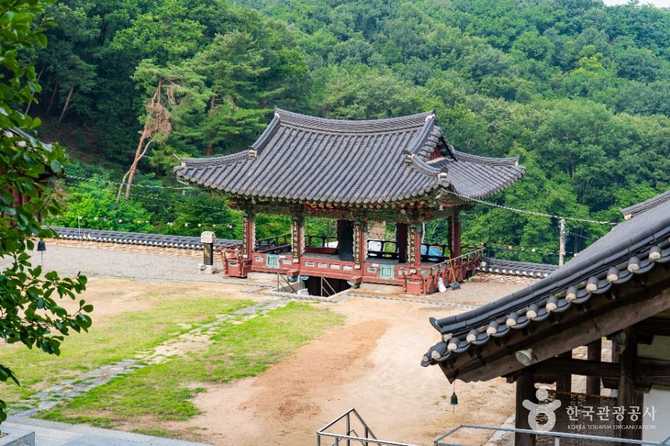
Frequently Asked Questions (FAQ)
Q1: When was Bongnimsa Temple in Hwaseong founded?
The temple was established during the reign of Queen Jin Deok of Silla in the 7th century, making it over 1,300 years old.

Q2: What are the main cultural treasures at Bongnimsa?
Key treasures include the Treasure No. 980 wooden Amitabha Buddha statue, ancient Tripitaka scriptures, a stone pagoda, and a rare 1339 edition of the Diamond Sutra printed on woodblocks.
Q3: Is there an entrance fee to visit Bongnimsa Temple?
No, admission to Bongnimsa is free. The temple also provides parking facilities for visitors.

Q4: What are the visiting hours for Bongnimsa Temple?
The temple is open daily from 7:00 AM to 5:00 PM, allowing visitors to explore the site at their convenience.

Q5: Are there any restrictions on photography at Bongnimsa?
Photography is permitted, but flash photography and unauthorized capturing of certain relics are prohibited to preserve the artifacts’ integrity.
Q6: How can I participate in special programs or guided tours at Bongnimsa?
It is recommended to contact the temple in advance at 031-356-9117 to inquire about guided tours and special cultural programs available during your visit.
Final Thoughts on Visiting Bongnimsa Temple in Hwaseong
A visit to Bongnimsa Temple in Hwaseong offers a meaningful opportunity to immerse yourself in Korea’s rich spiritual and cultural heritage. With its origins dating back to the 7th century, this historic temple stands as a testament to Korea’s long-standing Buddhist traditions and artistic achievements. As you explore its ancient relics, including the treasured wooden Amitabha Buddha statue and the historic scriptures, you gain a deeper appreciation for Korea’s religious history and cultural continuity.
The serene natural surroundings of Bongnimsa enhance the spiritual experience, providing a peaceful environment for reflection and connection with Korea’s sacred past. Whether you are a history enthusiast, a practicing Buddhist, or simply a traveler seeking authentic cultural insights, this site promises a memorable journey. Remember to respect the temple’s customs and preservation efforts by following proper etiquette, such as maintaining silence and avoiding damage to artifacts.
Planning your visit with the practical information provided ensures a smooth experience—free admission, ample parking, and year-round accessibility make it easy to include Bongnimsa in your travel itinerary. Ultimately, a trip to Bongnimsa Temple in Hwaseong is not just sightseeing; it’s an opportunity to connect with Korea’s spiritual roots and appreciate its enduring cultural legacy. We hope this guide helps you prepare for a respectful and enriching visit to this remarkable historic site.