
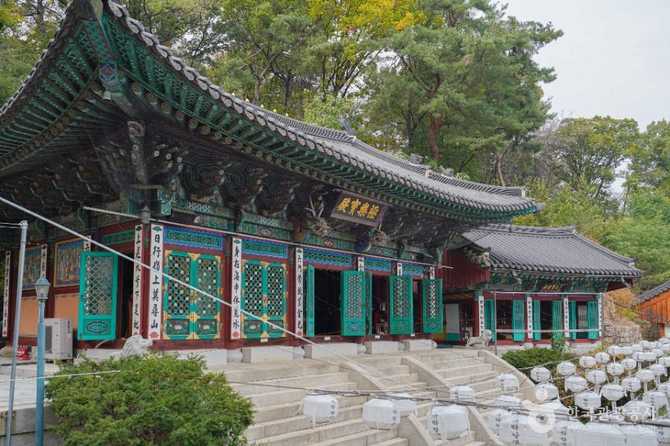
출처 : ⓒ한국관광콘텐츠랩 또는 ⓒ한국관광공사
Experience the Rich Heritage of Gyeongguksa Temple in Seoul
Location 서울특별시 성북구 보국문로 113-10 (정릉동)
Location 서울특별시 성북구 보국문로 113-10 (정릉동)
Discover the historical and cultural treasures of Gyeongguksa, a centuries-old Buddhist temple in Seoul, and immerse yourself in Korea’s spiritual traditions and natural beauty.
At a glance
- Who this is for
-
- Travelers interested in Seoul’s historical temples
- Cultural enthusiasts exploring Korean Buddhist heritage
- Visitors seeking peaceful natural scenery and meditation experiences
- People wanting to learn about traditional Korean religious practices
- Key takeaways
-
- Founded in 1325, one of Seoul’s oldest Buddhist temples
- Home to important cultural assets like the Jajeong Yulsa and Cheon-tae Seongjeon
- Open year-round with free admission and parking facilities
- Offers temple stay programs and cultural experiences
- Located in Seongbuk-gu, Seoul, with easy access for visitors
- Tips & cautions
-
- Respect temple etiquette during visits and ceremonies
- Check availability and reserve in advance for temple stay programs
- Be aware of special events or holidays that may affect visiting hours
- Bottom line
- Visit Gyeongguksa to experience Seoul’s spiritual heritage amidst serene natural surroundings.
Gyeongguksa in Seoul is a historic Buddhist temple that has been a spiritual and cultural hub for over 700 years. Located in the Seongbuk-gu district, this temple offers visitors a unique glimpse into Korea’s deep-rooted Buddhist traditions and architectural heritage. Established in 1325, Gyeongguksa has witnessed centuries of religious practice, royal patronage, and cultural preservation, making it a must-visit destination for travelers interested in Korea’s history and spiritual life.
Whether you are a history buff, a cultural enthusiast, or someone seeking tranquility in nature, Gyeongguksa provides a peaceful environment to explore Korea’s religious heritage. The temple is open year-round, welcoming visitors free of charge, and features several important cultural assets, including the Jajeong Yulsa, Cheon-tae Seongjeon, and the Sarira Pagoda of Juwon Dae. Its scenic location beneath Cheongbong Mountain offers a perfect setting for reflection, meditation, and appreciation of Korea’s natural beauty.
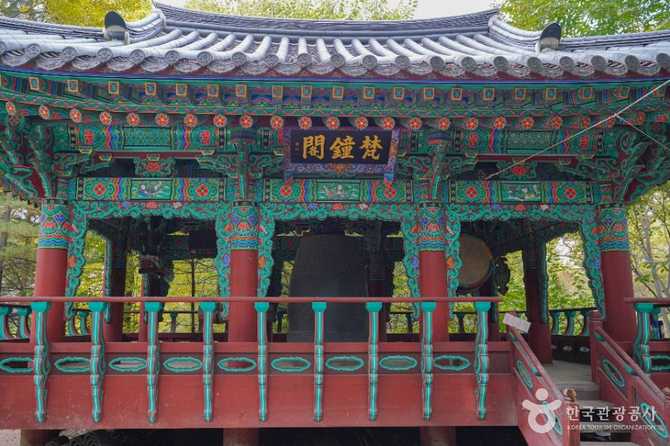
In addition to exploring historical relics, visitors can participate in traditional temple experiences such as meditation sessions, tea ceremonies, and temple stay programs. These activities allow travelers to deepen their understanding of Korean Buddhism and enjoy a restful retreat away from urban bustle. With easy access via public transportation and ample parking, Gyeongguksa is an accessible cultural treasure that enriches your journey through Seoul’s historic landscape.
Plan your visit to Gyeongguksa to discover Korea’s spiritual legacy and enjoy a serene natural environment. This temple’s combination of history, tradition, and tranquility makes it an ideal destination for cultural exploration and personal reflection in Seoul.
Gyeongguksa Temple Overview & Historical Background
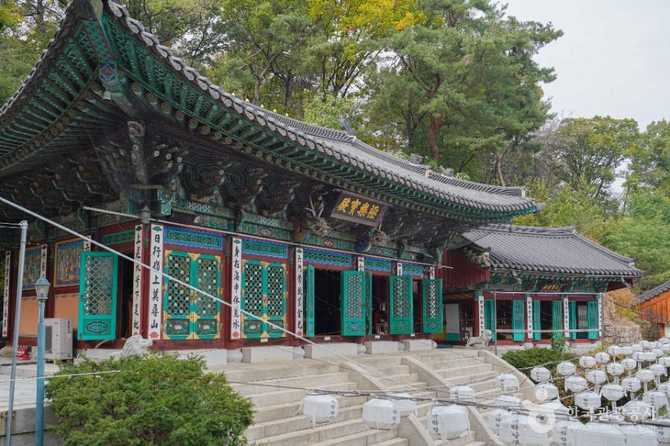
Gyeongguksa in Seoul is a renowned historical Buddhist temple that embodies Korea’s rich spiritual and cultural heritage. Established in 1325, this sacred site is located in the Seongbuk-gu district, nestled beneath the scenic Cheongbong Mountain. As one of Seoul’s oldest temples, Gyeongguksa serves as a living testament to Korea’s deep-rooted Buddhist traditions, with a history spanning over 700 years. Its founding by the esteemed monk Jajeong Yulsa marked the beginning of a spiritual journey that would influence Korean Buddhism for centuries.
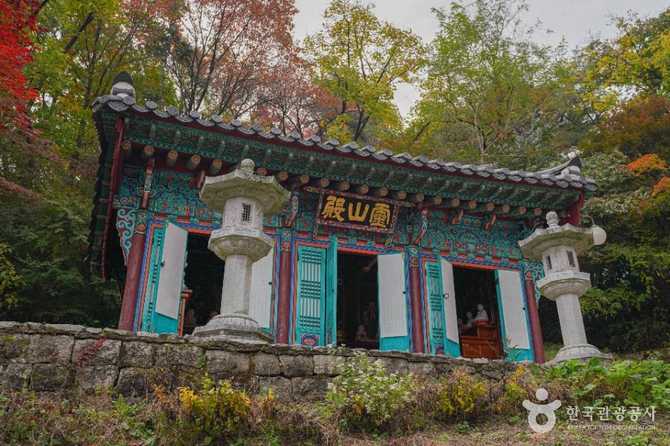
Throughout its long history, Gyeongguksa has played a central role in religious practice, royal patronage, and cultural preservation. During the Joseon Dynasty, it was a hub for Buddhist learning and meditation, and many important cultural assets have been preserved within its grounds. The temple’s architecture reflects traditional Korean Buddhist design, harmonizing with the natural landscape to create a peaceful environment for reflection and worship. Notably, the temple is home to significant cultural treasures such as the Cheon-tae Seongjeon, the Sarira Pagoda of Juwon Dae, and the statue of the revered monk Jajeong Yulsa.
Today, Gyeongguksa continues to be a vital spiritual center, offering visitors a chance to experience Korea’s Buddhist heritage firsthand. Its open-door policy allows tourists and pilgrims alike to explore its historic halls, participate in meditation sessions, and enjoy the tranquil natural surroundings. The temple’s commitment to cultural preservation and spiritual practice makes it a must-visit destination for those interested in Korea’s religious history and traditional architecture. Whether you seek a moment of peace, cultural insight, or a deeper understanding of Korean Buddhism, Gyeongguksa provides a meaningful and immersive experience in Seoul’s historic landscape.
Comparison of Major Cultural Assets at Gyeongguksa
| Cultural Asset / Heritage | Description | Significance |
|---|---|---|
| Jajeong Yulsa | A historic monk statue representing the founder of Gyeongguksa, embodying traditional Korean Buddhist artistry. | Symbolizes the spiritual origins of the temple and Korea’s Buddhist monastic tradition. |
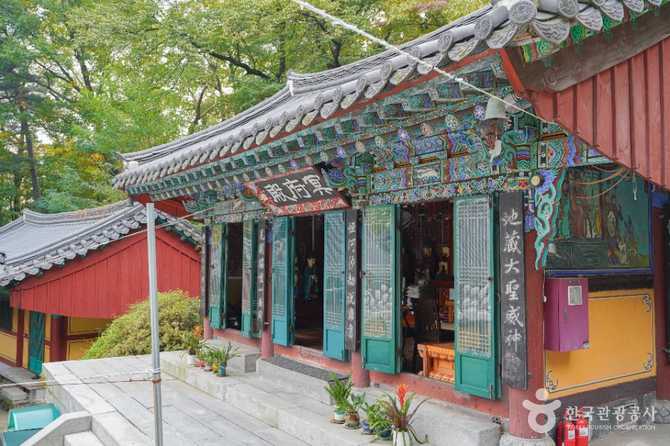
| Cheon-tae Seongjeon | Main hall housing sacred relics and statues, reconstructed to preserve traditional architecture. | A focal point for worship and cultural ceremonies, representing Korea’s religious heritage. |
| Juwon Dae Sarira Pagoda | A pagoda containing relics of revered monks, designated as an important cultural asset. | Highlights the historical importance of Buddhist relics and monastic lineage in Korea. |
Visiting Gyeongguksa: Checklist & Tips
- Check the opening hours: Gyeongguksa is open year-round from 09:00 to 18:00. No admission fee is required.
- Plan your visit: Arrive early to enjoy a peaceful experience and participate in meditation or cultural programs.
- Respect temple etiquette: Maintain silence, dress modestly, and follow local customs during worship and ceremonies.
- Reserve in advance: Book temple stay or experiential programs ahead of time to secure your spot.
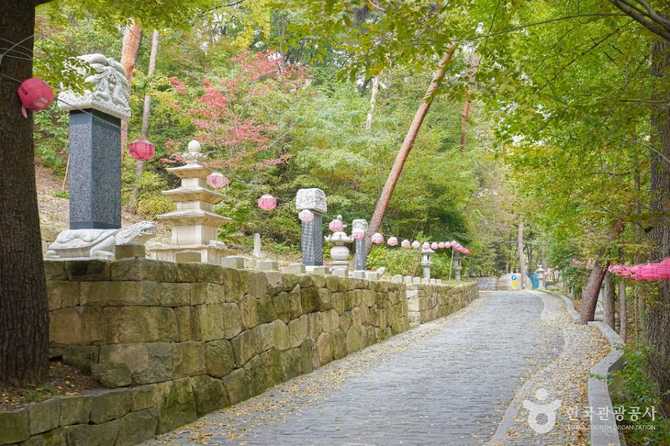
- Explore natural surroundings: Take a walk around Cheongbong Mountain and enjoy the serene landscape.
Precautions & Visitor Tips for Gyeongguksa
- Respect temple etiquette: Visitors should maintain a quiet demeanor, speak softly, and follow traditional customs during worship and ceremonies to preserve the sacred atmosphere.
- Dress appropriately: Modest attire covering shoulders and knees is recommended, especially when participating in religious activities or entering prayer halls.
- Pre-book experiences: Temple stay programs, meditation sessions, and cultural workshops often require prior reservation. Confirm availability and book in advance through the official channels.
- Be mindful of special events and holidays: Check the temple’s schedule before your visit, as certain days may feature special ceremonies, festivals, or temporary closures.
- Follow safety guidelines: When walking around natural areas like Cheongbong Mountain, stay on designated paths and wear suitable footwear for uneven terrain.
- Photography rules: Photography may be restricted in certain sacred areas; always ask for permission before taking photos of monks, relics, or during ceremonies.
Recommended Activities & Nearby Attractions after Visiting Gyeongguksa
- Explore cultural relics: Take your time to thoroughly explore the temple’s main halls, pagodas, and statues to deepen your understanding of Korea’s Buddhist heritage.
- Participate in temple stay programs: Engage in meditation, tea ceremonies, or monastic meals to experience Korean Buddhist traditions firsthand.
- Enjoy natural surroundings: Walk along Cheongbong Mountain trails, appreciating the scenic views and tranquil environment that complement the spiritual experience.
- Join traditional tea or meditation sessions: Many temples offer these programs, which help in achieving relaxation and mental clarity.
- Visit nearby cultural sites: After your temple visit, explore other attractions in Seongbuk-gu, such as the Korea Furniture Museum or the historic Seongbuk-dong area.
- Sample local cuisine: Head to nearby traditional restaurants or cafes to enjoy authentic Korean dishes and regional specialties.
Whether you visit during the day or evening, Experience the Rich Heritage of is a meaningful stop on any Seoul itinerary for history-minded travelers.
Frequently Asked Questions (FAQ)
Q1: When was Gyeongguksa Temple in Seoul founded?
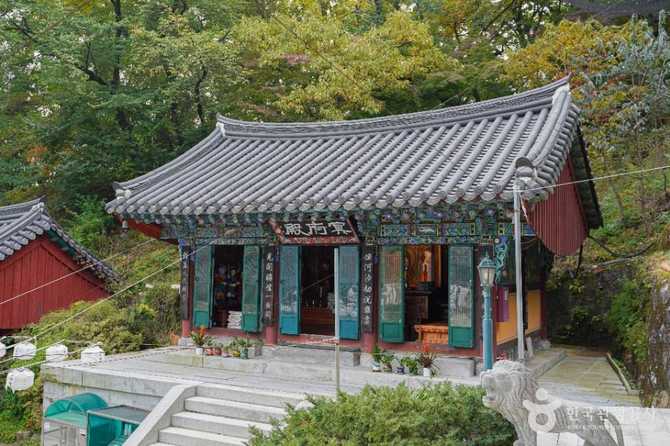
Gyeongguksa was established in 1325 by the monk Jajeong Yulsa. It is one of Seoul’s oldest Buddhist temples, with a history spanning over 700 years.
Q2: What are the main cultural assets of Gyeongguksa?
Key cultural assets include the Jajeong Yulsa statue, Cheon-tae Seongjeon main hall, and the Juwon Dae Sarira Pagoda. These relics highlight the temple’s historical and religious significance.
Q3: What are the visiting hours and entrance fees for Gyeongguksa?
The temple is open year-round from 09:00 to 18:00. Admission is free, and parking facilities are available for visitors.
Q4: Does Gyeongguksa offer any cultural or meditation programs?
Yes, the temple provides temple stay programs, meditation sessions, and cultural experiences. Reservations are recommended in advance for these activities.
Q5: What precautions should visitors take when visiting Gyeongguksa?
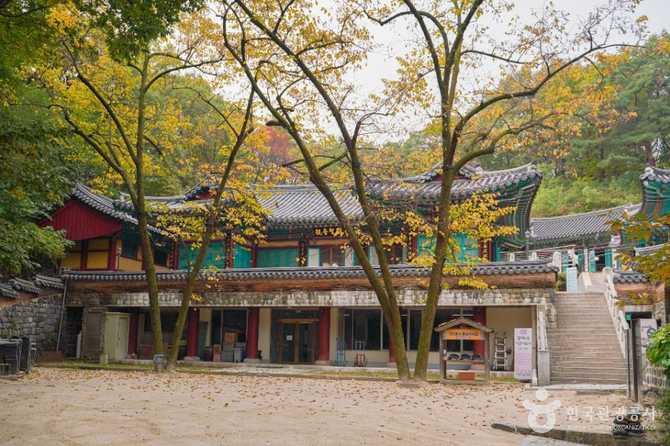
Visitors should observe temple etiquette, dress modestly, and follow staff instructions. It is also advisable to check the schedule for special events or closures before visiting.
Q6: What activities are recommended after visiting Gyeongguksa?
After visiting, you can explore nearby cultural relics, enjoy a natural walk around Cheongbong Mountain, participate in traditional tea ceremonies, or visit local cafes and restaurants to experience regional cuisine.
Conclusion: Experience the Timeless Heritage of Gyeongguksa Temple in Seoul
Visiting Gyeongguksa Temple in Seoul offers a unique opportunity to immerse yourself in Korea’s rich spiritual and cultural traditions. As one of Seoul’s most historic Buddhist temples, it stands as a testament to over 700 years of religious practice, cultural preservation, and natural beauty. Whether you are drawn to its ancient relics, the peaceful atmosphere, or the chance to participate in traditional temple activities, Gyeongguksa provides a meaningful and enriching experience for all visitors.
This temple’s serene environment, combined with its significant cultural assets like the Jajeong Yulsa and Cheon-tae Seongjeon, makes it an ideal destination for those seeking tranquility and cultural insight. The temple’s accessibility, free admission, and year-round operation ensure that everyone can enjoy its historical and spiritual offerings. Participating in temple stay programs or simply exploring the scenic surroundings of Cheongbong Mountain allows visitors to deepen their understanding of Korea’s Buddhist heritage and appreciate the harmony between tradition and nature.
A visit to Gyeongguksa in Seoul is more than just sightseeing; it’s an opportunity to connect with Korea’s spiritual roots and experience a tranquil retreat from everyday life. Whether you are a history enthusiast, a cultural explorer, or someone seeking peace and reflection, this historic temple promises a memorable and inspiring journey. Make sure to plan ahead, respect the customs, and embrace the timeless beauty that Gyeongguksa Temple in Seoul has to offer. Your visit will surely leave you with a deeper appreciation for Korea’s sacred heritage and natural splendor.