
출처 : ⓒ한국관광콘텐츠랩 또는 ⓒ한국관광공사
Explore Cheongnyangsa Temple in Seoul: A Historic Buddhist Site in the City
Location 서울특별시 동대문구 제기로31길 10-3 청량사
Location 서울특별시 동대문구 제기로31길 10-3 청량사
Discover the rich history, stunning architecture, and peaceful atmosphere of Cheongnyangsa, a revered Buddhist temple nestled in Seoul’s bustling cityscape.
At a glance
- Who this is for
-
- Travelers interested in Seoul’s historic sites
- Visitors seeking to experience Korean Buddhist culture
- Tourists looking for a peaceful retreat within the city
- Families wanting family-friendly cultural experiences
- Key takeaways
-
- Located in Seoul’s Dongdaemun District, with origins before 1895
- Important during Japanese occupation and Korean independence movement
- Features traditional buildings like Geungnakbojeon, Kwanumjeon, and Muryangsujeon
- Open year-round, free entry, with family-friendly facilities
- Accessible via public transport; parking may be limited
- Tips & cautions
-
- Visit during opening hours; check for special events or ceremonies
- Maintain quietness and respect the sacred atmosphere
- Use public transportation to avoid parking issues
- Ask permission for photography inside the temple
- Bottom line
- Experience Seoul’s spiritual heritage and tranquil beauty at Cheongnyangsa Temple, a must-visit cultural landmark.
Cheongnyangsa Temple in Seoul is a historic Buddhist temple that offers visitors a unique glimpse into Korea’s spiritual and cultural traditions. Situated in the Dongdaemun District, this temple has a history dating back before 1895 and has played significant roles during the Japanese occupation and Korea’s independence movement. Today, it stands as a serene sanctuary within the bustling city, blending traditional architecture with modern amenities. Whether you are a history enthusiast, a practicing Buddhist, or simply seeking a peaceful place to relax and reflect, Cheongnyangsa provides an enriching experience.
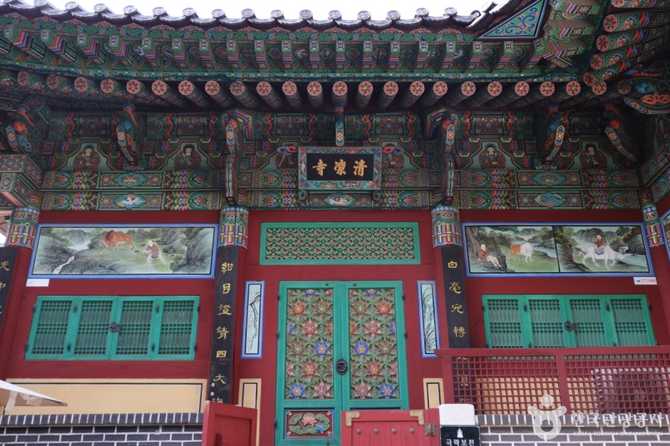
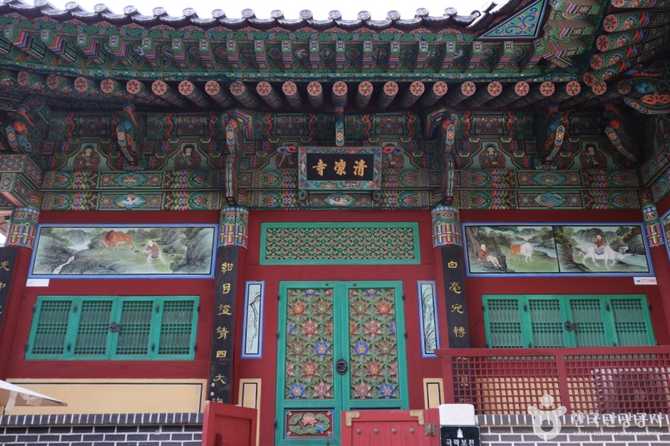
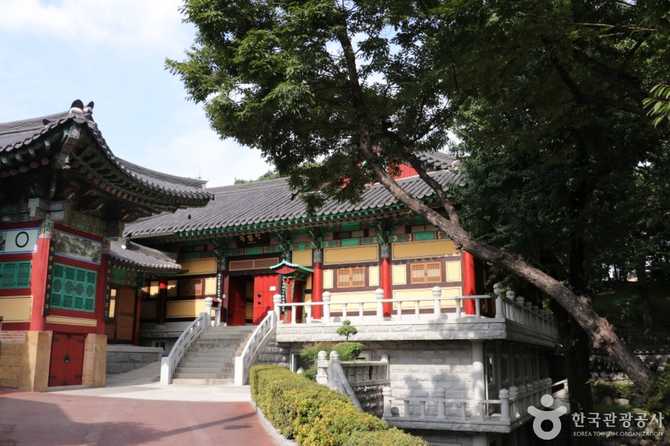
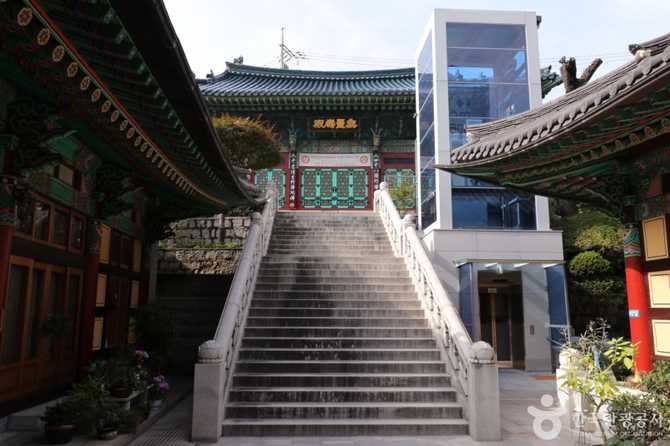
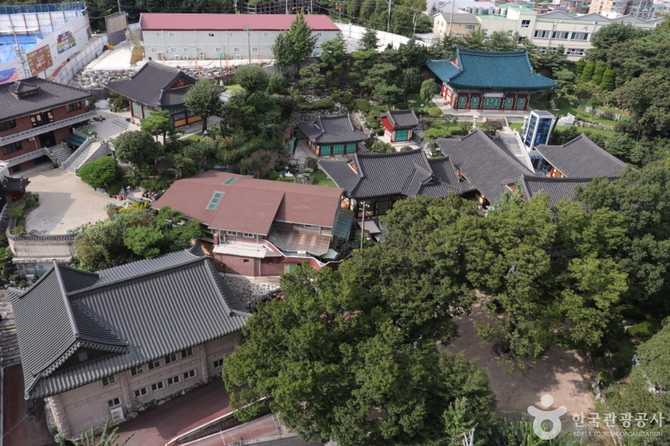
As one of Seoul’s prominent cultural and religious sites, Cheongnyangsa is renowned for its traditional structures such as the Geungnakbojeon (Paradise Hall), Kwanumjeon (Avalokitesvara Hall), and Muryangsujeon (Infinite Life Hall). Visitors can explore these historic buildings, learn about Korea’s Buddhist heritage, and participate in temple activities. The temple also offers family-friendly facilities like a children’s play area and a community center, making it suitable for visitors of all ages. Open year-round and free to access, Cheongnyangsa encourages travelers to experience Korea’s spiritual history firsthand while enjoying the natural surroundings and tranquil atmosphere of the temple grounds.
Cheongnyangsa Location and Historical Overview
Nestled in the heart of Seoul’s Dongdaemun District, Cheongnyangsa is a historic Buddhist temple that has played a significant role in Korea’s spiritual and cultural history. Established before 1895, this revered site offers visitors a unique opportunity to explore Korea’s religious heritage within an urban setting. The temple’s address is 10-3 Jegeo-gil 31, Dongdaemun-gu, Seoul, making it easily accessible from various parts of the city via public transportation. Cheongnyangsa’s strategic location in Seoul’s bustling cityscape belies its tranquil atmosphere, which provides a peaceful retreat amid the urban environment.
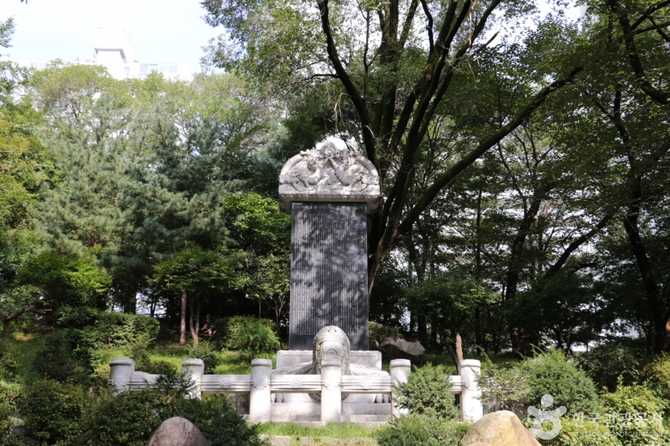
Historically, Cheongnyangsa has been more than just a place of worship; it has served as a hub for Korea’s independence movement and a center for Buddhist practice during turbulent times. During the Japanese occupation, the temple maintained its spiritual significance while also becoming a gathering place for independence activists and monks advocating for Korea’s sovereignty. Notably, the temple was also associated with the construction of Myeongseong Hwanghu’s royal tomb, Hongneung, during the late Joseon Dynasty, which added to its cultural importance.
Today, Cheongnyangsa continues to preserve its traditional architecture, with buildings like the Geungnakbojeon (Paradise Hall), Kwanumjeon (Avalokitesvara Hall), and Muryangsujeon (Infinite Life Hall). It remains a vital site for religious practice, cultural education, and historical remembrance. Visitors can explore the temple grounds, appreciate its architectural beauty, and reflect on its role in Korea’s modern history. Whether you are interested in Korea’s Buddhist traditions, historical sites, or simply seeking a peaceful escape in Seoul, Cheongnyangsa offers a meaningful experience rooted in centuries of tradition and history.
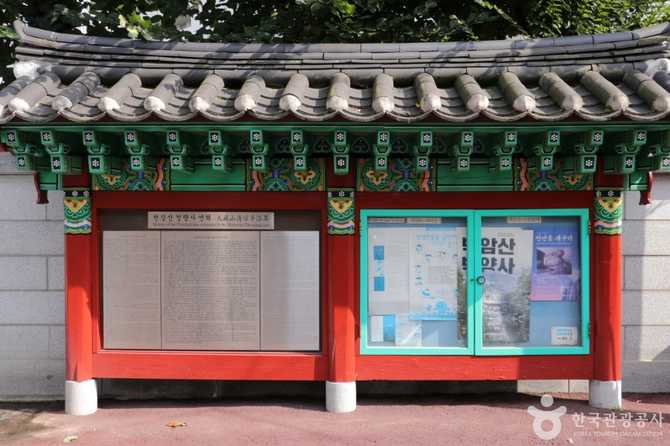
Comparison of Cheongnyangsa’s Main Architectural Features
| Architectural Feature | Description | Significance |
|---|---|---|
| Geungnakbojeon (Paradise Hall) | The oldest building on site, featuring a traditional Korean temple design with a prominent central spire and ornate wooden carvings. | Represents the traditional Buddhist temple architecture and serves as the main hall for worship and ceremonies. |
| Kwanumjeon (Avalokitesvara Hall) | A modernized hall housing statues of the Bodhisattva Avalokitesvara, with recent renovations blending traditional and contemporary styles. | Dedicated to compassion and mercy, it is a focal point for prayer and meditation. |
| Muryangsujeon (Infinite Life Hall) | A space that enshrines the Buddha of Infinite Life, featuring traditional architecture with modern updates for visitor comfort. | Symbolizes eternal life and enlightenment, often used for special ceremonies and meditation sessions. |
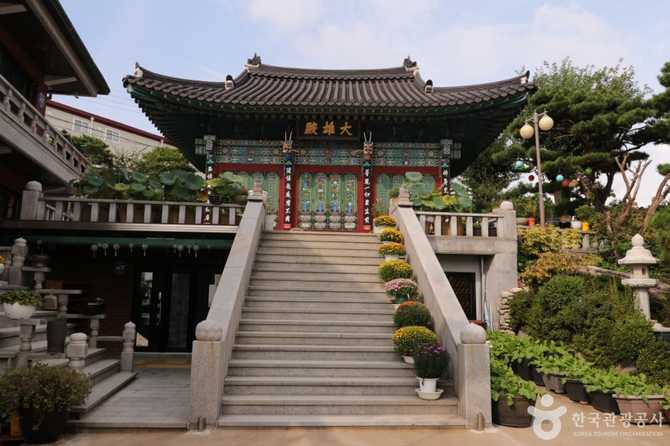
| Daewoongjeon (Main Buddha Hall) | The central hall where major Buddhist rituals are performed, characterized by its grand size and intricate woodwork. | The most iconic structure, representing the heart of the temple’s spiritual activities. |
These architectural features showcase the blend of traditional Korean temple design with modern renovations, reflecting Cheongnyangsa’s long history and ongoing cultural significance. Visitors can appreciate the craftsmanship and spiritual symbolism embedded in each building, making their visit both educational and inspiring.
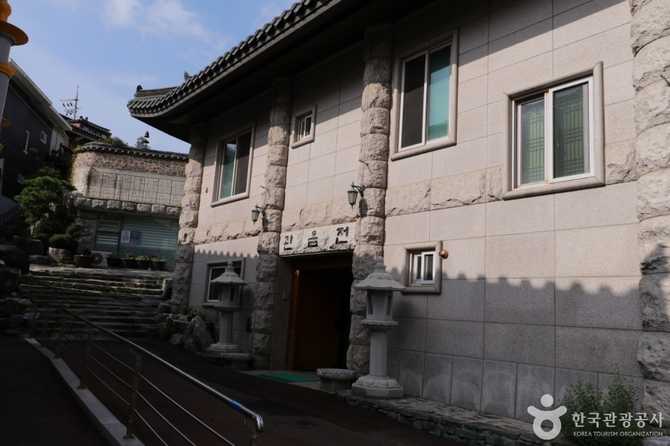
Visitor Information and Facilities Checklist
- Opening Hours: Open year-round, 24 hours; best to visit during daylight hours for sightseeing.
- Admission: Free entry; donations are welcome.
- Transportation: Accessible via Seoul Subway Line 1 or 4; get off at Cheongnyangni Station or Jegi Station, then walk or take local buses.
- Parking: Limited parking available; public transportation is recommended.
- Facilities: Family-friendly amenities include a children’s playground, community center, and restrooms.
- Visitor Tips: Wear respectful attire; maintain silence inside the temple grounds; photography inside buildings requires prior permission.
- Plan your visit: Early mornings or late afternoons are ideal for avoiding crowds and enjoying peaceful reflection.
- Respect customs: Remove shoes when entering indoor halls and follow local etiquette.
- Photography: Always ask for permission before photographing monks, visitors, or inside sacred spaces.
- Accessibility: Facilities are generally accessible, but inquire in advance if you need assistance.
Historical Significance and Role of Cheongnyangsa
Cheongnyangsa holds a prominent place in Korea’s modern history as a symbol of resilience and cultural preservation. Since its establishment prior to 1895, the temple has been more than a place of worship; it has served as a hub for important social and political movements, especially during Korea’s fight for independence. Throughout the Japanese occupation, Cheongnyangsa was a sanctuary for independence activists and Buddhist monks who played vital roles in resisting colonial rule. Many notable figures, including independence fighters and spiritual leaders, found refuge and inspiration within its grounds.
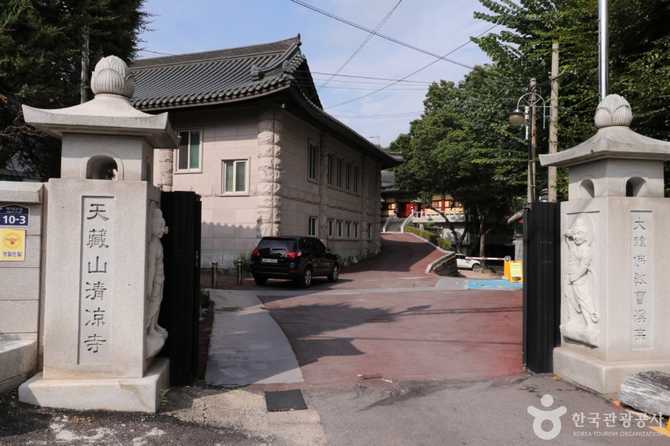
One of the significant historical moments associated with Cheongnyangsa was its connection to the late Joseon Dynasty and the subsequent modernization of Korea’s spiritual landscape. The temple was involved in the construction of Myeongseong Hwanghu’s royal tomb, Hongneung, which underscores its cultural importance. During the early 20th century, it also became a center for Buddhist reform movements, advocating for social justice, education, and national independence.
In the contemporary era, Cheongnyangsa continues to symbolize Korea’s enduring spiritual and cultural identity. It actively participates in cultural festivals, religious ceremonies, and community outreach programs. Its role as a sanctuary for meditation and reflection remains vital, attracting both devout practitioners and cultural tourists. The temple’s historical significance is preserved through its architecture, relics, and ongoing activities that honor Korea’s heritage.
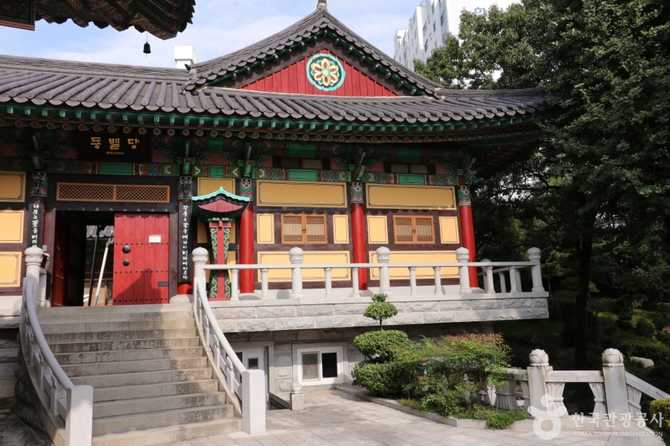
Precautions and Visitor Tips for Cheongnyangsa
- Respect the sacred environment: Maintain silence and behave respectfully within the temple grounds to preserve the peaceful atmosphere.
- Parking considerations: Parking space is limited; using public transportation is highly recommended to avoid inconvenience.
- Photography rules: Always seek permission before taking photos inside buildings or of monks and visitors to respect privacy and sacred customs.
- Check operating hours: Although the temple is open year-round 24/7, special ceremonies or events may alter usual accessibility; verify schedules beforehand.
- Dress appropriately: Wear modest and respectful attire, especially when entering indoor prayer halls or participating in ceremonies.
- Visitor safety: Be cautious when walking around temple structures; some areas may be uneven or restricted for safety reasons.
- Family visits: If visiting with children, supervise them closely and ensure they understand the importance of maintaining quiet and respectful behavior.
- Participate in cultural activities: Engage in temple programs or meditation sessions if available, but always follow instructions from temple staff or guides.
- Stay informed: For updates on special events, festivals, or temporary closures, consult the official website or contact the visitor center prior to your trip.
Whether you visit during the day or evening, Explore Cheongnyangsa Temple in Seoul is a meaningful stop on any Seoul itinerary for history-minded travelers.
Frequently Asked Questions (FAQ)
Q1: Is Cheongnyangsa Temple open year-round and free to visit?
Yes, Cheongnyangsa Temple is open year-round and accessible to visitors at any time. Entry is free, allowing guests to explore the temple grounds and enjoy its peaceful atmosphere without admission fees.
Q2: How can I get to Cheongnyangsa Temple using public transportation?
The temple is accessible via Seoul Subway Line 1 or 4. Visitors can get off at Cheongnyangni Station or Jegi Station and then walk or take local buses to reach the temple entrance.
Q3: Are there parking facilities available at Cheongnyangsa Temple?
Parking options are limited near the temple, so public transportation is recommended. Some parking may be available, but it can be crowded, especially on weekends and during special events.
Q4: What are the main architectural structures I should see at Cheongnyangsa?
Key buildings include the Geungnakbojeon (Paradise Hall), Kwanumjeon (Avalokitesvara Hall), Muryangsujeon (Infinite Life Hall), and the Daewoongjeon (Main Buddha Hall). These structures showcase traditional Korean Buddhist architecture and cultural significance.
Q5: Are there any facilities or amenities for families visiting Cheongnyangsa?
Yes, the temple offers family-friendly facilities such as a children’s playground, community center, and restrooms. Visitors are advised to maintain respectful behavior and dress appropriately during their visit.
Q6: Does Cheongnyangsa hold special events or ceremonies throughout the year?
Yes, the temple hosts various traditional ceremonies and special events. It is recommended to check the official website or contact the temple in advance for event schedules and any temporary closures.
Experience the Rich Heritage of Cheongnyangsa Temple in Seoul
Visiting Cheongnyangsa Temple in Seoul offers a unique opportunity to immerse yourself in Korea’s deep spiritual and cultural traditions right within the vibrant cityscape. This historic Buddhist temple, located in the heart of Seoul’s Dongdaemun District, is more than just a place of worship; it is a symbol of resilience, history, and harmony between tradition and modernity. As you explore its traditional architecture, including the iconic Geungnakbojeon (Paradise Hall) and the serene Muryangsujeon (Infinite Life Hall), you will gain insight into Korea’s rich religious heritage. The temple’s significance extends beyond its spiritual role, having served as a hub for independence movements and social change during turbulent times in Korea’s history.
Whether you seek peaceful reflection, cultural education, or a glimpse into Korea’s modern history, Cheongnyangsa Temple in Seoul provides a meaningful experience. Its accessible location, combined with family-friendly facilities and beautiful natural surroundings, makes it an ideal destination for travelers of all ages. Remember to check the temple’s operating hours and special event schedules before your visit to ensure a smooth and enriching experience. A trip to Cheongnyangsa is not just sightseeing; it is a journey into Korea’s spiritual heart and historical soul. Plan your visit today and discover the timeless beauty and profound significance of this treasured site in Seoul.