
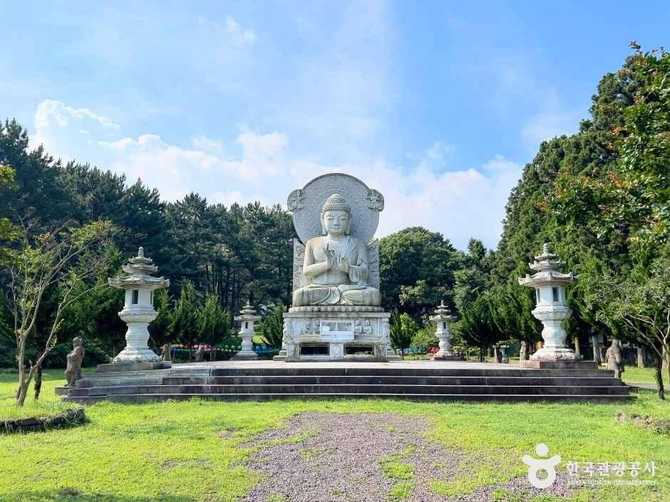
출처 : ⓒ한국관광콘텐츠랩 또는 ⓒ한국관광공사
Experience Korea’s Buddhist Heritage at Gwaneumsa Temple in Jeju
Location 제주특별자치도 제주시 산록북로 660
Location 제주특별자치도 제주시 산록북로 660
Are you seeking a tranquil escape that blends Korea’s rich Buddhist culture with stunning natural scenery? Gwaneumsa Temple in Jeju offers an authentic spiritual experience, immersive cultural programs, and breathtaking landscapes perfect for reflection and exploration.

At a glance
- Who this is for
-
- Travelers interested in Korean Buddhist history and culture
- Visitors seeking temple stay and meditation experiences
- Nature lovers wanting to enjoy traditional Korean temples amidst scenic landscapes
- Those curious about Jeju’s spiritual heritage and scenic spots
- Key takeaways
-
- Gwaneumsa Temple, rebuilt in 1908, is a historic center of Jeju Buddhism
- Located at the foot of Hallasan Mountain, offering various cultural programs
- Open year-round with temple stay, meditation, and mandala workshops
- Accessible via Jeju city, with parking and scenic surroundings
- Featured as a filming location for popular Korean dramas
- Tips & cautions
-
- Respect temple etiquette and natural environment during visits
- Check weather conditions before outdoor activities, especially fire-related seasons
- Pre-book programs such as temple stay and mandala workshops in advance
- Be mindful of restricted areas within the temple complex
- Bottom line
- Gwaneumsa Temple in Jeju is a historic and spiritual haven where visitors can enjoy Korea’s Buddhist traditions amid breathtaking natural scenery.
Discover the harmonious blend of tradition, nature, and spirituality at Gwaneumsa Temple in Jeju. This revered Buddhist temple, which has stood since 1908, is nestled at the base of Hallasan Mountain, offering a serene environment for reflection and cultural immersion. Whether you’re interested in participating in temple stay programs, practicing meditation, or simply exploring a site rich with legends and history, Gwaneumsa provides a meaningful experience for all visitors.
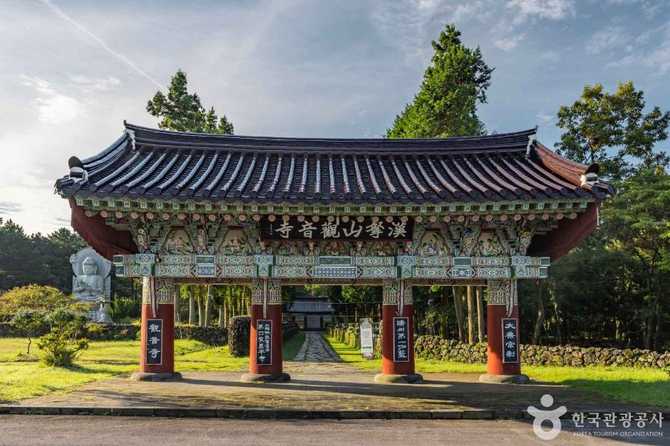
As one of Jeju’s most significant Buddhist sites, Gwaneumsa is more than just a temple—it’s a cultural landmark that embodies centuries of spiritual practice and local mythology. The temple’s scenic setting, combined with its modern offerings such as mandala drawing and night meditation, makes it an ideal destination for those seeking both relaxation and enlightenment. Visitors can enjoy the tranquil atmosphere, learn about Korea’s Buddhist heritage, and create lasting memories through various experiential activities.
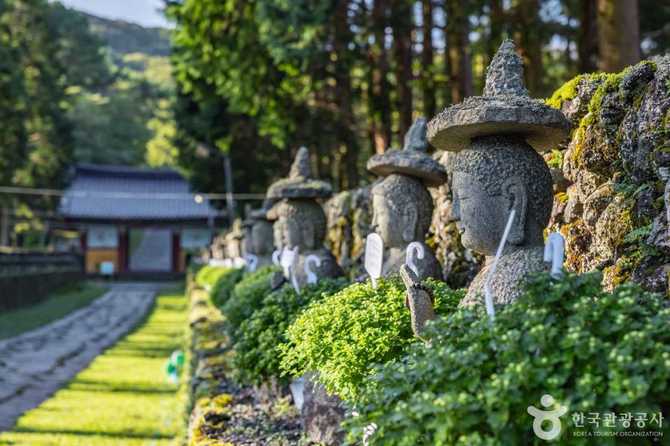
Whether you are a devout practitioner or a curious traveler, Gwaneumsa Temple invites you to explore Korea’s spiritual traditions in a peaceful, natural setting. Its accessibility from Jeju city, along with ample parking and scenic surroundings, ensures a convenient and enriching visit. Dive into Korea’s Buddhist culture and discover the stories and teachings that have shaped Jeju’s spiritual landscape for over a century.
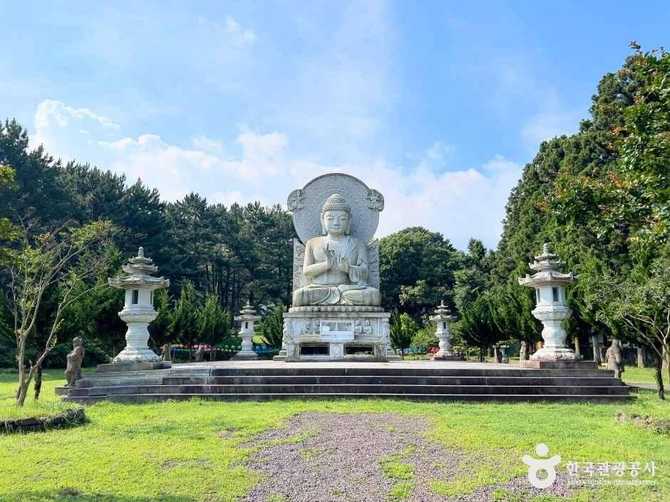
Gwaneumsa Temple Overview and Historical Background
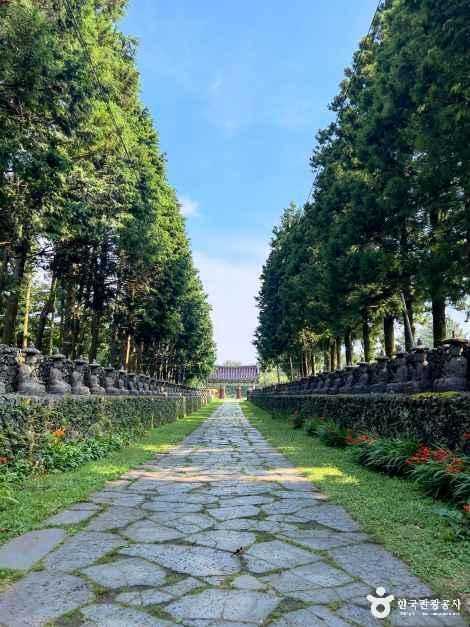
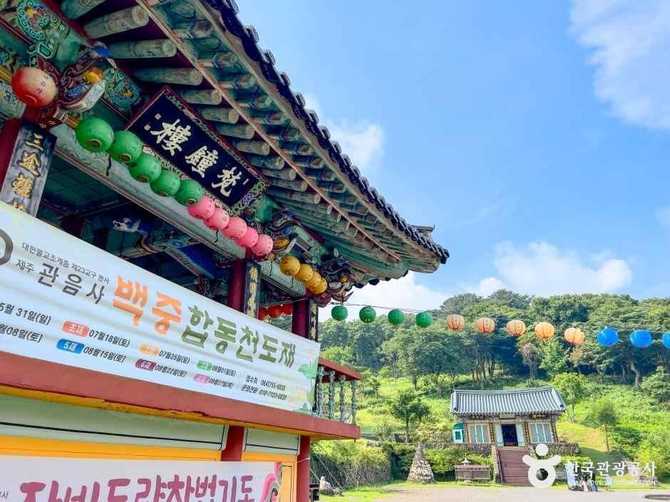
Gwaneumsa Temple in Jeju is a significant cultural and spiritual landmark that embodies Korea’s rich Buddhist heritage. Situated at the base of Hallasan Mountain, the highest peak in South Korea, this historic temple offers visitors a unique opportunity to experience traditional Korean Buddhism amidst stunning natural scenery. Originally established during the Goryeo Dynasty, Gwaneumsa was reconstructed in 1908 after a period of decline, reaffirming its role as a central hub for Buddhist practice on Jeju Island.
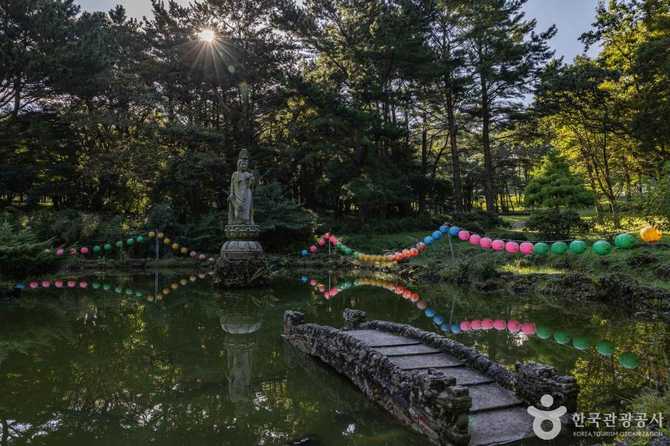
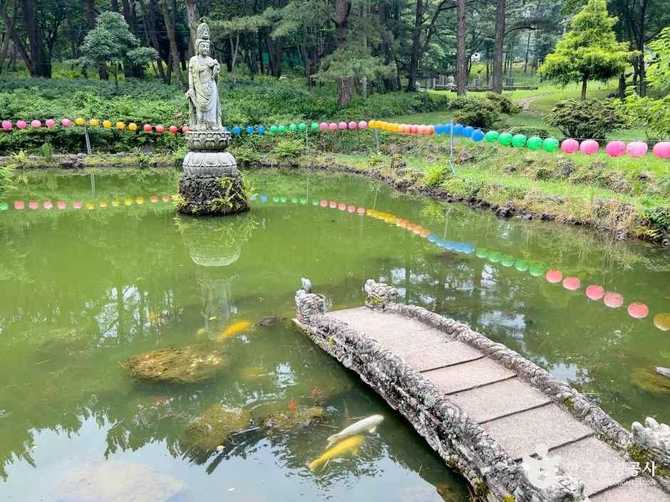
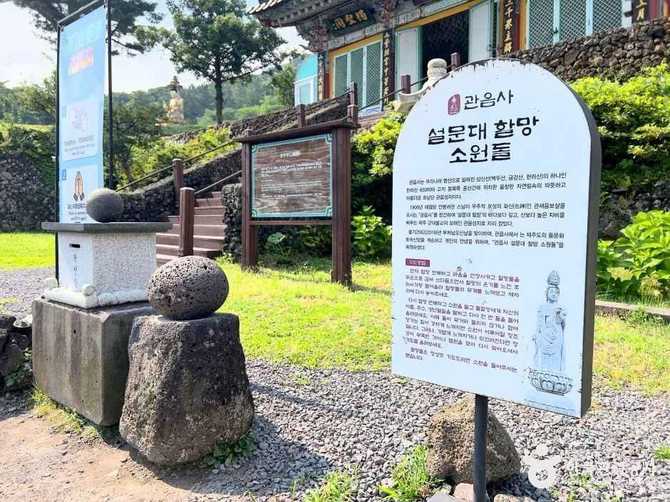
Throughout its long history, Gwaneumsa has been a place of worship, meditation, and cultural preservation. It is renowned for its harmonious integration with the surrounding landscape, featuring traditional architecture, serene courtyards, and lush greenery. The temple is dedicated to the Bodhisattva Gwan-eum (Kannon), symbolizing compassion and mercy, which resonates deeply with visitors seeking spiritual solace. The site is also steeped in local legends and myths, adding to its mystique and cultural importance.
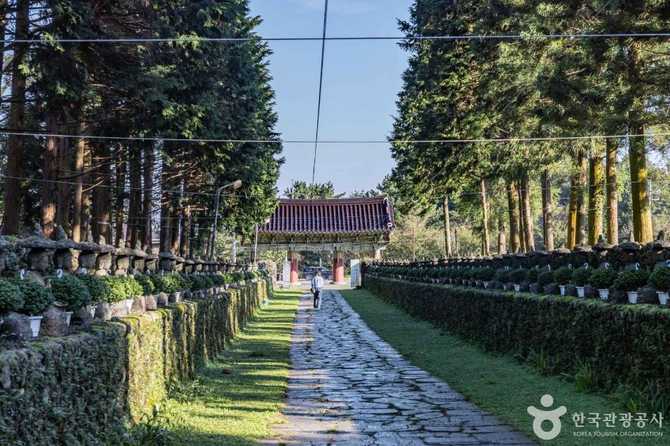
Today, Gwaneumsa continues to serve as an active temple that hosts various religious ceremonies, cultural events, and experiential programs like temple stays, meditation, and mandala art workshops. Its continuous operation throughout the year makes it accessible for travelers interested in exploring Korea’s Buddhist traditions firsthand. The temple’s location near Hallasan provides a tranquil environment ideal for reflection and connection with nature. Visiting Gwaneumsa offers an enriching experience, blending historical depth with modern spiritual practices, making it a must-visit destination for those interested in Korea’s religious and cultural landscape.
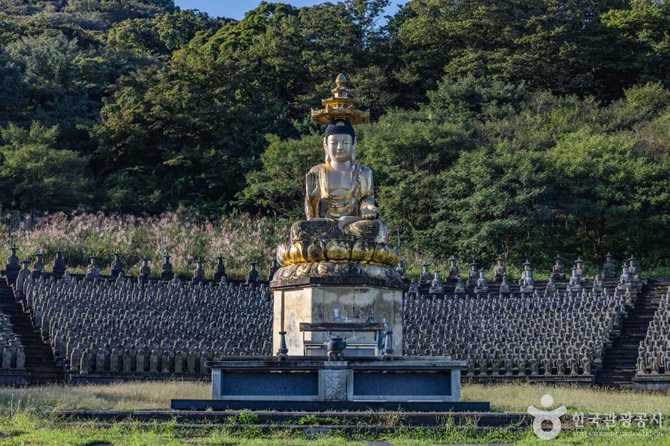
Comparison of Key Experience Programs at Gwaneumsa
| Program Name | Description | Availability & Notes |
|---|---|---|
| Temple Stay | Overnight accommodation in traditional temple rooms, combined with meditation, tea ceremony, and cultural activities that provide immersive Buddhist experiences. | Operates year-round; reservations required in advance. Suitable for those seeking deep spiritual engagement. |
| Night Meditation (달빛 동동) | An evening meditation session designed to promote relaxation and mindfulness under the moonlight, often including a short walk and chanting. | Seasonal; check schedule beforehand. Ideal for night owls or those interested in nocturnal meditation. |
| Mandala Workshop | Create intricate mandala art as a form of meditation and self-expression, guided by experienced monks or artists. | Requires prior booking; suitable for art lovers and spiritual seekers alike. |
| Seasonal Rituals and Ceremonies | Participate in traditional Buddhist rituals, such as offering ceremonies and prayer sessions, often aligned with lunar or solar calendars. | Open to visitors; check schedule for specific dates. |
Visitor Information and Access to Gwaneumsa Temple
- Address: Jeju Special Self-Governing Province, Jeju-si, Sanrokbuk-ro 660
- Contact Number: 064-724-6830
- Operating Hours: 09:00 AM to 06:00 PM, open year-round
- Transportation:
- By Car: Approximately 30 minutes from Jeju City. Ample free parking available on-site.
- Public Transit: Take a bus or taxi from Jeju City to the temple area. Confirm bus routes in advance as schedules may vary.
- Tips for Visitors:
Remember to arrive early to enjoy the serene environment and participate in scheduled programs. Be sure to respect temple etiquette, such as removing shoes before entering prayer halls and maintaining quietude during meditation sessions. If you plan to join specific programs like mandala workshops or temple stays, booking in advance is highly recommended to secure your spot. The temple is accessible throughout the year, but check weather conditions during winter or monsoon seasons for a comfortable visit.
Gwaneumsa Temple as a Popular Dramas’ Filming Location
Gwaneumsa Temple in Jeju is renowned not only for its spiritual significance but also for its picturesque scenery that has attracted numerous Korean drama productions. The temple’s harmonious blend of traditional architecture and stunning natural surroundings makes it an ideal backdrop for storytelling, capturing the serene and majestic atmosphere of Jeju’s landscape. Its popularity as a filming location has increased tourism, with many visitors eager to see the spots featured in their favorite dramas.
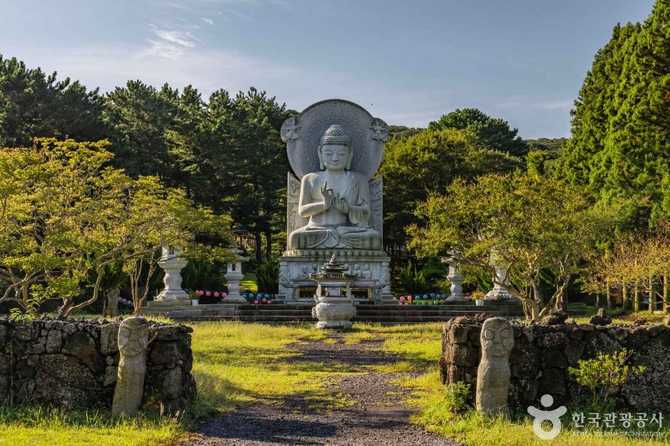
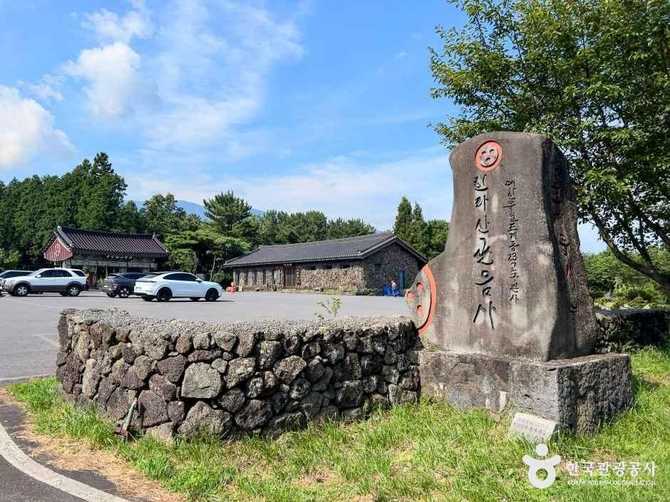
One of the most notable dramas filmed here is “Woo Young Woo,” which showcased the temple’s beautiful environment, further elevating its status as a cultural and scenic landmark. Tourists often visit Gwaneumsa to experience the same scenic spots seen on screen, taking photos and immersing themselves in the cinematic atmosphere. The site’s cinematic appeal adds a layer of cultural interest to the spiritual and historical significance of the temple, making it a must-visit for fans of Korean dramas and lovers of Korean culture alike.
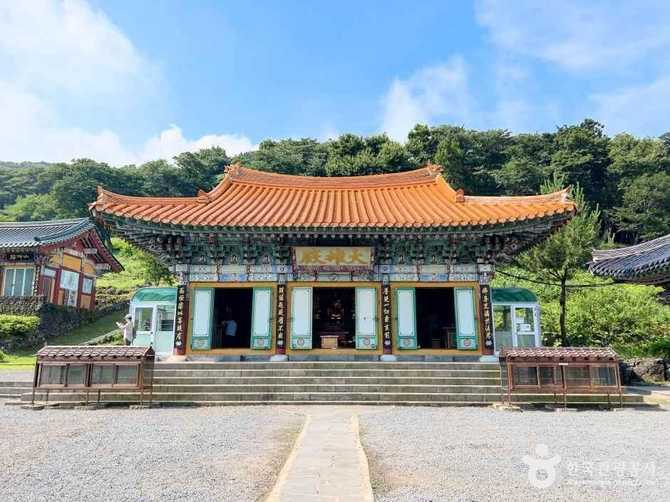
Visitor Tips and Precautions When Visiting Gwaneumsa
- Respect the temple’s customs and maintain quietude, especially during meditation and prayer times.
- Always remove your shoes before entering indoor prayer halls or designated areas, following the temple etiquette.
- If you wish to participate in specific programs such as mandala drawing or temple stay, make sure to book in advance to secure your spot.
- Check the weather forecast before your visit, especially during winter or monsoon seasons, to ensure a comfortable experience.
- Be mindful of restricted areas within the temple grounds and do not enter any zones marked off-limits.
- When visiting the filming locations or scenic spots, avoid disturbing the natural environment and follow designated paths.
- During natural disaster alerts such as fire risk seasons, adhere to safety instructions and avoid activities that could pose hazards.
- If you plan to take photographs, seek permission if required, especially for filming or professional photography inside the temple complex.
- Dispose of trash properly in designated bins to help preserve the pristine environment of the temple and its surroundings.
Whether you visit during the day or evening, Experience Korea’s Buddhist Heritage at is a meaningful stop on any Seoul itinerary for history-minded travelers.
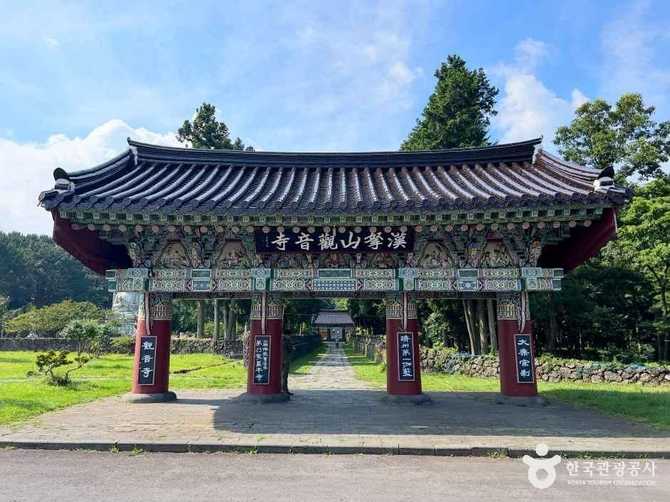
Frequently Asked Questions (FAQ)
Q1: When was Gwaneumsa Temple in Jeju originally established?
Gwaneumsa Temple was originally established during the Goryeo Dynasty and was reconstructed in 1908 after a period of decline, reaffirming its role as a central Buddhist site on Jeju Island.
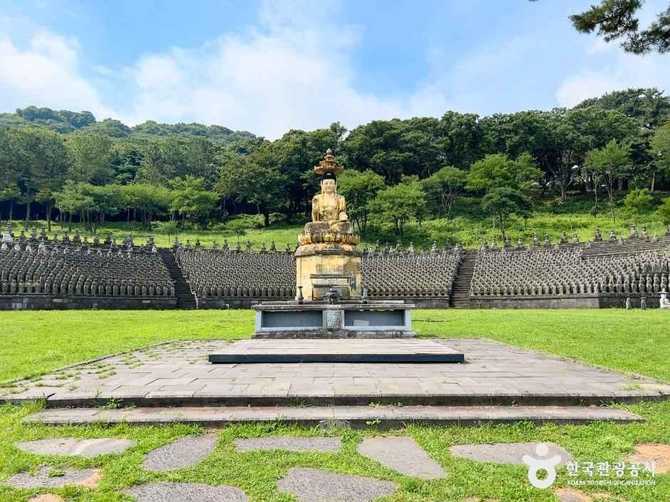
Q2: What are the main programs offered at Gwaneumsa Temple?
The temple offers various programs including temple stays, night meditation sessions, mandala art workshops, and participation in traditional Buddhist rituals and ceremonies throughout the year.
Q3: How can I reach Gwaneumsa Temple in Jeju?
The temple is approximately a 30-minute drive from Jeju City, with free parking available on-site. Public transportation options include buses and taxis; it is recommended to check bus routes in advance.
Q4: Is Gwaneumsa Temple open all year round?
Yes, Gwaneumsa operates year-round from 09:00 AM to 06:00 PM. Visitors can enjoy its cultural programs and natural scenery regardless of the season.
Q5: Why is Gwaneumsa Temple popular as a filming location?
The temple’s traditional architecture and scenic natural surroundings have made it a favored backdrop for Korean dramas, including “Woo Young Woo,” attracting many visitors who want to see the filming spots.
Q6: What precautions should I take when visiting Gwaneumsa Temple?
Visitors should respect temple customs, maintain quietness, remove shoes before entering prayer halls, and follow safety guidelines during outdoor activities. It is also advisable to check weather conditions before visiting, especially during winter or monsoon seasons.
Discover the Tranquil Beauty of Gwaneumsa Temple in Jeju
Visiting Gwaneumsa Temple in Jeju offers a unique opportunity to immerse yourself in Korea’s rich Buddhist heritage while enjoying the breathtaking natural scenery of Jeju Island. This historic temple, rebuilt in 1908, serves as a spiritual sanctuary nestled at the foot of Hallasan Mountain, providing a peaceful environment for reflection, meditation, and cultural exploration. Whether you’re interested in participating in temple stay programs, experiencing traditional meditation practices, or simply appreciating the scenic landscapes, Gwaneumsa provides a meaningful and enriching experience for all visitors.
The temple’s harmonious integration with Jeju’s natural environment makes it a perfect destination for those seeking tranquility and spiritual growth. Its accessibility from Jeju city, combined with ample parking and scenic surroundings, ensures a comfortable visit. Remember to respect local customs and temple etiquette during your stay, and consider booking programs in advance to fully enjoy the offerings. Whether you’re a devout practitioner or a curious traveler, exploring Gwaneumsa in Jeju will leave you with lasting memories, deepening your understanding of Korea’s Buddhist traditions and cultural heritage.
Ultimately, Gwaneumsa Temple in Jeju is more than just a place of worship; it is a cultural landmark where history, spirituality, and nature converge. Its picturesque setting and diverse experiential programs make it a must-visit destination for anyone wishing to connect with Korea’s spiritual roots while appreciating the island’s stunning landscapes. Plan your visit with care, respect the sacred environment, and embrace the peaceful atmosphere that makes Gwaneumsa a truly special place to experience Korea’s Buddhist culture firsthand.