
출처 : ⓒ한국관광콘텐츠랩 또는 ⓒ한국관광공사
Dobongsan Mountain Travel Guide: Discover Seoul’s Natural Gem
Location 서울특별시 도봉구 도봉동
Location 서울특별시 도봉구 도봉동
Looking for an escape into nature while visiting Seoul? Dobongsan Mountain offers breathtaking scenery, hiking trails, and scenic valleys perfect for outdoor enthusiasts and nature lovers alike. This comprehensive travel guide will help you explore Dobongsan’s top attractions, hiking routes, safety tips, and practical information to make your visit memorable and safe.
At a glance
- Who this is for
-
- Hikers and outdoor enthusiasts visiting Seoul and Gyeonggi Province
- Travelers seeking scenic natural landscapes and mountain views
- Nature lovers interested in waterfalls, valleys, and mountain peaks
- Visitors looking for free outdoor recreation spots near Seoul
- Key takeaways
-
- Located in Dobong-gu, Seoul, and extending into Uijeongbu and Yangju
- Highest peak: Jowonbong, with stunning panoramic views
- Popular spots include Manjangbong, Seoninbong, and Obang Valley
- Free entry, with parking and restroom facilities available
- Accessible year-round, but weather conditions may affect access
- Tips & cautions
-
- Check weather forecasts before hiking to ensure safety
- Wear suitable hiking gear, especially non-slip shoes
- Stay on designated trails and avoid dangerous rock formations
- Carry sufficient water and dispose of trash responsibly
- In case of emergency, contact local rescue services at 119
- Bottom line
- Dobongsan Mountain is a must-visit natural retreat near Seoul, perfect for hiking, scenic views, and outdoor relaxation.
Welcome to your ultimate guide to Dobongsan Mountain, one of Seoul’s most iconic natural landmarks. Whether you are an avid hiker, a nature photographer, or simply someone looking to unwind amidst lush scenery, Dobongsan offers a diverse range of trails, peaks, and valleys that showcase Korea’s stunning mountain landscapes. The mountain’s proximity to Seoul makes it an ideal destination for day trips, providing a refreshing escape from urban life while offering breathtaking vistas and tranquil valleys.

In this guide, we will cover everything you need to know about Dobongsan, including its main peaks, scenic valleys, hiking routes, safety tips, and practical visitor information. Discover the top spots like Jowonbong, Manjangbong, Seoninbong, and the beautiful valleys of Munsa-dong and Obang. Whether you are visiting during spring, summer, autumn, or winter, Dobongsan’s natural beauty is sure to impress. Prepare your gear, check the weather, and get ready to explore this remarkable mountain just a short drive from Seoul.
From easy trails suitable for beginners to challenging routes for seasoned hikers, Dobongsan provides options for all levels. Its scenic valleys and rocky peaks are perfect for photography, while the lush forests and clear streams offer peaceful spots for relaxation. Remember to follow safety guidelines and respect nature to ensure a safe and enjoyable experience. This guide aims to help you plan your trip efficiently and make the most of your outdoor adventure at Dobongsan Mountain.
Dobongsan Mountain Overview: Natural Beauty and Key Highlights
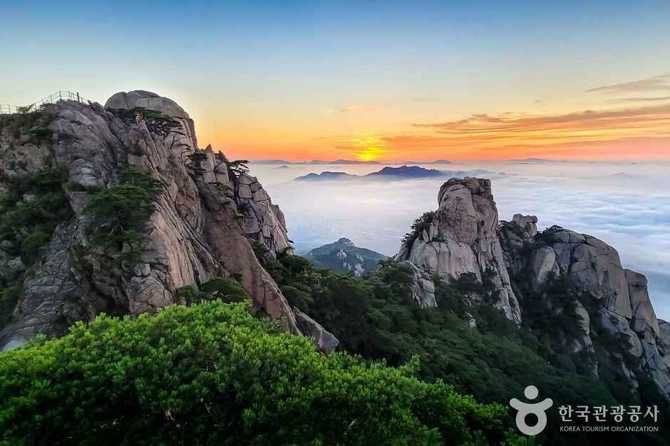
Dobongsan Mountain is one of Seoul’s most iconic natural attractions, renowned for its stunning scenery, diverse hiking trails, and scenic valleys. Located at the northern edge of Seoul, in Dobong-gu, this mountain offers a perfect escape into nature for outdoor enthusiasts and casual visitors alike. The focus keyword, Dobongsan mountain, encapsulates the essence of this natural wonder, which combines rugged peaks, lush forests, and tranquil streams. Its proximity to the city makes it an accessible destination for day-trippers seeking fresh air and panoramic views without traveling far from urban life.

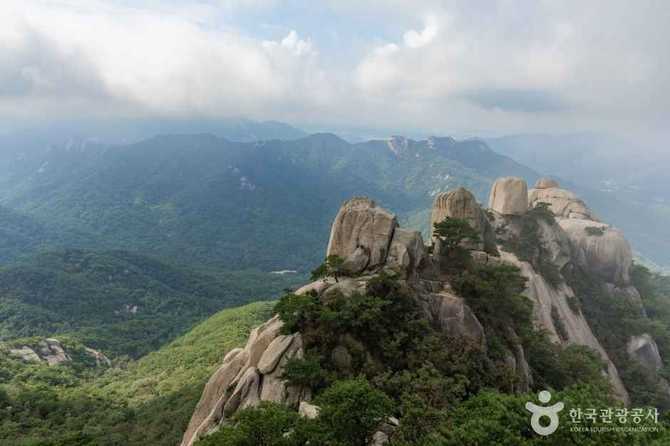
The mountain’s highest point is Jowonbong, which provides breathtaking vistas of Seoul and the surrounding region. Along the trails, hikers can explore prominent peaks such as Manjangbong, Seoninbong, and Obang. The mountain is also famous for its picturesque valleys, including Munsa-dong Valley, Obang Valley, and the scenic Obang Valley, each offering unique natural landscapes perfect for photography and relaxation. The area is rich in natural features like granite rock formations, clear streams, and dense forests, making it a favorite spot for nature lovers and outdoor adventurers.
Dobongsan mountain is part of the Bukhansan National Park, which extends into neighboring regions, connecting with other mountain ranges such as the Ui Ridge and Bukhansan. Its accessibility from Seoul’s city center makes it a popular destination for both casual hikers and experienced climbers. The mountain’s trails vary in difficulty, from gentle walks suitable for families to challenging climbs for seasoned hikers. Visitors can enjoy a variety of outdoor activities, including mountain climbing, trail running, and nature photography.
Overall, Dobongsan mountain offers a harmonious blend of natural beauty, outdoor recreation, and cultural significance, making it a must-visit destination for anyone exploring Seoul’s outdoor attractions. Whether you’re seeking a peaceful retreat or an exhilarating adventure, Dobongsan provides an unforgettable experience immersed in Korea’s stunning mountain landscapes.

Comparison of Key Peaks and Scenic Valleys in Dobongsan Mountain
| Feature | Description | Highlights |
|---|---|---|
| Jowonbong (Highest Peak) | The tallest summit in Dobongsan, offering panoramic views of Seoul and surrounding mountains. | Spectacular cityscape views, accessible via multiple trails, popular for sunrise hikes. |
| Manjangbong | An iconic rocky peak known for its unique granite formations and scenic outlook. | Great for photography, offers stunning vistas, connected by well-maintained trails. |
| Seoninbong | A prominent summit with a wide observation deck and scenic views of Seoul and Bukhansan. | Ideal for casual hikers, with relatively easy access and beautiful sunset scenery. |
| Obang Valley | A lush valley featuring clear streams, waterfalls, and dense forest trails. | Perfect for nature walks, picnics, and relaxing amidst natural surroundings. |
| Munsa-dong Valley | A scenic valley renowned for its pristine water streams and rocky formations. | Popular for hiking, photography, and enjoying peaceful natural scenery. |
Visitor Access and Practical Tips for Dobongsan Mountain
- Transportation: Take Seoul Subway Line 1 or 7 to Dobong Station, then transfer to bus or taxi to the mountain entrance.
- Entry Point: Main trailheads are accessible from Dobong Station, with parking lots available nearby for visitors arriving by car.
- Operating Hours: Dobongsan is open year-round, 24/7, but trail conditions and accessibility may vary depending on weather.
- Facilities: Restrooms, parking, and information centers are available at the main trailheads. Check for facilities at specific trail entrances.
- Guided Tours: For beginners or those unfamiliar with the area, guided hikes and tours are available through local operators.
- Safety Reminder: Stick to marked trails, avoid dangerous rock formations, and do not hike alone if unfamiliar with the terrain.
- Emergency: In case of accidents or emergencies, call 119 for rescue services or visit nearby information centers for assistance.
- Environmental Care: Carry out all trash, avoid disturbing wildlife, and stay on designated paths to preserve the natural environment.
Safety Tips & Precautions for Visiting Dobongsan Mountain
- Check Weather Conditions: Always review the weather forecast before heading out. Mountain weather can change rapidly, and heavy rain or snow can make trails dangerous or inaccessible.
- Wear Appropriate Gear: Use sturdy, non-slip hiking shoes to prevent falls on rocky or muddy paths. Dress in layers suitable for the season, and carry rain gear if necessary.
- Stay on Marked Trails: Straying from designated paths can lead to accidents or environmental damage. Follow trail signs and markers closely.
- Be Cautious on Rocky and Slippery Sections: Exercise extra caution when traversing steep, rocky, or wet areas, especially near waterfalls or streams.
- Carry Sufficient Supplies: Bring enough water, snacks, and a basic first aid kit. Hydration and nutrition are essential for safe hiking.
- Hike with a Companion: If you’re unfamiliar with the trails, consider joining a guided tour or hiking with a group. Avoid hiking alone, especially on challenging routes.
- Respect Wildlife and Environment: Do not disturb animals or plants. Carry out all trash and avoid damaging natural features.
- Emergency Preparedness: Know how to contact rescue services (119 in Korea). Carry a fully charged mobile phone and a portable charger.
- Follow Safety Guidelines: Adhere to park regulations and safety instructions provided at trailheads or information centers.
- Avoid Overexertion: Choose trails suitable for your fitness level. Rest when needed and do not push beyond your limits.
Core Highlights of Dobongsan Trip: Essential Checklist
- Visit Jowonbong, the highest peak, for panoramic views of Seoul and beyond.
- Capture scenic photos at Manjangbong and Seoninbong, famous for their striking rock formations and vistas.
- Explore the lush valleys, including Obang Valley and Munsa-dong Valley, for peaceful natural scenery.
- Use public transportation to reach Dobong Station, then access trailheads by bus or taxi.
- Check weather conditions before your hike to ensure safety and optimal visibility.
- Wear suitable hiking footwear with good grip and carry essentials like water, snacks, and a map.
- Follow designated trails and avoid dangerous rock formations or off-limit areas.
- Respect natural surroundings by cleaning up trash and not disturbing wildlife.
- In case of emergencies, contact rescue services at 119 or visit nearby information centers.
- Enjoy the scenic valleys, mountain peaks, and panoramic views for a memorable outdoor experience.
Whether you visit during the day or evening, Dobongsan Mountain Travel Guide is a meaningful stop on any Seoul itinerary for history-minded travelers.
Frequently Asked Questions (FAQ)
Q1: Where is Dobongsan Mountain located?
Dobongsan Mountain is situated at the northern edge of Seoul, within Dobong-gu, and extends into Uijeongbu and Yangju in Gyeonggi Province. It is easily accessible from Seoul’s city center, making it a popular outdoor destination.
Q2: What is the highest peak of Dobongsan Mountain?
The highest point on Dobongsan is Jowonbong, which offers panoramic views of Seoul and surrounding mountains. It is a key destination for hikers seeking scenic vistas.
Q3: Are there any famous valleys or streams in Dobongsan?
Yes, Dobongsan features several scenic valleys such as Munsa-dong Valley, Obang Valley, and Oibong Valley, known for their clear streams, waterfalls, and lush forests. These spots are ideal for relaxation and nature photography.

Q4: Is there an entrance fee to visit Dobongsan Mountain?
No, Dobongsan Mountain is free to access. It operates year-round without an entrance fee, and parking facilities and restrooms are available at the trailheads.
Q5: How can I get to Dobongsan Mountain from Seoul?
You can reach Dobongsan by taking Seoul Subway Line 1 or 7 to Dobong Station, then transferring to a bus or taxi to the mountain entrance. Parking is also available for visitors arriving by car.
Q6: When is the best time to visit Dobongsan Mountain?
The optimal seasons are spring and autumn when the weather is mild and the scenery is particularly beautiful. Be sure to check the weather forecast before your trip to ensure safe and enjoyable hiking conditions.
Conclusion: Experience the Natural Beauty of Dobongsan Mountain
Exploring Dobongsan mountain offers a perfect blend of outdoor adventure, scenic beauty, and cultural significance, making it a must-visit destination for travelers near Seoul. Whether you are seeking a challenging hike to reach the summit of Jowonbong or prefer a relaxing walk along the tranquil valleys like Obang and Munsa-dong, this mountain provides diverse options for all levels of outdoor enthusiasts. Its proximity to the city allows for easy access, enabling visitors to enjoy a refreshing escape into nature without extensive travel.
Remember to plan your visit with safety in mind—check the weather forecast, wear appropriate gear, and stay on designated trails. The natural scenery, including rocky peaks, lush forests, and clear streams, promises unforgettable views and peaceful moments. Capture stunning photographs of the mountain’s iconic peaks and valleys, and take time to relax by the scenic waterfalls and streams. Respect the environment by disposing of trash properly and avoiding disturbance to wildlife, ensuring that future visitors can also enjoy the pristine beauty of Dobongsan mountain.
Ultimately, a trip to Dobongsan mountain is more than just a hike; it’s an opportunity to reconnect with nature, unwind from urban life, and appreciate Korea’s stunning natural landscapes. Whether you’re visiting for a day or planning a longer outdoor adventure, this mountain’s breathtaking views and peaceful environment will leave you refreshed and inspired. Make sure to prepare well, follow safety guidelines, and savor every moment of your experience in this remarkable natural wonder near Seoul. Your memorable journey into Korea’s scenic outdoors begins here with Dobongsan mountain.