

출처 : ⓒ한국관광콘텐츠랩 또는 ⓒ한국관광공사
Discover Namtaryeong Pass: A Scenic Trail Rich in History and Nature
Location 서울특별시 관악구 남현동
Location 서울특별시 관악구 남현동
Are you looking for a scenic walking trail that combines Korea’s historical significance with stunning natural scenery? Namtaryeong Pass offers visitors a unique experience where history and nature intertwine, making it an ideal destination for outdoor enthusiasts and culture seekers alike.
Located on the border between Seoul and Gyeonggi Province, Namtaryeong Pass is a well-preserved historical mountain pass that has served as a crucial route since the Joseon Dynasty. Today, it has been transformed into a beautiful walking trail, allowing visitors to enjoy a leisurely hike while immersing themselves in Korea’s rich cultural heritage and scenic landscapes.
At a Glance
- Who this is for
-
- Travelers seeking historical and natural experiences in Korea
- Nature lovers interested in scenic walking trails
- Families and friends looking for easy, enjoyable hikes
- History and culture enthusiasts exploring Korea’s past
- Key takeaways
-
- Location: Gyeonggi Province, spanning Gwanak-gu, Seoul, and Gwacheon City
- Elevation: 183 meters above sea level
- Historical significance: Served as a major gateway during Joseon Dynasty
- Current use: Part of a scenic walking trail called the Namtaryeong Trail
- Trail length: Approximately 6.6 km with gentle slopes
- Tips & cautions
-
- Check weather conditions before hiking, as the trail can be slippery when wet
- Wear comfortable shoes suitable for walking or light hiking
- Carry water and sun protection, especially during summer
- Follow trail signs and stay on designated paths to protect the environment
- Bottom line
- Enjoy Korea’s natural beauty and historical heritage at Namtaryeong Pass, a scenic trail suitable for all ages and fitness levels.
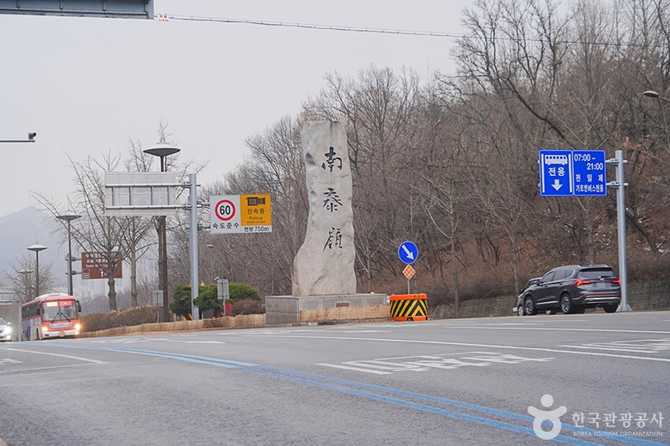
Namtaryeong Pass is a historic mountain pass nestled on the ridge of Gwanaksan Mountain, connecting Seoul’s Gwanak District with Gwacheon City. Once a vital route during the Joseon Dynasty, it played a key role in transportation and communication between Seoul and the southern regions of Korea. Today, this area has been transformed into a popular walking trail that offers a peaceful escape into nature while allowing visitors to reflect on Korea’s rich history.
The trail spans approximately 6.6 km, featuring gentle slopes and scenic views that make it accessible for most visitors. As you walk along the trail, you can enjoy panoramic vistas of Seoul and the surrounding mountains, as well as discover historical sites related to Korea’s past. Whether you are interested in hiking, history, or simply enjoying nature, Namtaryeong Pass provides a perfect setting for a memorable outdoor experience.
If you plan to visit, it’s helpful to learn about the trail’s history, prepare suitable clothing and gear, and check local weather forecasts. This way, you can make the most of your visit and enjoy a safe, enriching walk through Korea’s scenic and historic landscape.
Overview of Namtaryeong Pass: A Historic and Natural Trail
Namtaryeong Pass is a significant mountain pass located on the border between Seoul and Gyeonggi Province, offering visitors a unique blend of Korea’s rich history and scenic natural beauty. This historic site, once a crucial transportation route during the Joseon Dynasty, now serves as a popular walking trail where visitors can enjoy leisurely hikes amidst lush landscapes and discover Korea’s cultural heritage. The pass is situated on the ridge of Gwanaksan Mountain, at an elevation of 183 meters, making it accessible for hikers of various skill levels.
Historically, Namtaryeong Pass played a vital role as a gateway connecting Seoul with the southern regions, including Gwacheon and Gyeonggi Province. During the Joseon era, it was a key route for officials and travelers moving between the capital and other parts of Korea. The pass was also known as Yeowugogae, reflecting its importance in Korea’s transportation network. Over time, the route evolved from narrow paths to wider roads, especially during the Japanese occupation, which expanded the road infrastructure. Today, the area has been transformed into a scenic trail called the Namtaryeong Trail, allowing visitors to walk along the historic route while enjoying panoramic views of Seoul and the surrounding mountains.
The trail spans approximately 6.6 kilometers, featuring gentle slopes and well-maintained pathways. It is suitable for families, casual hikers, and those interested in Korea’s history. Along the trail, visitors can find historical markers, scenic viewpoints, and natural scenery, making it an ideal destination for outdoor recreation and cultural exploration. Whether you are interested in learning about Korea’s past or simply want to enjoy a peaceful walk in nature, Namtaryeong Pass offers an enriching experience that combines history and natural beauty seamlessly.

Comparison of Namtaryeong Trail and Gwanaksan Scenic Walk
| Trail Name | Main Features | Distance | Difficulty | Highlights |
|---|---|---|---|---|
| Namtaryeong Trail | Historical route with scenic views, gentle slopes, well-maintained paths | Approximately 6.6 km | Easy to Moderate | Historical markers, panoramic city views, lush nature |
| Gwanaksan Scenic Walk | Mountain trail with diverse terrain, scenic viewpoints, natural forest | Varies, typically 5-10 km depending on route | Moderate to Difficult | Spectacular mountain vistas, rock formations, diverse flora and fauna |
Visitor Preparation and Safety Checklist for Namtaryeong Pass
- Wear comfortable, sturdy walking shoes or hiking boots suitable for uneven terrain.
- Bring sufficient water to stay hydrated during your walk.
- Dress appropriately for the weather, including sun protection or rain gear as needed.
- Carry a map or use a mobile app to follow trail signs and avoid getting lost.
- Prepare a small first aid kit for minor injuries or emergencies.
- Check the weather forecast before your visit to avoid slippery conditions caused by rain or snow.
- Start your hike early in the day to enjoy cooler temperatures and avoid crowds.
- Follow trail signs and stay on designated paths to protect the environment and preserve the trail.
Precautions and Safety Guidelines for Visiting Namtaryeong Pass
- Weather Awareness: Always check the weather forecast before your visit. Rain, snow, or fog can make the trail slippery and reduce visibility, increasing the risk of accidents.
- Proper Footwear: Wear sturdy, comfortable hiking shoes or walking boots that provide good grip and ankle support, especially if you plan to explore more challenging sections.
- Trail Conditions: Be mindful of trail conditions, particularly after heavy rain or snowfall. Wet surfaces can be slippery, so walk carefully and avoid rushing.
- Sun and Heat Protection: During hot days, wear a hat, sunglasses, and apply sunscreen to prevent sunburn and heat exhaustion.
- Hydration and Nutrition: Carry enough water and some light snacks to stay energized and hydrated throughout your walk.
- Environmental Responsibility: Always dispose of trash properly and respect the natural environment. Use designated bins and avoid disturbing wildlife.
- Safety in Numbers: It is safer to hike with a group or at least one companion. Inform someone of your planned route and expected return time.
- Emergency Preparedness: Carry a small first aid kit, a fully charged mobile phone, and know the location of the nearest help centers or emergency contacts.
Visitor Safety Checklist for Namtaryeong Pass
- Wear comfortable, sturdy hiking shoes or walking boots suitable for uneven terrain.
- Bring sufficient water to stay hydrated during your walk.
- Dress appropriately for the weather, including sun protection or rain gear as needed.
- Carry a map or use a mobile app to follow trail signs and avoid getting lost.
- Prepare a small first aid kit for minor injuries or emergencies.
- Check the weather forecast before your visit to avoid slippery conditions caused by rain or snow.
- Start your hike early in the day to enjoy cooler temperatures and avoid crowds.
- Follow trail signs and stay on designated paths to protect the environment and preserve the trail.
Whether you visit during the day or evening, Discover Namtaryeong Pass is a meaningful stop on any Seoul itinerary for history-minded travelers.
Frequently Asked Questions (FAQ)
Q1: Where is Namtaryeong Pass located?
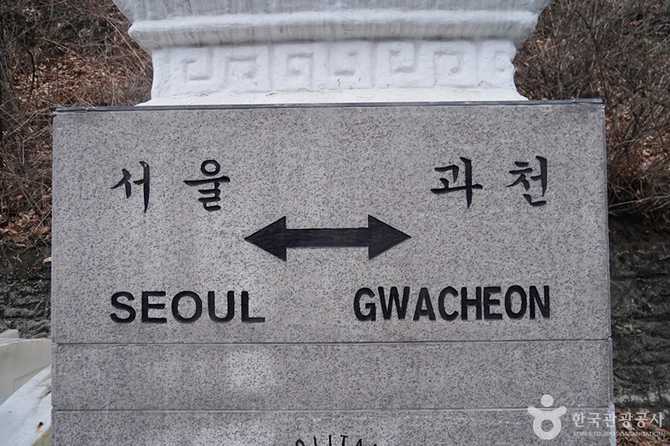
Answer: Namtaryeong Pass is situated on the border between Seoul’s Gwanak District and Gyeonggi Province’s Gwacheon City, on the ridge of Gwanaksan Mountain. Its address is in Namhyeon-dong, Seoul.
Q2: What is the historical significance of Namtaryeong Pass?
Answer: Historically, Namtaryeong Pass served as a key gateway during the Joseon Dynasty, connecting Seoul with the southern regions. It was also known as Yeowugogae and was a crucial route for officials and travelers.
Q3: How long is the Namtaryeong Trail and is it suitable for casual hikers?
Answer: The trail is approximately 6.6 kilometers long, featuring gentle slopes, making it suitable for families, casual hikers, and those interested in Korea’s history and nature.
Q4: What should I prepare before visiting Namtaryeong Pass?
Answer: Visitors should wear comfortable walking shoes, bring water, dress appropriately for the weather, and carry a map or use a mobile app to follow trail signs for safety and convenience.
Q5: Is Namtaryeong Pass open year-round and free to visit?
Answer: Yes, Namtaryeong Pass is open year-round and is free for visitors to enjoy at any time, making it accessible for spontaneous visits and outdoor recreation.
Q6: What safety precautions should I keep in mind when visiting Namtaryeong Pass?
Answer: Visitors should check weather conditions beforehand, wear proper footwear, stay on designated paths, carry emergency supplies, and avoid hiking in extreme weather to ensure safety.
Final Tips for Visiting Namtaryeong Pass
Exploring 남태령고개 offers a wonderful opportunity to enjoy Korea’s rich history and stunning natural scenery all in one place. To make your visit as enjoyable and safe as possible, it’s important to prepare adequately. Be sure to wear comfortable, sturdy shoes suitable for walking on uneven terrain, and carry enough water to stay hydrated throughout your hike. Checking the weather forecast beforehand is essential, especially during rainy or snowy seasons, as trail conditions can become slippery and hazardous. Bringing a map or using a mobile app can help you stay on the right path and fully enjoy the scenic views along the trail. Remember to respect the environment by disposing of trash properly and avoiding disturbance to wildlife. If you’re visiting with family or friends, hiking together ensures safety and adds to the enjoyment of the experience. With proper preparation, your walk along the scenic route at 남태령고개 will be a memorable journey into Korea’s natural and historical heritage. Take your time, enjoy the peaceful surroundings, and cherish the moment of discovering this special trail.