
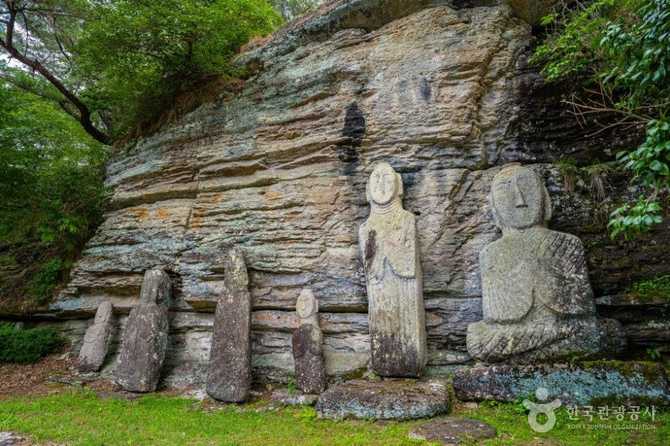
Discover the Unique Geological Features of Unju Temple and Its Stratified Tuff in Mudeungsan National Geopark
Are you interested in exploring Korea’s natural geological heritage? Visiting Unju Temple offers a rare opportunity to witness striking stratified tuff formations created during the Cretaceous period, a key part of Mudeungsan National Geopark. This site is recognized for its exceptional geological significance, showcasing natural rock structures that tell the story of volcanic activity millions of years ago. Whether you’re a geology enthusiast, a traveler seeking cultural and natural insights, or a researcher studying volcanic formations, understanding the geological features around Unju Temple enriches your experience.
Unju Temple and its surrounding stratified tuff are part of Korea’s designated national geopark, highlighting their importance in Earth’s natural history. The volcanic ash layers, shaped by ancient eruptions, have been naturally preserved and utilized in cultural artifacts such as stone Buddha statues and pagodas. This region’s geological characteristics contribute to its UNESCO recognition as a global geopark, emphasizing the value of its unique rock formations and their historical applications.
At a glance
- Who this is for
-
- Travelers interested in geology and natural history
- Visitors exploring Unju Temple and Mudeungsan National Geopark
- Researchers studying volcanic rock formations and cultural uses
- Key takeaways
-
- Stratified tuff formed during the Cretaceous volcanic activity
- Rock layers used historically for Buddha statues and pagodas
- Recognized as part of UNESCO World Geopark for its geological significance
- Easy access with free admission, open year-round
- Natural rock is fragile; caution needed during collection and viewing
- Tips & cautions
-
- Handle rocks carefully to prevent damage
- Avoid removing rocks to preserve the site’s integrity
- Respect natural environment and dispose of trash properly
- Follow safety signs and guidelines for a safe visit
- Bottom line
- Unju Temple’s stratified tuff offers a unique gateway to Korea’s geological past and cultural heritage, making it a must-visit site for natural history enthusiasts and travelers alike.
Exploring the geological features around Unju Temple provides insight into the volcanic activity that shaped this region during the Cretaceous period. The layered volcanic ash, or stratified tuff, is a natural monument that illustrates the dynamic processes of Earth’s crust. These formations are not only scientifically valuable but have also been historically utilized in local cultural artifacts, demonstrating a harmonious relationship between natural geology and human craftsmanship.
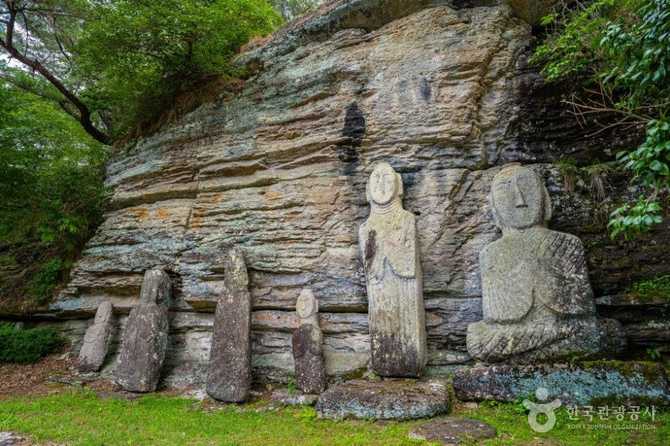
Understanding the formation and significance of stratified tuff enhances visitors’ appreciation of the site’s natural beauty and historical importance. The site’s recognition as a UNESCO global geopark underscores its importance in global geological conservation efforts. Visitors can observe the delicate layers of volcanic ash, learn about their formation process, and see how these natural materials have been used in traditional Korean stone sculptures and religious artifacts.
Geological Features of Unju Temple and Its Stratified Tuff
The geological features surrounding Unju Temple are a remarkable testament to Korea’s volcanic past, especially the stratified tuff formations that are a key focus of the Mudeungsan National Geopark. This region’s stratified tuff, formed during the Cretaceous period, provides valuable insights into ancient volcanic activity. The stratified tuff is a type of volcanic rock characterized by its layered appearance, created when volcanic ash and debris settle in successive layers during eruptions. These layers have been naturally preserved over millions of years, making them an exceptional natural monument for geologists and visitors alike.
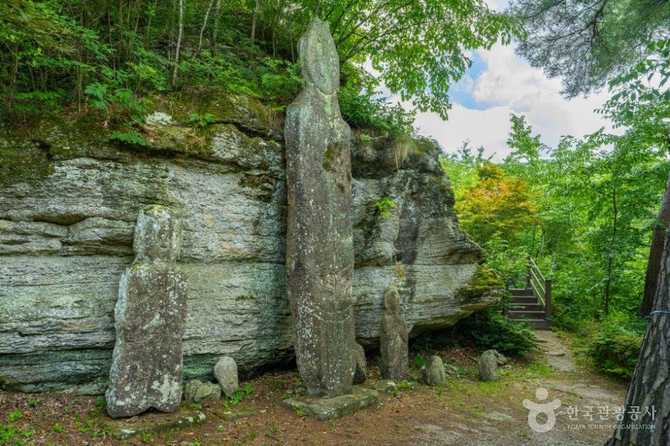
The stratified tuff at Unju Temple is particularly notable because it was used historically in the creation of stone Buddha statues and pagodas. The volcanic ash layers, once considered merely natural debris, were carefully collected and crafted into religious artifacts, illustrating the harmonious relationship between natural geology and cultural heritage. The rocks are relatively soft and porous, which makes them easy to carve but also fragile, requiring careful handling. The layered structure also reveals the dynamic processes of volcanic eruptions, with each layer representing a different phase of activity. These features are not only scientifically valuable but also culturally significant, as they embody Korea’s historical utilization of natural materials.
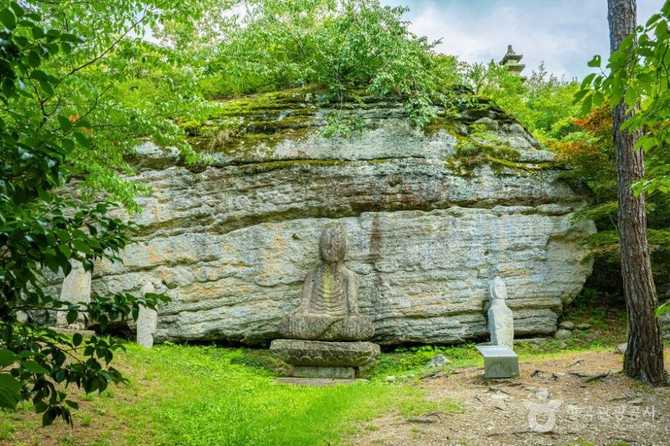
Recognized as part of the UNESCO World Geopark, the site emphasizes the importance of preserving these unique geological features. Visitors can observe the natural stratification firsthand, gaining a deeper appreciation of Earth’s volcanic history. The surrounding landscape, with its rugged rocks and layered formations, offers an immersive experience into the Earth’s geological processes. As a natural heritage site, the stratified tuff at Unju Temple continues to attract researchers and tourists who seek to understand the Earth’s dynamic history and its cultural implications.
Comparison of Geological Features and Historical Uses of Stratified Tuff
| Feature | Description | Historical Use |
|---|---|---|
| Formation | Layered volcanic ash accumulated during Cretaceous eruptions, forming stratified tuff. | Natural formation over millions of years, preserved as a geological monument. |
| Physical Characteristics | Porous, soft, easily carved, and fragile; displays distinct layered structure. | Material used for creating religious statues and pagodas due to its carveability. |
| Cultural Significance | Represents Korea’s historical utilization of volcanic rocks in religious art. | Stone Buddha statues and pagodas crafted from stratified tuff, showcasing cultural heritage. |
| Preservation & Conservation | Fragile and susceptible to weathering; requires careful handling and preservation efforts. | Ongoing efforts needed to prevent natural erosion and maintain cultural artifacts. |
Historical Use of Stratified Tuff in Cultural Artifacts: Checklist & Precautions
- Material Selection: Use locally sourced stratified tuff for carving religious statues and pagodas.
- Carving Technique: Employ gentle tools suitable for soft, porous rocks to prevent breakage.
- Adhesion & Assembly: Use appropriate natural or modern adhesives to join pieces securely.
- Handling & Storage: Handle with care to avoid chipping or cracking; store in stable environments.
- Preservation: Apply protective coatings or treatments to reduce weathering effects.
Following these guidelines ensures the preservation of this valuable geological and cultural heritage for future generations while allowing meaningful engagement with Korea’s natural history.
Visitor Information and Access to Unju Temple and Its Geological Features
| Aspect | Details |
|---|---|
| Location | No. 91-44, Cheontae-ro, Doyam-myeon, Hwasun-gun, Jeollanam-do, South Korea |
| Operating Hours | Open year-round, 24 hours, no restrictions |
| Admission Fee | Free of charge |
| Facilities | Parking available, restrooms on-site |
| Contact | 061-374-0660 |
| Accessibility | Accessible by car; walking paths available for viewing geological features |
Precautions and Conservation Tips for Visiting Unju Temple and Its Geological Features
- Handle with Care: The stratified tuff and other geological features are fragile; avoid touching or climbing on rocks to prevent damage.
- Respect Natural Environment: Do not remove rocks or disturb the site; preserve its natural state for future visitors.
- Waste Management: Dispose of trash properly; keep the area clean and free from litter.
- Follow Safety Guidelines: Observe posted signs and instructions; stay within designated viewing areas to ensure safety.
- Weather Precautions: Be cautious during rainy or windy weather, as rocks can become slippery or unstable.
- Photography Etiquette: Use caution when taking photos; avoid placing equipment in unstable positions near fragile rocks.
- Legal Compliance: Do not attempt to collect or carve rocks without proper permissions; unauthorized activities are prohibited and may result in penalties.
Whether you visit during the day or evening, Discover the Unique Geological Features is a meaningful stop on any Seoul itinerary for history-minded travelers.
Frequently Asked Questions (FAQ)
Q1: When was the stratified tuff around Unju Temple formed?
The stratified tuff near Unju Temple was formed during the Cretaceous period, approximately 100 to 66 million years ago, through volcanic eruptions that deposited layers of volcanic ash.
Q2: How were the stone Buddha statues and pagodas made using stratified tuff?
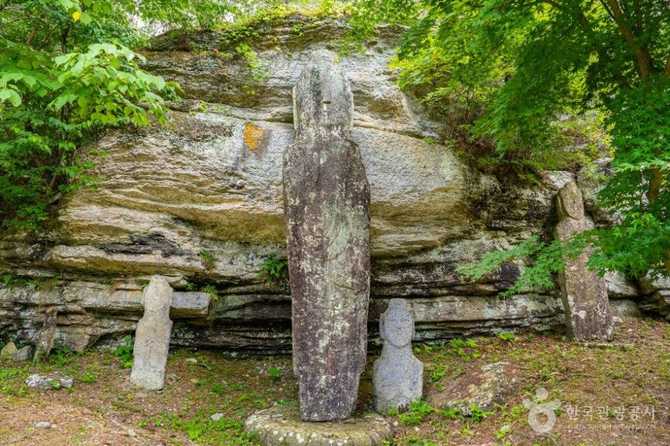
These artifacts were crafted by carefully carving the soft, porous stratified tuff layers, then assembling or attaching the pieces using natural or modern adhesives, leveraging the rock’s ease of carving.
Q3: Why is Unju Temple and its geological features recognized as part of a UNESCO World Geopark?
The site is recognized for its well-preserved stratified tuff formations that reveal Korea’s volcanic history and cultural use, exemplifying global geological significance and natural heritage.

Q4: What are the key characteristics of the stratified tuff used in cultural artifacts?
Stratified tuff is a layered, porous, and relatively soft volcanic rock that is easily carved but fragile, making it suitable for traditional Korean stone sculptures and religious artifacts.
Q5: Can I visit Unju Temple and its geological features year-round for free?
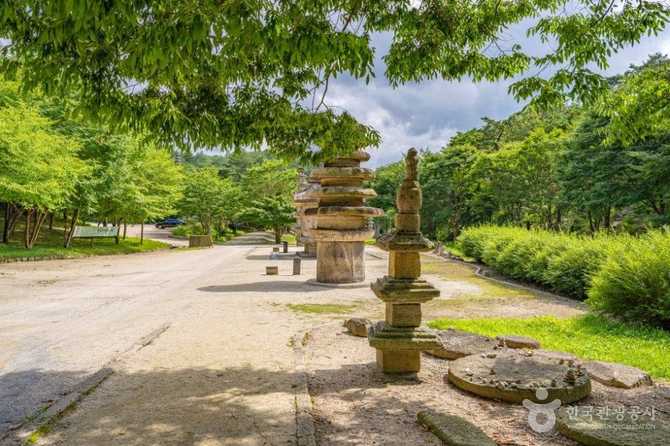
Yes, Unju Temple and its surrounding stratified tuff formations are open year-round, 24 hours a day, and admission is free, allowing visitors to explore at any time.
Q6: What precautions should I take when viewing or collecting stratified tuff at the site?
Since stratified tuff is fragile and easily weathered, visitors should handle rocks carefully, avoid removing or damaging them, and follow safety guidelines to prevent natural erosion and preserve the site.
Conclusion: Experience Korea’s Unique Geological Heritage at Unju Temple
Visiting 운주사 층상응회암 (무등산권 국가지질공원) offers a rare opportunity to connect with Korea’s rich geological history while immersing yourself in its cultural heritage. The stratified tuff formations surrounding Unju Temple are not only scientifically significant but also serve as a testament to the natural forces that shaped this region millions of years ago. As one of Korea’s designated national geoparks, this site beautifully illustrates the dynamic relationship between natural history and cultural utilization, with volcanic ash layers historically used in creating religious artifacts like stone Buddha statues and pagodas. Exploring these formations allows travelers to witness firsthand the delicate layers of volcanic ash, gaining insight into the Earth’s volcanic activity during the Cretaceous period. The site’s recognition by UNESCO as a global geopark underscores its importance in global geological conservation efforts. Whether you are a geology enthusiast, a history lover, or a curious traveler, a visit to Unju Temple provides an enriching experience that combines natural beauty with cultural depth. The area is accessible year-round, free of charge, and offers a meaningful way to appreciate Korea’s natural and cultural legacy. Be sure to observe safety precautions, respect the fragile rocks, and enjoy this extraordinary natural monument responsibly, ensuring its preservation for future generations to explore and learn from.