
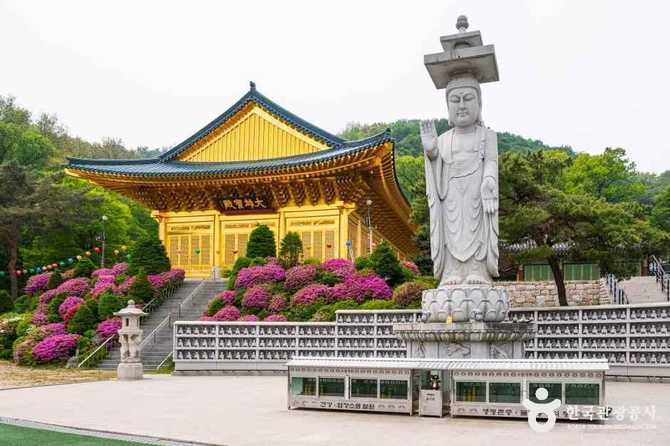
출처 : ⓒ한국관광콘텐츠랩 또는 ⓒ한국관광공사
Discover Seoguksa Temple in Seoul: A Historic Buddhist Site
Location 서울특별시 은평구 서오릉로23길 8-5 (구산동)
Location 서울특별시 은평구 서오릉로23길 8-5 (구산동)
Looking to explore Korea’s rich cultural heritage? Seoguksa Temple in Seoul offers a peaceful retreat with centuries of history, traditional architecture, and cultural experiences waiting for you.
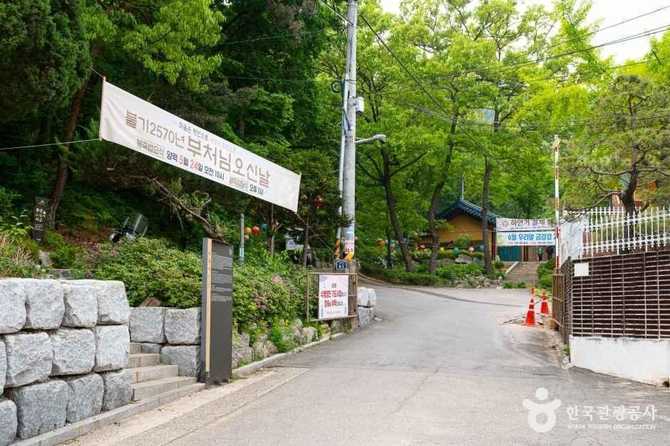
At a glance
- Who this is for
-
- Travelers interested in Korean history and Buddhist culture
- Culture enthusiasts exploring Seoul’s traditional sites
- Visitors seeking a tranquil temple experience
- Participants of temple stay programs (템플스테이)
- Key takeaways
-
- Founded in 1459 during the Joseon Dynasty
- Designated as Myungreung Royal Tomb Site in 1721
- Rebuilt in 1900 and 1995 with modern facilities
- Houses valuable cultural assets like wooden Amitabha Buddha statue and historic murals
- Open year-round with free admission and temple stay experiences
- Tips & cautions
-
- Visit quietly to respect the tranquil atmosphere
- Use public transportation due to limited parking
- Follow temple rules and dress modestly
- Pre-book temple stay programs online or via phone
- Bottom line
- Seoguksa Temple in Seoul offers an immersive experience into Korea’s spiritual and cultural heritage, ideal for history buffs and cultural travelers alike.
Seoguksa Temple in Seoul stands as a testament to Korea’s deep-rooted Buddhist traditions and historical richness. Established in 1459, this ancient temple has witnessed centuries of Korean history, from the Joseon Dynasty to modern times. Its serene environment and cultural treasures make it a must-visit destination for travelers seeking a meaningful connection with Korea’s spiritual heritage.
Whether you are interested in exploring traditional Korean architecture, viewing priceless cultural artifacts, or participating in a temple stay program, Seoguksa offers an authentic experience. Its location in Seoul’s Eunpyeong District makes it accessible yet peaceful, providing a perfect retreat from the bustling city life. Visiting Seoguksa allows travelers to immerse themselves in Korea’s religious and cultural history, making it an enriching addition to your Seoul itinerary.
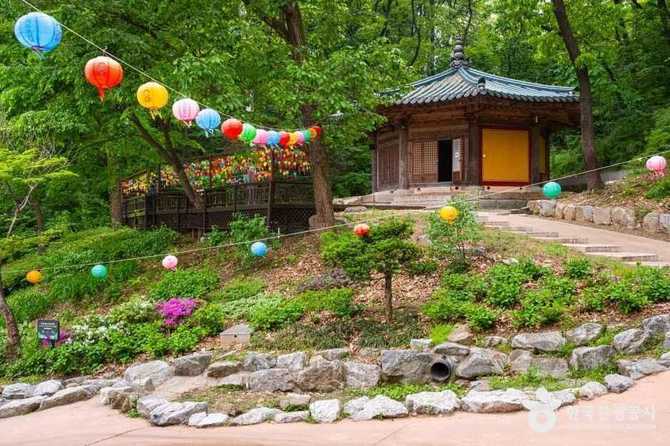
In this guide, we will cover everything you need to know about Seoguksa Temple—from its historical background and cultural assets to practical visiting tips and recommended activities. Discover why this historic Buddhist site continues to inspire visitors and locals alike, and plan your visit to experience Korea’s spiritual heritage firsthand.
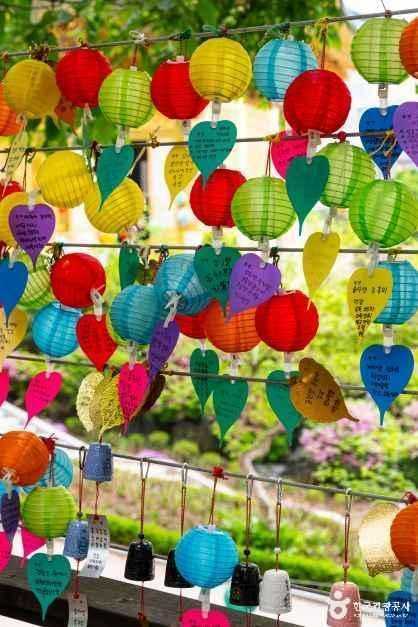
Seoguksa Temple Overview and Historical Background
Seoguksa Temple in Seoul is a revered Buddhist site that embodies Korea’s rich spiritual and cultural heritage. Established in 1459 during the Joseon Dynasty, this historic temple has played a significant role in Korea’s religious history and continues to be a place of worship, cultural preservation, and traditional practice. Its location in the Eunpyeong District offers visitors a tranquil environment, away from the city’s hustle and bustle, making it an ideal spot for reflection and cultural immersion.
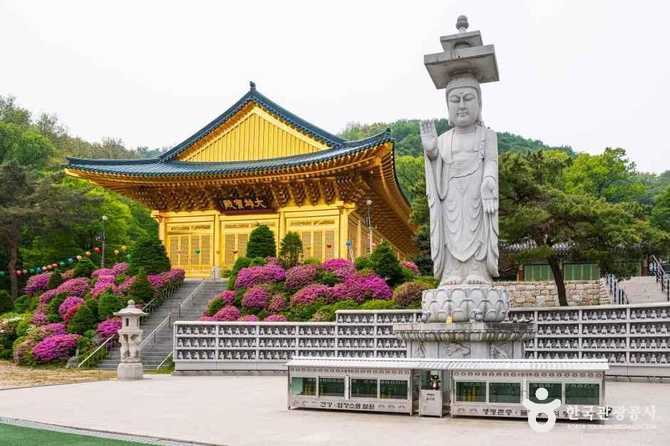
The temple was originally founded under the name “Jeonginsa” and later renamed Seoguksa, meaning “Western Country Temple,” reflecting its regional significance. Over the centuries, Seoguksa has undergone multiple reconstructions, notably in 1900 and 1995, to preserve its structures and adapt to modern needs. Despite these changes, the core of its traditional architecture and spiritual essence remains intact, offering visitors a glimpse into Korea’s ancient Buddhist traditions.
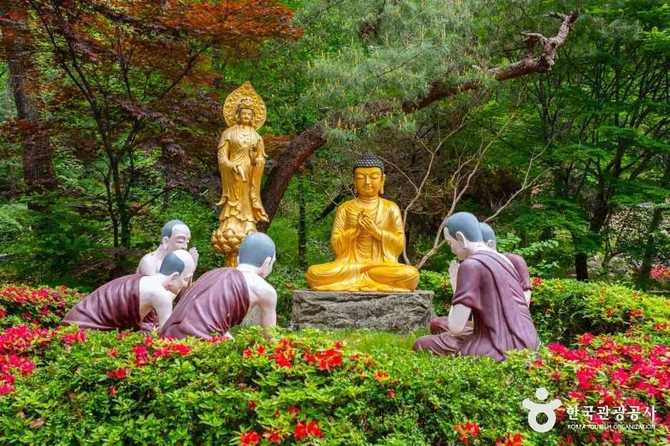
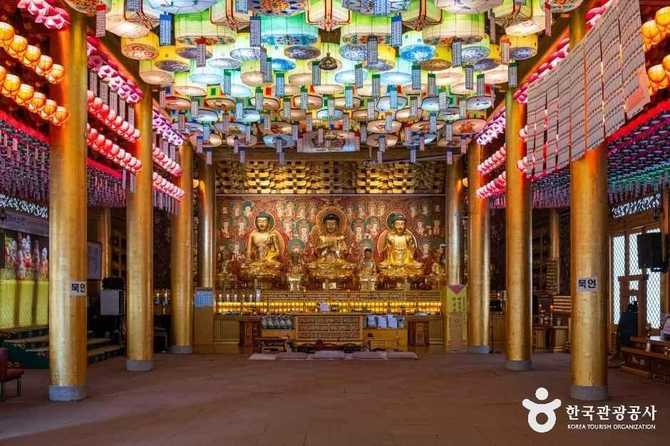
One of the most notable aspects of Seoguksa is its designation as a royal tomb site, specifically as the Myungreung Royal Tomb in 1721. This recognition underscores the temple’s importance in Korea’s royal and religious history. The temple houses valuable cultural assets, including a wooden Amitabha Buddha statue from the Goryeo period and historic murals that depict Buddhist teachings and Korean artistry. These artifacts are preserved as cultural treasures, providing insight into Korea’s religious art and craftsmanship.
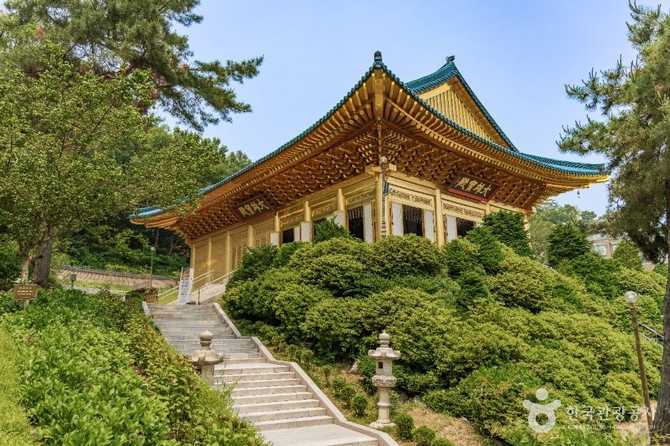
Today, Seoguksa continues to serve as a vibrant center for Buddhist practice and cultural education. Visitors can participate in temple stay programs, explore its historic relics, and experience Korean Buddhist rituals firsthand. Its open-door policy, offering free admission all year round, makes it accessible for anyone interested in Korea’s spiritual history and traditional culture. Whether you are a history enthusiast, a spiritual seeker, or a cultural explorer, Seoguksa offers a meaningful journey into Korea’s past and present.
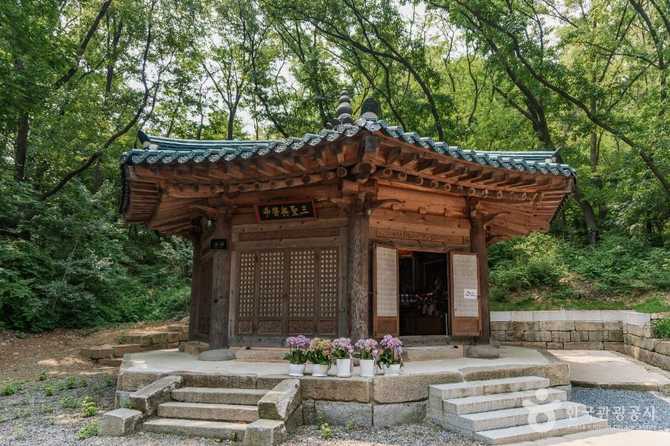
Comparison of Seoguksa Temple’s Cultural Heritage and Artifacts
| Cultural Asset / Artifact | Description | Significance |
|---|---|---|
| Wooden Amitabha Buddha Statue | A Goryeo-period wooden sculpture, crafted with intricate detail and preserved as a national treasure. | Represents Korea’s Buddhist artistic excellence and spiritual heritage, dating back to the late 10th to early 11th century. |
| Historic Murals | A collection of Buddhist murals painted during the Joseon Dynasty, depicting various religious themes. | Provides insight into traditional Korean Buddhist iconography and artistic techniques. |
| 6 Ancient Buddhist Murals (1907) | A set of murals designated as Seoul’s cultural heritage, illustrating Buddhist stories. | Highlights the religious art of early 20th-century Korea, emphasizing cultural continuity. |
| Royal Tomb Site (Myungreung) | Designated in 1721, this site is the final resting place of Joseon royalty. | Signifies the historical importance of the temple in royal and religious ceremonies. |
Visiting Information and Programs at Seoguksa Temple
- Opening Hours: Open year-round from 9:00 AM to 6:00 PM.
- Admission Fee: Free for all visitors.
- Contact: Call 02-356-2001 or visit the official website here.
- Transportation: Accessible via Seoul subway and bus routes; parking is limited, so public transport is recommended.
- Temple Stay Programs: Available throughout the year, offering immersive experiences in Korean Buddhist practices. Pre-booking is essential.
- Wear modest clothing appropriate for a traditional temple setting.
- Respect the quiet atmosphere by speaking softly and refraining from loud noises.
- Follow the internal rules, including removing shoes when entering certain areas.
- Capture photos only with permission, especially inside sacred spaces.
Tips and Precautions for Visiting Seoguksa Temple
| Tip / Precaution | Details |
|---|---|
| Respect the tranquil atmosphere | Speak softly and avoid loud noises to maintain the peaceful environment of the temple. |
| Use public transportation | Parking is limited; plan to arrive by subway or bus for convenience. |
| Follow temple rules | Adhere to guidelines such as removing shoes when required and respecting sacred spaces. |
| Dress modestly | Wear appropriate clothing that respects the traditional setting of the temple. |
| Pre-book temple stay programs | Visit the official website or contact in advance to secure your participation in temple stay experiences. |
| Check weather and plan accordingly | Prepare suitable clothing and footwear based on weather conditions to ensure a comfortable visit. |
Recommended Activities and Checklist for Visiting Seoguksa Temple
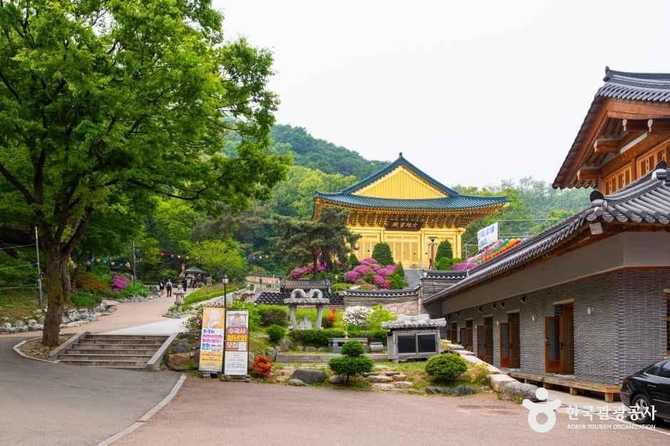
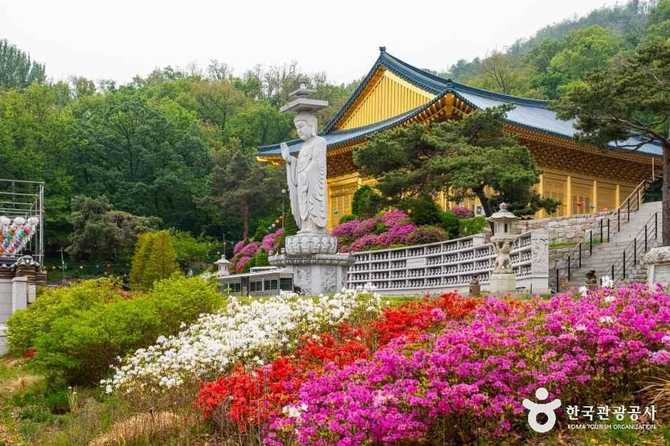
- Explore the temple’s historic buildings and architecture, such as the main hall and pagodas.
- Admire and photograph cultural assets like the wooden Amitabha Buddha statue and ancient murals.
- Participate in a temple stay program to experience traditional Buddhist practices firsthand.
- Enjoy a peaceful walk along the temple’s surrounding natural scenery and meditation areas.
- Visit the designated royal tomb site (Myungreung) to learn about Korea’s royal history.
- Attend Buddhist rituals or ceremonies if available during your visit.
- Visit the gift shop or local area to purchase souvenirs and regional products.
- Share your experience on social media or leave an online review to help future visitors.
Whether you visit during the day or evening, Discover Seoguksa Temple in Seoul is a meaningful stop on any Seoul itinerary for history-minded travelers.
Frequently Asked Questions (FAQ)
Q1: When was Seoguksa Temple in Seoul founded?
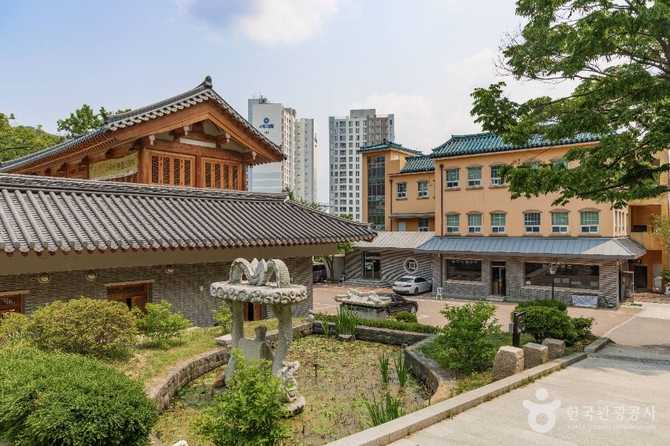
Seoguksa Temple was established in 1459 during the Joseon Dynasty, originally under the name Jeonginsa, to honor King Sejo’s ascension.
Q2: What are the main cultural assets of Seoguksa?
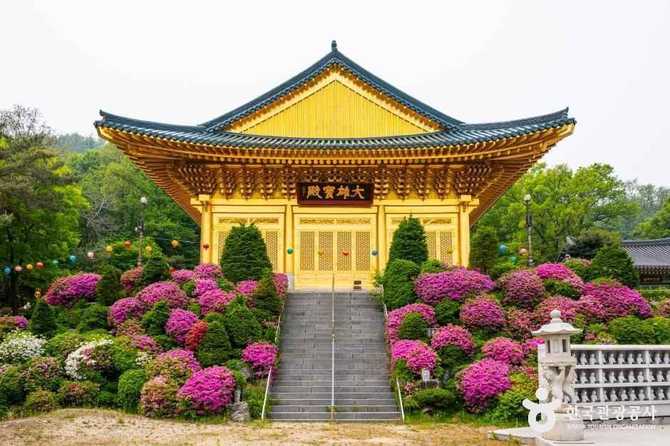
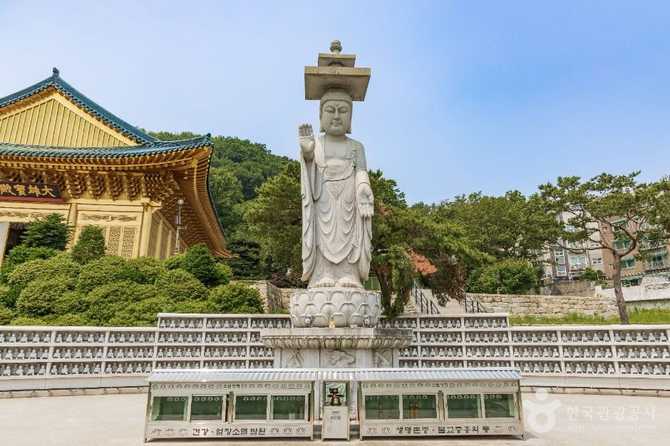
The temple houses a wooden Amitabha Buddha statue from the Goryeo period and several historic murals from the Joseon Dynasty, which are designated as cultural treasures.
Q3: How can I get to Seoguksa Temple in Seoul?
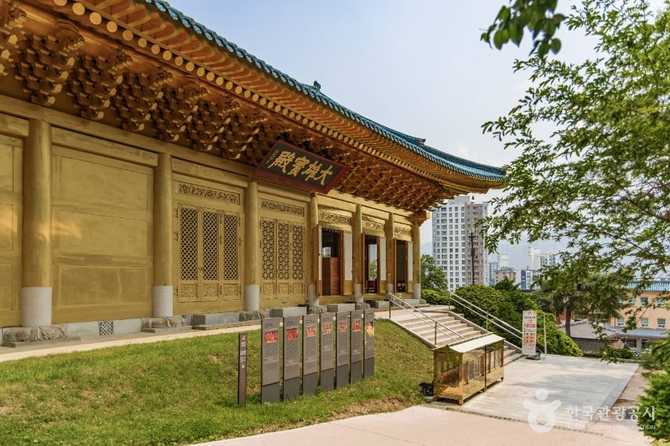
Seoguksa is located in Eunpyeong District and is accessible by Seoul subway and bus routes. Parking is limited, so public transportation is recommended.
Q4: Does Seoguksa offer temple stay programs?
Yes, the temple provides temple stay experiences throughout the year, allowing visitors to participate in traditional Buddhist practices. Pre-booking is required via their official website or by phone.
Q5: Are there any rules or etiquette I should follow when visiting Seoguksa?
Visitors should maintain a quiet demeanor, dress modestly, and follow the temple’s internal rules. Photography inside sacred spaces requires prior permission.
Q6: Is there an entrance fee to visit Seoguksa Temple?
No, admission to Seoguksa is free, and it is open year-round from 9:00 AM to 6:00 PM. Visitors can explore the temple grounds at any time during these hours.
Experience the Rich Heritage of Seoguksa Temple in Seoul
Visiting Seoguksa Temple in Seoul offers a unique opportunity to immerse yourself in Korea’s deep spiritual traditions and cultural history. As a historic Buddhist site with origins dating back to 1459, the temple stands as a testament to Korea’s enduring religious and cultural heritage. Its tranquil atmosphere, combined with priceless artifacts such as the wooden Amitabha Buddha statue and historic murals, provides a meaningful experience for all visitors. Whether you are a history enthusiast, a spiritual seeker, or someone interested in traditional Korean culture, Seoguksa is a destination that enriches your understanding of Korea’s past and present.
The temple’s accessibility, free admission, and year-round operation make it an ideal place to explore at your own pace. Participating in a temple stay program can deepen your cultural experience, allowing you to engage directly with Korean Buddhist practices and traditions. Remember to respect the peaceful environment by following the internal rules, dressing modestly, and arriving via public transportation to avoid parking issues. A visit to Seoguksa Temple in Seoul is more than just sightseeing; it’s an opportunity to connect with Korea’s spiritual roots and cultural legacy. Make sure to plan your visit in advance, especially if you wish to participate in temple stay experiences, and take time to appreciate the historic beauty and serene ambiance that this sacred site offers. Your journey into Korea’s rich religious and cultural history will undoubtedly be memorable and inspiring.