
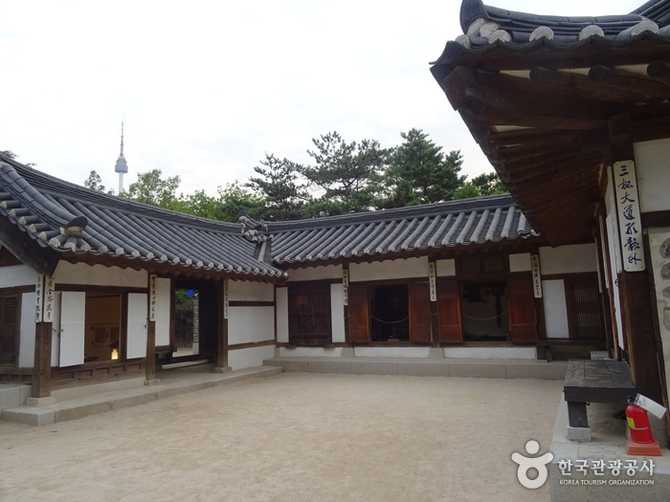
출처 : ⓒ한국관광콘텐츠랩 또는 ⓒ한국관광공사
Discover the Historic Samcheongdong Owejang Kim Chun Young House in Seoul
Location 서울특별시 중구 퇴계로34길 28
Location 서울특별시 중구 퇴계로34길 28
Explore the beauty and cultural significance of the Samcheongdong Owejang Kim Chun Young House, a preserved example of traditional Korean hanok architecture from the Joseon Dynasty. Perfect for history enthusiasts, architecture lovers, and travelers seeking authentic cultural experiences in Seoul.
Visiting this historic site offers a unique opportunity to immerse yourself in Korea’s rich architectural heritage and understand the lifestyle of the Joseon era. Whether you’re interested in traditional building techniques, cultural history, or simply looking for a scenic spot in Seoul’s central district, the Samcheongdong Owejang Kim Chun Young House provides valuable insights and memorable moments.

At a glance
- Who this is for
-
- Visitors interested in Korean traditional architecture and cultural heritage
- Travelers exploring Seoul’s historical sites
- Researchers and students studying Joseon-era housing styles
- Culture enthusiasts seeking authentic Korean experiences
- Key takeaways
-
- Built in the 1890s, representative of Joseon Dynasty hanok architecture
- Located in the heart of Seoul’s Samcheongdong neighborhood
- Features traditional structures: Anchae (main house), Sarangchae (guesthouse), and Daemunchae (main gate)
- Design reflects typical Joseon-era residential layout with ㄷ-, ㄱ-, and ㅡ-shaped buildings
- Open to the public free of charge, with easy access via public transportation
- Tips & cautions
-
- No parking available; use subway or bus services
- Check operating hours and availability by phone before visiting
- Respect the site’s preservation rules during your visit
- Visit during weekdays for fewer crowds
- Bottom line
- Experience Korea’s traditional architecture firsthand at the historic Samcheongdong Owejang Kim Chun Young House, a must-visit cultural heritage site in Seoul.
Are you interested in exploring Korea’s rich architectural history? The Samcheongdong Owejang Kim Chun Young House is a well-preserved example of a Joseon Dynasty hanok, offering visitors a glimpse into traditional Korean residential life. Located in Seoul’s vibrant Samcheongdong district, this historic house embodies the beauty and craftsmanship of Korean wooden architecture from the late 19th century.
Built in the 1890s, the house was once the residence of Kim Chun Young, an official of the Joseon Dynasty, and showcases typical features such as the ㄷ-shaped main building (Anchae), the ㄱ-shaped guesthouse (Sarangchae), and the ㅡ-shaped main gate (Daemunchae). Its layout and design reflect the social hierarchy and aesthetic principles of the time, making it a valuable resource for cultural and architectural study. Today, the house is a protected cultural asset open to the public, offering a rare opportunity to experience Korea’s traditional housing style firsthand.
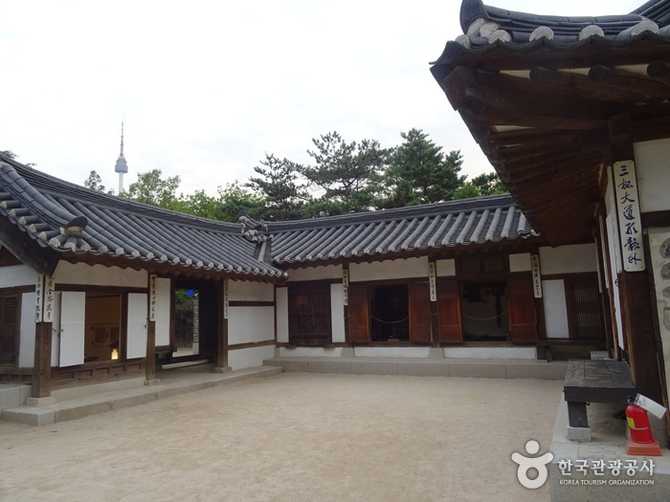
Visitors can enjoy walking through the preserved structures, learning about traditional construction techniques, and appreciating the intricate woodwork and layout. The site’s central location in Seoul makes it easily accessible by public transportation, and admission is free, making it an ideal stop for cultural explorers and history buffs alike. Whether you’re planning an educational trip, a cultural walk, or simply want to enjoy Korea’s historic ambiance, the Samcheongdong Owejang Kim Chun Young House is a must-see destination.
Overview of Samcheongdong Owejang Kim Chun Young House
The Samcheongdong Owejang Kim Chun Young House is a significant cultural heritage site located in Seoul, South Korea. This historic hanok, built in the 1890s during the Joseon Dynasty, offers visitors a rare glimpse into traditional Korean residential architecture. Situated in the vibrant district of Samcheongdong, the house exemplifies the typical layout and design principles of Joseon-era homes, making it an essential destination for those interested in Korea’s architectural history and cultural heritage.

Originally the residence of Kim Chun Young, an official of the Joseon Dynasty, this house was meticulously constructed to reflect the social hierarchy and aesthetic sensibilities of the time. It features a ㄷ-shaped main building (Anchae), a ㄱ-shaped guesthouse (Sarangchae), and a ㅡ-shaped main gate (Daemunchae). These structures are arranged to promote privacy, functionality, and harmony with nature, embodying the core principles of traditional Korean architecture.
Today, the house is preserved as a cultural asset and is open to the public free of charge. Visitors can explore the well-preserved wooden structures, learn about traditional construction techniques, and appreciate the intricate craftsmanship that characterizes Korean hanok architecture. Its central location in Seoul makes it easily accessible by public transportation, and it serves as an educational resource for students, researchers, and tourists alike. Experiencing this house provides a meaningful connection to Korea’s rich architectural and cultural history, making it a must-visit destination for anyone interested in Korea’s traditional way of life.
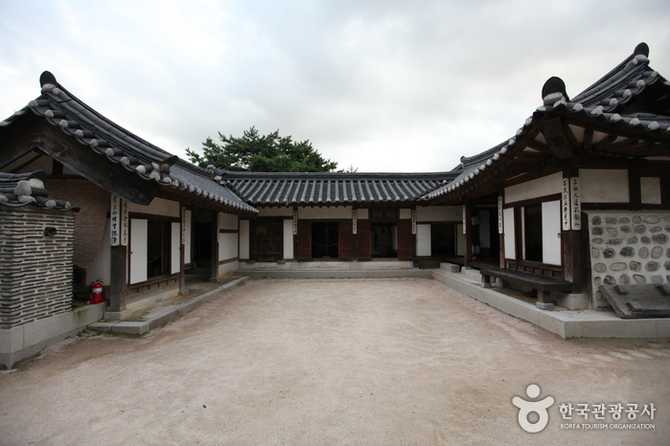
Comparison of Traditional Korean Hanok Structures
| Structure Element | Description | Function |
|---|---|---|
| Anchae (Main House) | ㄷ-shaped structure, typically with two or more rooms for family use | Private living space for the family; main area for daily life |
| Sarangchae (Guesthouse) | ㄱ-shaped building connected to the Anchae | Used for entertaining guests and hosting family gatherings |
| Daemunchae (Main Gate) | ㅡ-shaped structure serving as the entrance | Security and access control; defines the boundary of the residence |
| Layout | Typically arranged in a ㄷ-, ㄱ-, and ㅡ-shaped configuration | Reflects hierarchical social structure and privacy considerations |
This comparison highlights the typical architectural features of Joseon Dynasty hanok houses like the Samcheongdong Owejang Kim Chun Young House, illustrating how each structural element serves both functional and aesthetic purposes within traditional Korean residential design.
Visitor Preparation Checklist & Tips for Exploring the House
- Check operating hours and holidays: Always call ahead at 02-2261-0571 to confirm opening times and any special closures.
- Plan your transportation: Since parking is unavailable, utilize Seoul’s extensive subway and bus networks to reach the site conveniently.
- Dress appropriately: Wear comfortable clothing suitable for walking and exploring historical structures.
- Respect preservation rules: Do not touch or climb on the structures; follow any signage or guidance provided by staff.
- Visit during weekdays: To avoid crowds and enjoy a more immersive experience, plan your visit on weekdays.
Preparing ahead of your visit will ensure a smooth and enriching experience at the Samcheongdong Owejang Kim Chun Young House. Remember to be respectful of the site’s preservation efforts and enjoy exploring this beautiful example of Korea’s traditional architecture.

Visitor Information and Access to Samcheongdong Owejang Kim Chun Young House
Getting to the Samcheongdong Owejang Kim Chun Young House is straightforward thanks to Seoul’s extensive public transportation network. Since there is no parking available at the site, visitors are strongly encouraged to use subway or bus services for convenience and ease of access. Below is essential visitor information to help plan your visit:
| Item | Details |
|---|---|
| Operating Hours | Open daily; specific hours may vary. It is recommended to call ahead at 02-2261-0571 to confirm. |
| Closed on | No fixed holidays; check in advance for any special closures. |
| Admission Fee | Free of charge |
| Location | 28 Toegye-ro 34-gil, Jung-gu, Seoul |
| Transportation | Use Seoul Subway Line 3 or 5 to Anguk Station, Exit 2. Buses also serve the area. |
| Parking | Unavailable; public transportation recommended. |
Before visiting, please contact the site at 02-2261-0571 to verify hours and availability. Remember to arrive prepared for a walk, as the site is centrally located in Seoul’s historic district, easily reachable by public transit. Respect the preservation rules during your visit to help maintain this cultural treasure for future generations.

Preservation and Cultural Value of Samcheongdong Owejang Kim Chun Young House
The Samcheongdong Owejang Kim Chun Young House holds immense cultural and historical significance as an exemplar of traditional Korean hanok architecture from the Joseon Dynasty. Preserved as a cultural asset, this historic residence provides valuable insights into Korea’s architectural heritage, social history, and aesthetic principles of the late 19th century.

Efforts to conserve this site include meticulous restoration work aimed at maintaining the original structure and materials. The government and local authorities regularly perform maintenance, such as replacing aged wood and tiles, waterproofing, and structural reinforcement, to ensure the house remains authentic and stable for future visitors and researchers.
In addition to physical preservation, educational programs and research initiatives are actively promoted. Experts, students, and the general public can participate in workshops, guided tours, and academic studies that deepen understanding of traditional Korean architecture and cultural practices. These activities support the ongoing appreciation and safeguarding of Korea’s unique architectural legacy.

Preservation & Cultural Significance
- Designated as a cultural heritage site by local authorities
- Subject to ongoing restoration projects to preserve original features
- Materials such as wood and traditional tiles are carefully maintained or replaced
- Supports educational programs on traditional Korean architecture
- Encourages responsible visitation to protect its integrity
Visitors are encouraged to respect the site’s preservation efforts by following guidelines, avoiding damage, and participating in educational activities. Supporting these initiatives ensures that Korea’s rich architectural history remains accessible and intact for generations to come. The house’s preservation exemplifies the country’s dedication to maintaining its cultural identity and historical continuity, making it a vital part of Korea’s national heritage.
Whether you visit during the day or evening, Discover the Historic Samcheongdong Owej is a meaningful stop on any Seoul itinerary for history-minded travelers.

Frequently Asked Questions (FAQ)
The house was constructed in the 1890s during the Joseon Dynasty, reflecting traditional Korean hanok architecture of that era.
The house features a ㄷ-shaped main building (Anchae), a ㄱ-shaped guesthouse (Sarangchae), and a ㅡ-shaped main gate (Daemunchae), typical of Joseon-era residential design.

No, admission is free of charge. Visitors can explore the site without any entrance fee.
The site is accessible via Seoul’s public transportation system. It is recommended to use subway or bus services since parking is unavailable.

It exemplifies traditional Joseon Dynasty residential architecture and was the residence of a notable official, Kim Chun Young, making it a valuable historical resource.
The house is maintained through government and local authority restoration projects, focusing on preserving its original structure and design through regular maintenance and research.
Final Thoughts on Visiting the Historic Samcheongdong Owejang Kim Chun Young House
Visiting the Samcheongdong Owejang Kim Chun Young House offers a unique opportunity to step back in time and experience Korea’s rich architectural heritage firsthand. As a well-preserved example of a traditional Joseon Dynasty hanok, this historic site provides invaluable insights into Korea’s cultural and historical landscape. Whether you are a history enthusiast, architecture lover, or simply a curious traveler, exploring this house allows you to appreciate the craftsmanship and aesthetic principles that have shaped Korean residential architecture for centuries. Its central location in Seoul makes it easily accessible, and the fact that admission is free adds to its appeal as an educational and cultural destination. Remember to plan your visit carefully by checking operating hours and transportation options to ensure a smooth experience. Respect for the site’s preservation is essential, so follow guidelines and refrain from touching or climbing on structures. By visiting the Samcheongdong Owejang Kim Chun Young House, you will deepen your understanding of Korea’s traditional architecture and cultural history, making your trip to Seoul truly memorable and enriching.