
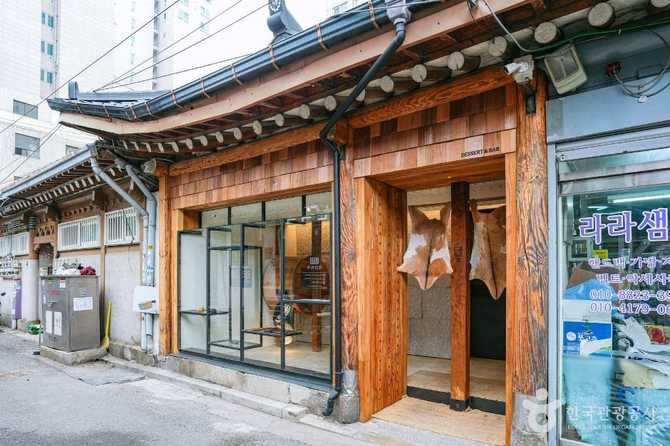
Discover the Historic Leather and Fabric District of Sindang-dong, Korea
Explore the rich history and vibrant cultural revival of Sindang-dong’s renowned leather and fabric street, a hub of traditional craftsmanship and modern creativity.
At a glance
- Who this is for
-
- Visitors interested in Korea’s industrial heritage and cultural history
- Tourists seeking authentic local experiences and traditional crafts
- Industry professionals and artisans in leather and fabric sectors
- Cultural enthusiasts and researchers exploring Seoul’s historic districts
- Key takeaways
-
- Sindang-dong was a major center for leather and fabric industries from the late 1990s to early 2000s
- The area was once bustling with artisans, wholesalers, and merchants
- Today, efforts are underway to preserve and reinterpret its industrial legacy through cultural spaces like ‘Gat’
- Modern initiatives aim to reconnect the community with its historic roots and promote cultural tourism
- Ongoing restoration and revitalization projects involve local businesses and cultural organizations
- Tips & cautions
-
- Some parts of Sindang-dong still retain traces of its industrial past, but full restoration is ongoing
- Visitors should respect local businesses and artisans working to preserve the area’s heritage
- Check local event schedules for cultural festivals and workshops in the area
- Bottom line
- Efforts continue to transform Sindang-dong’s historic leather and fabric street into a vibrant cultural hub that honors its industrial legacy.
Discover the historic leather and fabric district of Sindang-dong, a neighborhood in Seoul with a legacy rooted in Korea’s traditional craftsmanship. Once a bustling hub from the late 1990s to early 2000s, Sindang-dong was known for its vibrant community of artisans, merchants, and industry experts specializing in leather and textiles. Today, this district is experiencing a cultural renaissance, blending its industrial past with modern artistic expressions. The area’s unique heritage is being preserved and reinterpreted through innovative cultural spaces like ‘Gat,’ which aim to showcase the region’s storied history while fostering new creative initiatives.
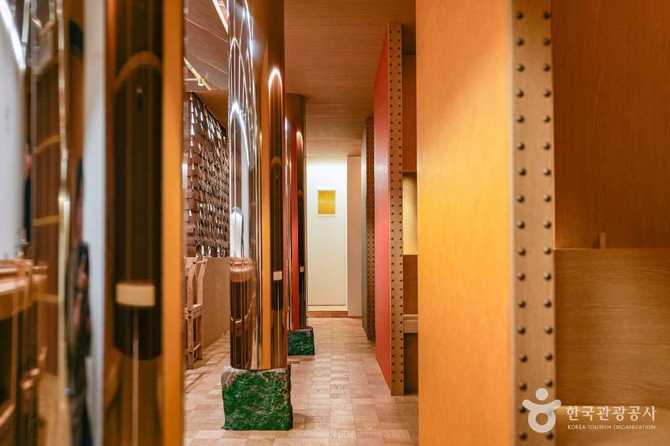
For visitors eager to explore Korea’s industrial history, Sindang-dong offers a compelling story of resilience and innovation. The district’s transformation from a traditional manufacturing zone into a vibrant cultural space highlights Korea’s ability to honor its past while embracing contemporary culture. Whether you are a history enthusiast, a craft lover, or a traveler seeking authentic local experiences, understanding Sindang-dong’s evolution provides valuable insight into Seoul’s diverse cultural landscape. This article will guide you through the district’s historical background, current revitalization efforts, and future prospects, making it an essential read for anyone interested in Korea’s industrial heritage and cultural renewal.

As the city continues to develop, Sindang-dong’s leather and fabric street remains a symbol of Korea’s craftsmanship and entrepreneurial spirit. The ongoing projects aim to restore and promote the area’s legacy, ensuring that future generations can appreciate its historical significance. From traditional workshops to modern cultural spaces, Sindang-dong embodies a unique blend of old and new, offering a fascinating glimpse into Korea’s rich industrial past and its vibrant cultural present.

History and Background of Sindang-dong Leather & Fabric Street
Sindang-dong Leather & Fabric Street, a historically significant area in Seoul, has long been recognized as a hub of Korea’s traditional craftsmanship. Once at the heart of the country’s leather and textile industries, this district played a vital role in shaping Korea’s manufacturing heritage. The focus keyword, Sindang-dong leather and fabric street, encapsulates its identity as a vibrant commercial zone that thrived from the late 20th century into the early 2000s. During this period, Sindang-dong was bustling with activity, with countless artisans, craftsmen, and merchants contributing to its reputation as a center for high-quality leather goods and textiles.
In the 1990s, the district experienced rapid growth, driven by Korea’s economic boom and increasing demand for custom-made leather products and fabrics. The streets were lined with workshops, showrooms, and wholesale markets where skilled artisans created everything from handbags and wallets to tailored fabrics. This industrial activity not only supported local livelihoods but also contributed significantly to Seoul’s overall economic development. The district’s unique blend of traditional craftsmanship and entrepreneurial spirit made it a vital part of Korea’s industrial landscape.

However, as Korea modernized and globalized, many of these small workshops faced challenges such as industrial shifts, urban redevelopment, and competition from mass-produced goods. Over time, the vibrant industry began to decline, and much of the original manufacturing activity faded away. Today, only remnants of that era remain, with some historic buildings and workshops preserved as cultural heritage. Recognizing the importance of its industrial legacy, local authorities and cultural organizations have launched initiatives to preserve and reinterpret Sindang-dong’s history. The creation of cultural spaces like ‘Gat’ aims to reconnect the community with its past while fostering new creative expressions rooted in traditional industries.
Understanding the history of Sindang-dong leather and fabric street provides valuable insight into Korea’s industrial evolution. It highlights how traditional craftsmanship has shaped local identity and how contemporary efforts are striving to keep this legacy alive. The district’s story is not just about commerce but also about resilience, cultural pride, and the ongoing quest to blend history with modern innovation.

Comparison of Past and Present of Sindang-dong Leather & Fabric Industry
| Aspect | Historical Industry Features | Current State and Changes |
|---|---|---|
| Main Industry Focus | Leather manufacturing, fabric production, wholesale trading | Limited remaining workshops; cultural preservation efforts |
| Peak Period | Late 1990s to early 2000s | Ongoing revitalization, with cultural spaces like ‘Gat’ |
| Community Composition | Artisans, small workshops, merchants | Cultural organizations, local entrepreneurs, tourists |
| Economic Role | Major contributor to Seoul’s textile and leather trade | Focus on cultural tourism, heritage preservation |
| Physical Environment | Dense workshops, market streets, traditional buildings | Some historic structures preserved, ongoing urban redevelopment |
Current Changes and Cultural Reinterpretation of Sindang-dong Leather & Fabric Street
- Revitalization Projects: Local government and cultural organizations are actively working to restore and promote Sindang-dong’s industrial heritage. Initiatives include refurbishing historic workshops, creating cultural spaces, and hosting craft workshops and exhibitions.
- Introduction of ‘Gat’ Space: The ‘Gat’ cultural space is a modern reinterpretation of the district’s industrial roots. It uses textures, designs, and motifs inspired by leather and fabric to create an immersive environment that celebrates the district’s craftsmanship.
- Community Engagement: Efforts involve local artisans, shop owners, and cultural groups to develop programs that reconnect the community with its history. Workshops, cultural festivals, and storytelling events are regularly held to keep the heritage alive.
- Challenges: Full restoration of the entire street remains a work in progress. Some historic buildings require preservation and adaptive reuse to ensure their survival amid urban development.
- Future Outlook: Continued collaboration between local authorities, artisans, and cultural groups aims to establish Sindang-dong as a vibrant cultural hub that honors its industrial legacy while embracing modern innovation.
The Role and Meaning of ‘Gat’ Space in Sindang-dong
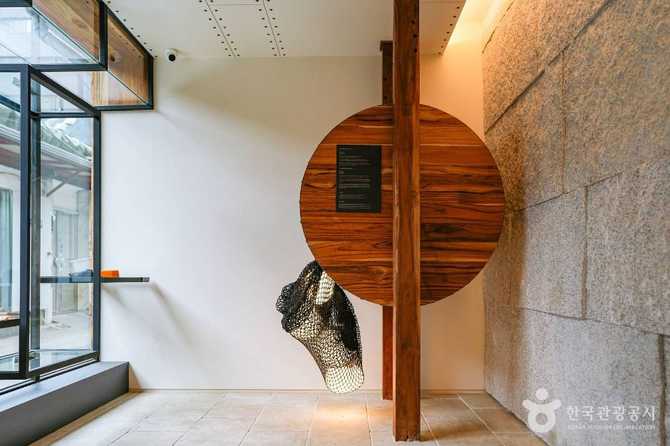
The ‘Gat’ space in Sindang-dong serves as a modern cultural hub that reinterprets the district’s historic leather and fabric industry. It is a unique venue that blends traditional craftsmanship with contemporary design, creating an immersive environment that highlights the district’s industrial heritage. The name ‘Gat’ itself symbolizes a connection to the local culture, as it references traditional Korean hats made from fabric and leather, embodying the district’s artisanal roots.

Inside ‘Gat,’ visitors can experience a variety of features designed to evoke the textures and aesthetics of Sindang-dong’s industrial past. These include displays of leather and fabric textures, design motifs inspired by traditional crafts, and interactive spaces for workshops and storytelling. The space functions as a platform for artisans, designers, and cultural organizations to collaborate and showcase their work, fostering a vibrant exchange of ideas and creativity.
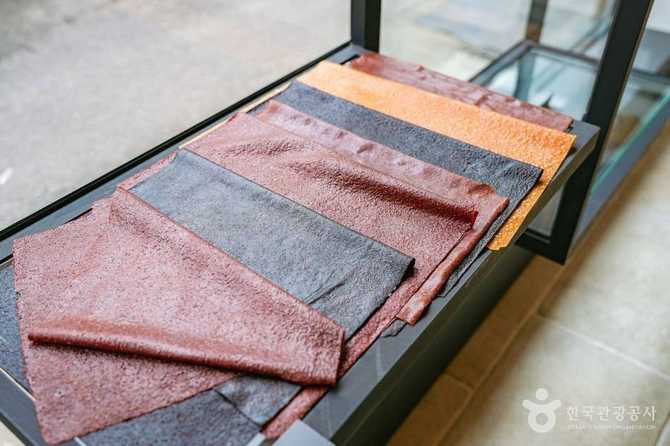
Moreover, ‘Gat’ plays a vital role in preserving and promoting the district’s industrial legacy. By integrating historical elements into its architecture and programming, it helps visitors and locals alike appreciate the craftsmanship that once thrived in Sindang-dong. It also acts as a bridge between the past and the present, inspiring new generations to value Korea’s artisanal traditions while encouraging innovation and contemporary reinterpretation.
Overall, ‘Gat’ is more than just a cultural space; it is a symbol of Sindang-dong’s ongoing efforts to revitalize its industrial heritage through creative and community-driven initiatives.
Future Directions for Sindang-dong’s Industry and Cultural Revival
Looking ahead, Sindang-dong aims to strengthen its identity as a cultural and industrial hub by implementing strategic initiatives that promote sustainable development and heritage preservation. The focus is on fostering collaboration among local artisans, cultural organizations, and government agencies to create a vibrant ecosystem that supports both traditional crafts and innovative design.
Key future directions include:

- Enhancing Heritage Preservation: Continue restoring historic workshops and buildings, ensuring their adaptive reuse as cultural spaces, shops, or ateliers that showcase traditional craftsmanship.
- Developing Cultural and Tourism Programs: Create experiential activities such as craft workshops, guided tours, and cultural festivals to attract tourists and educate visitors about Sindang-dong’s industrial legacy.
- Promoting Creative Industries: Support local designers and artisans in developing modern products inspired by traditional leather and fabric techniques, elevating the district’s brand and market presence.
- Integrating Sustainable Practices: Adopt eco-friendly materials and technologies in manufacturing and renovation efforts to ensure environmentally responsible growth.
- Fostering Community Engagement: Organize regular events, workshops, and storytelling sessions involving local residents, artisans, and visitors to keep the cultural dialogue active and inclusive.
By pursuing these strategies, Sindang-dong can successfully preserve its industrial heritage while adapting to contemporary cultural and economic trends. The ongoing efforts aim to make the district a model of sustainable cultural tourism and artisanal innovation, ensuring that its rich history continues to inspire future generations.
- Collaborate with local artisans and cultural groups for heritage preservation
- Develop experiential cultural tourism programs
- Support modern creative industries rooted in traditional crafts
- Implement eco-friendly and sustainable practices in renovations and manufacturing
- Engage the community through regular events and workshops
Frequently Asked Questions (FAQ)
- Q1: When did Sindang-dong become famous for its leather and fabric industry?
- Q2: What is the current state of Sindang-dong’s leather and fabric street?
- Q3: What is the purpose of the ‘Gat’ cultural space in Sindang-dong?
- Q4: How are efforts being made to revitalize Sindang-dong’s leather and fabric heritage?
- Q5: What are the future plans for Sindang-dong’s industrial and cultural development?
- Q6: How is the traditional leather and fabric culture being preserved in Sindang-dong?
A: Sindang-dong was a prominent hub for leather and fabric industries from the late 1990s to early 2000s, with many artisans and merchants operating in the area during this period.
A: Today, most industrial activities have declined, but some historic workshops and cultural spaces like ‘Gat’ preserve the district’s heritage and promote cultural revival efforts.
A: ‘Gat’ is a modern cultural space that reinterprets Sindang-dong’s industrial history through textures, designs, and motifs inspired by leather and fabric, serving as a platform for cultural and community activities.
A: Local government and cultural organizations are refurbishing historic workshops, creating cultural spaces, and hosting craft workshops and festivals to reconnect the community with its industrial past.
A: Future initiatives include continued preservation, developing tourism and experience programs, and integrating modern design with traditional industries to boost local economy and cultural identity.
A: The culture is preserved through regular cultural events, workshops, and the ongoing restoration of historic buildings, with community involvement ensuring its continuity and relevance.
Conclusion: Embracing the Legacy of Sindang-dong’s Leather & Fabric District
Understanding the rich history and ongoing cultural efforts surrounding Sindang-dong’s leather and fabric street offers valuable insight into Korea’s industrial heritage. This district once thrived as a bustling hub of artisans, craftsmen, and merchants, shaping Korea’s traditional manufacturing landscape. Today, while many original workshops have faded, the community’s dedication to preserving and reinterpreting this legacy is evident through projects like the ‘Gat’ space and various revitalization initiatives. These efforts aim to connect past and present, fostering a sense of pride and continuity within the local community and for visitors alike.
The ongoing commitment to restore and promote Sindang-dong’s industrial heritage not only honors its historical significance but also paves the way for innovative cultural and tourism activities. By blending traditional craftsmanship with modern design and community participation, Sindang-dong is transforming into a vibrant cultural space that celebrates its unique identity. For travelers, industry professionals, and cultural enthusiasts, exploring this area provides a meaningful experience that highlights Korea’s resilience and creative spirit. The future of Sindang-dong’s leather and fabric district looks promising, as it continues to evolve while respecting its historic roots. This ongoing journey ensures that the legacy of this remarkable district will be appreciated and celebrated for generations to come.