

출처 : ⓒ한국관광콘텐츠랩 또는 ⓒ한국관광공사
Discover the Historic Cheondo교 Central Cathedral in Seoul
Location 서울특별시 종로구 삼일대로 457 (경운동)
Location 서울특별시 종로구 삼일대로 457 (경운동)
Are you interested in exploring Korea’s rich modern history and cultural heritage? Visiting the Cheondo교 Central Cathedral in Seoul offers a unique glimpse into Korea’s religious, political, and architectural evolution. This iconic site not only serves as a place for religious ceremonies but also stands as a symbol of Korea’s independence movement and modern architectural innovation.
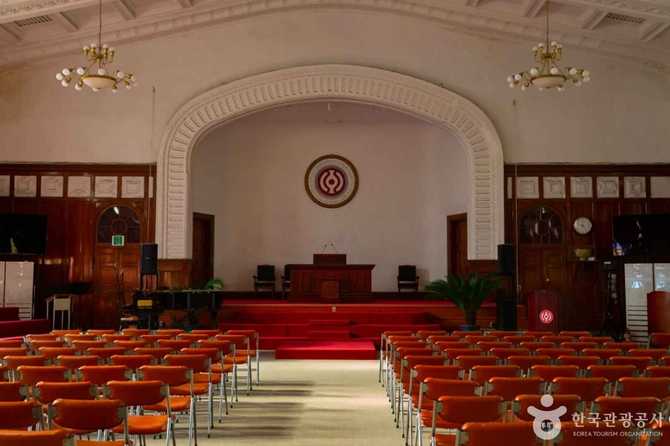
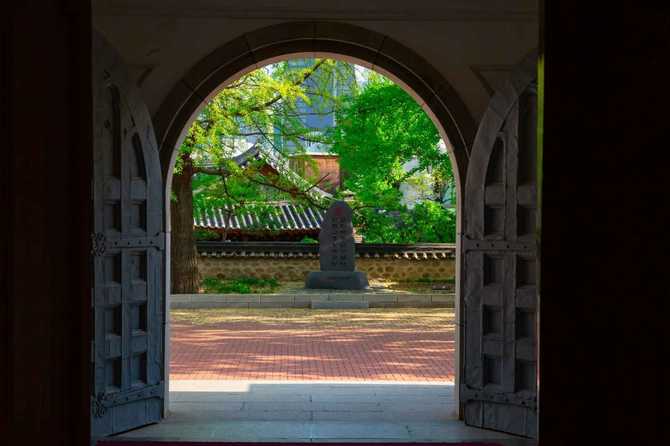
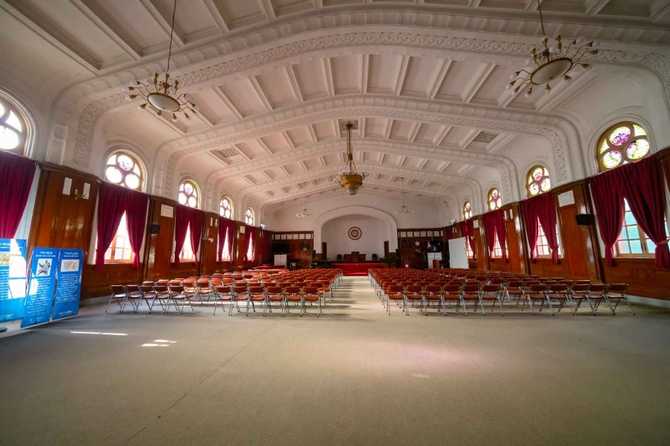
In this guide, learn why the Cheondo교 Central Cathedral is a must-visit destination for history enthusiasts, architecture lovers, and those seeking to understand Korea’s cultural landscape. From its construction in 1918 to its role in the 3·1 Independence Movement, this historic building embodies Korea’s resilience and artistic ingenuity. Its distinctive architectural style, high ceilings, and symbolic significance make it a standout among Seoul’s cultural landmarks.
At a glance
- Who this is for
-
- Visitors interested in Korea’s modern history and religious culture
- Travelers exploring Seoul’s historical architecture
- Researchers studying Korea’s independence movement and cultural heritage
- Culture and architecture enthusiasts
- Key takeaways
-
- Built in 1918 under the leadership of Son Byung-hi
- Completed in 1921, used for independence movement funding
- Features unique Jesession (Secessionist) architectural style
- Designated as Seoul City Tangible Cultural Heritage
- Open year-round with free admission
- Tips & cautions
-
- Parking is limited; public transportation recommended
- Some interior areas may be restricted for preservation
- Check for special events or renovations before visiting
- Bottom line
- Visiting the Cheondo교 Central Cathedral offers a meaningful experience of Korea’s modern history and architectural innovation, making it a must-see cultural landmark in Seoul.
Seoul’s Cheondo교 Central Cathedral stands as a testament to Korea’s modern history, religious development, and architectural progress. Located in the heart of Jongno-gu, this historic building was constructed in 1918 under the guidance of Son Byung-hi, a prominent religious leader. The cathedral’s completion in 1921 marked a significant milestone, serving as a focal point for religious activities and a symbol of Korea’s independence movement during the Japanese occupation.
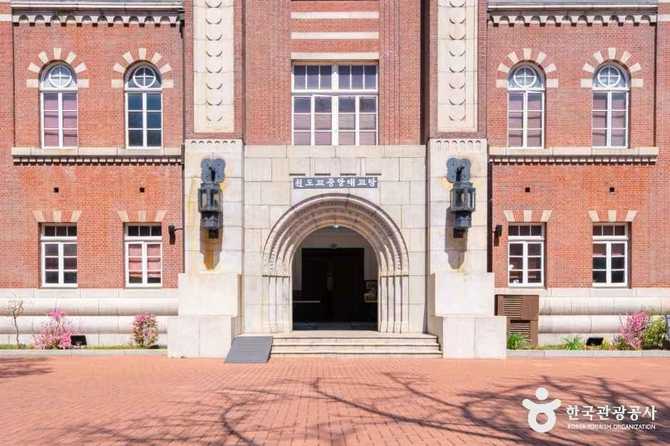
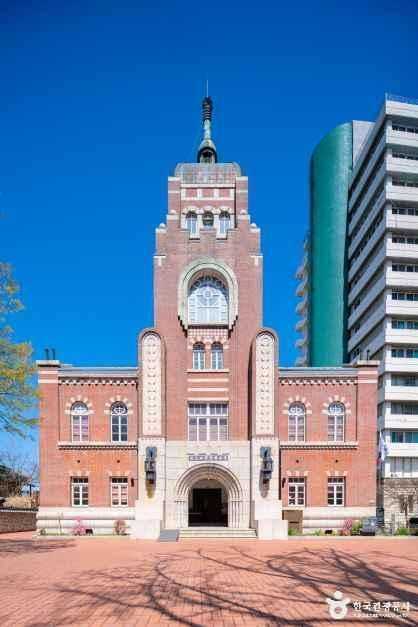
Beyond its religious significance, the Cheondo교 Central Cathedral played a crucial role in Korea’s political history, notably during the 3·1 Independence Movement, where it was used to fund the independence efforts. Its architectural style, characterized by high, majestic structures and a distinctive Jesession (Secessionist) design, reflects a blend of modernist influences and traditional Korean elements. Recognized as Seoul City’s Tangible Cultural Heritage, the cathedral continues to be a vital cultural and historical site, open to the public free of charge all year round.
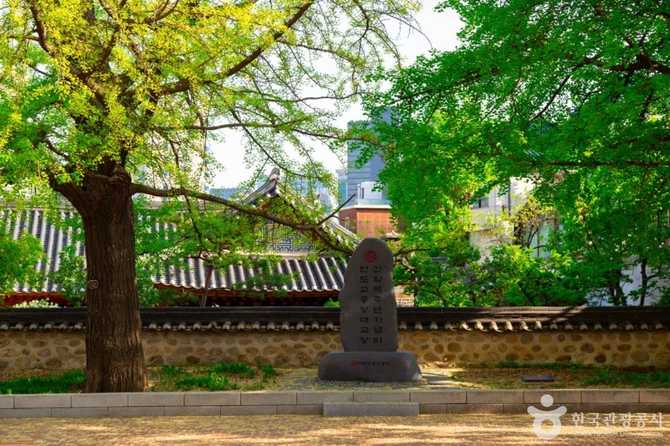
Whether you are a history buff, an architecture enthusiast, or a curious traveler, visiting this historic site provides an enriching experience. Its location in Seoul allows visitors to immerse themselves in Korea’s modern history, religious traditions, and architectural innovations. As a symbol of resilience and cultural pride, the Cheondo교 Central Cathedral remains an essential destination for understanding Korea’s journey toward independence and modernity.
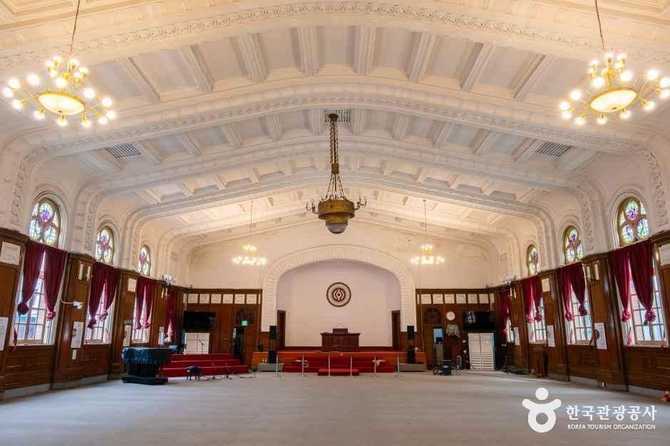
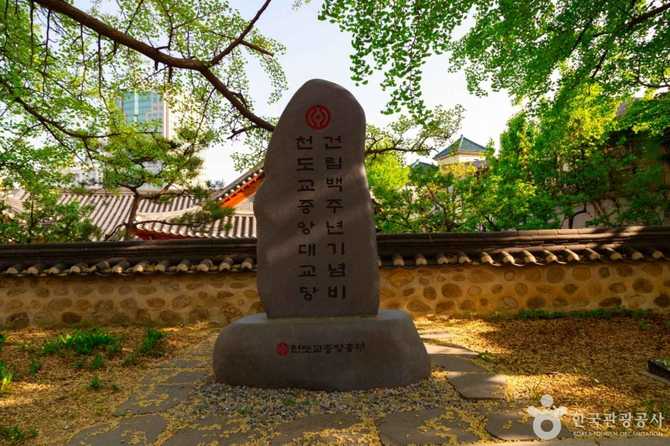
Overview and Historical Background of Cheondo교 Central Cathedral
The Cheondo교 Central Cathedral is a historically significant religious landmark located in Seoul’s Jongno-gu district. As a vital part of Korea’s modern history, this cathedral embodies the resilience and cultural identity of the Korean independence movement. Built in 1918 under the leadership of Son Byung-hi, a prominent religious figure, the cathedral was completed in 1921 and has since served as a symbol of Korea’s spiritual and political aspirations during a turbulent period.
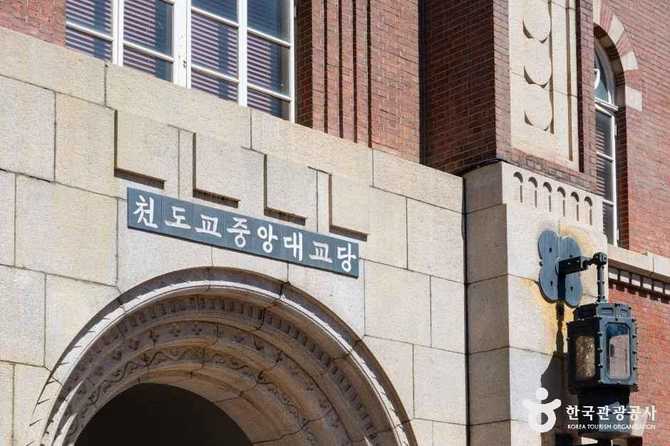
This cathedral is not just a place for religious ceremonies; it is a testament to Korea’s fight for independence from Japanese colonial rule. During the 3·1 Independence Movement, the building played a crucial role by providing funding and serving as a gathering point for independence activists. Its construction reflects a blend of religious symbolism and political activism, making it a unique architectural and historical site.
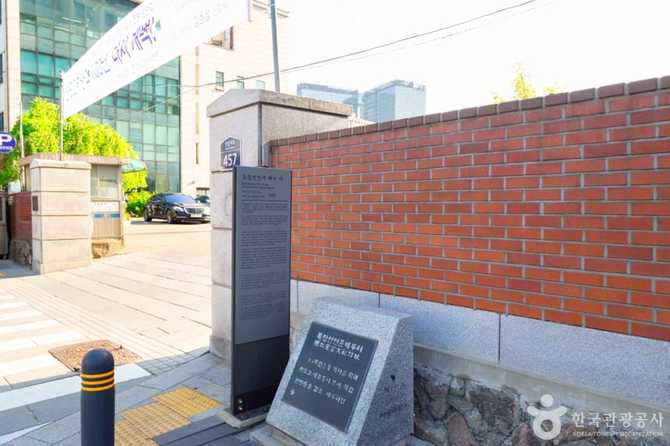
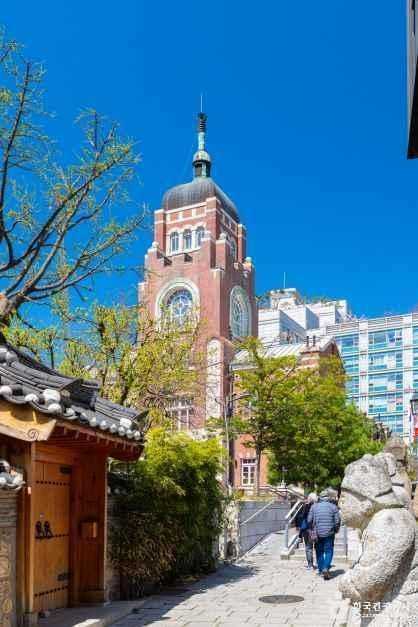
The building’s historical significance is further emphasized by its designation as a Seoul City Tangible Cultural Heritage. Its architecture, characterized by a high and majestic structure, showcases a rare style known as Jesession (or Secessionist), influenced by early 20th-century modernist trends. This architectural style is distinguished by its elegant lines, distinctive form, and innovative use of materials like red bricks and granite, which contribute to its imposing appearance.
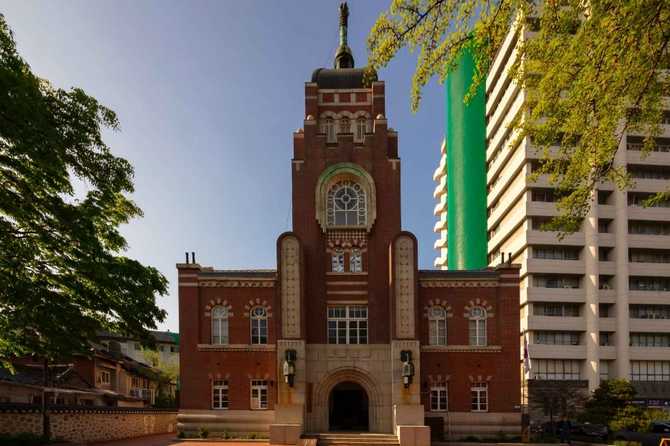
Today, the Cheondo교 Central Cathedral continues to be a vibrant hub for religious, cultural, and political activities. It is open year-round, free of charge, welcoming visitors who wish to explore Korea’s modern history and religious culture. Its role as a symbol of independence and resilience makes it a must-visit site for history enthusiasts, architecture lovers, and those interested in Korea’s cultural heritage.
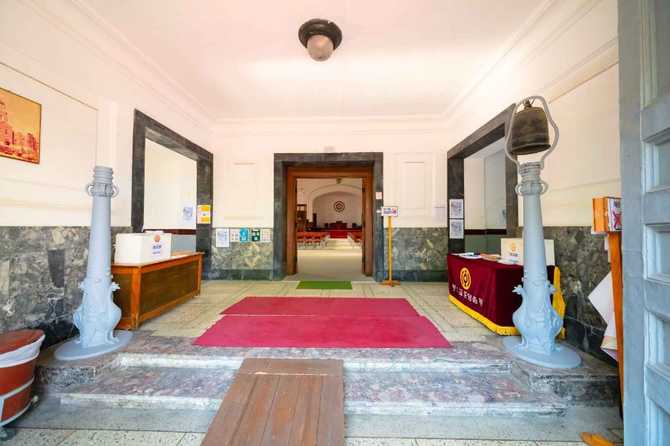
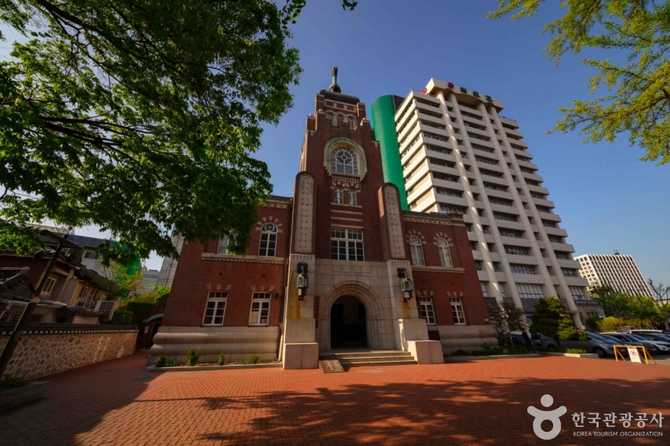
Comparison of Architectural Features of Cheondo교 Central Cathedral
| Aspect | Details | Remarks |
|---|---|---|
| Architectural Style | Jesession (Secessionist) style | Rare in Korea, influenced by early 20th-century modernist trends |
| Main Materials | Red bricks and granite | Creates a majestic and durable appearance |
| Building Height | Tall and imposing structure | One of Seoul’s three major historic buildings |
| Interior Space | Large assembly hall and offices | High ceilings and spacious interior facilitate gatherings |
| Architectural Significance | Blend of religious symbolism and political activism | Design reflects Korea’s modern architectural evolution |
Cultural Significance and Heritage Status of Cheondo교 Central Cathedral
- Historical Role: Served as a funding and gathering site during the 3·1 Independence Movement, symbolizing Korea’s fight for sovereignty.
- Architectural Value: Showcases the rare Jesession architectural style, blending modernist influences with traditional Korean elements.
- Cultural Recognition: Designated as Seoul City Tangible Cultural Heritage, ensuring preservation and recognition of its importance.
- Religious and Political Activities: Continues to host religious ceremonies, cultural events, and political gatherings, maintaining its role as a community hub.
- Recognized as a Seoul City Tangible Cultural Heritage, which helps protect and promote its preservation.
- Played a significant role in Korea’s independence movement, making it a symbol of national resilience.
- Architecturally unique with its Jesession style, rare in Korea and notable among Seoul’s historic buildings.
- Open to the public year-round, free of charge, offering educational and cultural experiences.
Visitor Information and Practical Tips for Cheondo교 Central Cathedral
| Item | Details |
|---|---|
| Location | 서울특별시 종로구 삼일대로 457 (경운동) |
| Contact | 02-2148-1114 |
| Operating Hours | Open year-round, 24 hours (always accessible) |
| Admission Fee | Free |
| Parking | Limited parking available; public transportation recommended |
| Accessibility | Accessible for visitors; interior may be restricted during maintenance |
Essential Tips for Visiting Cheondo교 Central Cathedral
- Public transportation is highly recommended due to limited parking space.
- Admission is free, so take your time exploring the historic building and its surroundings.
- Respect the site’s religious and cultural significance by following any posted guidelines and refraining from disruptive behavior.
- Check the official website or contact the visitor center at 02-2148-1114 for updates on events or temporary closures.
- Wear comfortable clothing and shoes suitable for walking and exploring the interior and exterior of the cathedral.
- Photography is generally permitted outside; however, please respect interior restrictions during services or maintenance.
Whether you visit during the day or evening, Discover the Historic Cheondo교 Central is a meaningful stop on any Seoul itinerary for history-minded travelers.
Frequently Asked Questions (FAQ)
The Cheondo교 Central Cathedral was built in 1918 under the leadership of Son Byung-hi and was completed in 1921. It is a significant historical site related to Korea’s independence movement.
The cathedral features the rare Jesession (Secessionist) architectural style, influenced by early 20th-century modernist trends. Its design incorporates high, majestic structures with a blend of traditional and modern elements.
The main materials are red bricks and granite, which contribute to its imposing appearance and durability. These materials are characteristic of its architectural style and period.
The cathedral played a vital role during the 3·1 Independence Movement, serving as a funding and gathering site for independence activists. It symbolizes Korea’s fight for sovereignty and resilience.
Yes, it is open year-round, 24 hours a day, and visitors can access it free of charge. However, some interior areas may be restricted for preservation purposes.
The cathedral is located at 457 Samil-daero, Jongno-gu, Seoul. Public transportation such as buses and subways are recommended due to limited parking, and the nearest subway station is Jongno 3-ga Station.
Visiting the Cheondo교 Central Cathedral in Seoul offers an exceptional opportunity to connect with Korea’s rich modern history, cultural heritage, and architectural innovation. As a significant symbol of Korea’s independence movement and religious development, this historic site provides a meaningful experience for travelers interested in Korea’s past and present. The cathedral’s unique Jesession architectural style, combined with its majestic height and historical significance, makes it a must-see destination for those exploring Seoul’s cultural landmarks.
Whether you are a history enthusiast, an architecture lover, or simply seeking to deepen your understanding of Korea’s modern identity, the Cheondo교 Central Cathedral stands out as a vital cultural asset. Its designation as Seoul City Tangible Cultural Heritage underscores its importance and ensures its preservation for future generations. The fact that it is open year-round with free admission makes it accessible for all visitors, offering a chance to learn about Korea’s resilience and independence through its architecture and ongoing activities.
By exploring this historic building, you will gain insight into Korea’s journey toward independence, religious evolution, and architectural progress. The cathedral continues to serve as a vibrant hub for religious, cultural, and political events, making each visit a chance to witness Korea’s dynamic history firsthand. Planning your visit with awareness of its operating hours and limited parking will help ensure a smooth and enriching experience. Overall, the Cheondo교 Central Cathedral in Seoul is a remarkable destination that embodies Korea’s resilience, cultural pride, and architectural ingenuity, making it an essential part of your travel itinerary in Seoul.