
Discover the Bonan Guhamri Dolmen Site: Korea’s Bronze Age Heritage
Are you interested in exploring Korea’s ancient history and prehistoric sites? The Bonan Guhamri Dolmen Site offers a fascinating glimpse into the Bronze Age, showcasing unique megalithic tomb structures that reveal the social and religious practices of early Korean civilizations. Visiting this site provides an enriching experience for history enthusiasts, archaeologists, and cultural travelers alike.
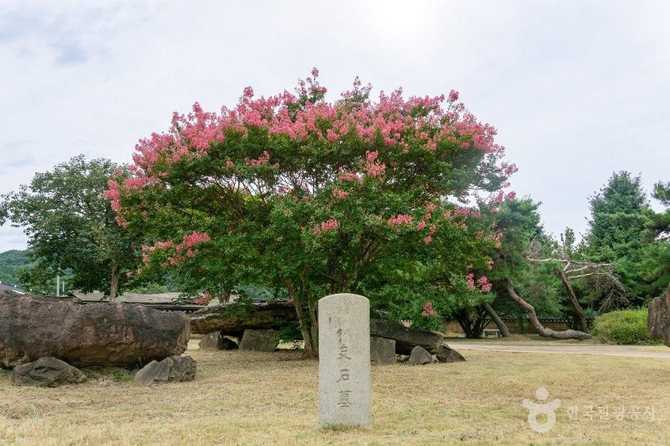
Located in Jeollabuk-do, South Korea, the Bonan Guhamri Dolmen Site is a significant cultural heritage that highlights the ingenuity of ancient peoples who utilized natural rocks and artificial stones to build distinctive megalithic tombs. Recognized as a designated historic site since 1963, this site not only preserves the archaeological remains but also offers insights into prehistoric Korea’s societal organization and spiritual beliefs.

In this guide, you’ll learn about the site’s key features, historical importance, visitor information, and preservation efforts. Whether you are planning an educational trip, a cultural exploration, or a research project, understanding the Bonan Guhamri Dolmen Site enriches your appreciation of Korea’s rich ancient history. Discover the story behind these ancient stone structures and how they continue to connect us to Korea’s distant past.
At a glance
- Who this is for
-
- History enthusiasts interested in Korea’s prehistoric era
- Archaeologists studying megalithic tomb structures
- Cultural travelers planning a heritage exploration in Jeollabuk-do
- Students and researchers focusing on ancient societies
- Key takeaways
-
- The site features 10 remaining dolmens out of an original 13, built during the Bronze Age.
- Dolmen covers are approximately 6.4 meters long, made from natural rocks and artificial stones.
- Designs include turtle-shaped capstones and various sizes, reflecting unique construction styles.
- Designated as a historic site on January 21, 1963, and protected as a cultural heritage.
- Provides insights into ancient burial practices, social structures, and spiritual beliefs.
- Tips & cautions
-
- Some structures may have been restored or affected by natural aging, so observe with care.
- Visit with respect for the site’s preservation needs—avoid damaging or removing stones.
- Check weather conditions before visiting to ensure a safe outdoor experience.
- Bottom line
- Visiting the Bonan Guhamri Dolmen Site offers a meaningful connection to Korea’s ancient past and its cultural heritage.
Located in the scenic region of Jeollabuk-do, the Bonan Guhamri Dolmen Site is a must-see for anyone interested in Korea’s prehistoric era. These ancient megalithic tombs exemplify the ingenuity of early societies that used natural landscapes and crafted stones to create enduring monuments. Recognized as a protected historic site, the site provides valuable archaeological insights and cultural significance, making it an essential destination for history lovers and cultural explorers.
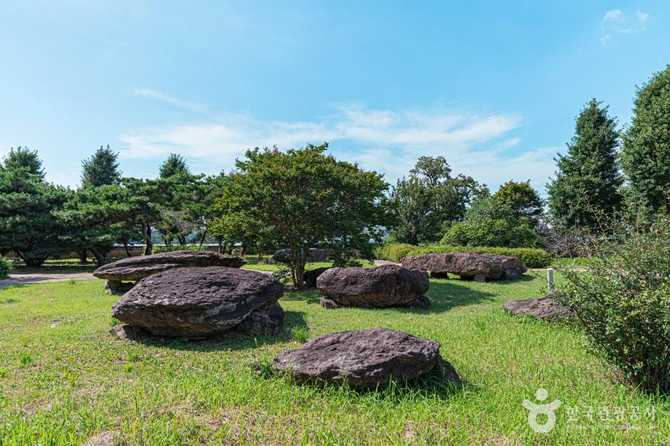
Visitors can explore the remaining dolmens, learn about their construction and purpose, and appreciate the harmony between natural environment and ancient engineering. The site’s unique features, such as the turtle-shaped capstones and the arrangement of the stones, highlight the artistic and spiritual expressions of Bronze Age communities. This site not only preserves Korea’s ancient history but also offers an immersive experience into the lives and beliefs of prehistoric peoples.
Whether you are planning a cultural tour, an educational visit, or a research trip, the Bonan Guhamri Dolmen Site provides an accessible and meaningful journey into Korea’s distant past. Its well-preserved structures and historical significance make it a valuable addition to any itinerary focused on Korea’s rich archaeological heritage.
Overview of the Bonan Guhamri Dolmen Site
The Bonan Guhamri Dolmen Site is one of Korea’s most significant prehistoric heritage locations, representing the Bronze Age era with its remarkable megalithic tomb structures. Located in Jeollabuk-do, South Korea, this site offers a rare glimpse into the ancient burial practices and societal organization of early Korean communities. The focus keyword, Bonan Guhamri Dolmen Site, encapsulates the essence of this archaeological treasure, which has been designated as a national cultural heritage since 1963.
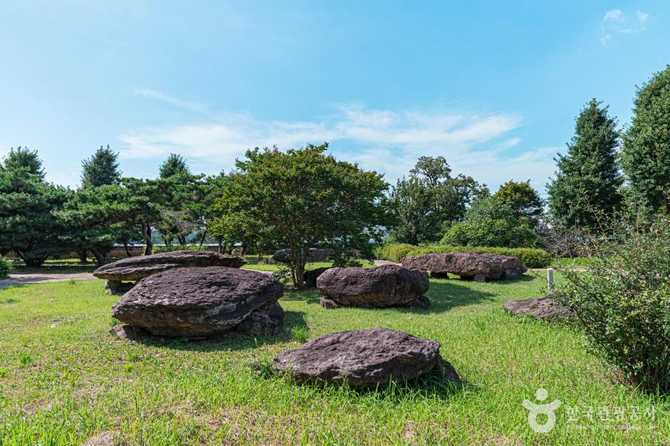
This site originally consisted of 13 dolmens, but today, 10 remain preserved, showcasing diverse construction styles and sizes. The dolmens are primarily built from natural rocks and artificial stones, forming a distinctive architectural style unique to the region. The most prominent features include elongated capstones, some resembling turtle shells, and the arrangement of stones that reflect sophisticated engineering skills of ancient builders.
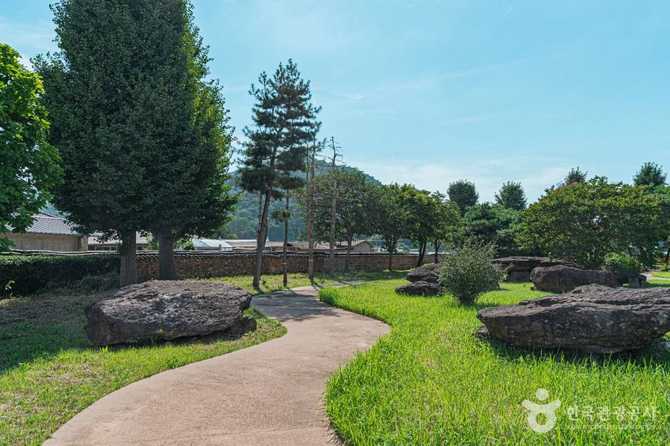
The structures serve as ancient tombs, believed to be used for ritualistic burials and ancestral worship. Their strategic placement and construction reveal insights into social hierarchies and spiritual beliefs during the Bronze Age. Visitors and researchers alike are drawn to the site for its historical significance, archaeological value, and its harmony with the surrounding natural environment. The site’s preservation allows for ongoing study and appreciation of Korea’s prehistoric past, making it an essential destination for history enthusiasts and cultural explorers.
Whether you are interested in ancient architecture, cultural heritage, or archaeological research, the Bonan Guhamri Dolmen Site offers a meaningful connection to Korea’s distant past. Its unique megalithic structures continue to fascinate visitors and serve as a testament to the ingenuity of Bronze Age societies in Korea.

Comparison of Dolmen Structures at the Bonan Guhamri Site
| Feature | Details |
|---|---|
| Number of Remaining Dolmens | 10 (originally 13) |
| Construction Material | Natural rocks and artificial stones |
| Capstone Length | Approximately 6.4 meters |
| Design Features | Turtle-shaped capstones, elongated structures, and varied sizes |
| Structural Arrangement | Some built with four supporting stones, others with natural formations |
| Historical Designation | Designated as a Korean National Historic Site on January 21, 1963 |
This comparison highlights the diverse architectural styles and construction techniques found within the Bonan Guhamri Dolmen Site, reflecting regional variations and cultural significance during the Bronze Age. The unique features, such as the turtle-shaped capstones and the elongated structures, demonstrate advanced engineering and spiritual symbolism, making this site a key archaeological resource for understanding prehistoric Korea.
Historical Significance and Preservation of the Bonan Guhamri Dolmen Site
- Ancient Burial Practices: The dolmens serve as monumental tombs, providing insight into Bronze Age burial rituals and spiritual beliefs.
- Social and Religious Insights: The construction complexity and placement suggest social hierarchies and ritual significance attached to these structures.
- Designated Heritage Site: Since January 21, 1963, the site has been protected as a Korean National Historic Site, ensuring its preservation for future generations.
- Conservation Efforts: Ongoing restoration and preservation work aim to maintain the structures, though some may be affected by natural aging or previous restoration efforts.
- Recognize the site’s importance in understanding Bronze Age society and spiritual practices.
- Support ongoing conservation efforts by respecting signage and barriers.
- Participate in educational programs or guided tours to deepen your understanding of the site’s history.
- Report any damages or suspicious activities to local authorities to aid in preservation.
The Bonan Guhamri Dolmen Site stands as a testament to Korea’s rich prehistoric heritage. Its preservation not only helps us understand ancient burial customs but also highlights the importance of protecting cultural landscapes amidst modern development. Engaging with this site responsibly ensures that its historical and cultural significance endures for future generations to explore and appreciate.
Visitor Information and Access to the Bonan Guhamri Dolmen Site
| Aspect | Details |
|---|---|
| Operating Hours | Open year-round, 24 hours |
| Admission Fee | Free |
| Parking Facilities | Free parking available on-site |
| Visitor Amenities | Restrooms available, information signage, and walking paths |
| Accessibility | Accessible for most visitors, with pathways suitable for walking |
| Contact Information | Buan County Cultural Affairs Office, 063-580-4388 |
| Official Website | https://www.buan.go.kr/tour/ |
Conservation and Cultural Significance of the Bonan Guhamri Dolmen Site
- Ongoing Preservation Efforts: The site is protected as a designated Korean National Historic Site since 1963, with continuous efforts to maintain its structural integrity and prevent deterioration.
- Natural Aging and Restoration: Some dolmen structures may have experienced natural aging or undergone restoration, which can lead to minor variations in appearance. Visitors should respect barriers and signage to avoid unintentional damage.
- Protection Measures: The site is monitored regularly, with measures in place to prevent vandalism or theft of stones, ensuring long-term preservation of the archaeological remains.
- Community and Educational Involvement: Local communities and educational programs actively participate in awareness campaigns and volunteer activities to promote the importance of cultural heritage conservation.
- Visitor Responsibility: Tourists and visitors are encouraged to respect the site by refraining from touching, climbing, or removing stones, and by staying on designated pathways to minimize environmental impact.
Whether you visit during the day or evening, Discover the Bonan Guhamri Dolmen is a meaningful stop on any Seoul itinerary for history-minded travelers.
Frequently Asked Questions (FAQ)
Q1: What is the historical significance of the Bonan Guhamri Dolmen Site?
The Bonan Guhamri Dolmen Site is a key archaeological location from Korea’s Bronze Age, serving as ancient burial sites that reveal early social and spiritual practices. It provides valuable insights into prehistoric Korean societies and their ritualistic customs.

Q2: How many dolmens are currently preserved at the Bonan Guhamri site?
Originally, there were 13 dolmens, but currently, 10 remain preserved. These structures are built from natural rocks and artificial stones, showcasing diverse construction styles.
Q3: What are the distinctive features of the dolmens at this site?
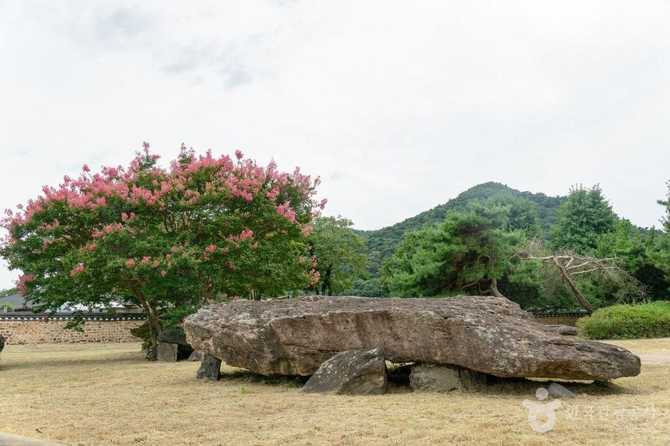
The dolmens feature elongated capstones, some resembling turtle shells, with lengths of about 6.4 meters. Many are built with four supporting stones, and some have unique turtle-shaped capstones, reflecting sophisticated ancient engineering.
Q4: When was the Bonan Guhamri Dolmen Site designated as a historic site?
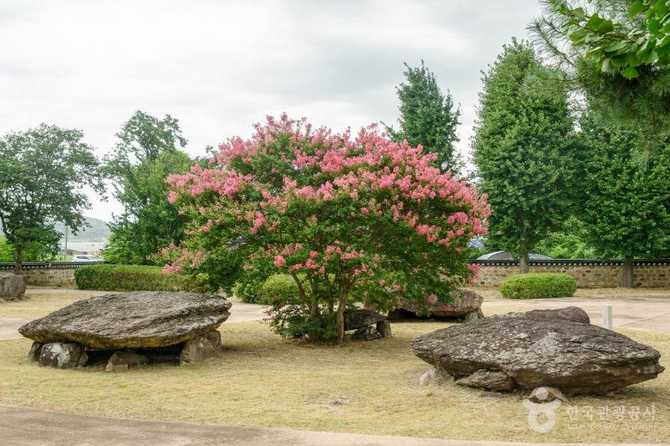
The site was officially designated as a Korean National Historic Site on January 21, 1963, ensuring its protection and preservation as a cultural heritage location.
Q5: Is the Bonan Guhamri Dolmen Site open to visitors year-round?
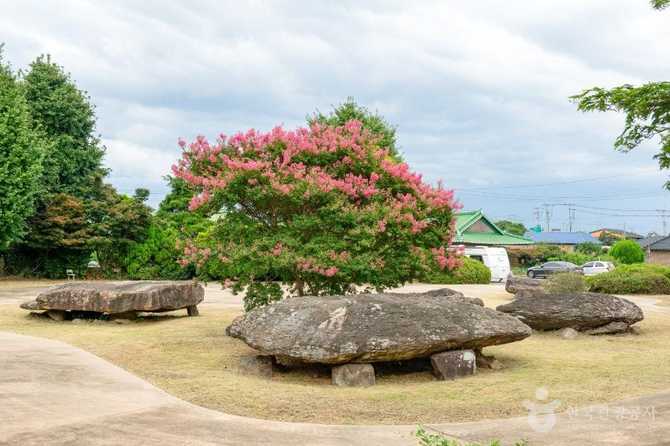
Yes, the site is open to visitors year-round with no restrictions. It offers free parking, and visitor facilities such as restrooms are available for convenience.
Q6: What should visitors be cautious of when exploring the Bonan Guhamri Dolmen Site?
Visitors should be careful to avoid touching or removing stones, as some structures may have been affected by natural aging or restoration. Respect for the site helps preserve its historical integrity for future generations.
Plan Your Visit to the Bonan Guhamri Dolmen Site
Exploring the Bonan Guhamri Dolmen Site offers a unique opportunity to connect with Korea’s rich prehistoric past and appreciate its remarkable ancient engineering. This site provides valuable insights into Bronze Age burial customs and social structures, making it an essential destination for history lovers, archaeologists, and cultural enthusiasts. When planning your visit, remember that the site is open year-round, offering easy access for travelers interested in Korea’s ancient heritage.
To ensure a meaningful experience, consider visiting with a guided tour or joining educational programs that many local cultural centers offer. Respect for the site’s preservation is crucial—avoid touching or removing stones, and follow all signage and barriers. The site features free parking and basic amenities such as restrooms, making your trip comfortable and convenient. Before visiting, check the weather forecast to prepare appropriately for outdoor exploration.
Understanding the significance of the Bonan Guhamri Dolmen Site enhances your appreciation of Korea’s ancient history. Whether you are a casual visitor or a dedicated researcher, taking the time to explore this UNESCO-worthy cultural treasure will deepen your knowledge of Korea’s prehistoric societies. Remember to bring your camera, wear comfortable shoes, and approach the site with respect and curiosity. Your visit will not only enrich your understanding of Korea’s distant past but also support ongoing efforts to preserve this invaluable cultural heritage for future generations.