

출처 : ⓒ한국관광콘텐츠랩 또는 ⓒ한국관광공사
Discover the 4·19 Student Revolution Memorial in Seoul, Korea
Location 서울특별시 강북구 4.19로8길 17 (수유동)
Location 서울특별시 강북구 4.19로8길 17 (수유동)
Are you interested in Korea’s history of democracy and student activism? Visiting the 4·19 Student Revolution Memorial offers a meaningful experience to understand Korea’s fight for democracy and the sacrifices made by students during pivotal moments in history.
At a glance
- Who this is for
-
- Visitors interested in Korea’s democratic history
- Tourists exploring Seoul’s historical sites
- Students and educators studying Korean history
- Travelers seeking meaningful cultural experiences
- History enthusiasts and civic activists
- Key takeaways
-
- The memorial features a 21-meter tall granite monument built in 1962
- Located in Seoul’s Gangbuk District, dedicated to the 1960 student-led protests
- Open year-round with free admission and ample parking
- Symbolizes Korea’s struggle for democracy and sacrifice of youth
- Visiting tips include early morning or late afternoon visits for a peaceful experience
- Tips & cautions
-
- Parking is free for up to 2 hours; space for 100 vehicles
- Visit during operational hours: 06:00–18:00 (summer), 07:00–17:00 (winter)
- Group visits should be scheduled in advance via inquiry
- Respect the site’s solemn atmosphere and memorial purpose
- Bottom line
- Visiting the 4·19 Student Revolution Memorial is a powerful way to reflect on Korea’s democratic journey and honor its young heroes.
Welcome to our comprehensive guide on the 4·19 Student Revolution Memorial in Seoul, South Korea. This historic site stands as a testament to Korea’s fight for democracy, commemorating the sacrifices of student activists who challenged authoritarian rule in 1960. Whether you are a history enthusiast, a student, or a curious traveler, understanding the significance of this memorial enriches your visit and deepens your appreciation for Korea’s democratic development.

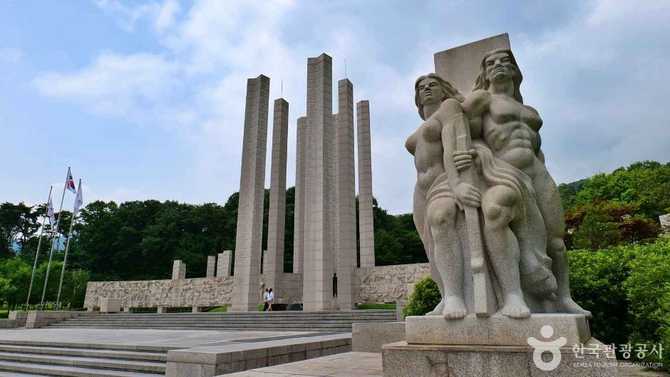
The 4·19 Student Revolution Memorial is not just a monument; it is a symbol of resilience, youth activism, and the enduring spirit of democracy. Located in Seoul’s Gangbuk District, this site offers visitors a chance to reflect on a pivotal moment in Korean history. Built in 1962 and officially unveiled in 1963, the memorial’s granite tower stands 21 meters tall, inscribed with the ideals and sacrifices of those who fought for freedom.
Planning your visit is simple, as the memorial is open year-round and free of charge. It features a spacious parking lot and is easily accessible from various parts of Seoul. Whether you come during the vibrant spring or the quiet winter months, the site provides a peaceful environment for reflection and education. This guide will walk you through the key details, visiting tips, and the historical importance of the memorial, ensuring your experience is both meaningful and memorable.

Location and Historical Background of the 4·19 Student Revolution Memorial
The 4·19 Student Revolution Memorial is a significant historical site located in Seoul’s Gangbuk District, specifically in the Suyu-dong area. As a symbol of Korea’s democracy movement, this memorial commemorates the courageous students who fought against authoritarian rule during the pivotal protests of April 1960. Understanding its location and historical background provides visitors with essential context about Korea’s struggle for freedom and the enduring spirit of youth activism.
Constructed in 1962 and officially opened in 1963, the memorial stands as a testament to the sacrifices made by students and citizens who opposed dictatorship. The site is situated in a peaceful neighborhood, easily accessible via public transportation or car. Its strategic location in Seoul makes it a meaningful stop for those interested in Korea’s political history and democratic development.
The background of the memorial is deeply rooted in the 1960 student-led protests against the authoritarian government of President Syngman Rhee. These protests, known as the April 19 Revolution, played a crucial role in ending Rhee’s presidency and paving the way for democratic reforms. The memorial’s site is not only a place of remembrance but also an educational space that highlights the resilience and bravery of young people fighting for justice.

Today, the memorial continues to serve as a reminder of Korea’s ongoing journey toward democracy, inspiring future generations to uphold the values of freedom, sacrifice, and civic responsibility. Visiting this site offers a profound opportunity to reflect on Korea’s political history and the importance of youth activism in shaping a democratic society.
Comparison of Key Facts About the 4·19 Student Revolution Memorial
| Feature | Details |
|---|---|
| Location | Suyu-dong, Gangbuk District, Seoul |
| Construction Year | 1962 (started), 1963 (official unveiling) |
| Height of the Monument | 21 meters |
| Material | Granite |
| Purpose | Memorialize the 1960 student protests and democratic spirit |
| Operational Days | Open year-round, no holidays |
| Admission Fee | Free |
| Parking Facilities | Free parking for up to 2 hours, 100 spaces |
| Visiting Hours | Summer: 06:00–18:00; Winter: 07:00–17:00 |
Visiting Tips and Practical Information for the 4·19 Student Revolution Memorial
- Check operational hours: The memorial is open year-round. During summer (March to October), visiting hours are from 06:00 to 18:00, while in winter (November to February), hours are from 07:00 to 17:00. Planning your visit within these times ensures a peaceful experience.
- Parking: Use the free parking lot that can accommodate 100 vehicles. Parking is free for up to 2 hours, making it convenient for short visits. Arrive early during peak seasons to secure a spot.
- Admission: Entry to the memorial is completely free. No tickets are required, making it accessible for all visitors.
- Group visits: For large groups or educational tours, it is recommended to contact the site in advance. This helps ensure smooth entry and allows staff to prepare necessary arrangements.
Historical Value and Cultural Impact of the 4·19 Student Revolution Memorial
The 4·19 Student Revolution Memorial holds profound historical significance as a symbol of Korea’s democratic awakening. Erected to honor the bravery and sacrifices of student activists who challenged authoritarian rule in April 1960, the memorial embodies the enduring spirit of youth-led resistance and the fight for freedom. Its presence in Seoul serves as a powerful reminder of the pivotal role young people played in shaping Korea’s political landscape.
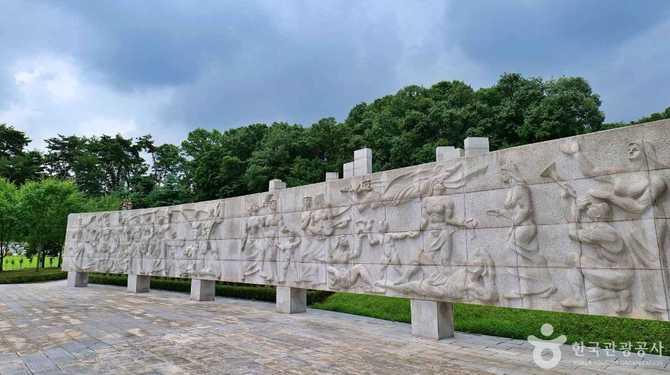
The memorial’s granite tower, standing 21 meters tall, is inscribed with messages commemorating the ideals of democracy, justice, and sacrifice. It functions not only as a site of remembrance but also as an educational platform that inspires civic responsibility and active participation in democracy. Over the decades, it has become a cultural touchstone, inspiring generations to uphold the values of liberty and human rights.
The site’s cultural impact extends beyond its physical structure. It is frequently used for commemorative events, educational programs, and civic gatherings that promote awareness of Korea’s democratic struggles. The memorial fosters a collective memory, linking past sacrifices to present-day democratic pursuits, and encourages visitors to reflect on the importance of civic activism and social justice.
Checklist for Visiting the 4·19 Student Revolution Memorial
- Verify the operational hours for your planned visit season (summer or winter).
- Arrive early or late in the day for a quieter, more reflective experience.
- Use the free parking lot with 100 spaces, and plan to arrive within the 2-hour free parking window.
- Confirm your visit is free of charge—no tickets needed.
- For group visits, contact the site in advance to arrange entry and guide services.
- Respect the solemn atmosphere of the memorial, refraining from loud noises or disruptive behavior.
- Take time to read the inscriptions and reflect on Korea’s democratic history.
- Consider bringing a camera or smartphone for photos, but do so respectfully.
- Follow any posted guidelines or instructions from staff to ensure a respectful visit.
Whether you visit during the day or evening, Discover the 4·19 Student Revolution is a meaningful stop on any Seoul itinerary for history-minded travelers.
Frequently Asked Questions (FAQ)
Q1: When is the best time to visit the 4·19 Student Revolution Memorial?
The memorial is open year-round, with visiting hours from 06:00 to 18:00 during summer (March to October) and 07:00 to 17:00 in winter (November to February). Visiting early in the morning or late in the afternoon offers a quieter and more reflective experience.
Q2: Is there parking available at the memorial?
Yes, the memorial provides a free parking lot with space for up to 100 vehicles. Parking is free for up to 2 hours, and visitors are advised to arrive early during peak times to secure a spot.

Q3: Is there an entrance fee for visiting the memorial?
No, the 4·19 Student Revolution Memorial is open to the public free of charge. Visitors can explore the site without any admission fee, making it accessible for everyone.
Q4: How should I plan for group visits or educational tours?
It is recommended to contact the memorial in advance to schedule group visits. This ensures smooth entry and allows staff to prepare necessary arrangements for a more meaningful experience.

Q5: What is the historical significance of the 4·19 Student Revolution Memorial?
The memorial commemorates the student-led protests of April 1960 against authoritarian rule, symbolizing Korea’s fight for democracy. It honors the sacrifices made by young activists and serves as an educational site to promote civic responsibility.
Q6: Are there any specific guidelines or etiquette I should follow during my visit?
Visitors should respect the solemn atmosphere of the memorial, avoid loud noises, and follow any posted guidelines. It is also advised to arrive during operational hours and to contact the site in advance for group visits or special arrangements.
Final Thoughts on Visiting the 4·19 Student Revolution Memorial in Seoul
Visiting the 4·19 Student Revolution Memorial in Seoul offers a meaningful opportunity to reflect on Korea’s journey toward democracy and the sacrifices made by brave students and citizens. This historic site stands as a powerful reminder of youth activism, resilience, and the enduring spirit of freedom that continues to shape Korea’s political landscape today. Whether you are a history enthusiast, an educator, or a curious traveler, the memorial’s significance goes beyond its physical structure, serving as an educational space that inspires civic responsibility and social awareness.
Plan your visit with ease, as the memorial is open year-round with free admission, making it accessible to everyone interested in Korea’s democratic history. Remember to check the operational hours, especially during seasonal changes, and arrive early or late in the day for a more tranquil experience. The site’s convenient free parking and central location in Seoul make it an ideal stop during your exploration of the city’s cultural and historical landmarks.
By visiting the 4·19 Student Revolution Memorial, you not only honor Korea’s past struggles but also gain a deeper understanding of the importance of civic activism and collective sacrifice. It’s a place that encourages visitors to remember the past, appreciate the present, and be inspired to contribute to a more just and democratic society. Make sure to approach your visit with respect and mindfulness, and take the time to reflect on the enduring legacy of those who fought for Korea’s freedom. This site truly embodies the spirit of democracy and the vital role of youth in shaping history, making it a must-see destination for anyone interested in Korea’s political and social development.