
출처 : ⓒ한국관광콘텐츠랩 또는 ⓒ한국관광공사
Discover Seoul’s Historic Hanok at Gye-dong Bae-ryeom House
Location 서울특별시 종로구 계동길 89 (계동)
Location 서울특별시 종로구 계동길 89 (계동)
Are you interested in exploring traditional Korean architecture combined with modern cultural experiences? Gye-dong Bae-ryeom House offers visitors a unique window into Seoul’s rich history and vibrant contemporary arts scene, making it an ideal destination for travelers seeking an authentic cultural journey.
At a glance
- Who this is for
-
- Travelers interested in Seoul’s historic architecture and culture
- Visitors eager to experience traditional Korean Hanok and modern art
- Culture enthusiasts wanting engaging exhibitions and programs
- Local residents and tourists seeking free cultural activities
- Key takeaways
-
- Built in the 1930s as a city-style Hanok with ㄱ and ㄴ shapes
- Restored and opened to the public in 2017 after renovation
- Offers diverse cultural programs, exhibitions, and experiences
- Located at 89 Gye-dong-gil, Jongno-gu, Seoul
- Free entry, accessible via public transportation
- Tips & cautions
-
- Closed every Monday and public holidays
- No parking facilities; use public transit
- Check the official website for program schedules and reservations
- Wear comfortable clothing suitable for activities
- Bottom line
- Gye-dong Bae-ryeom House is a must-visit cultural space where tradition and modernity beautifully coexist.
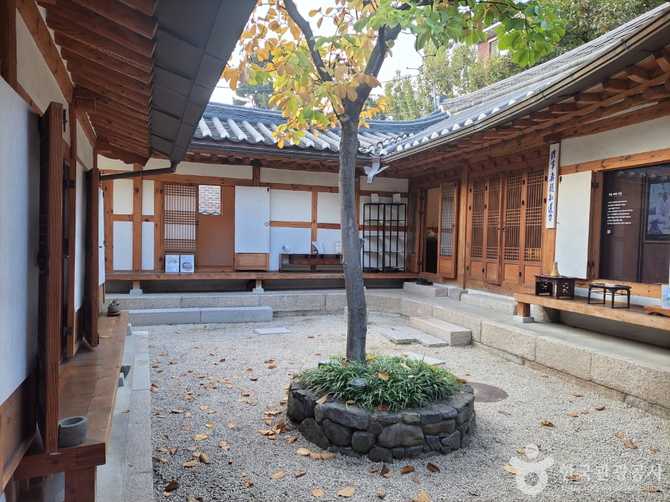
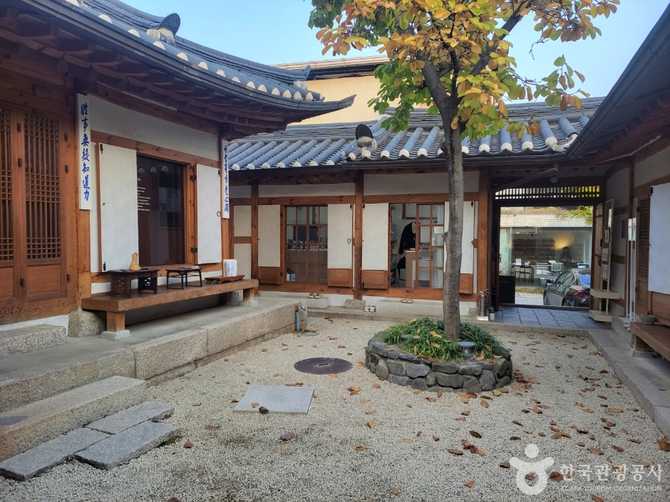
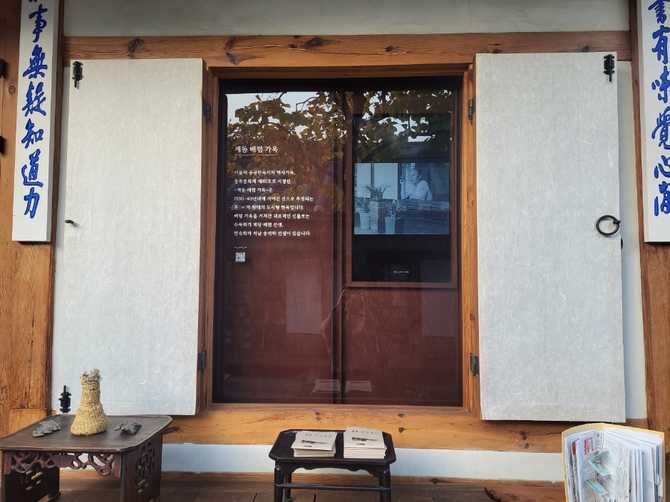
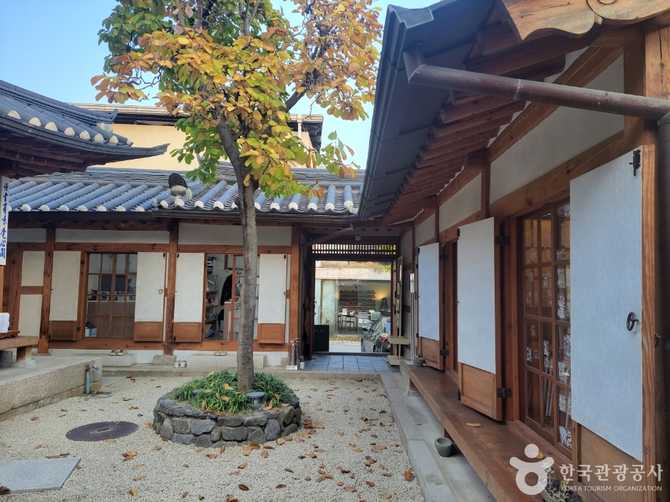
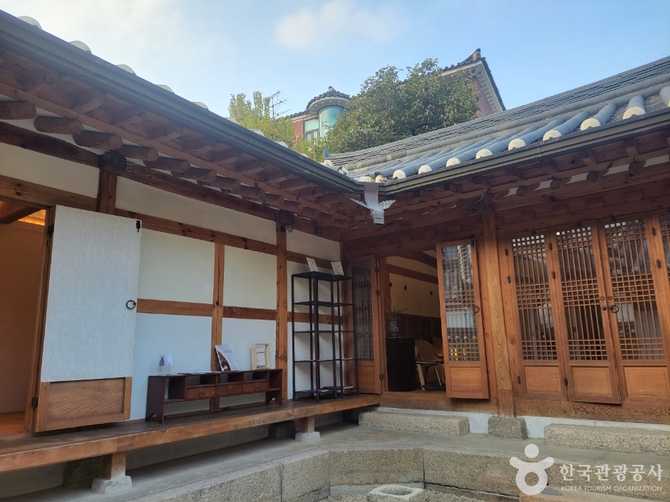
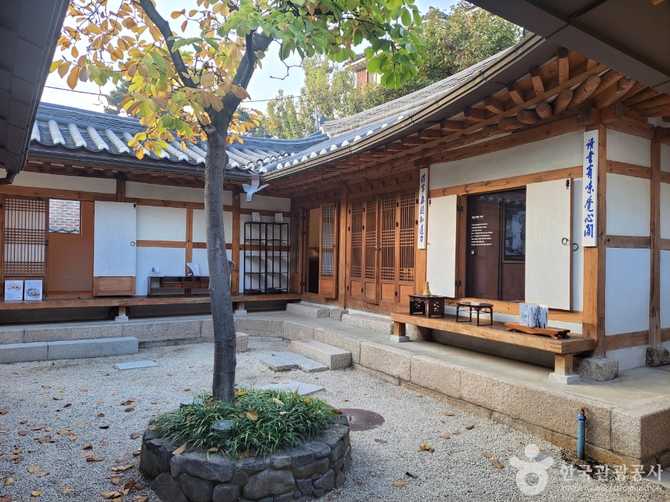
Gye-dong Bae-ryeom House, located in Seoul’s historic Jongno district, is a captivating example of traditional Korean Hanok architecture that has been thoughtfully restored and opened to the public. Built in the 1930s, this urban Hanok features distinctive ㄱ and ㄴ shaped structures, reflecting Korea’s architectural ingenuity of that era. Historically, it served as a residence for Bae-ryeom, a notable figure who lived there from 1959 to 1968, and previously housed the renowned folk scholar Song Seok-ha. After undergoing extensive restoration starting in 2001, the house was reopened in 2017 as a vibrant cultural hub, blending Korea’s rich heritage with contemporary arts and cultural programs.
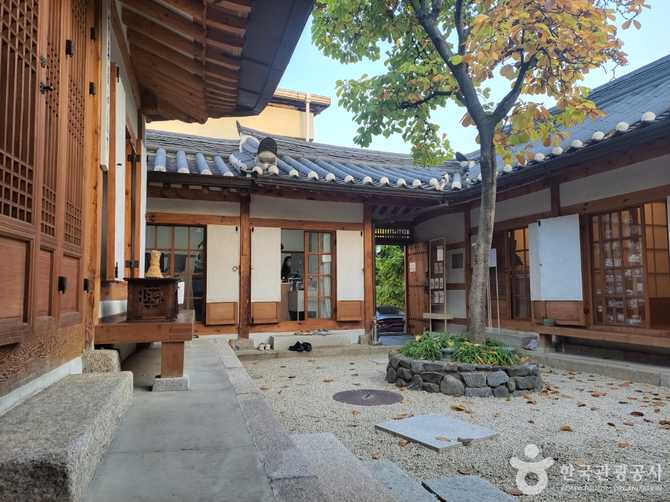
Today, Gye-dong Bae-ryeom House is a dynamic space that hosts exhibitions, film screenings, seminars, and experiential activities, all aimed at deepening visitors’ understanding of Korean history and culture. Its open design encourages community engagement and offers free access, making it an ideal destination for both locals and international travelers. Whether you’re interested in traditional architecture, modern art, or cultural exchange, this space provides a meaningful experience in the heart of Seoul’s historic district. Before visiting, be sure to check their official website for the latest schedule of events and programs, as offerings change annually.
In this guide, you’ll find all the essential information about Gye-dong Bae-ryeom House, from its historical background and cultural significance to visiting tips and program highlights. Embark on a journey that seamlessly connects Korea’s past with its present at this exceptional cultural site.
Gye-dong Bae-ryeom House Overview and Historical Background
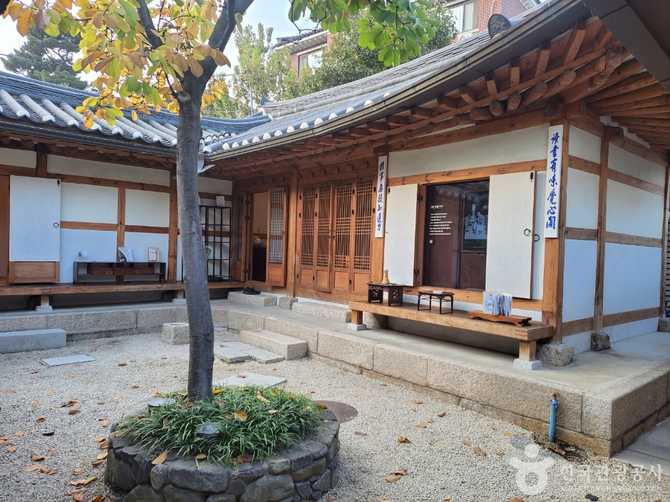
Gye-dong Bae-ryeom House is a prominent example of traditional Korean architecture nestled in the heart of Seoul’s historic Jongno district. Built in the 1930s, this city-style Hanok seamlessly blends Korea’s architectural heritage with the needs of modern urban life. As a cultural landmark, it offers visitors a rare glimpse into Korea’s past, showcasing the elegance and craftsmanship of traditional Hanok design. The house’s distinctive ㄱ and ㄴ shaped structures reflect the architectural ingenuity of that era, emphasizing harmony with nature and functional beauty.
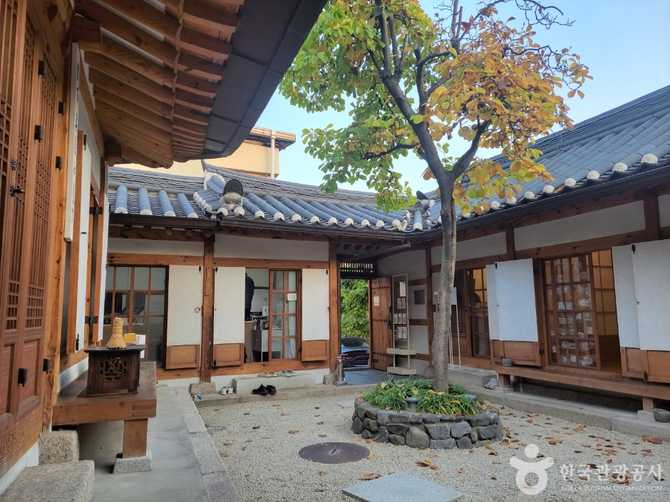
Historically, the house served as a residence for Bae-ryeom, a notable figure who lived there from 1959 to 1968. It also previously housed the renowned folk scholar Song Seok-ha, adding to its cultural significance. After decades of use, the house underwent extensive restoration beginning in 2001, aimed at preserving its architectural integrity while adapting it for public use. In 2017, it was officially reopened as a cultural space accessible to the public, symbolizing Korea’s dedication to conserving its heritage while fostering contemporary cultural activities.
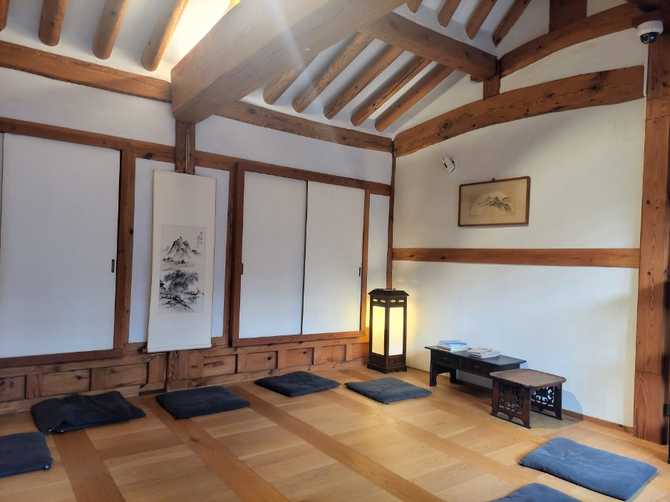
Today, Gye-dong Bae-ryeom House functions as a vibrant hub for cultural exchange, hosting exhibitions, workshops, film screenings, and seminars that highlight Korea’s rich history and artistic traditions. Its open layout encourages community engagement and provides a welcoming environment for visitors of all ages. The house’s location at 89 Gye-dong-gil makes it easily accessible via public transportation, inviting both local residents and international travelers to explore Korea’s cultural legacy firsthand. Visiting Gye-dong Bae-ryeom House offers a meaningful experience that connects the past with the present, making it a must-visit destination for those interested in Korea’s traditional and modern cultural landscape.
Important Tips & Visitor Guidelines for Gye-dong Bae-ryeom House
| Guideline | Details |
|---|---|
| Closed Days | Every Monday and public holidays |
| Parking | No parking facilities available; use public transportation |
| Reservation | Some programs require prior booking; check the official website |
| Dress Code | Comfortable attire suitable for activities and exhibitions |
| Visitor Conduct | Respect the space, do not disturb ongoing programs, and follow staff instructions |
Visitor Checklist Before Visiting Gye-dong Bae-ryeom House
- Check Program Schedule: Visit the official website to confirm current exhibitions and activities.
- Make Reservations: Some experiential programs may require prior booking; verify and reserve in advance.
- Plan Transportation: Use public transit as there is no parking available nearby.
- Prepare Comfortable Clothing: Dress appropriately for walking and participating in activities.
- Review Opening Hours: The site is open from 10:00 AM to 6:00 PM; avoid visiting on closed days.
- Bring Personal Items: Carry essentials such as water, a hat, or a small umbrella for comfort.
- Arrive Early: To fully enjoy the programs and avoid crowds, arrive at opening time.
Whether you visit during the day or evening, Discover Seoul’s Historic Hanok at is a meaningful stop on any Seoul itinerary for history-minded travelers.
Frequently Asked Questions (FAQ)
Q1: When is Gye-dong Bae-ryeom House open to the public?
The house is open year-round from 10:00 AM to 6:00 PM, except on Mondays and public holidays when it is closed. It is recommended to check the official website for the latest updates on operating hours.
Q2: Is there an entrance fee to visit Gye-dong Bae-ryeom House?
No, admission to Gye-dong Bae-ryeom House is free of charge. Visitors can enjoy exhibitions, programs, and the space without any entrance fee.
Q3: What types of cultural programs and exhibitions are available at Gye-dong Bae-ryeom House?
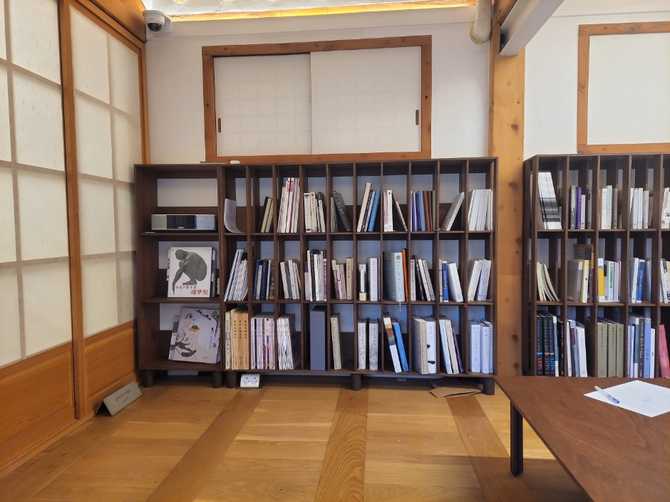
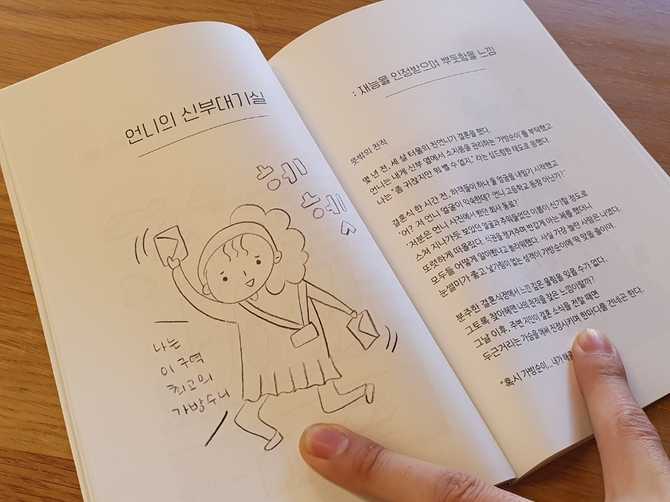
The venue hosts various exhibitions, film screenings, seminars, and experiential activities such as yoga and language classes. Program offerings change annually, so visitors should check the official website for current schedules.
Q4: How can I get to Gye-dong Bae-ryeom House using public transportation?
The house is accessible via Seoul’s public transit system, including buses and subway lines. Since there is no parking available, using public transportation is highly recommended for convenience.
Q5: What is the historical significance of Gye-dong Bae-ryeom House?
Built in the 1930s, it is a representative example of urban Hanok architecture. It was the residence of Bae-ryeom from 1959 to 1968 and previously housed folk scholar Song Seok-ha, adding to its cultural importance.
Q6: Can I participate in hands-on activities or workshops at Gye-dong Bae-ryeom House?
Yes, the house offers various experiential programs such as the “Daily Library,” “Daecheongmaru Yoga,” and “Language World Tour.” Many of these activities require prior reservation, so it is advisable to check the official website for booking details.
Experience the Rich Heritage at Gye-dong Bae-ryeom House
Visiting Gye-dong Bae-ryeom House offers a unique opportunity to immerse yourself in Seoul’s vibrant cultural landscape, where traditional Korean architecture meets contemporary arts and community activities. This historic Hanok, built in the 1930s, stands as a testament to Korea’s architectural ingenuity and cultural resilience. Whether you are a history enthusiast, a lover of traditional Korean design, or simply seeking a meaningful cultural experience, this space provides an accessible and enriching environment for all visitors. The house’s carefully restored structure and thoughtfully curated programs allow visitors to connect deeply with Korea’s past while engaging with its lively present. With free entry and a variety of exhibitions, workshops, and cultural events, Gye-dong Bae-ryeom House is a must-visit destination for those eager to explore Seoul’s historical and artistic heritage. Remember to check their official website for the latest schedules and program updates to make the most of your visit.
A visit to this cultural space not only deepens your understanding of traditional Korean architecture but also offers a chance to participate in dynamic cultural programs and community activities. Its location in the heart of Jongno-gu makes it easily accessible via public transportation, ensuring a convenient and enjoyable experience. Whether you’re interested in exploring historical architecture, attending engaging exhibitions, or participating in hands-on workshops, Gye-dong Bae-ryeom House provides a welcoming environment for all. Taking the time to visit this site enriches your appreciation of Korea’s cultural legacy and helps foster a greater understanding of its evolving artistic scene. As a highlight of Seoul’s cultural offerings, this Hanok is an ideal place to connect with Korea’s history and modern cultural expressions in one meaningful visit. Be sure to plan ahead, review the latest program schedules, and prepare for a memorable journey into Korea’s rich heritage at Gye-dong Bae-ryeom House.