
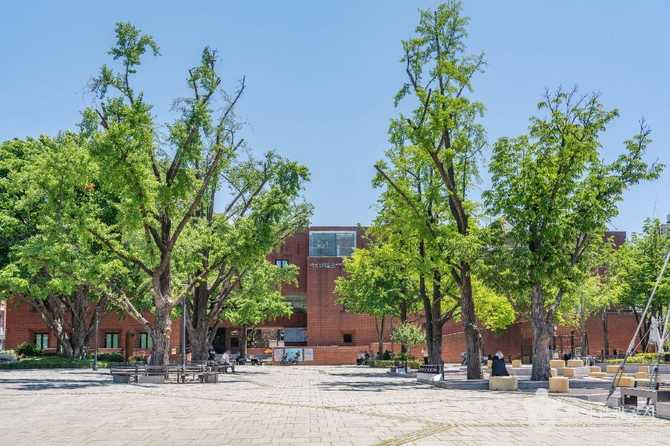
출처 : ⓒ한국관광콘텐츠랩 또는 ⓒ한국관광공사
Discover Maronie Park: Seoul’s Cultural and Natural Oasis
Location 서울특별시 종로구 대학로 104
Location 서울특별시 종로구 대학로 104
Looking for a peaceful escape in Seoul that combines cultural experiences with natural beauty? Maronie Park in Jongno-gu offers a perfect blend of outdoor relaxation, engaging performances, and artistic displays, making it an ideal destination for locals and visitors alike.
At a glance
- Who this is for
-
- Travelers exploring Seoul’s cultural hotspots
- Families seeking outdoor activities and entertainment
- Local residents and tourists interested in arts and nature
- Anyone wanting a free, accessible city park experience
- Key takeaways
-
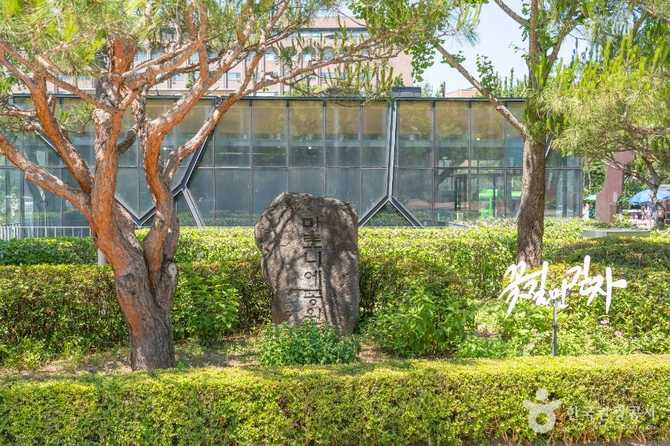
- Established in 1929, symbolized by the Maronie Tree
- Hosts year-round free performances and cultural events
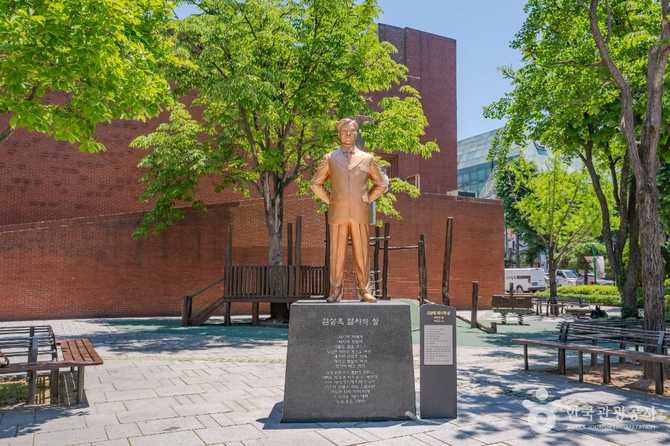
- Features diverse facilities: outdoor stage, fountain park, sculptures, playground
- Located in the heart of Seoul’s Jongno district near cultural venues
- Accessible via public transportation with limited parking
- Tips & cautions
-
- Check event schedules beforehand through official sources
- Use public transit to avoid parking difficulties
- Prepare for outdoor weather conditions during visits
- Keep the park clean and respect facilities
- Bottom line
- Maronie Park is a vibrant, accessible urban oasis that offers cultural enrichment and natural serenity for everyone to enjoy free of charge.
Seoul’s Maronie Park, located in the bustling Jongno district, is a historic and eco-friendly green space that has been a part of the city since 1929. Originally planted during the era of Seoul National University’s early days, the park’s signature Maronie Tree symbolizes its long-standing connection to education, culture, and community. Today, it serves as a beloved cultural hub, blending natural scenery with artistic and recreational facilities. Visitors can enjoy outdoor performances, explore sculptures, and relax in scenic spots, all within a lively urban setting.
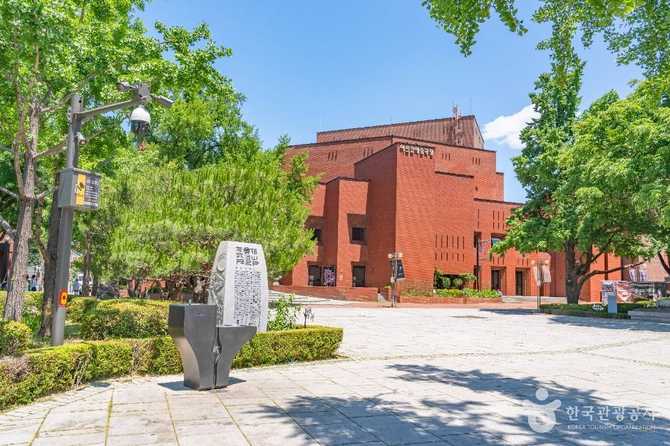
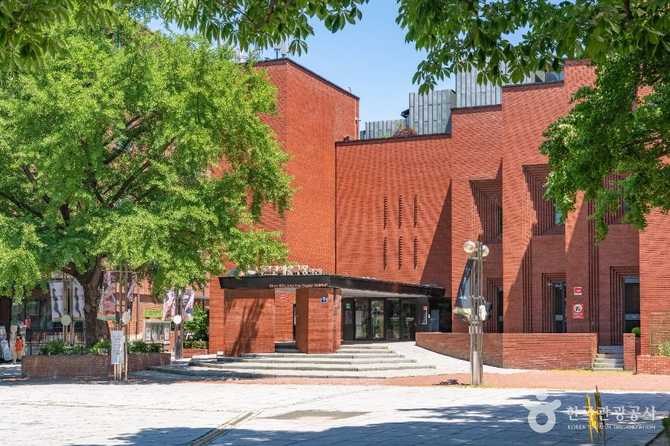
This park is not just a place for leisure but a cultural landmark that hosts a variety of free events throughout the year, making it a perfect destination for families, students, and tourists. Surrounded by theaters, cafes, and restaurants, Maronie Park offers a comprehensive experience that combines art, history, and gastronomy. Whether you’re seeking a peaceful walk, a cultural event, or a family outing, this park provides a welcoming environment for all.
In this guide, you’ll find essential tips on visiting Maronie Park, details about its facilities, and insights into the best ways to enjoy your time here. Planning your visit with prior knowledge of event schedules and transportation options will ensure a smooth and enjoyable experience. From outdoor concerts to sculpture exhibitions, Maronie Park embodies Seoul’s vibrant cultural scene and natural charm, making it a must-visit city park for anyone exploring Korea’s capital.
Maronie Park Overview and Historical Significance
Maronie Park, located in the heart of Seoul’s Jongno district, is a cherished urban green space that seamlessly blends natural beauty with cultural richness. Established in 1929, this park is renowned for its historical significance and its role as a vibrant community hub. The park’s most iconic feature is the Maronie Tree, planted during the early days of Seoul National University, symbolizing education, growth, and community spirit. Over the decades, Maronie Park has evolved from a university campus area into a public space that invites locals and visitors alike to enjoy leisure, arts, and cultural events.
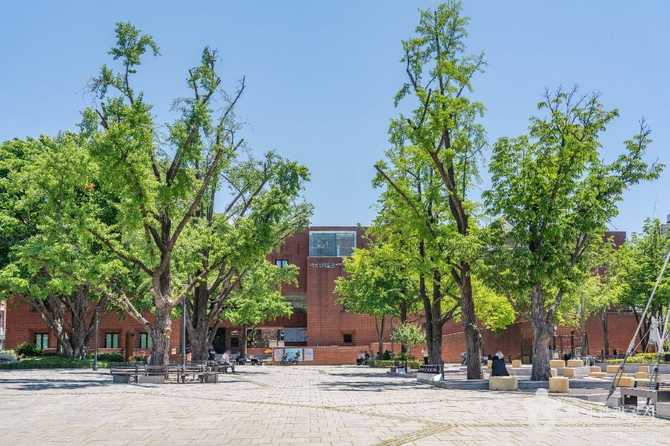
Today, Maronie Park serves as a living testament to Seoul’s history and its ongoing commitment to cultural preservation. Its lush greenery provides a peaceful environment for relaxation and outdoor activities, while its open-air stage hosts numerous free performances and cultural festivals throughout the year. The park’s facilities, including sculptures, fountains, and playgrounds, cater to visitors of all ages, making it an ideal destination for families, students, and tourists seeking a meaningful escape from the city’s hustle and bustle.
The park’s historical roots and modern-day amenities make it a unique blend of past and present. The Maronie Tree, which has stood for nearly a century, is a living monument to the park’s legacy and a favorite spot for visitors to reflect and take photos. Its strategic location near cultural venues like theaters, galleries, and cafes enhances its appeal as a cultural enclave. Whether you’re interested in exploring Seoul’s history, enjoying outdoor performances, or simply relaxing amidst nature, Maronie Park offers an enriching experience that highlights the city’s vibrant cultural scene and natural environment.
Facilities and Cultural Events at Maronie Park: A Comparative Overview
| Facility / Event | Description | Availability & Notes |
|---|---|---|
| Outdoor Stage | Hosts a variety of performances including music, dance, and cultural festivals. | Operates year-round; schedule varies, check official website for updates. |
| Fountain Park | Provides a refreshing space during summer with interactive water features. | Open seasonally; best visited in summer months. |
| Sculpture Exhibits | Features modern sculptures and art installations by local artists. | Accessible anytime; some exhibits may be part of special art festivals. |
| Children’s Playground | Safe, fun play area with slides, swings, and climbing structures. | Open daily; supervision recommended for young children. |
| Cultural Festivals & Events | Includes traditional performances, art fairs, and seasonal celebrations. | Held throughout the year; check official schedule before visiting. |
Visitor Tips and Essential Checklist for Maronie Park
- Plan your visit ahead: Check the official website or contact the park to confirm event schedules and special programs.
- Transportation: Use public transit, especially subway lines 4 (Hyehwa Station) or 1 (Jongno 3-ga Station), as parking is limited.
- Weather preparedness: Bring sun protection like hats and sunscreen in summer, and umbrellas or jackets for unpredictable weather.
- Comfortable attire: Wear comfortable shoes suitable for walking and outdoor activities.
- Food & drinks: Pack snacks or visit nearby cafes and restaurants to enjoy local cuisine after your visit.
- Respect the environment: Use trash bins and help keep the park clean.
Visit Planning & Precautions for Maronie Park
- Check event schedules in advance: Visit the official Seoul Park website or contact the park directly to confirm dates and times for performances, festivals, and special events. This helps you plan your visit around specific activities and avoid missing out.
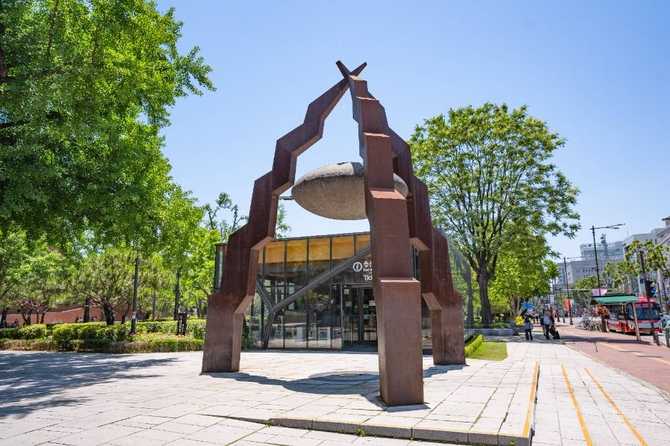
- Use public transportation: Since parking is limited, plan to arrive by subway. The nearest stations are Hyehwa Station on Line 4 and Jongno 3-ga Station on Line 1. Both stations are within walking distance to the park.
- Prepare for weather conditions: Summer visits should include sun protection such as hats, sunglasses, and sunscreen. During colder months or rainy days, bring umbrellas, raincoats, and warm clothing to stay comfortable while enjoying outdoor activities.
- Wear appropriate clothing and footwear: Comfortable walking shoes are recommended, especially if you plan to stroll through the park or attend outdoor performances.
- Bring essentials: Pack water, snacks, and perhaps a picnic blanket if you wish to relax on the grass. Nearby cafes and restaurants also offer a variety of local foods for a quick meal or coffee break.
- Respect park rules and environment: Use designated trash bins for waste disposal, avoid damaging sculptures or plants, and keep noise levels considerate for other visitors.
Essential Checklist for a Smooth Visit to Maronie Park
- Confirm event and performance schedules via the official Seoul Park website or customer service.
- Plan your route using subway lines 4 (Hyehwa Station) or 1 (Jongno 3-ga Station).
- Pack weather-appropriate clothing: hats, sunscreen, umbrellas, jackets, or raincoats.
- Wear comfortable shoes suitable for walking and outdoor activities.
- Prepare snacks, water, and a picnic blanket if desired.
- Check the park’s opening hours and event calendar beforehand.
- Bring a camera or smartphone with sufficient battery charge for photos.
- Respect park rules: dispose of trash properly and keep noise considerate.
Whether you visit during the day or evening, Discover Maronie Park is a meaningful stop on any Seoul itinerary for history-minded travelers.
Frequently Asked Questions (FAQ)
Q1: Is Maronie Park open 24 hours a day?
Yes, Maronie Park is open year-round, 24 hours a day, allowing visitors to enjoy the outdoor space at any time. However, certain facilities and performances may have specific operating hours.
Q2: Are there parking facilities available at Maronie Park?
Parking is limited around Maronie Park, so public transportation is highly recommended. Nearby subway stations include Hyehwa Station (Line 4) and Jongno 3-ga Station (Line 1), both within walking distance.
Q3: Can I attend free cultural events at Maronie Park?
Yes, the park hosts various free performances and cultural festivals throughout the year. It is advisable to check the official schedule beforehand to confirm event dates and times.
Q4: What facilities are available at Maronie Park?
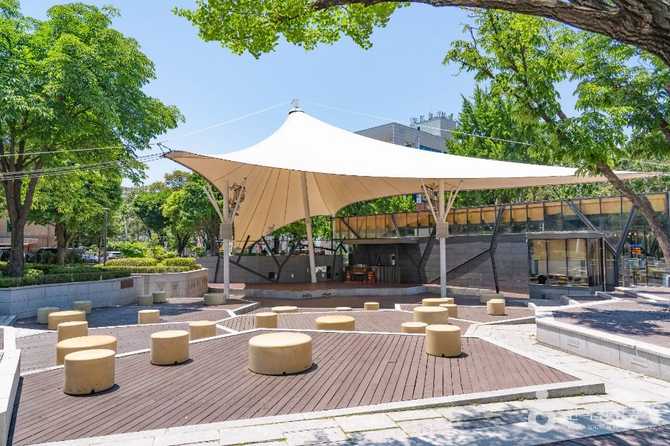
The park offers an outdoor stage for performances, a fountain park, sculpture exhibits, a children’s playground, and open grassy areas. All facilities are free to use and accessible to visitors.
Q5: Are there restaurants or cafes near Maronie Park?
Yes, the surrounding area is filled with cafes, restaurants, and food vendors, providing options for meals, snacks, and beverages after your visit to the park.
Q6: How can I find out about upcoming events at Maronie Park?
You can visit the official Seoul Park website or contact the park directly for the latest information on upcoming performances, festivals, and special events. The official website is http://parks.seoul.go.kr.
Experience the Best of Seoul at Maronie Park
Visiting Maronie Park offers a unique opportunity to immerse yourself in Seoul’s rich cultural heritage while enjoying the tranquility of nature. This historic urban oasis, located in the heart of Jongno-gu, seamlessly combines artistic expression, historical significance, and outdoor leisure. Whether you’re attending a free performance at the outdoor stage, exploring modern sculptures, or simply relaxing in the lush green spaces, Maronie Park provides a welcoming environment for all visitors. Its accessibility via public transportation makes it easy to include in any sightseeing itinerary, and the variety of nearby cafes and cultural venues enhances your overall experience. Remember to check the schedule of events before your visit to make the most of the activities on offer. With its long-standing history and vibrant contemporary culture, Maronie Park is a must-visit destination for those seeking a meaningful and enjoyable day in Seoul. Plan your trip in advance, bring comfortable attire, and prepare to create memorable moments in this beautiful city park.