
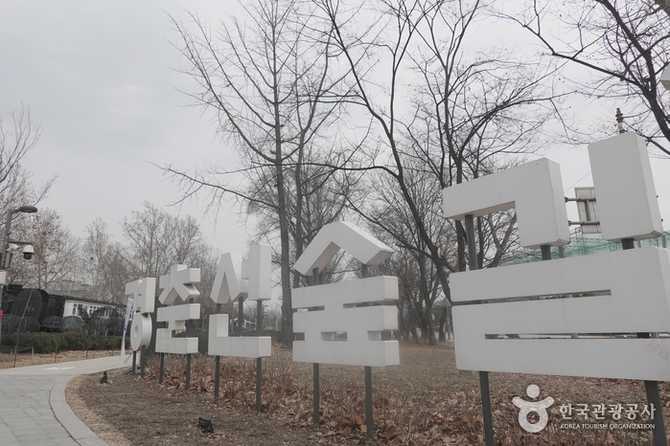
출처 : suh young jin
Discover the Scenic and Historic Gyeongchun Line Forest Trail in Seoul
Location 서울특별시 노원구 하계동 107-2
Location 서울특별시 노원구 하계동 107-2
Looking for a peaceful escape near Seoul that combines natural beauty with a touch of history? The Gyeongchun Line Forest Trail offers a unique walking experience where visitors can enjoy lush greenery and reflect on Korea’s railway past. Whether you’re a family, a couple, or a solo traveler, this trail provides a perfect setting for relaxation, exploration, and cultural connection.
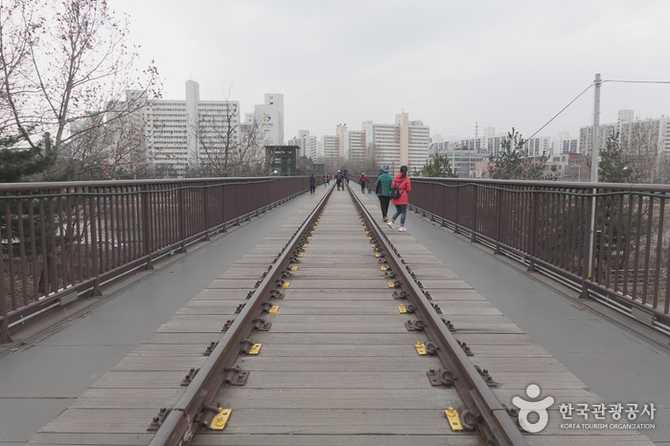
As one of Seoul’s most beloved urban trails, the Gyeongchun Line Forest Trail is a restored section of an old railway line that has been transformed into a scenic walkway. Spanning approximately 250 meters, this trail features various themed zones, natural landscapes, and historical markers. Open year-round and free to access, it’s an ideal destination for anyone seeking a quick nature retreat without leaving the city. Located in Nowon-gu, Hagae-dong, the trail is easily reachable via public transportation, making it convenient for visitors to enjoy a leisurely stroll amid urban serenity.
In this guide, you’ll find comprehensive information about the Gyeongchun Line Forest Trail, including its history, main features, visitor facilities, and helpful tips to enhance your experience. Whether you’re interested in learning about Korea’s railway history, enjoying scenic views, or simply seeking a peaceful place to unwind, this trail offers something for everyone. Prepare your walking shoes, check the weather forecast, and get ready to immerse yourself in a blend of nature and history on this charming urban trail.
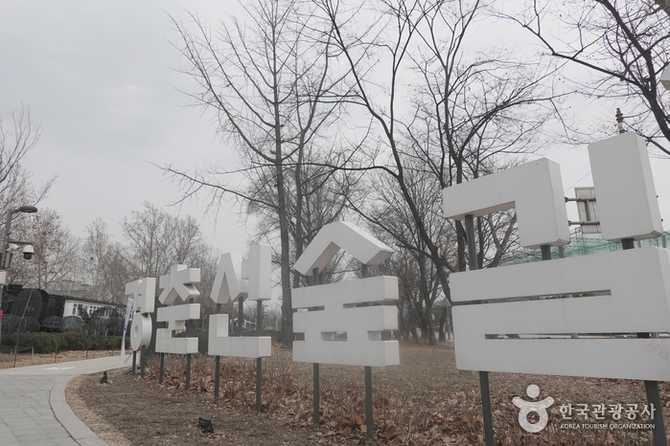
At a Glance
- Who this is for
-
- Travelers exploring Seoul’s nearby natural spots
- Families looking for educational outdoor activities
- History enthusiasts interested in Korea’s railway past
- City residents seeking urban relaxation and healing
- Key takeaways
-
- Restored old railway line opened in 2013
- Approximately 250 meters long with themed zones
- Free, open year-round, no parking facilities
- Located in Nowon-gu, Seoul, accessible via public transit
- Natural scenery combined with historical markers
- Tips & cautions
-
- Use public transportation to avoid parking issues
- Check weather before visiting; dress appropriately
- Bring water and light snacks for a comfortable walk
- Respect natural surroundings and dispose of trash properly
- Visit during early morning or evening for tranquility
- Bottom line
- Gyeongchun Line Forest Trail offers a perfect blend of natural beauty and historical insight in Seoul’s cityscape.
Welcome to our detailed guide on the Gyeongchun Line Forest Trail — a scenic and historic walking path located just outside central Seoul. This trail is a wonderful destination for those seeking a peaceful outdoor experience that combines Korea’s natural environment with its railway history. Restored from an old, decommissioned railway line, the trail has been transformed into a charming urban park that highlights Korea’s industrial past while providing a lush green space for relaxation and recreation.
Whether you’re a local resident or a visitor from abroad, the Gyeongchun Line Forest Trail is easily accessible and offers a tranquil escape from the hustle and bustle of the city. Its short length of about 250 meters makes it ideal for a quick walk, yet the themed zones and scenic views offer plenty to explore. The trail is open throughout the year, free of charge, and features a visitor center with helpful information. Since there are no parking facilities nearby, using public transportation such as buses or subway is highly recommended for a hassle-free visit.
In the sections ahead, we will delve into the history of the trail, highlight its main features, provide practical tips for visitors, and answer common questions. Prepare yourself for a memorable journey through Korea’s past and present, all within a peaceful natural setting. Grab your walking shoes and enjoy a meaningful experience at the Gyeongchun Line Forest Trail.

Gyeongchun Line Forest Trail Overview and History
The Gyeongchun Line Forest Trail is a scenic walking path that beautifully combines Korea’s natural environment with its railway history. Located in Seoul’s Nowon-gu district, this trail is a restored segment of the former Gyeongchun railway line, which played a significant role in Korea’s transportation history. Originally opened in 1939, during the Japanese occupation, the railway was a vital link connecting Seoul to Chuncheon, facilitating regional development and mobility. The line was in operation for over 70 years before being decommissioned in December 2010, as part of Korea’s broader efforts to modernize its transportation infrastructure.
Following its closure, local authorities and community groups undertook a restoration project starting in 2013, transforming the abandoned railway into a public park and walking trail. This effort aimed to preserve the historical significance of the railway while creating a green space for residents and visitors to enjoy. The trail, approximately 250 meters in length, now features themed zones that reflect different aspects of Korea’s railway history, nature, and local culture. It has become a popular urban retreat for families, couples, and individuals seeking a peaceful escape from city life.
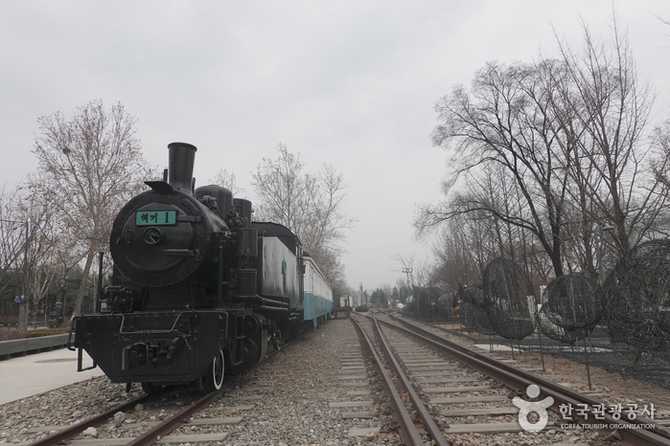
The Gyeongchun Line Forest Trail is notable not only for its historical importance but also for its ecological value. The trail is designed to blend seamlessly with the surrounding natural landscape, featuring native plants, trees, and ecological displays. It serves as a reminder of Korea’s industrial past while promoting environmental awareness and urban biodiversity. Open all year round and free of charge, the trail is accessible via public transportation, making it an easy and attractive destination for anyone interested in Korea’s history, nature, and urban regeneration efforts.
In summary, the Gyeongchun Line Forest Trail is a symbol of Korea’s ability to preserve its industrial heritage while creating sustainable urban green spaces. Its short length makes it ideal for a quick visit, but its thematic zones and historical markers offer educational and cultural insights that enrich the experience. Whether you’re a history buff, nature lover, or simply looking for a relaxing walk, this trail provides a meaningful connection to Korea’s past and present in a tranquil setting.
Comparison of Key Features of Gyeongchun Line Forest Trail
| Feature | Details |
|---|---|
| Historical Background | Originally opened in 1939 during Japanese occupation; decommissioned in 2010; restored starting in 2013. |
| Trail Length | Approximately 250 meters, short but thematically rich. |
| Main Features | Themed zones reflecting railway history, nature, and local culture; ecological displays. |
| Accessibility | Accessible via public transportation; no parking facilities available. |
| Open Hours & Fees | Open year-round, 24/7 access; free of charge. |
| Facilities | Visitor center available; no restrooms or parking on-site; nearby public transit recommended. |
| Best Visiting Time | Early mornings or evenings, especially on clear days for scenic views. |
Visitor Facilities and Accessibility Checklist
- Public Transportation: Use buses or subway to reach the trail; no parking facilities available nearby.
- Visitor Center: Located at the entrance, provides information and guidance about the trail.
- Restrooms: Not available on-site; plan accordingly.
- Accessibility: The trail is flat and suitable for all visitors, including strollers and wheelchairs.
- Weather Precautions: Check the weather forecast before visiting; bring rain gear or sun protection as needed.
- Natural Environment: Respect the surroundings by not littering or damaging plants. Use designated trash bins or take your trash home.
Tips for Visiting and Practical Advice
- Plan Your Visit During Off-Peak Hours: Early mornings or late evenings tend to be quieter, allowing for a more peaceful experience.
- Check the Weather Forecast: Clear, dry days are ideal for walking; bring rain gear or sun protection depending on the forecast.
- Prepare Comfortable Attire: Wear sturdy walking shoes and dress appropriately for the weather conditions.
- Bring Hydration and Snacks: Carry water and light snacks to stay energized during your walk.
- Identify Themed Zones: Familiarize yourself with the different sections of the trail to enhance your exploration and photography.
- Capture Photos: The trail offers scenic views and historical markers—don’t forget your camera or smartphone.
- Visit the Visitor Center: Obtain maps, information, and guidance to maximize your experience.
- Respect Nature and Heritage: Avoid littering, stay on designated paths, and refrain from damaging plants or artifacts.
- Consider Visiting with Family or Friends: The trail is suitable for groups, making it perfect for shared outdoor activities.
- Use Public Transportation: Since parking is limited, plan your route via subway or bus for convenience and environmental friendliness.
Visitor Checklist for Gyeongchun Line Forest Trail
- Confirm public transportation routes and schedules to reach the trail.
- Pack comfortable walking shoes suitable for uneven surfaces.
- Bring water and light snacks for hydration and energy.
- Prepare weather-appropriate clothing, such as hats, umbrellas, or jackets.
- Carry a camera or smartphone for capturing scenic views and historical markers.
- Visit the visitor center upon arrival for maps and additional information.
- Respect natural surroundings by disposing of trash properly and avoiding damage to plants or artifacts.
- Check the weather forecast to avoid visiting during heavy rain or extreme heat.
- Consider visiting during early morning or late evening for a quieter experience.
- Invite friends or family to share the experience and enjoy the walk together.
Whether you visit during the day or evening, Discover the Scenic and Historic is a meaningful stop on any Seoul itinerary for history-minded travelers.
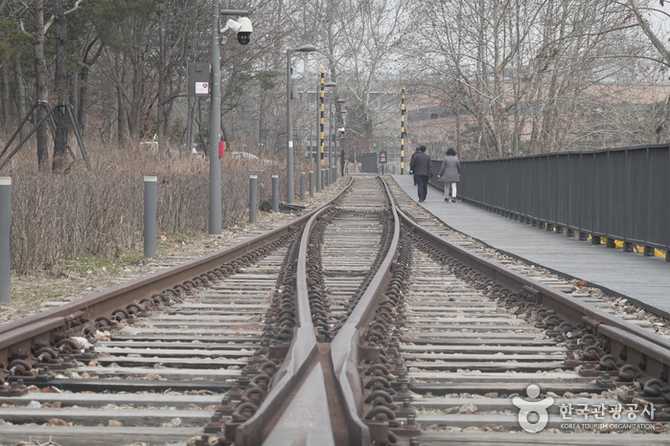
Frequently Asked Questions (FAQ)
Q1: What is the historical background of Gyeongchun Line Forest Trail?
The Gyeongchun Line Forest Trail is a restored section of the old Gyeongchun railway line, originally opened in 1939 during Japan’s occupation of Korea. It was decommissioned in 2010 and transformed into a public park and walking trail starting in 2013, preserving its railway heritage while creating a green space.
Q2: How long is the Gyeongchun Line Forest Trail and what are its main features?
The trail is approximately 250 meters long and features themed zones that reflect Korea’s railway history, nature, and local culture. It includes ecological displays and markers that provide educational insights about the area’s past and environment.
Q3: Are there parking facilities available at Gyeongchun Line Forest Trail?
No, the trail does not have parking facilities. Visitors are strongly encouraged to use public transportation such as buses or subway lines for convenient access to the site.
Q4: Is the Gyeongchun Line Forest Trail free to visit and open year-round?
Yes, the trail is open to the public free of charge and is accessible year-round, 24 hours a day, seven days a week. It is designed for visitors to enjoy anytime, regardless of the season.
Q5: What precautions should visitors take to protect the environment when visiting the trail?
Visitors should avoid littering, respect natural flora and fauna, and refrain from damaging or removing plants or artifacts. Using designated pathways and disposing of trash properly helps preserve the environment.
Q6: When is the best time to visit Gyeongchun Line Forest Trail for a peaceful experience?
Early mornings and late evenings are ideal for a quieter visit, especially on clear days when the scenery is most scenic. Checking the weather forecast beforehand can help plan a comfortable and scenic walk.
Final Tips for Enjoying the Gyeongchun Line Forest Trail
Visiting the Gyeongchun Line Forest Trail offers a unique opportunity to experience Korea’s natural beauty intertwined with its rich railway history. To make the most of your trip, plan ahead by checking the weather forecast and choosing the optimal time for your visit, such as early morning or late evening, when the trail tends to be quieter and more peaceful. Remember that the trail is quite short, approximately 250 meters, but packed with thematic zones and scenic spots perfect for photography and reflection.
Since there are no parking facilities nearby, utilizing public transportation like buses or the subway is highly recommended. This not only ensures easier access but also supports eco-friendly travel. Wear comfortable walking shoes and bring essentials like water, sun protection, and rain gear if needed. Respect the natural environment by disposing of trash properly and avoiding any damage to the flora and fauna along the trail. Taking a moment to appreciate the historical markers and themed zones can deepen your understanding and connection to Korea’s past.
Whether you’re seeking a peaceful escape, a family outing, or a cultural experience, the Gyeongchun Line Forest Trail is an ideal destination. Its accessibility and scenic charm make it a must-visit urban green space near Seoul. By following these practical tips, you can ensure a safe, enjoyable, and meaningful walk, creating memories that blend Korea’s natural environment with its historical heritage. Prepare well, explore thoughtfully, and savor every moment on this remarkable trail that beautifully encapsulates Korea’s ability to preserve its past while embracing sustainable urban living.