
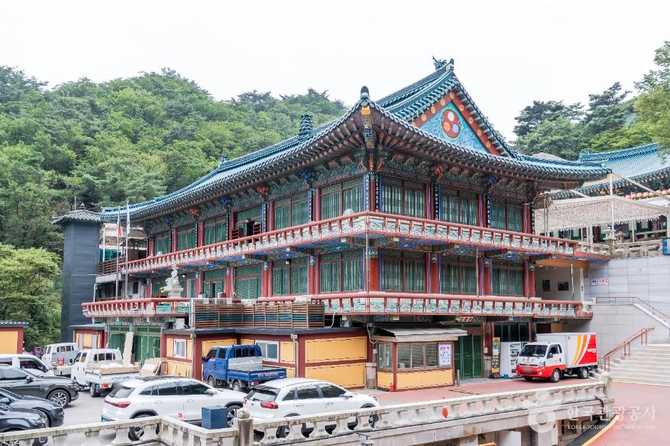
출처 : ⓒ한국관광콘텐츠랩 또는 ⓒ한국관광공사
Discover Doseonsa Temple in Seoul: History, Culture & Visitor Guide
Location 서울특별시 강북구 도선사길 278 (우이동)
Location 서울특별시 강북구 도선사길 278 (우이동)
Are you interested in exploring Korea’s rich Buddhist heritage and historical sites? Visiting Seoul’s Doseonsa Temple offers a unique opportunity to immerse yourself in centuries of tradition, stunning natural scenery, and cultural treasures. Whether you’re a history enthusiast, a nature lover, or seeking tranquility, this ancient temple nestled at the foot of Bukhansan Mountain provides an enriching experience for all visitors.
In this comprehensive guide, you’ll find essential information about Doseonsa Temple’s history, key cultural assets, visitor facilities, and tips for a memorable visit. From its founding in 862 AD by the renowned monk Doseon to its beautifully preserved artifacts and scenic surroundings, Doseonsa embodies Korea’s spiritual and cultural legacy. The temple’s harmonious integration with Bukhansan’s natural landscape makes it a perfect destination for hikers, pilgrims, and tourists alike.
At a glance
- Who this is for
-
- Travelers interested in Korean Buddhist culture and history
- Hikers combining mountain trails with cultural visits
- History buffs seeking ancient temples and artifacts
- Nature lovers wanting scenic temple surroundings
- Anyone seeking peaceful spiritual retreat in Seoul
- Key takeaways
-
- Founded in 862 AD by the monk Doseon, making it a historic site
- Home to important cultural assets like the carved Buddha and wooden statues
- Free admission, parking, and facilities available year-round
- Located near Bukhansan Mountain, ideal for combined hiking and temple visit
- Visit during temple events or ceremonies for a deeper experience
- Tips & cautions
-
- Check temple event schedules before visiting to avoid restricted access
- Respect cultural artifacts by avoiding unauthorized photography or touching
- Wear modest clothing and comfortable shoes suitable for walking
- Use public transportation or arrive early to avoid crowds during peak times
- Follow guidelines for preserving the natural and cultural environment
- Bottom line
- Seoul’s Doseonsa Temple offers a tranquil blend of history, spirituality, and natural beauty, making it a must-visit destination for cultural explorers and nature enthusiasts alike.
Seoul’s Doseonsa Temple, with its deep historical roots and scenic setting, invites visitors to experience Korea’s spiritual heritage firsthand. Established over a millennium ago by the revered monk Doseon, the temple has preserved numerous cultural treasures and continues to serve as a place of worship and reflection. Its location at the foot of Bukhansan Mountain provides breathtaking views and a serene atmosphere, perfect for those seeking peace amidst nature.
Whether you are planning a day trip from Seoul or a dedicated pilgrimage, Doseonsa offers a compelling glimpse into Korea’s Buddhist traditions and architectural history. The temple’s accessibility, free entry, and well-maintained facilities make it an attractive spot for travelers of all ages. Combine your visit with a hike on nearby trails or a walk through the lush mountain landscape to enrich your experience. This guide will help you navigate your visit, ensuring you make the most of this historic and scenic site.
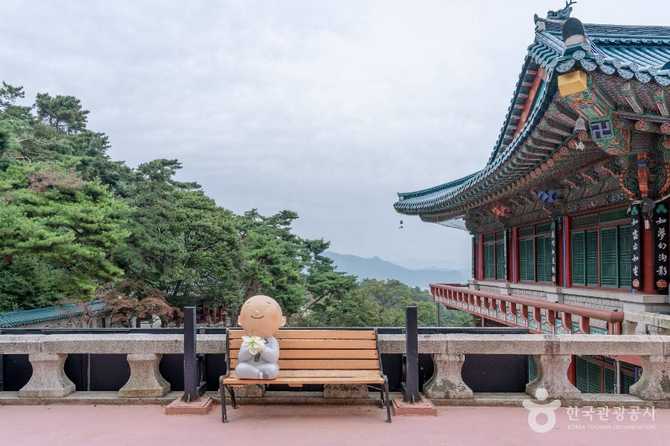
History and Founding of Doseonsa Temple
Doseonsa Temple in Seoul is a historic Buddhist sanctuary with a rich legacy dating back over a millennium. Established in 862 AD by the renowned monk Doseon, this temple has played a significant role in Korea’s spiritual and cultural history. The focus keyword, Doseonsa Temple in Seoul, highlights its importance as a cultural and religious landmark in the heart of the city. The temple was originally built to serve as a center for Buddhist practice and learning, and over the centuries, it has witnessed numerous renovations and restorations to preserve its architectural integrity and spiritual significance.
Throughout its long history, Doseonsa has been a hub for Buddhist monks, pilgrims, and visitors seeking spiritual enlightenment. The temple’s founding story is intertwined with the life of Doseon Guksa, a prominent Buddhist master known for his contributions to Korean Buddhism and geomantic practices. The site was strategically chosen on the slopes of Bukhansan Mountain, offering a tranquil environment conducive to meditation and reflection. Over the centuries, the temple complex expanded, including the construction of main halls, pagodas, and various cultural assets that are now designated as important cultural heritage.
During the Joseon Dynasty and subsequent periods, Doseonsa underwent several renovations, which helped preserve its historical architecture and artifacts. Today, it stands as a testament to Korea’s enduring Buddhist tradition, with relics such as carved Buddha images, wooden statues, and stone sculptures. The ongoing preservation efforts ensure that visitors can experience the historical depth and spiritual atmosphere that have been maintained for over a thousand years. Visiting Doseonsa Temple provides a unique opportunity to connect with Korea’s religious past and appreciate the harmonious blend of natural beauty and cultural heritage.
Key Highlights of Doseonsa’s History
- Founded in 862 AD by monk Doseon, a prominent figure in Korean Buddhism
- Built on the slopes of Bukhansan Mountain, emphasizing harmony with nature
- Served as a center for Buddhist practice, learning, and meditation for over a millennium
- Underwent multiple restorations during the Joseon Dynasty and modern times
- Houses important cultural assets such as carved Buddha images and stone sculptures
Today, the historical significance of Doseonsa Temple in Seoul continues to attract visitors interested in Korea’s spiritual and cultural history. Its ancient origins, combined with well-preserved artifacts and scenic surroundings, make it a must-visit destination for those seeking to explore Korea’s Buddhist heritage in a peaceful natural setting.
Cultural Heritage Preservation & Visitor Tips
Preserving the cultural and historical integrity of Doseonsa Temple in Seoul is a priority for both the local community and heritage organizations. Visitors are encouraged to respect the sacred environment and follow guidelines to ensure the protection of its priceless artifacts and natural surroundings. Proper etiquette and awareness can help maintain the tranquility and authenticity of this historic site.
Below is a comprehensive list of important tips and rules to follow during your visit to Doseonsa Temple:
| Guideline | Details |
|---|---|
| Respect Cultural Artifacts | Do not touch, climb on, or take unauthorized photographs of statues, murals, or relics to prevent damage. |
| Follow Event Schedules | Check the temple’s calendar for special ceremonies or prayer times that may restrict access to certain areas. |
| Dress Modestly | Wear modest clothing and comfortable shoes suitable for walking and climbing stairs. |
| Maintain Quietude | Speak softly and behave respectfully to preserve the peaceful atmosphere. |
| Proper Waste Disposal | Use designated trash bins and avoid littering to protect the natural environment. |
Additional tips include arriving early or late in the day to enjoy a quieter experience, and checking the official website or calling ahead for any special events or temporary restrictions. Remember, your respectful behavior helps preserve the spiritual and cultural essence of Doseonsa Temple for future visitors.

Enjoying the Natural Scenery & Nearby Attractions
Doseonsa Temple’s location at the foot of Bukhansan Mountain makes it an ideal spot for combining cultural exploration with outdoor activities. Visitors can enjoy scenic walks, hiking, and the tranquil beauty of Korea’s natural landscape while immersing themselves in the spiritual ambiance of the temple. Here are some practical tips and a checklist to enhance your experience:
- Start your day early to experience the serenity of the temple before crowds arrive.
- Wear comfortable hiking shoes suitable for uneven terrain and stairs.
- Bring water, sun protection, and a camera to capture the scenic views.
- Take a leisurely walk along the nearby mountain trails to enjoy Bukhansan’s lush scenery.
- Visit the historic Bukhansanseong Fortress nearby for a glimpse into Korea’s military history.
- Respect the natural environment by staying on designated paths and avoiding littering.
- Plan your visit during the early morning or late afternoon for the best lighting and tranquility.
By following this checklist, you can fully appreciate the harmonious blend of natural beauty and cultural heritage that Doseonsa Temple offers. Combining a peaceful walk in nature with a visit to this historic site provides a restorative experience, ideal for relaxation and reflection amidst Korea’s scenic landscapes.
Whether you visit during the day or evening, Discover Doseonsa Temple in Seoul is a meaningful stop on any Seoul itinerary for history-minded travelers.
Frequently Asked Questions (FAQ)
Q1: When was Doseonsa Temple in Seoul founded?
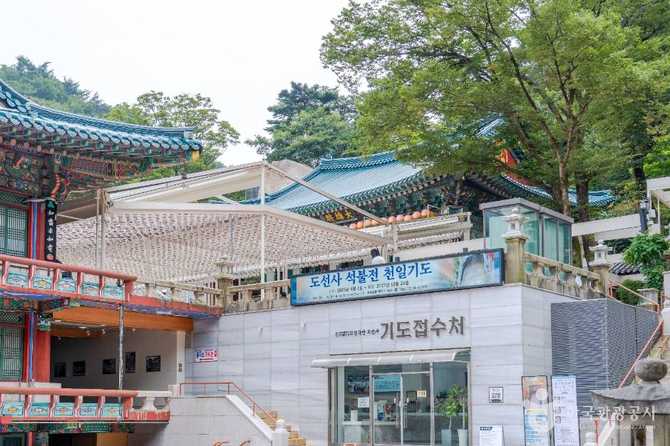
An: Doseonsa Temple in Seoul was established in 862 AD by the renowned monk Doseon, making it one of Korea’s oldest Buddhist temples with over 1,100 years of history.
Q2: What are the main cultural assets at Doseonsa Temple?
An: The temple houses important cultural assets such as the carved Buddha images (Maebul), wooden statues of Amitabha Buddha and Boddhisattvas, and stone sculptures designated as Seoul city cultural heritage.
Q3: Is there an entrance fee to visit Doseonsa Temple?

An: No, Doseonsa Temple in Seoul offers free admission, and visitors can enjoy the temple grounds, parking, and restroom facilities at no cost year-round.
Q4: How can I get to Doseonsa Temple using public transportation?
An: The temple is located at 278 Doseonsa-gil, Bukhansan-dong, Seoul, accessible by bus or subway. The nearest subway station is Gupabal Station, and there are bus stops nearby with routes heading to the temple area.

Q5: Are there any specific visiting hours or restrictions at Doseonsa Temple?
An: Doseonsa Temple operates year-round without specific opening hours but may have restricted access during special ceremonies or events. It is recommended to check the temple’s schedule beforehand to avoid closures or limitations.
Q6: What should I keep in mind to respect the cultural heritage during my visit?
An: Visitors should avoid touching or photographing cultural artifacts without permission, maintain a respectful and quiet demeanor, wear modest clothing, and follow guidelines for preserving the natural and cultural environment of the temple.
Final Tips for Visiting Doseonsa Temple in Seoul
Visiting Doseonsa Temple in Seoul offers a unique opportunity to experience Korea’s rich Buddhist heritage amidst the tranquility of nature. To make your visit as enjoyable and meaningful as possible, plan ahead by checking the temple’s schedule for special ceremonies or events, which may temporarily restrict access to certain areas. Remember to dress modestly and wear comfortable shoes, especially if you plan to walk around the temple grounds or hike nearby trails. Respect for the cultural and spiritual environment is essential; avoid touching artifacts or taking unauthorized photographs, and keep noise levels to a minimum to preserve the peaceful atmosphere. Utilizing public transportation or arriving early can help you avoid crowds and enjoy the serene surroundings more fully. Don’t forget to bring water, sun protection, and a camera to capture the scenic beauty of the area. By following these simple tips, your experience at Doseonsa Temple in Seoul will be both enriching and memorable, allowing you to connect deeply with Korea’s spiritual and natural heritage. This historic temple is truly a special place that leaves a lasting impression on all who visit.