
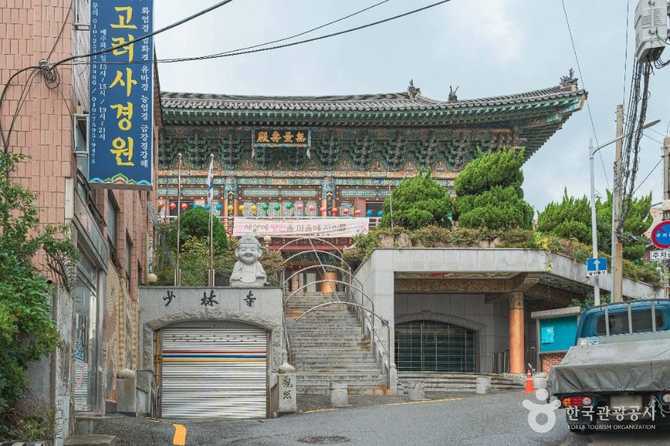
Discover Busan’s Shaolin Temple: History, Events & Visitor Guide
Looking for an authentic cultural and spiritual experience in Busan? Explore the historic Shaolin Temple in Busan, a place rich in tradition, architecture, and religious activities that offers visitors a unique glimpse into Korean Buddhist heritage.
At a glance
- Who this is for
-
- Travelers interested in Korean Buddhist culture
- Visitors seeking spiritual experiences in Busan
- Family groups exploring cultural heritage
- Tourists wanting free and accessible religious sites
- People interested in traditional temple architecture and rituals
- Key takeaways
-
- Founded in 1913, a major Buddhist temple in Busan
- Features main halls such as Muoryangsujeon and Daeungjeon
- Open year-round with free admission
- Hosts regular ceremonies and special events
- Located in Dong-gu, accessible by public transport
- Tips & cautions
-
- Check event schedules in advance via official website or phone
- Respect temple etiquette during visits
- Use public transportation as parking is limited
- Verify special ceremonies or holidays before visiting
- Photography may require prior permission
- Bottom line
- Busan’s Shaolin Temple offers a free, accessible, and culturally enriching experience for all visitors interested in Korean Buddhist traditions.
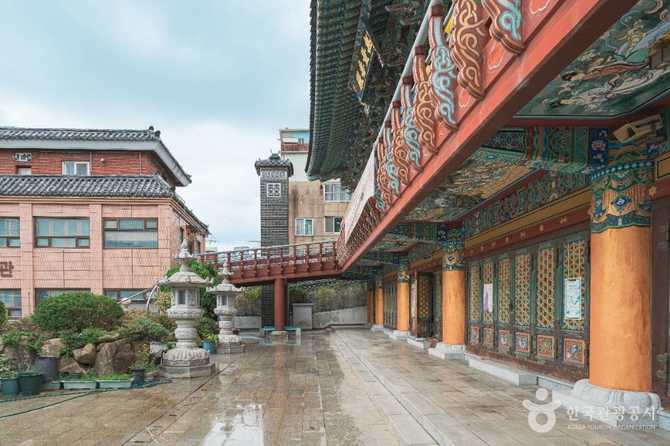
Busan’s Shaolin Temple, known locally as 소림사, is a historic Buddhist temple that has served as a spiritual and cultural hub since its establishment in 1913. Located in the Dong-gu district of Busan, this temple is renowned for its beautiful traditional architecture, significant religious ceremonies, and role in promoting Korean Buddhist culture. Whether you’re a devout practitioner, a cultural enthusiast, or a curious traveler, visiting this temple provides an immersive experience into Korea’s spiritual heritage.
The temple’s history reflects its importance in the local Buddhist community. Originally founded by monk Song-Young, it was later revitalized in 1945 when Bhikkhuni Jeong Geum-gwang took over, transforming it into a modern Korean-style temple with active religious activities. Visitors can explore key halls such as Muoryangsujeon, housing Amitabha Buddha and surrounding Bodhisattvas, and Daeungjeon, with its impressive Sakyamuni Buddha statue. The temple also hosts various ceremonies and meditation sessions throughout the year, many of which are open to the public free of charge.
Accessible and open year-round, Busan’s Shaolin Temple welcomes visitors without an entrance fee. The temple’s location in the heart of Busan makes it a convenient stop for travelers exploring the city. While parking is limited, public transportation options are plentiful, making it easy to reach the site. Visitors are encouraged to check the schedule of upcoming ceremonies and special events in advance, as some activities may require prior registration or have specific visiting hours.
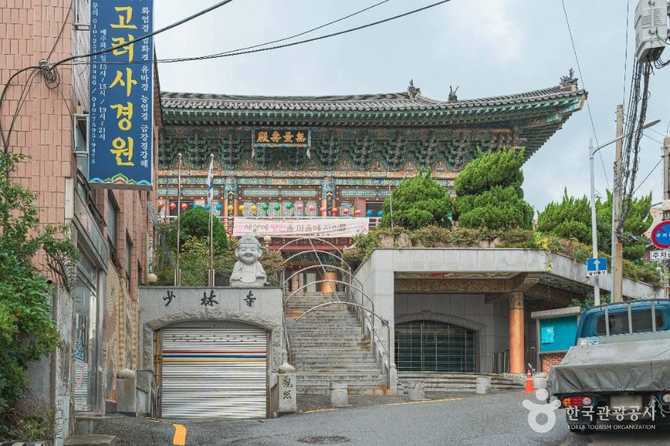
In addition to its spiritual significance, the temple offers a peaceful environment for reflection and cultural appreciation. Facilities such as restrooms, information desks, and quiet resting areas are available for visitors. Remember to observe temple etiquette by maintaining silence, dressing modestly, and refraining from disruptive behavior. Photography is generally permitted but may require prior permission, especially during religious ceremonies.
Whether you’re interested in learning about Korean Buddhist practices, enjoying the serene temple grounds, or participating in a ceremonial event, Busan’s Shaolin Temple provides a meaningful and accessible cultural experience. Plan your visit carefully by consulting the official website or contacting the temple directly to ensure you make the most of your trip.
Overview of Busan Shaolin Temple
Busan Shaolin Temple, known locally as 소림사, is a historic Buddhist temple that has played a vital role in the spiritual and cultural landscape of Busan since its founding in 1913. As one of the city’s most significant religious sites, it offers visitors a unique opportunity to explore traditional Korean Buddhist architecture, participate in religious ceremonies, and immerse themselves in Korea’s rich spiritual heritage. Located in the bustling district of Dong-gu, the temple combines a serene environment with easy accessibility, making it an ideal destination for travelers seeking both cultural enrichment and spiritual reflection.
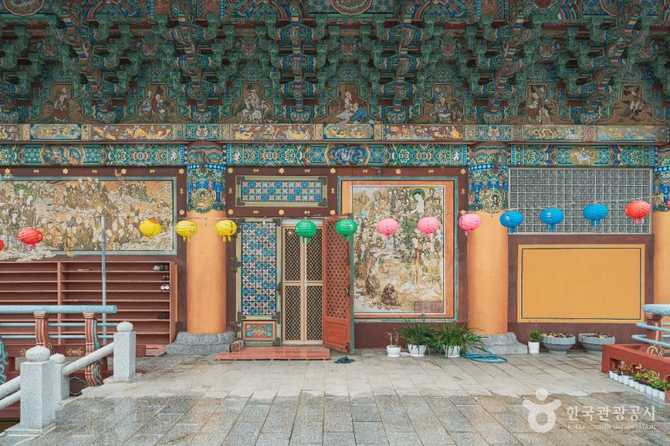
The history of Busan Shaolin Temple is deeply intertwined with the development of Buddhism in the region. Originally established by monk Song-Young, the temple served as a center for Buddhist practice and community activities. After Korea’s liberation in 1945, the temple was revitalized by Bhikkhuni Jeong Geum-gwang, who transformed it into a modern Korean-style temple with active religious and cultural programs. Today, the temple is renowned for its main halls, such as Muoryangsujeon and Daeungjeon, which house important statues and relics that attract both devotees and tourists alike.
Visitors to Busan Shaolin Temple can expect to experience a peaceful atmosphere, participate in various ceremonies, and learn about Korean Buddhist practices. The temple hosts regular events throughout the year, including meditation sessions, prayer services, and special rituals during traditional holidays. All these activities are open to the public free of charge, emphasizing the temple’s role as a community hub and cultural landmark. Its location in the heart of Busan makes it a convenient stop for those exploring the city’s attractions, and its open-door policy invites everyone to experience Korean Buddhist culture firsthand.
Comparison of Main Halls and Sacred Statues at Busan Shaolin Temple
| Hall Name | Main Statues & Contents | Significance |
|---|---|---|
| Muoryangsujeon | Amitabha Buddha, Bodhisattva Avalokiteshvara, Earth Treasury Bodhisattva | Main hall dedicated to Amitabha Buddha, symbolizing compassion and salvation. It is a focal point for prayer and meditation. |
| Daeungjeon | Sakyamuni Buddha, Manjushri Bodhisattva, Samantabhadra Bodhisattva, Jizo Bodhisattva, Hongbeop Daeja | Main hall housing the central Sakyamuni Buddha statue; a place for major ceremonies and offerings. |
Ceremonies and Events Schedule at Busan Shaolin Temple
- Daily Ceremonies: Regular prayer and meditation sessions are held every morning and evening, open to all visitors. These are usually conducted by monks and involve chanting, incense offerings, and silent meditation.
- Monthly Rituals: Special ceremonies such as Buddha’s Birthday, Vesak, and other traditional Buddhist festivals are celebrated with elaborate rituals, Dharma talks, and cultural performances.
- Annual Events: The temple hosts significant events like the Lantern Festival and New Year ceremonies, attracting large crowds and offering a chance for visitors to participate in traditional practices.
- Verify event dates before your visit to avoid missing special ceremonies.
- Arrive early for popular festivals to secure a good viewing spot.
- Respect temple customs by dressing modestly and maintaining silence during rituals.
- Participate in meditation sessions for a more immersive experience.
- Contact the temple beforehand if you wish to participate actively or observe specific ceremonies.
Visitor Information and Facilities at Busan Shaolin Temple
| Aspect | Details |
|---|---|
| Location | Busan, Dong-gu, 초량상로65번길 7 (Choryang-dong) |
| Operating Hours | Open year-round, 24 hours, no closing days |
| Admission Fee | Free for all visitors |
| Parking | Limited parking space; public transportation recommended |
| Facilities | Restrooms, information desk, quiet resting areas, guidance services |
Visitor Tips and Etiquette for Busan Shaolin Temple
- Maintain a quiet and respectful demeanor while inside the temple grounds.
- Dressing modestly is recommended; avoid revealing clothing or attire that may be considered inappropriate.
- Use public transportation whenever possible due to limited parking availability.
- Check the official website or contact the temple in advance to confirm the schedule of ceremonies or special events.
- Arrive early for popular festivals or ceremonies to secure a good viewing position.
- Refrain from loud conversations or disruptive behavior during religious rituals.
- Ask for permission before taking photographs, especially during ceremonies or inside sacred halls.
- Dispose of trash properly by using designated bins or taking it with you.
- Follow any additional guidelines provided by the temple staff or signage to ensure a harmonious visit.
Whether you visit during the day or evening, Discover Busan’s Shaolin Temple is a meaningful stop on any Seoul itinerary for history-minded travelers.
Frequently Asked Questions (FAQ)
Q1: When was Busan Shaolin Temple founded?
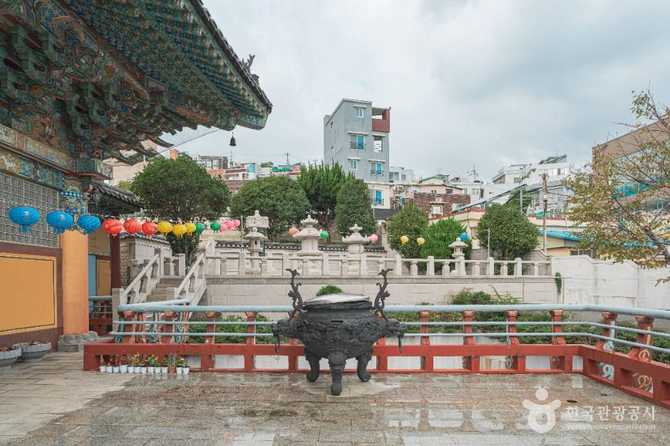
The temple was established in 1913 by monk Song-Young and has since become a significant religious site in Busan. It was revitalized in 1945 by Bhikkhuni Jeong Geum-gwang, modernizing its facilities and activities.
Q2: What are the main halls and statues at Busan Shaolin Temple?
The primary halls are Muoryangsujeon, housing Amitabha Buddha and Bodhisattvas, and Daeungjeon, which contains a large Sakyamuni Buddha statue. These halls are central to the temple’s religious practices and ceremonies.
Q3: Are there regular ceremonies or events at the temple?

Yes, the temple hosts daily prayer and meditation sessions, along with special ceremonies for festivals like Buddha’s Birthday and Vesak. Major annual events include the Lantern Festival and New Year rituals, which are open to visitors.
Q4: How can I get to Busan Shaolin Temple and is parking available?
The temple is located in Dong-gu, Busan, easily accessible by public transportation. Parking is limited, so using buses or taxis is recommended for convenience during visits.
Q5: Is there an entrance fee for visiting Busan Shaolin Temple?
No, the temple is open to the public free of charge year-round. Visitors can explore the grounds and participate in ceremonies without any admission fee.
Q6: What should visitors keep in mind when visiting the temple?
Visitors should observe proper temple etiquette, such as dressing modestly and maintaining silence during ceremonies. It is also advisable to check event schedules in advance and avoid disruptive behavior.
Final Tips for Visiting Busan’s Shaolin Temple
When planning your visit to Busan’s Shaolin Temple, it’s important to prepare in advance to make the most of your experience. Since the temple operates year-round without any closing days and offers free admission, you can visit at your convenience, but checking the schedule of ceremonies and special events beforehand is highly recommended. This ensures you won’t miss out on unique rituals or cultural performances that can enrich your understanding of Korean Buddhist traditions.
Respect for the temple’s customs and etiquette is essential. Remember to dress modestly, speak softly, and maintain a respectful attitude during ceremonies and when exploring the grounds. If you wish to participate actively in rituals or meditation sessions, contacting the temple in advance can provide helpful guidance and ensure your participation is smooth. Additionally, since parking is limited, using public transportation such as buses or taxis is the most convenient way to reach the temple. This not only saves you from parking hassles but also aligns with eco-friendly travel practices.
Lastly, take some time to explore the surrounding area of Dong-gu, where the temple is located. The neighborhood offers a glimpse into local life and provides plenty of opportunities for sightseeing, dining, and shopping after your visit. Whether you’re a devout Buddhist, a cultural enthusiast, or simply a curious traveler, Busan’s Shaolin Temple promises a meaningful and memorable experience. Be sure to allocate enough time for your visit, and enjoy the serenity and cultural richness that this historic site has to offer. With proper planning and respectful conduct, your trip to this iconic temple will surely be rewarding and inspiring.