

출처 : ⓒ한국관광콘텐츠랩 또는 ⓒ한국관광공사
Comprehensive Guide to Yeondeungsa Temple in Busan: History, Culture, and Visitor Tips
Location 부산광역시 동구 좌천동로 17-3 (좌천동)
Location 부산광역시 동구 좌천동로 17-3 (좌천동)
Looking for a peaceful escape in the heart of Busan that combines rich history, stunning cultural heritage, and serene natural surroundings? Yeondeungsa Temple in Busan offers travelers and locals alike a unique opportunity to experience Korean Buddhist traditions amidst a tranquil setting in the bustling city.
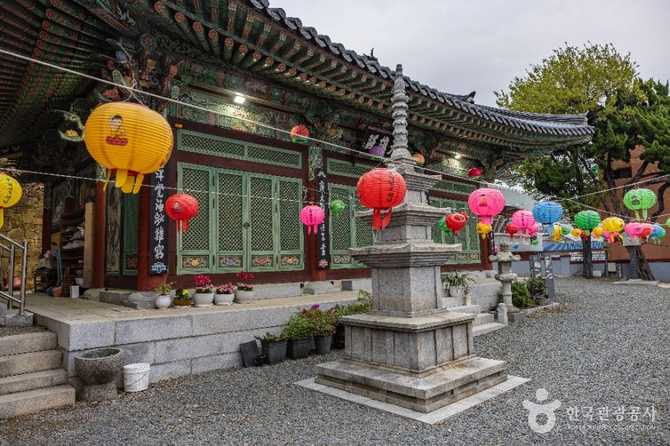
As one of Busan’s most significant cultural landmarks, Yeondeungsa Temple stands out with its deep historical roots dating back to the 1860s. Located in Dong-gu, this ancient temple provides visitors with a glimpse into Korea’s spiritual and artistic heritage, featuring treasured cultural artifacts and traditional architecture. Whether you’re a history enthusiast, a practicing Buddhist, or simply seeking a quiet retreat, Yeondeungsa offers an enriching experience.

In this guide, you’ll find detailed information about Yeondeungsa’s location, how to get there, its historical background, cultural treasures, and practical tips for visiting. Discover why this temple is a must-visit destination in Busan and how you can make the most of your trip by exploring its main attractions, cultural assets, and surrounding natural beauty.
At a Glance
- Who this is for
-
- Travelers interested in Korean history and culture
- Those seeking a peaceful temple experience in Busan
- Practicing Buddhists and spiritual visitors
- Tourists exploring Busan’s cultural heritage sites
- Key takeaways
-
- Located in Dong-gu, Busan, easily accessible by public transport
- Founded in the 1860s with rich cultural and historical assets
- Features important cultural treasures like Buddhist statues and paintings
- Open year-round, free of charge, with limited parking
- Offers a tranquil atmosphere amidst urban surroundings
- Tips & cautions
-
- Use public transportation to avoid parking limitations
- Respect cultural artifacts; avoid flash photography
- Visit during weekdays for fewer visitors
- Check weather conditions before outdoor walks
- Bottom line
- Yeondeungsa Temple is a must-visit cultural and spiritual site in Busan, offering a peaceful retreat rich in history and tradition.
Discovering Yeondeungsa Temple in Busan is a rewarding experience that combines the city’s vibrant urban life with the tranquility of traditional Korean Buddhism. This temple, with its origins in the 1860s, has preserved numerous cultural treasures, including ancient statues, paintings, and architectural marvels. Located conveniently in Dong-gu, the temple is easily reachable by subway and bus, making it an ideal stop for travelers exploring Busan’s cultural landscape.
Whether you are interested in exploring Korea’s religious heritage, enjoying scenic natural surroundings, or seeking a quiet place for reflection, Yeondeungsa offers a perfect blend of all these elements. Its open-door policy year-round and free admission make it accessible to all visitors. As you plan your visit, this guide will help you understand the temple’s significance, navigate its grounds, and appreciate its cultural assets, ensuring a meaningful and memorable experience in Busan.

Yeondeungsa Temple in Busan: An Overview of Its Location, History, and Significance
Nestled in the heart of Busan’s Dong-gu district, Yeondeungsa Temple stands as a prominent spiritual and cultural landmark that offers visitors a glimpse into Korea’s rich Buddhist heritage. Established in the 1860s, this historic temple has served as a place of worship, cultural preservation, and community gathering for over 150 years. Its strategic location in the bustling city makes it an accessible retreat for both locals and travelers seeking tranquility amidst urban life.
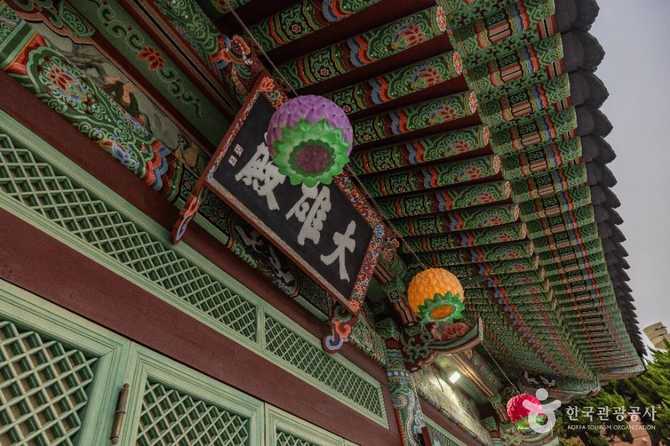
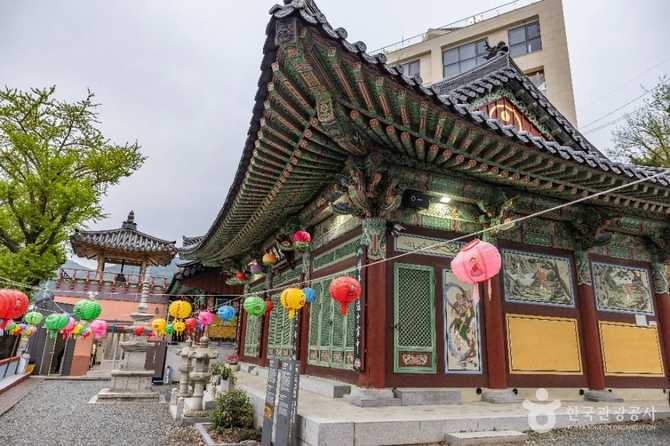
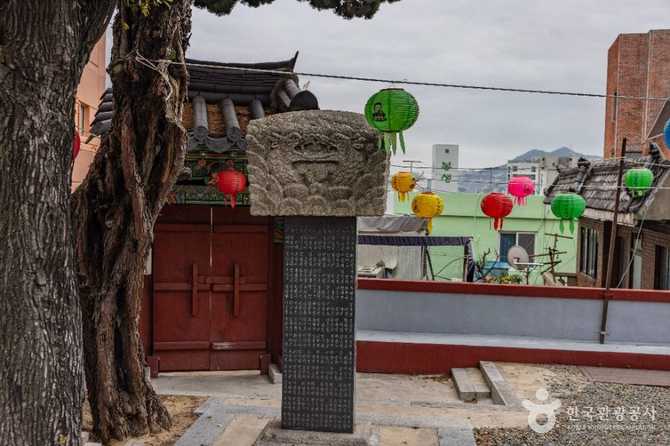
Yeondeungsa is renowned for its harmonious blend of traditional architecture, historical artifacts, and natural surroundings. The temple’s main buildings, such as the Daewoongjeon (Great Hero Hall) and Samseonggak (Three Buddha Hall), are designated cultural assets that reflect Korea’s architectural style and religious artistry. The temple also houses numerous cultural relics, including ancient Buddhist statues, paintings, and stone carvings, which are preserved as part of Busan’s cultural heritage.
Accessible via Busan’s subway system, Yeondeungsa’s location at 17-3 Jwacheon-dong, Dong-gu, makes it an ideal spot for a day trip. Visitors can reach the temple easily from major transit hubs such as Jwacheon Station on Line 1, with just a short walk or bus ride. The temple is open year-round, free of charge, and welcomes all visitors interested in exploring Korea’s spiritual traditions and historical sites. Its peaceful atmosphere, combined with its proximity to the city center, makes Yeondeungsa a must-visit destination for those looking to experience authentic Korean Buddhism and cultural heritage.
Comparison of Key Features of Yeondeungsa Temple
| Feature | Details |
|---|---|
| Location | 17-3 Jwacheon-dong, Dong-gu, Busan |
| Established | 1860s during the Joseon Dynasty |
| Accessibility | Near Jwacheon Station (Line 1), bus routes, and limited parking |
| Main Buildings | Daewoongjeon, Samseonggak, Yeongsanjeon (Hall of Enlightenment) |
| Cultural Assets | Buddhist statues, paintings, stone carvings, and cultural relics |
| Operating Hours | Open year-round, 24 hours (some buildings may have specific hours) |
| Admission Fee | Free |
| Special Features | Cultural relics, scenic natural surroundings, and quiet meditation spaces |
Visitor Checklist for Yeondeungsa Temple
- Plan your visit during weekdays to avoid crowds and enjoy a more peaceful experience.
- Use public transportation such as subway or bus to reach the temple easily, as parking space is limited.
- Respect cultural artifacts by avoiding flash photography and handling relics gently.
- Dress modestly when entering the temple grounds and participating in religious activities.
- Bring water and comfortable shoes for walking around the temple grounds and exploring the cultural relics.
Visitor Tips and Precautions for Yeondeungsa Temple
| Tip or Precaution | Details |
|---|---|
| Respect Cultural Artifacts | Avoid using flash photography and handle relics gently to preserve their condition. |
| Use Public Transportation | Due to limited parking, it is recommended to travel by subway or bus for convenience. |
| Dress Modestly | Wear respectful clothing when entering the temple grounds or participating in religious activities. |
| Bring Water and Comfortable Shoes | Prepare for walking around the temple and exploring cultural relics comfortably. |
| Check Weather Conditions | Review the forecast before your visit, especially if you plan outdoor walks or meditation in scenic areas. |
Recommended Visiting Checklist for Yeondeungsa Temple
- Visit during weekdays to avoid crowds and enjoy a more peaceful atmosphere.
- Plan your transportation using public transit such as subway or bus, as parking is limited.
- Respect the cultural relics by refraining from flash photography and handling artifacts gently.
- Dress appropriately in modest attire suitable for a religious site.
- Bring essentials like water, comfortable shoes, and sun protection for a pleasant visit.
- Allocate sufficient time to explore main buildings, cultural treasures, and enjoy natural surroundings.
- Check the weather forecast before your trip to plan outdoor activities accordingly.
- Be mindful of quiet zones and maintain a respectful volume during your visit.
Whether you visit during the day or evening, Comprehensive Guide to Yeondeungsa Templ is a meaningful stop on any Seoul itinerary for history-minded travelers.
Frequently Asked Questions (FAQ)
Q1: When was Yeondeungsa Temple in Busan established?
Yeondeungsa Temple was founded in the 1860s during the Joseon Dynasty, initiated by a Buddhist monk who recognized the spiritual energy of Palgeum Mountain. Although specific records are limited, its long history makes it a significant cultural site in Busan.

Q2: How can I get to Yeondeungsa Temple in Busan?
The temple is easily accessible via public transportation. It is located near Jwacheon Station on Line 1 of the Busan subway system, with a short walk of about 5 minutes. Bus routes also serve the area, and limited free parking is available for visitors arriving by car.
Q3: What are the main cultural assets at Yeondeungsa Temple?
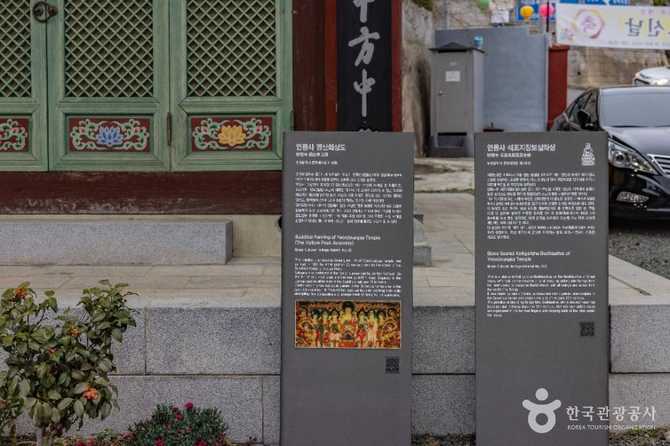
Yeondeungsa houses several important cultural treasures, including Buddhist statues, traditional paintings, stone carvings, and relics such as the wooden Avalokitesvara statue and stone pagodas. Many of these are designated as Busan Metropolitan Cultural Heritage assets.
Q4: Are there any restrictions or precautions when visiting Yeondeungsa?
Visitors should avoid using flash photography to protect the cultural artifacts. It is also important to handle relics gently and dress modestly when participating in religious activities. Parking is limited, so public transportation is recommended.
Q5: What are the most notable cultural relics to see at Yeondeungsa?
The temple features significant relics such as the 20th-century wooden statues of Amitabha Buddha and Bodhisattvas, as well as the Joseon-era stone statues of Gwanseeum (Avalokitesvara) and Jangseung (stone guardians). The Yeongsanjeon Hall and various Buddhist paintings are also highlights.
Q6: What is recommended to do after visiting Yeondeungsa Temple?
After exploring the temple, visitors can enjoy a peaceful walk around its scenic natural surroundings, visit nearby cafes or traditional tea houses, and take time for meditation or reflection. It is ideal to spend some quiet moments appreciating the spiritual atmosphere.
Conclusion: Experience the Serenity and Heritage of Yeondeungsa Temple in Busan
Visiting Yeondeungsa Temple in Busan offers a unique opportunity to immerse yourself in Korea’s rich Buddhist traditions while enjoying the tranquil natural surroundings right in the heart of the city. This historic temple, established in the 1860s, stands as a testament to Korea’s spiritual and cultural heritage, housing invaluable artifacts, traditional architecture, and scenic landscapes that create a peaceful retreat from urban life.
Whether you are a history enthusiast, a practicing Buddhist, or a curious traveler seeking a quiet place for reflection, Yeondeungsa provides an enriching experience that combines cultural discovery with spiritual tranquility. Its accessible location near public transportation makes it easy to include in your Busan travel itinerary, and the free admission ensures that everyone can enjoy its serene atmosphere without concern for cost.
Remember to respect the cultural artifacts and follow visitor guidelines to help preserve this precious site for future generations. Take your time exploring the main halls, appreciating the ancient statues and paintings, and soaking in the natural beauty surrounding the temple grounds. A visit to Yeondeungsa Temple in Busan is not just a sightseeing activity but a meaningful journey into Korea’s spiritual heart and cultural legacy.
Incorporating a trip to Yeondeungsa into your Busan travel plans guarantees a memorable experience filled with history, peace, and authentic cultural insights. Whether you spend a few hours or a whole day exploring its treasures, this temple promises a profound connection to Korea’s spiritual traditions and natural serenity. Make sure to include this remarkable site in your itinerary and enjoy the harmonious blend of history, culture, and tranquility that only Yeondeungsa Temple in Busan can offer.