

출처 : ⓒ한국관광콘텐츠랩 또는 ⓒ한국관광공사
Complete Guide to Visiting Bukchon Hanok Village in Seoul
Location 서울특별시 종로구 계동길 37 (계동)
Location 서울특별시 종로구 계동길 37 (계동)
Discover the charm of Bukchon Hanok Village, a must-visit cultural heritage site in Seoul where tradition meets modernity. Whether you’re interested in traditional Korean architecture, history, or cultural experiences, this guide provides essential information to ensure a smooth and meaningful visit to Bukchon Hanok Village.
Planning your trip to Seoul’s iconic Bukchon Hanok Village? Learn about the latest regulations, visiting hours, and tips to enjoy this historic neighborhood responsibly and safely. From understanding the historical background to navigating visitor rules, this comprehensive guide helps you make the most of your cultural exploration.
At a Glance
- Who this is for
-
- Travelers interested in traditional Korean culture and architecture
- Visitors wanting to explore Seoul’s historic neighborhoods responsibly
- Families and groups seeking quiet cultural experiences in the city
- Tourists wanting updated rules and safety tips before visiting
- Key takeaways
-
- Located in Jongno-gu, Seoul, between Gyeongbokgung and Changdeokgung Palaces
- Visit hours are generally 10:00–17:00, with restrictions after 17:00 in certain zones
- Special management zones from Nov 2024 to Feb 2025 restrict nighttime access
- Preservation efforts blend traditional Hanok architecture with modern influences
- Strict rules include no illegal parking, noise, or unauthorized photography
- Tips & cautions
-
- Check updated visiting hours and zone restrictions before your trip
- Use public transportation; parking is limited within the neighborhood
- Respect local residents by practicing quiet tourism and following rules
- Join guided tours for comprehensive insights and compliance
- Avoid disruptive behaviors like littering, loud noise, or unauthorized photos
- Bottom line
- Respectful, informed visits ensure the preservation of Bukchon Hanok Village’s cultural heritage for future generations.
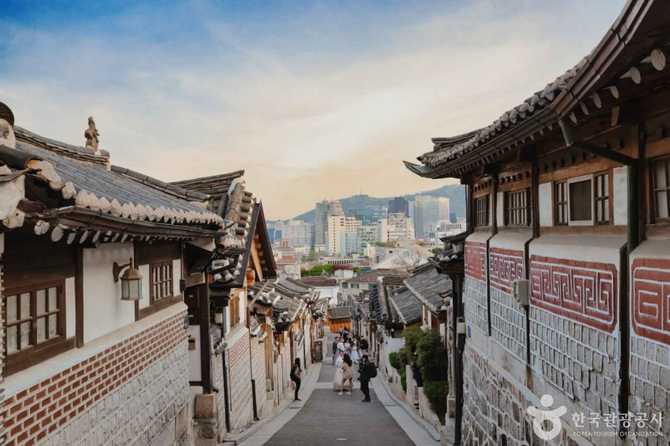
Seoul’s Bukchon Hanok Village is a living museum of Korea’s traditional architecture and history, nestled in the heart of the city. It was originally a residential area for noble families during the Joseon Dynasty, and today, it stands as a symbol of Korea’s cultural pride and historical continuity. Visiting Bukchon Hanok Village offers an immersive experience into Korea’s past, with hundreds of well-preserved Hanok houses, narrow alleyways, and cultural sites.
As one of Seoul’s most popular cultural destinations, Bukchon Hanok Village attracts countless tourists eager to see traditional Korean homes and learn about local history. However, recent regulations aim to protect this fragile cultural landscape, especially during the winter months when stricter controls are in place. Being aware of these rules and the neighborhood’s background ensures a respectful and enjoyable visit. Whether you’re a history enthusiast, a lover of traditional architecture, or a family looking for a quiet cultural outing, understanding the latest guidelines will help you experience Bukchon Hanok Village responsibly and meaningfully.
This guide covers everything from the historical significance of Bukchon Hanok Village to practical tips on visiting hours, rules, and safety precautions. It also explains the ongoing preservation efforts and the importance of adhering to local regulations to maintain the neighborhood’s charm. Prepare yourself with the latest updates, and enjoy a memorable journey into Korea’s rich cultural heritage in one of Seoul’s most iconic neighborhoods.
Overview and Location of Bukchon Hanok Village
Bukchon Hanok Village is a renowned cultural landmark in Seoul, offering visitors a glimpse into Korea’s traditional architecture and historical lifestyle. This historic neighborhood is situated in the heart of Seoul, nestled between the majestic Gyeongbokgung Palace and Changdeokgung Palace. Its name, “Bukchon,” translates to “North Village,” reflecting its original role as a residential area for noble families during the Joseon Dynasty.

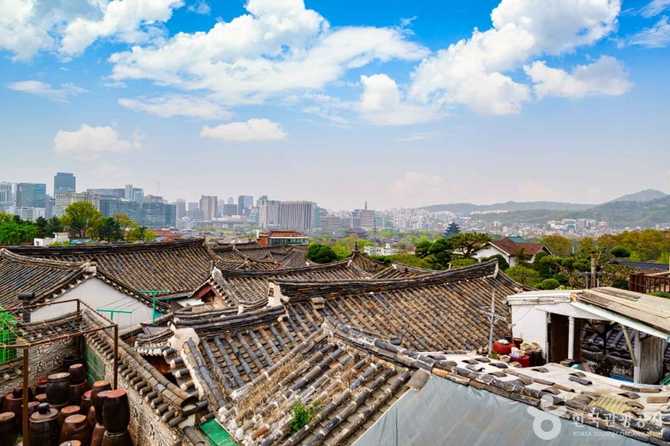
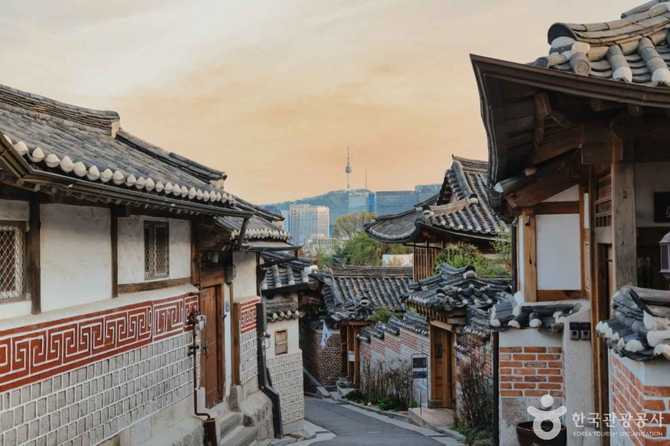
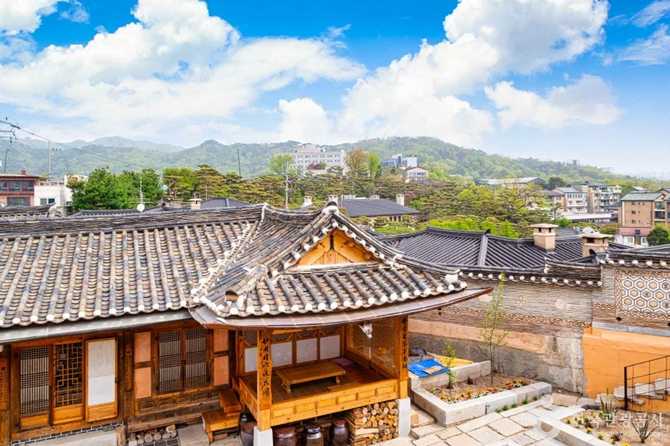
Today, Bukchon Hanok Village is a vibrant living museum where hundreds of well-preserved Hanok houses—traditional Korean wooden homes—stand side by side along narrow, winding alleyways. These structures showcase the unique architectural features of Korea’s cultural heritage, such as curved tiled roofs, wooden beams, and elegant courtyards. The neighborhood’s strategic location within Seoul makes it easily accessible for travelers interested in exploring Korea’s rich history and traditional lifestyle.
The area covers approximately 34,000 square meters and is divided into different zones, each with specific regulations to protect its cultural integrity. Visitors can enjoy scenic viewpoints overlooking the city, traditional tea houses, craft shops, and cultural centers that promote Korean heritage. Since its designation as a protected cultural site, efforts have been made to balance tourism with preservation, ensuring that the neighborhood retains its authentic charm.
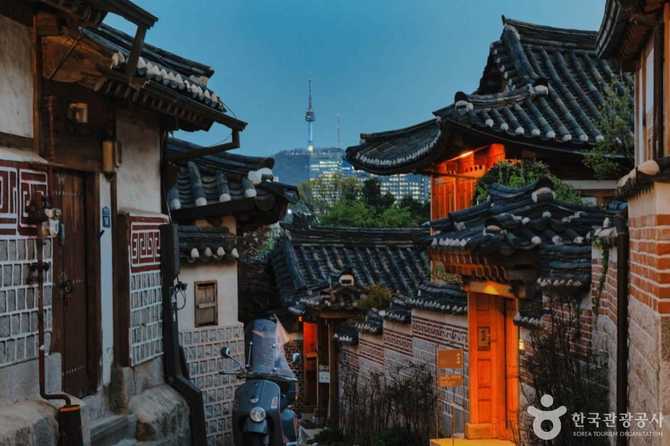
Understanding the location and significance of Bukchon Hanok Village helps visitors appreciate its importance as a cultural treasure. It is not just a popular tourist destination but also a symbol of Korea’s efforts to preserve its traditional architecture amid rapid urban development. When planning your visit, being aware of its historical background and geographical setting enhances your experience and fosters respect for this precious cultural asset.
Comparison of Visiting Hours and Regulations in Bukchon Hanok Village
| Category | Details | Notes |
|---|---|---|
| General Visiting Hours | 10:00–17:00 | Open to all visitors during these hours |
| Special Management Zone (Red Zone) | 17:00–next day 10:00 | Access prohibited; violators face a 100,000 KRW fine |
| Visit Duration | Within 10:00–17:00 for general areas | Ensure timely visits to avoid restrictions |
| Tour Group Regulations | Guided tours with a guide required in restricted zones | Mandatory for large groups to ensure compliance |
| Parking Regulations | No parking within the neighborhood | Use nearby public parking or public transportation |
These regulations are designed to protect the neighborhood’s cultural integrity while allowing visitors to enjoy its beauty responsibly. The restrictions in the Red Zone are strictly enforced, especially during late hours, to prevent disturbances and preserve the peaceful atmosphere of this historic area. Visitors should plan their trips accordingly, respecting the designated visiting hours and rules to ensure a smooth experience.
Historical Background and Architectural Features of Bukchon Hanok Village
- Origins and Development: Bukchon Hanok Village was established during the Joseon Dynasty as a residential area for noble families, especially the yangban class. Its strategic location between Gyeongbokgung Palace and Changdeokgung Palace made it a prestigious neighborhood. Over centuries, it maintained its traditional charm despite urbanization.
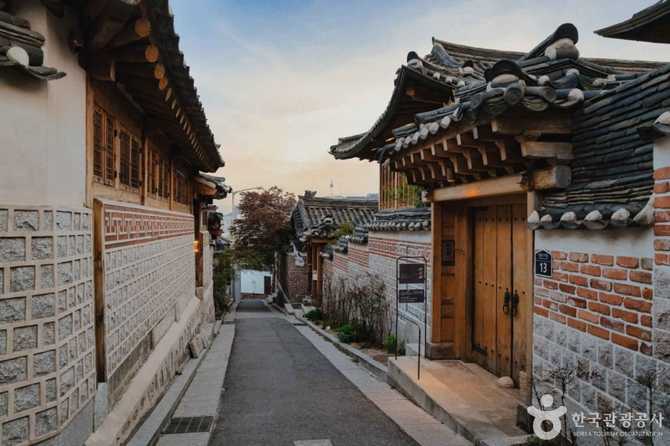
- Architectural Characteristics: The Hanok houses in Bukchon feature traditional Korean architectural elements, including curved tiled roofs, wooden beams, ondol (underfloor heating), and elegant courtyards. Many homes have been preserved or restored to showcase their historical design.
- Modern Influences and Changes: Since the 1920s, some Hanok were reconstructed with modern materials like glass and steel, blending traditional aesthetics with contemporary conveniences. This evolution reflects Korea’s efforts to preserve its heritage while adapting to modern lifestyles.
- Traditional Structure: Wooden framework, tiled roofs, paper windows, and courtyard gardens
- Design Principles: Symmetry, harmony with nature, and spatial flow
- Construction Materials: Mainly wood, clay, stone, and traditional tiles
Preservation and Rules for Visitors in Bukchon Hanok Village
Maintaining the cultural integrity of Bukchon Hanok Village requires strict adherence to preservation policies and visitor guidelines. The neighborhood’s unique architecture and historical significance depend on responsible tourism and community cooperation. Visitors should familiarize themselves with the specific rules designed to protect this treasured cultural site, especially during designated restricted hours and in sensitive zones.
| Aspect | Details |
|---|---|
| Visit Time Restrictions | Visits are permitted from 10:00 to 17:00 in general areas. After 17:00, access is restricted in the Red Zone until 10:00 the next morning. |
| Restricted Zones | The area around Bukchon-ro 11-gil, covering approximately 34,000㎡, is designated as a special management zone where entry is prohibited from 17:00 to 10:00. |
| Behavioral Rules | No illegal parking, loud noise, unauthorized photography, or entry into private properties. Maintain silence and respect residents’ privacy. |
| Group Visits | Guided tours with a licensed guide are mandatory for large groups. Tour guides must accompany visitors at all times. |
| Parking Regulations | Parking within the neighborhood is strictly prohibited. Use nearby public parking facilities or public transportation. |
Adherence to these rules ensures the preservation of Bukchon Hanok Village’s cultural and historical value. Violations, especially in the Red Zone, can result in fines up to 100,000 KRW. Responsible behavior by visitors helps sustain the neighborhood’s charm and respect for local residents and heritage.

Tips for a Responsible and Enjoyable Visit to Bukchon Hanok Village
- Check the latest visiting hours and zone restrictions before your trip to avoid accidental violations.
- Use public transportation or nearby parking facilities, as parking within the neighborhood is limited and prohibited.
- Respect local residents by keeping noise levels down and practicing quiet tourism, especially during early mornings and late evenings.
- Join guided tours led by licensed guides to gain comprehensive insights and ensure compliance with local regulations.
- Avoid littering, unauthorized photography, and entering private properties to preserve the neighborhood’s authenticity and cleanliness.
- Practice silence and mindfulness during your walk, especially in culturally sensitive zones, to promote a peaceful atmosphere.
- Be punctual with your visiting hours to prevent disruptions and respect the neighborhood’s preservation efforts.
- Support local artisans and businesses by purchasing authentic crafts and souvenirs responsibly.
Whether you visit during the day or evening, Complete Guide to Visiting Bukchon is a meaningful stop on any Seoul itinerary for history-minded travelers.
Frequently Asked Questions (FAQ)
Q1: What are the current visiting hours and restrictions for Bukchon Hanok Village?
Generally, Bukchon Hanok Village is open from 10:00 to 17:00 daily. However, in the special management zone (Red Zone), access is prohibited from 17:00 until 10:00 the next day, with strict enforcement and a 100,000 KRW fine for violations.

Q2: Where is the special management zone in Bukchon Hanok Village, and what are the rules?
The Red Zone covers approximately 34,000 square meters around Bukchon-ro 11-gil. Access is restricted from 17:00 to 10:00 the next day, and visitors must adhere to the time limits to avoid fines and legal penalties.
Q3: Are there any fees to visit Bukchon Hanok Village?
No, entry to Bukchon Hanok Village is free of charge. Visitors are expected to follow rules, respect the neighborhood, and maintain quietness during their visit.

Q4: What behaviors are prohibited during a visit to Bukchon Hanok Village?
Activities such as illegal parking, loud noise, unauthorized photography, trespassing into private properties, littering, and disruptive behavior are prohibited. Guided tours with a guide are mandatory for large groups to ensure compliance.
Q5: What is the purpose of silent or quiet tourism in Bukchon Hanok Village?
Silent tourism encourages visitors to explore peacefully without loud noise, preserving the tranquility for residents and maintaining the cultural atmosphere. It is highly recommended to respect local customs and practice quiet walking during your visit.

Q6: How should I handle parking when visiting Bukchon Hanok Village?
There are no parking facilities within the neighborhood; visitors are advised to use public transportation or nearby public parking lots. Walking or cycling is recommended to minimize disturbance and protect the historic area.
Final Tips for Visiting Bukchon Hanok Village Responsibly
Visiting Bukchon Hanok Village offers a unique opportunity to immerse yourself in Korea’s rich cultural heritage. To ensure a respectful and enjoyable experience, it is essential to familiarize yourself with the latest regulations and guidelines. Remember that this neighborhood is not just a popular tourist spot but a living community that preserves traditional Korean architecture and history. Respect the local residents by practicing quiet tourism and adhering to designated visiting hours, especially in the special management zones where restrictions are stricter from November 2024 to February 2025. Using public transportation or nearby parking facilities helps reduce congestion and protects the neighborhood’s tranquility. Always follow the rules against unauthorized photography, littering, and disruptive behavior. Engaging with guided tours can enhance your understanding of the area’s historical significance while ensuring compliance with preservation efforts. By being considerate and well-informed, your visit to Bukchon Hanok Village will be meaningful and sustainable, helping to preserve this precious cultural site for future generations. Enjoy your trip and cherish the timeless beauty of Korea’s traditional architecture in this historic neighborhood.