
출처 : ⓒ한국관광콘텐츠랩 또는 ⓒ한국관광공사
Complete Guide to Seoul’s Printing Districts: Chungmuro and Euljiro Ink Alley
Location 서울특별시 중구 퇴계로37길 14 (충무로4가)
Location 서울특별시 중구 퇴계로37길 14 (충무로4가)
Discover the vibrant heart of Korea’s printing industry by exploring Seoul’s Chungmuro and Euljiro Ink Alley. Whether you’re a printing professional, an aspiring entrepreneur, or a traveler interested in Korea’s industrial heritage, this guide offers comprehensive insights into these historic and modern printing hubs.
In this detailed overview, you’ll learn about the unique characteristics of each district, essential tips for visiting, and how these areas continue to shape Korea’s printing landscape. From traditional print techniques to cutting-edge digital technologies, Chungmuro and Euljiro Ink Alley stand as testament to Korea’s rich industrial history and innovative future.
At a glance
- Who this is for
-
- Printing industry professionals and entrepreneurs in Seoul
- Individuals interested in traditional and digital printing technologies
- Travelers exploring Seoul’s industrial and cultural heritage
- Potential startup founders looking for printing service insights
- Key takeaways
-
- Chungmuro and Euljiro Ink Alley are core centers of Korea’s printing industry with a rich history.
- The districts offer a blend of traditional printing techniques and modern digital printing services.
- Many shops are within walking distance, making it easy to compare services and technologies.
- Visit for industry insights, cultural experience, and networking opportunities.
- Be aware of varying operating hours and limited parking; public transportation is recommended.
- Tips & cautions
-
- Check individual shop hours and holidays before visiting.
- Use public transit to avoid parking issues; nearby subway stations are convenient.
- Compare prices and services across multiple shops for the best deal.
- Understand the differences between traditional and digital printing to choose appropriate services.
- Bottom line
- Chungmuro and Euljiro Ink Alley are essential destinations to experience Korea’s printing heritage and technological innovation.
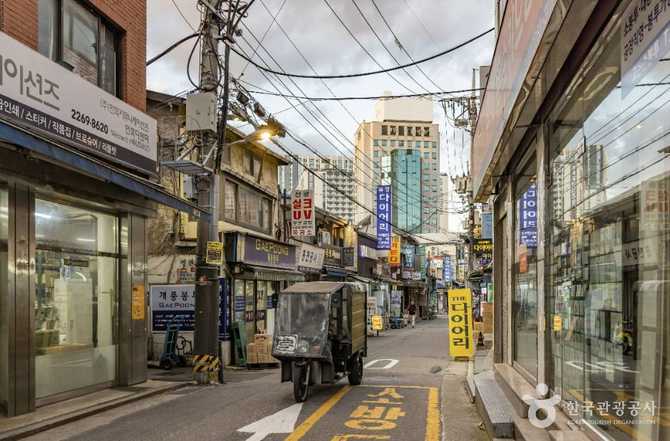
Seoul’s Chungmuro and Euljiro Ink Alley are renowned for their long-standing history and ongoing innovation in the printing industry. Located in Seoul’s Jung-gu district, these districts serve as the backbone of Korea’s printing sector, offering a fascinating mix of traditional craftsmanship and modern digital solutions.
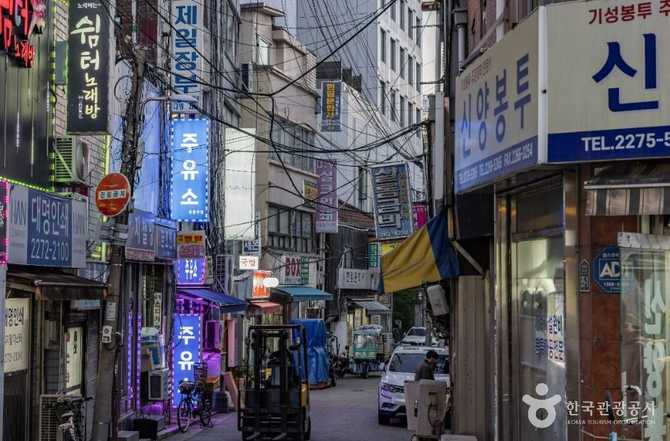
Whether you’re visiting to explore Korea’s industrial past, seeking printing services, or considering starting your own printing business, understanding the distinct features of Chungmuro and Euljiro Ink Alley can greatly enhance your experience. These areas are not only industrial hubs but also cultural spaces where Korea’s printing legacy continues to thrive amidst technological advancements.
Overview of Seoul’s Chungmuro and Euljiro Ink Alley
Seoul’s Chungmuro and Euljiro Ink Alley are renowned as the heart of Korea’s printing industry, representing a vibrant blend of traditional craftsmanship and cutting-edge digital technology. These districts, located in the Jung-gu area of Seoul, serve as the central hubs for printing professionals, entrepreneurs, and cultural enthusiasts alike. The focus keyword, Seoul’s Chungmuro and Euljiro Ink Alley, encapsulates the essence of this dynamic industrial landscape that has evolved over decades.
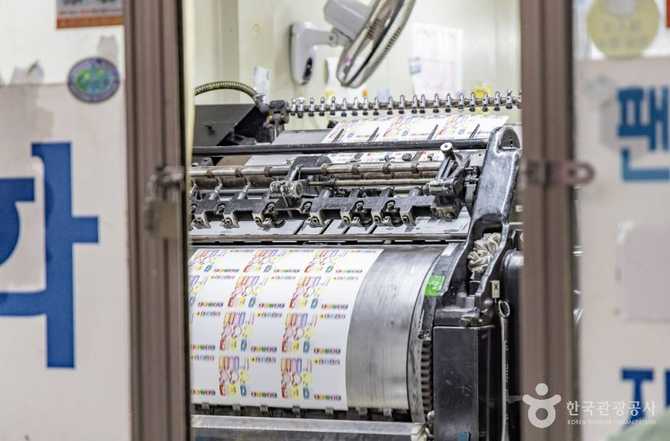
The districts are historically significant, with a deep-rooted legacy in Korea’s printing industry. Chungmuro Ink Alley is famous for its traditional printing shops that still utilize manual and mechanical printing techniques, preserving Korea’s printing heritage. Meanwhile, Euljiro Ink Alley has become a hub for modern digital printing services, featuring state-of-the-art equipment and innovative solutions. Visitors can experience a fascinating juxtaposition of old and new, making these districts a must-visit for anyone interested in Korea’s industrial history or seeking quality printing services.
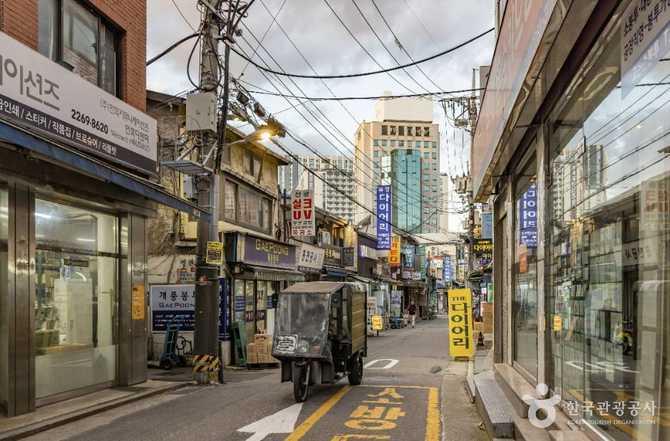
Both districts are conveniently located within walking distance, typically less than 10 minutes apart, allowing visitors to explore a comprehensive range of printing services and technologies in a single trip. Whether you are a printing industry veteran, a startup entrepreneur, or a curious traveler, the districts offer valuable insights into Korea’s ongoing industrial evolution. From traditional plate-making and manual printing to advanced digital workflows, Seoul’s Chungmuro and Euljiro Ink Alley showcase Korea’s rich printing legacy and its forward-looking innovations.
This overview aims to provide a clear understanding of the significance of these districts, highlighting their roles as cultural and industrial landmarks. Visitors can expect to find a diverse array of printing services, learn about Korea’s printing history, and witness how traditional techniques are being integrated with modern digital solutions. Whether for business, cultural exploration, or academic research, exploring Seoul’s Chungmuro and Euljiro Ink Alley offers an immersive experience into Korea’s vibrant printing industry.
Comparison of Chungmuro and Euljiro Ink Alley
| Feature | Chungmuro Ink Alley | Euljiro Ink Alley |
|---|---|---|
| Primary Focus | Traditional printing techniques, manual and mechanical printing | Modern digital printing and high-tech solutions |
| Main Services | Plate-making, letterpress, offset printing | Digital printing, large-format printing, design services |
| Industry Type | Traditional print shops, artisanal printers | Contemporary print shops, digital service providers |
| Technological Level | Mostly mechanical and manual equipment | State-of-the-art digital printers and design tools |
| Visitor Experience | Historical workshops, traditional craftsmanship | Modern showrooms, digital innovation centers |
Checklist for Visiting Seoul’s Ink Alley Districts
- Research individual shop hours: Check the operating hours and holidays of specific printing shops before your visit to avoid disappointment.
- Plan your route: Both districts are walkable, so plan a route that allows you to explore multiple shops efficiently.
- Compare services and prices: Visit several shops to compare printing techniques, costs, and turnaround times.
- Understand printing types: Familiarize yourself with traditional vs. digital printing to select the right service for your needs.
- Use public transportation: Due to limited parking, it’s recommended to use Seoul’s subway system, with Chungmuro Station (Line 3) being the most convenient.
Cultural and Industrial Heritage of Seoul’s Printing Districts
At a glance
- What makes these districts culturally significant
-
- Rich history rooted in Korea’s traditional printing techniques
- Spaces where old craftsmanship meets modern innovation
- Regular exhibitions and cultural events celebrating printing heritage
- Preservation of industrial architecture and artisanal skills
- Industrial importance
-
- Major centers for Korea’s printing evolution from manual to digital
- Home to pioneering companies integrating traditional and modern printing methods
- Contribute significantly to Seoul’s cultural and industrial landscape
- Support ongoing innovation through workshops and industry events
- Visitor experience
-
- Opportunity to explore historical printing workshops
- Participate in cultural programs and printmaking demonstrations
- Learn about Korea’s printing history through exhibitions and guided tours
- Experience the blend of tradition and modernity firsthand
Whether you visit during the day or evening, Complete Guide to Seoul’s Printing is a meaningful stop on any Seoul itinerary for history-minded travelers.
Frequently Asked Questions (FAQ)
- How do I best experience Korea’s printing heritage in Seoul? Visit both Chungmuro and Euljiro Ink Alley districts to see traditional workshops, modern digital print shops, and cultural exhibitions that showcase Korea’s printing evolution.
- Are there guided tours available in these districts? Yes, some local tour operators offer specialized cultural and industrial heritage tours, including visits to historical printing shops and workshops.
- What are the must-see attractions in Seoul’s printing districts? Key attractions include traditional printing workshops in Chungmuro, digital innovation centers in Euljiro, and cultural exhibitions related to Korea’s printing history.
- Can I participate in hands-on printmaking activities? Many shops and cultural centers offer printmaking demonstrations and workshops, providing an interactive experience for visitors.
- What is the best time to visit Seoul’s printing districts? Spring (April to June) and autumn (September to November) are ideal for pleasant weather and cultural events, but the districts are accessible year-round.
Frequently Asked Questions (FAQ)
Q1: What is the significance of Seoul’s Chungmuro and Euljiro Ink Alley?
Seoul’s Chungmuro and Euljiro Ink Alley are historic centers of Korea’s printing industry, blending traditional craftsmanship with modern digital printing technologies. They serve as key industrial and cultural hubs, showcasing Korea’s printing heritage and ongoing innovation.
Q2: What types of printing services are available in these districts?
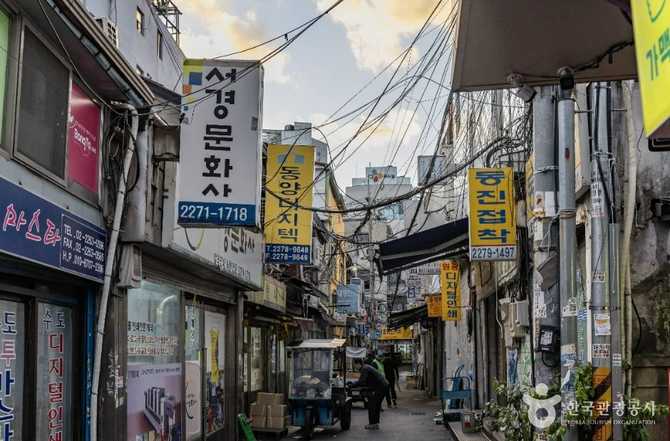
These districts offer a wide range of printing services, including traditional plate-making, offset printing, and artisanal techniques in Chungmuro, as well as digital printing, large-format printing, and design services in Euljiro. Many shops provide both traditional and modern printing solutions.
Q3: How can I best visit Seoul’s Chungmuro and Euljiro Ink Alley?
It is recommended to use public transportation, particularly subway lines, as parking is limited. Chungmuro Station (Line 3) provides convenient access, and walking between the districts is easy since they are within 10 minutes apart.
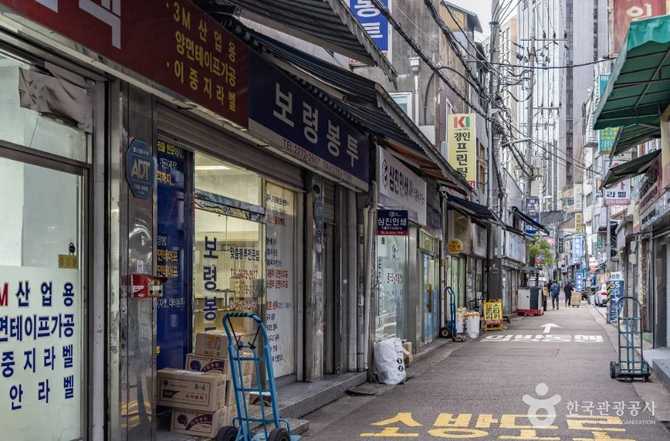
Q4: Are there specific operating hours or days to consider when visiting?
Operating hours vary by shop, and some may be closed on weekends or public holidays. It is advisable to check individual shop hours beforehand to ensure a smooth visit.
Q5: What is the main difference between traditional and digital printing in these districts?
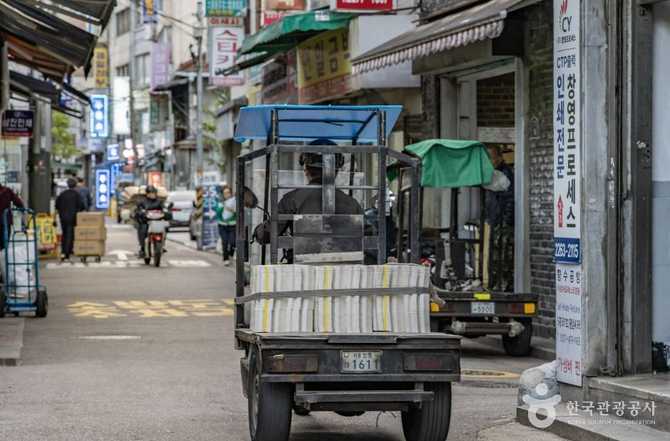
Traditional printing involves manual and mechanical techniques such as letterpress and offset printing, while digital printing uses advanced computer-controlled printers for faster, more flexible production. Each method offers distinct advantages in cost, speed, and craftsmanship.
Q6: Why are Seoul’s Chungmuro and Euljiro Ink Alley considered important for Korea’s industrial heritage?
These districts preserve Korea’s traditional printing techniques while embracing modern innovations, making them vital cultural and industrial landmarks. They host exhibitions, workshops, and events that celebrate Korea’s printing history and ongoing technological progress.
Conclusion: Discover the Unique Charm of Seoul’s Chungmuro and Euljiro Ink Alley
Exploring Seoul’s Chungmuro and Euljiro Ink Alley offers a rare glimpse into Korea’s rich printing heritage, where tradition seamlessly coexists with cutting-edge technology. These districts are more than just industrial hubs; they are vibrant cultural landscapes that showcase Korea’s historical craftsmanship and innovative spirit. Whether you’re a printing professional seeking high-quality services, an entrepreneur interested in industry insights, or a traveler eager to experience Korea’s industrial legacy, these areas provide valuable opportunities for learning and discovery.
Walking through the alleys, visitors can observe traditional printing techniques, explore modern digital printing centers, and appreciate the historical significance embedded in the architecture and local workshops. The districts are conveniently located within walking distance, making it easy to compare different shops and services while immersing yourself in Korea’s industrial atmosphere. Remember to check operating hours and transportation options before your visit to ensure a smooth experience. Public transit is highly recommended due to limited parking options. Ultimately, Seoul’s Chungmuro and Euljiro Ink Alley stand as vital centers of Korea’s printing industry, offering a fascinating blend of history, culture, and technological innovation that should not be missed by anyone interested in Korea’s industrial evolution or seeking authentic printing services.